
Northern Spikemoss (Selaginella selaginoides)
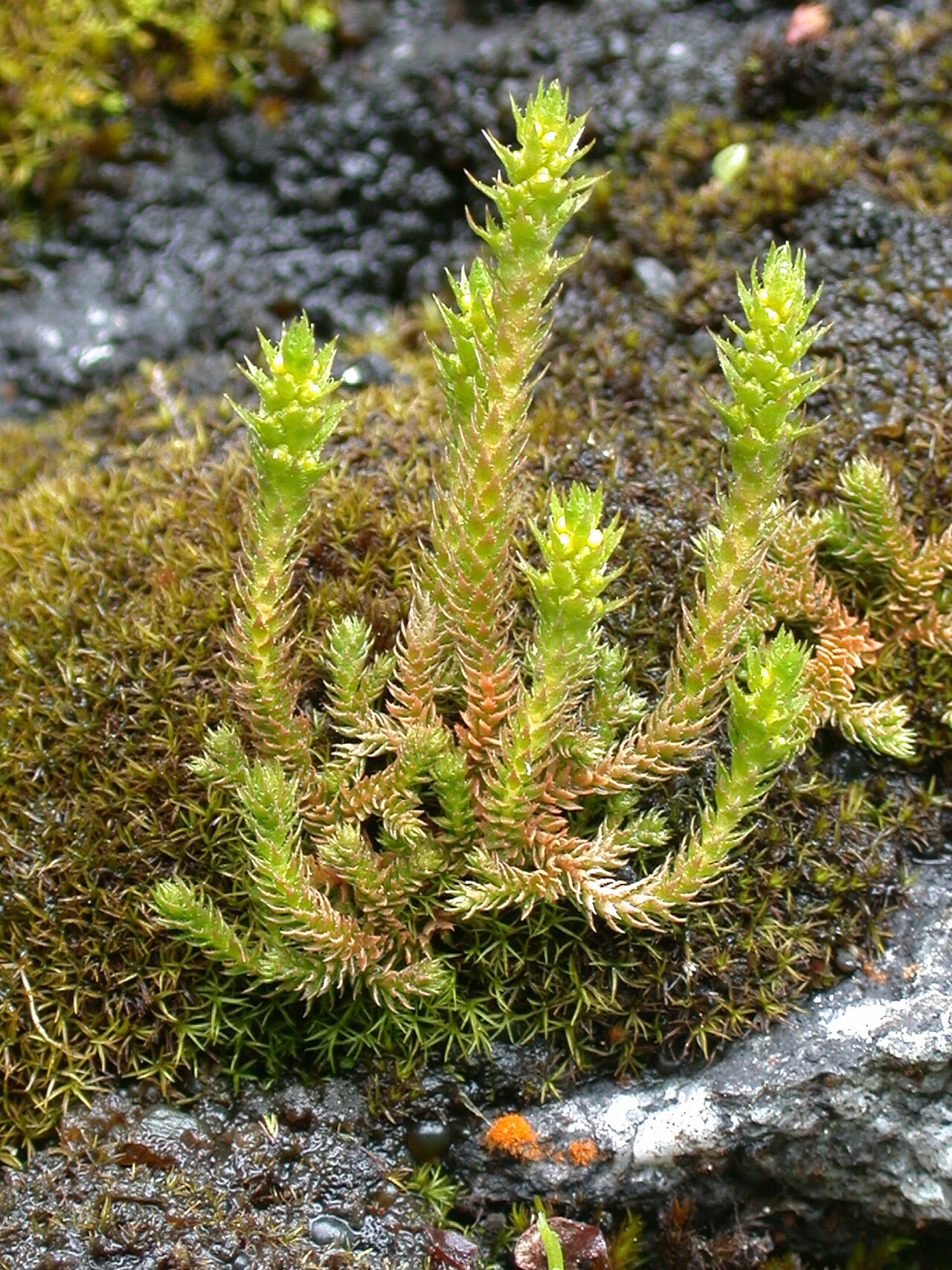
Selaginella selaginoides, known as Northern Spikemoss, low spikemoss, club spikemoss or, in Britain, lesser clubmoss, is a tiny, moss-like plant of wet, open places in the far north and high mountains. It is not a moss at all but a vascular plant, one of the lycophytes, an ancient group that also includes the clubmosses and quillworts.
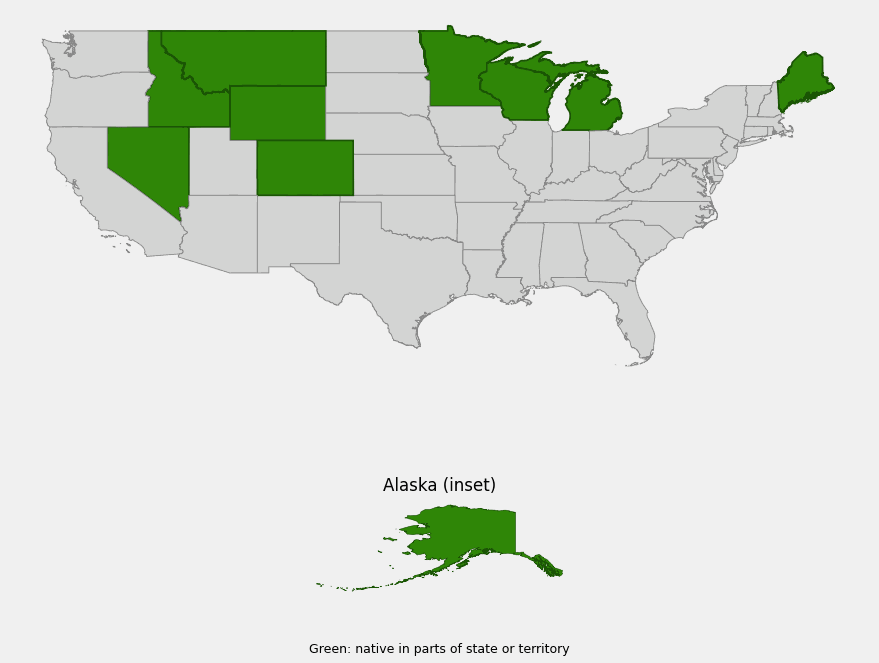
It has a nearly circumpolar range across northern Europe, Asia and North America. In the United States it is native to Alaska and, farther south, to scattered sites in Montana, Idaho, Wyoming, Colorado and Nevada and around the Great Lakes and in Maine. It favors fens, streambanks, wet ledges and mossy tundra with neutral to alkaline soils.
Northern spikemoss is of special interest to botanists: it and a single Hawaiian relative form a small branch that is sister to all other spikemosses. This identification and appreciation page covers how to recognize it, where it grows, why it is not a garden plant, and where to look for it in the wild.
Identification
Northern spikemoss is small and easily overlooked among mosses and sedges. Look for short, upright, yellowish-green fertile stems with stout cones, rising from creeping sterile stems with spiny-edged leaves.
Size & Form
The perennial sterile stems are slender, irregularly branched and creeping, up to about 6 inches long, often turning upward at the tips. Each year the plant produces stouter, erect fertile shoots, usually 1 to 2 1/2 inches tall and occasionally up to 4 inches.
Leaves
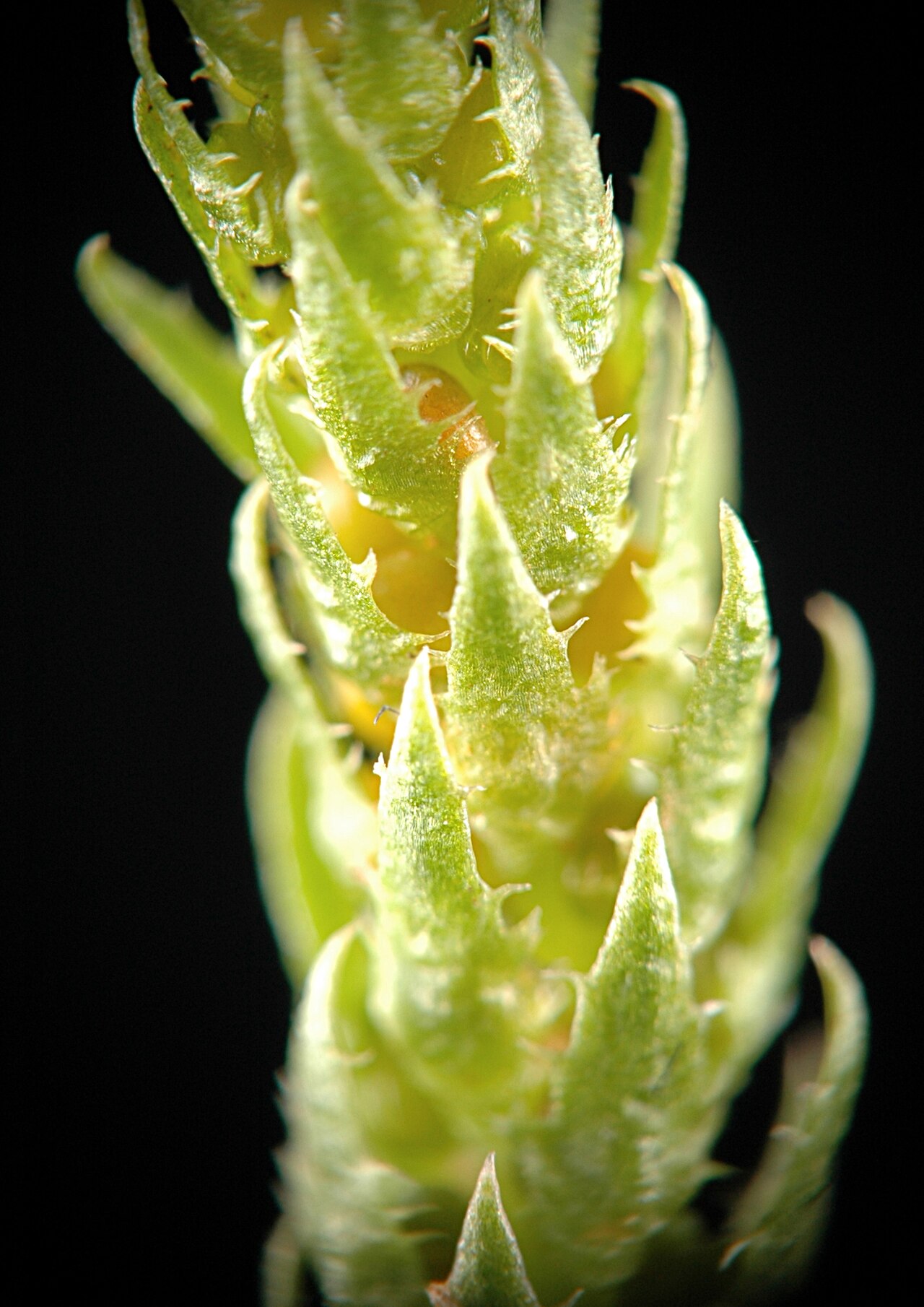
The leaves are tiny, about 1/25 to 1/12 inch long, narrowly triangular and pointed, with fine, spiny teeth along the margins. Unlike most spikemosses, which have flattened shoots with leaves in four ranks, its leaves are spirally arranged all around the stem. Each leaf has a tiny tongue-like flap (ligule) on its upper surface near the base.
Cones & Spores
The fertile shoots end in stout, yellowish to greenish cones (strobili) that are only slightly different from the leafy stem below. The lower part of the cone holds large, lobed megasporangia with a few big female spores; the upper part holds many small microsporangia with tiny male spores. This two-spore system (heterospory) is shared by all spikemosses.
Seasonal Change
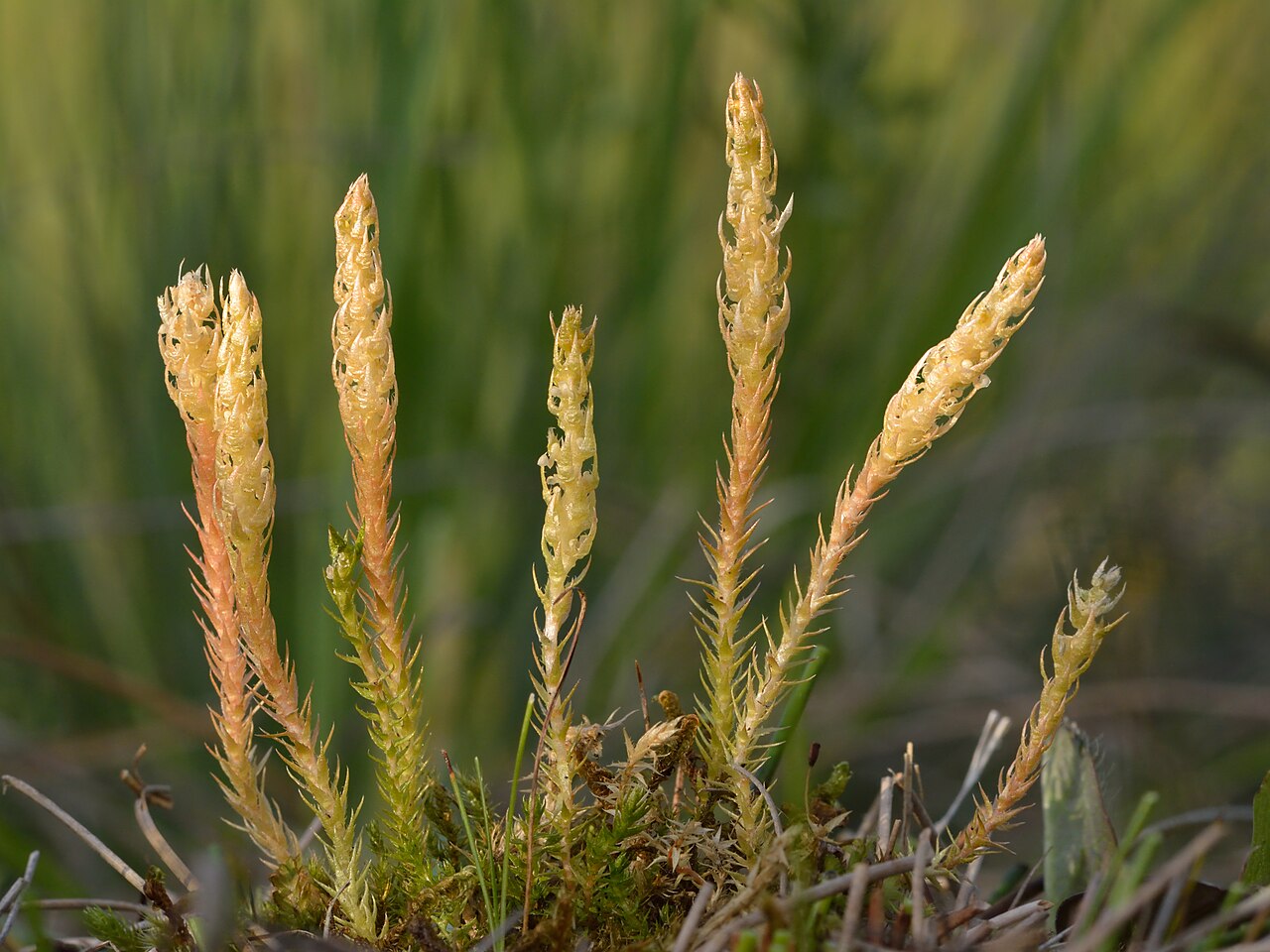
The plants are bright yellow-green in summer and the fertile spikes often turn golden or tan by late summer and fall, when spores are released. Fertile shoots die back each year, while the creeping sterile stems persist.
Similar Species
Other spikemosses in our area, such as rock spikemoss and meadow spikemoss, grow on dry rocks or have flattened, four-ranked shoots. Mosses lack the ligules, true vascular tissue and spore cones. Small clubmosses (Huperzia, Lycopodiella) have only one kind of spore and leaves without ligules.
Quick Facts
| Scientific Name | Selaginella selaginoides (L.) P. Beauv. ex Mart. & Schrank |
| Family | Selaginellaceae (spikemoss family) |
| Plant Type | Small perennial lycophyte (spikemoss) |
| Mature Height | Fertile shoots 1–2.5 in, rarely to 4 in |
| Mature Spread | Creeping stems to about 6 in |
| Growth Rate | Slow |
| Sun Exposure | Full sun to light shade; open sites |
| Water Needs | High; constantly moist to wet |
| Soil Type | Wet peat, moss, sand or gravel over calcareous rock |
| Soil pH | About 6.5–8.0 (neutral to alkaline) |
| Bloom Time | Does not flower; spores ripen in late summer |
| Flower Color | None (spore-bearing) |
| Fall Color | Fertile shoots turn golden to tan |
| Fruit | None; megaspores and microspores in cones |
| Deer Resistant | Not applicable; seldom browsed |
| USDA Hardiness Zones | 1–5 in the wild; not cultivated |
Native Range
USDA PLANTS lists northern spikemoss as native in Alaska, Colorado, Idaho, Maine, Michigan, Minnesota, Montana, Nevada, Wisconsin and Wyoming. It is widespread in Alaska; south of Canada it occurs in scattered, often rare populations in the Rocky Mountains and Great Basin ranges, along the upper Great Lakes, and in northern Maine. It is considered rare in several of these states, and Nevada and Colorado are at the southern edge of its range.
It occurs across Canada from British Columbia and Yukon to Labrador and Newfoundland, and in Greenland. Beyond North America it grows in Iceland, the British Isles and across northern and mountainous Europe south to the Pyrenees and Caucasus, and in northern Asia to Japan.
It grows in wet, open places with neutral to alkaline soils: rich fens, seepy slopes, streambanks and lakeshores, wet cliff ledges, mossy tundra and dune slacks. In North America it is mostly found between about 2,000 and 9,500 feet, lower in the north. It is a poor competitor and disappears where tall vegetation closes in or where wetlands are drained.
📋 Regional plant lists featuring Northern Spikemoss: Alaska · Montana & Wyoming · California & Nevada · Michigan, Wisconsin & Eastern Minnesota · New Hampshire, Maine & Vermont
Can You Grow It?
Realistically, no. Northern spikemoss is not sold by nurseries and is very difficult to keep alive outside its cold, wet, open habitat. It should never be dug from the wild: plants are small and slow, many of its U.S. sites are rare, and the fens where it grows are fragile.
Why It Is Hard to Grow
It needs constantly cool, moist, open conditions with mineral-rich, non-acidic water, short summers and little competition. Ordinary gardens are too warm, too dry in summer, and too crowded with other plants, and it does not tolerate being moved.
Why You Should Never Dig It
Digging a clump destroys its fragile creeping stems and damages the fen or seep around it. In several states it is rare and tracked by natural heritage programs, and many of its sites are on protected land where collecting is prohibited.
Alternatives for Gardeners
If you want the look of a spikemoss, grow a nursery-propagated species suited to your region, such as rock spikemoss in a dry, sunny rock garden in its native range. Specialist alpine and fern growers sometimes keep northern spikemoss in cold, constantly moist troughs, but only from cultivated material.
Protecting Its Habitat
Its biggest threats are drainage of fens, changes to groundwater and spring flows, trampling and encroachment by taller vegetation. Supporting the protection of fens and calcareous wetlands is the best way to help it.
Propagation
In nature it spreads slowly by its creeping stems and by spores. Its spores germinate into tiny, short-lived gametophytes that develop inside the spore wall. It is not practical to propagate at home.
Where to See It
- Alaska: widespread on wet tundra, gravel bars and mossy slopes; look closely in midsummer
- The northern Rockies: wet seeps, streambanks and calcareous fens in the mountains of Montana, Idaho and Wyoming
- Upper Great Lakes: wet, calcareous shoreline ledges and fens in Michigan, Wisconsin and Minnesota
- Northern Maine: calcareous fens and river ledges
- Viewing tips: use a hand lens to see the spiny leaf edges; stay on boardwalks in fens
Wildlife & Ecological Value
Northern spikemoss is a small part of the rich plant communities of fens and tundra, where it grows among sedges, mosses and specialized wildflowers.
For Pollinators
As a spore-bearing plant it has no flowers and offers nothing to pollinators. Its spores are spread by wind and water.
For Birds
It provides little direct food for birds, but its fen and tundra habitat supports nesting shorebirds, ptarmigan and songbirds.
For Mammals
It is too small to be important to mammals and is seldom grazed.
Ecosystem Role
Along with mosses, it helps form the low, spongy ground cover of fens and wet tundra, and its presence is a sign of mineral-rich, open wetland conditions that also support rare orchids and other fen specialists.
Cultural & Historical Uses
Northern spikemoss is one of the most studied spikemosses. DNA studies show that it and Selaginella deflexa of Hawaiʻi form a small branch that split from all other Selaginella species early in the genus’s history, so it offers a window into the ancestors of more than 700 living spikemosses.
Lycophytes like this one are among the oldest surviving groups of vascular plants, with ancestors dating back more than 400 million years. Their giant extinct relatives formed the coal swamp forests of the Carboniferous period.
In Finnish traditional medicine the plant was used as a remedy for rickets. It is not known to be poisonous, but it has no proven medicinal value and should not be collected.
Frequently Asked Questions
Is northern spikemoss a moss?
No. Despite its moss-like look and name, it is a vascular plant, a lycophyte related to clubmosses and quillworts. It has true roots, stems with vascular tissue and leaves, and it reproduces by two kinds of spores borne in cones.
Where does northern spikemoss grow in the United States?
It is native to Alaska and to scattered wet, calcareous sites in Montana, Idaho, Wyoming, Colorado, Nevada, Minnesota, Wisconsin, Michigan and Maine. It also grows across Canada, northern Europe and northern Asia.
Can I grow northern spikemoss in my garden?
Not practically. It needs cold, constantly wet, open, mineral-rich conditions and is not sold by nurseries. Never dig it from the wild; choose a nursery-grown spikemoss suited to your area instead.
How do I tell northern spikemoss from other spikemosses?
Its tiny leaves are spirally arranged all around the stem with spiny-toothed edges, and its upright fertile shoots end in stout, pale cones. Most other North American spikemosses have flattened shoots or grow on dry rock.
Is northern spikemoss rare?
It is common in Alaska and much of Canada, but south of Canada its populations are scattered and several states list it as rare. Drainage of fens and changes to springs are the main threats.

Looking for a nursery that carries Northern Spikemoss?
Browse our native plant nursery directory: Alaska · Colorado · Idaho · Maine, Michigan, Minnesota & Montana · Nevada · Wisconsin & Wyoming

