
Lanceleaf Figwort (Scrophularia lanceolata)
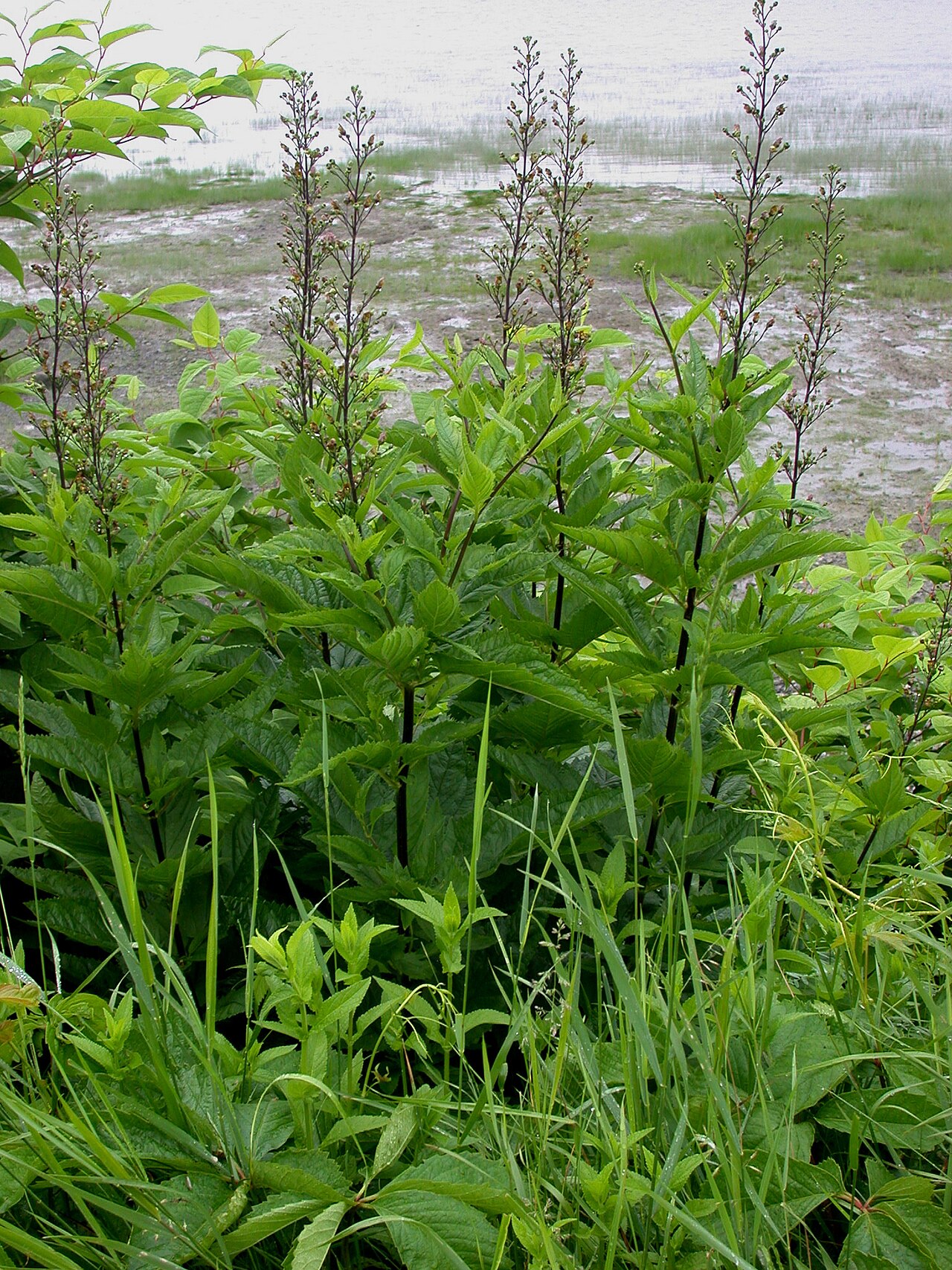
Scrophularia lanceolata, the Lanceleaf Figwort (also called early figwort or hare figwort), is a tall, unassuming wildflower of woodland edges, thickets, clearings and streambanks across the northern United States and southern Canada. Its tiny, shiny, greenish-yellow to brownish flowers are easy to overlook, but they are some of the most nectar-rich blooms in early summer, and bees and wasps know it.
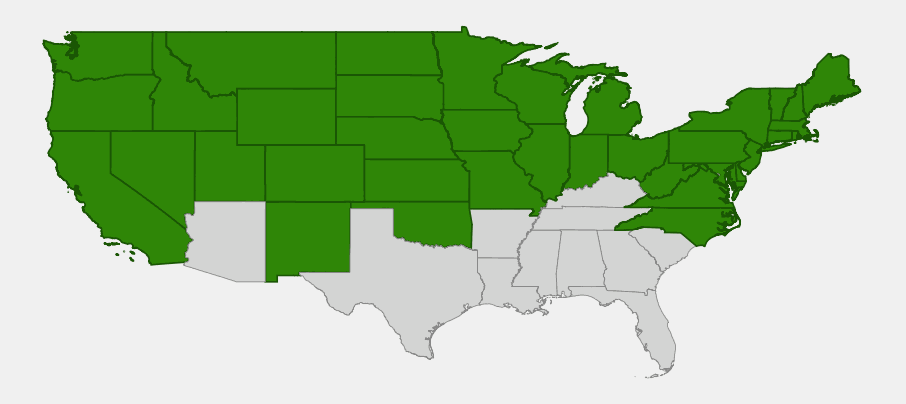
It is native from the Atlantic coast to the Pacific Northwest and California, with USDA PLANTS listing it in 37 states and seven Canadian provinces. It blooms from late spring into midsummer, earlier than its eastern cousin, Late Figwort (S. marilandica), which is the main look-alike.
Lanceleaf figwort is a favorite of pollinator gardeners and beekeepers because it feeds a huge variety of native bees, bumble bees, honey bees and wasps, and it is easy to grow in sun or part shade. This guide covers how to identify it, where it grows, how to grow it from seed and why it matters to wildlife.
Identification
Lanceleaf figwort is a tall, clump-forming perennial with square stems, opposite toothed leaves and loose, branched spikes of small, two-lipped flowers.
Stems & Leaves
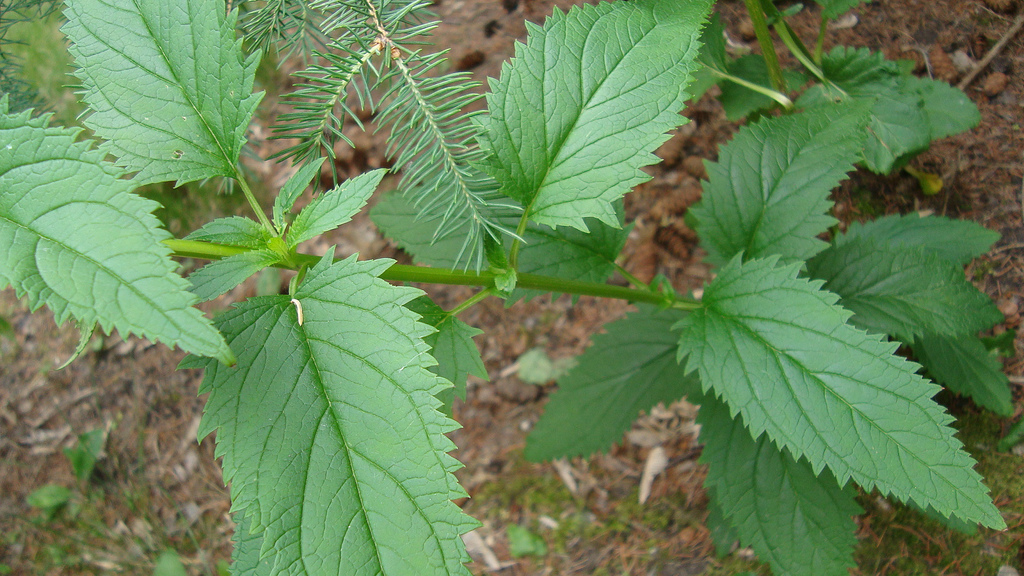
Plants grow from a short rhizome and reach 3 to 6 feet tall, with stout, four-sided (square), grooved stems. The leaves are opposite, lance-shaped to narrowly egg-shaped, 3 to 8 inches long, with sharp, often irregular teeth along the edges and a short leaf stalk. Leaf bases are usually rounded to tapered rather than heart-shaped.
Flowers
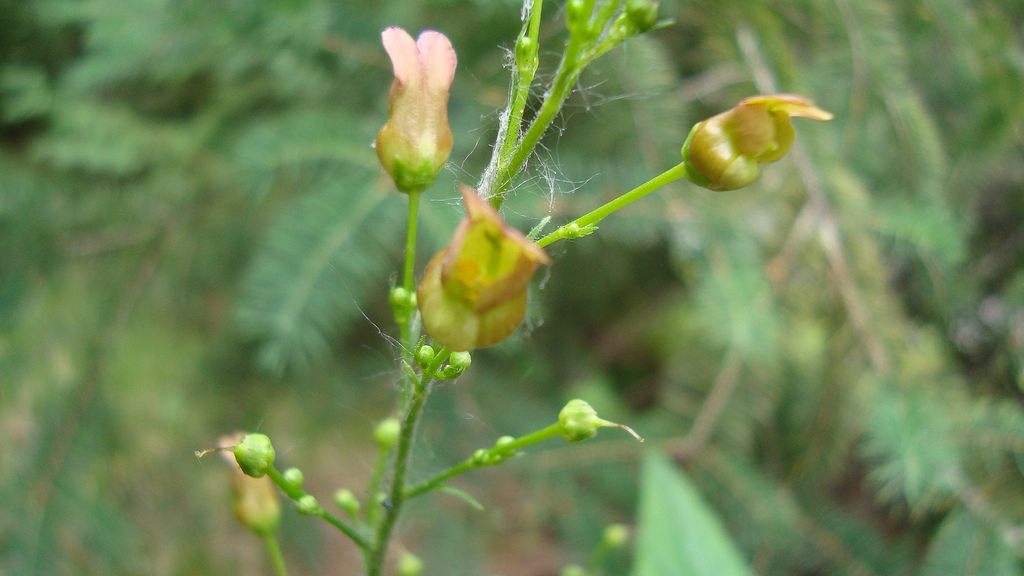
From May to July, the upper stems end in narrow, open clusters of small flowers on branching stalks. Each flower is only about ⅓ inch long, urn-shaped and two-lipped, with a shiny surface. They are greenish to yellowish green outside, often tinged reddish brown on the upper lip and inside. Inside the flower is a small sterile stamen (staminode) that is greenish yellow, a key identification feature.
Fruit
The flowers are followed by shiny, egg-shaped, pointed capsules about ⅓ inch long, which turn brown and split open in late summer to release many small seeds. The dry seed stalks often stand into fall.
Look-alikes
Late Figwort (S. marilandica) of the eastern and central U.S. is very similar, but it blooms later (July to October), its flowers are dull reddish to maroon brown and not shiny, its staminode is purple to brown, and its leaf stalks are longer. Where both grow, plants still flowering in late summer are almost always late figwort. In California, California Bee Plant (S. californica) has darker reddish-maroon flowers and often heart-shaped leaf bases.
Quick Facts
| Scientific Name | Scrophularia lanceolata Pursh |
| Family | Scrophulariaceae (figwort family) |
| Plant Type | Herbaceous perennial |
| Mature Height | 3–6 ft |
| Mature Spread | 1–2 ft |
| Growth Rate | Fast |
| Sun Exposure | Full sun to part shade |
| Water Needs | Medium; average to moist soil |
| Soil Type | Loam, sandy loam, clay loam; tolerates disturbed soil |
| Soil pH | About 5.5–7.5 |
| Bloom Time | May–July |
| Flower Color | Greenish yellow to yellowish brown |
| Fall Color | None; brown seed stalks persist |
| Fruit | Shiny, pointed capsule with many small seeds |
| Deer Resistant | Generally deer resistant |
| USDA Hardiness Zones | 3–8 |
Native Range
Lanceleaf figwort has one of the widest ranges of any North American figwort. USDA PLANTS lists it as native in 37 states, from Maine and the Mid-Atlantic west through the Great Lakes and northern Great Plains to the Rocky Mountains, the Great Basin, the Pacific Northwest and California. In Canada it grows from Nova Scotia and New Brunswick west to Alberta and British Columbia. It is most common in the Northeast, Great Lakes states and the Northwest, and becomes scarcer to the south, reaching its southern limits in North Carolina, Oklahoma and New Mexico.
It grows in open woods, woodland edges, thickets, clearings, riverbanks, shorelines, meadows, fencerows and roadsides. It favors partly shaded, moist but well-drained soils and is quick to colonize disturbed ground such as recent clearings, burned areas, railroad embankments and logging roads, which is why it often appears along trails and roadsides.
In the West it is typically a plant of streamsides, aspen groves, moist canyons and forest openings at low to middle elevations, while in the East it grows in rich deciduous woods and along edges. It is common in much of its range and not considered threatened overall, though it is rare at the southern edges of its range in a few states.
📋 Regional plant lists featuring Lanceleaf Figwort: New York, Pennsylvania & Northern New Jersey · Idaho, Eastern Oregon & Eastern Washington · Ohio & Indiana · Montana & Wyoming · Michigan, Wisconsin & Eastern Minnesota · Nebraska, Kansas & Eastern Colorado · Utah & Western Colorado · Connecticut, Massachusetts & Rhode Island · New Hampshire, Maine & Vermont · Maryland, Virginia & West Virginia · Delaware, Southern New Jersey & Long Island · Illinois, Iowa & Missouri · North & South Carolina · Arkansas, Louisiana, Eastern Oklahoma & Eastern Texas · North Dakota, South Dakota & Western Minnesota · Western Oregon & Western Washington · California & Nevada
Growing & Care Guide
Lanceleaf figwort is an easy, fast-growing perennial for the back of a pollinator border, a woodland edge or a rain garden margin. Seed and plants are available from native plant nurseries, especially in the Midwest, Northeast and Pacific Northwest. It is not showy, so plant it where its tall spikes can stand among flashier flowers and you can watch the steady stream of bees.
Light
Full sun to part shade. It blooms best with at least half a day of sun, but tolerates more shade than many prairie plants and does well along woodland edges.
Soil & Water
Average to moist, well-drained soil of almost any texture. It tolerates clay and disturbed soils. Water during dry spells in its first season; established plants handle short droughts but look best where the soil stays somewhat moist.
Planting Tips
Space plants 1½ to 2 feet apart. Because it grows tall and narrow, place it behind lower plants or among other tall perennials such as bee balm, Joe Pye weed and coneflowers. It can lean in rich soil or shade; neighbors help hold it up.
Pruning & Maintenance
Very little care is needed. Cutting the stems back by about a third in late spring can make plants shorter and bushier. Leave seed stalks standing over winter for structure and for insects that overwinter in hollow stems, or cut them down if you want to limit self-seeding. Plants are generally free of serious pests and diseases.
Propagation
Sow seed outdoors in fall, or give it about 30 days of cold, moist stratification before spring sowing. The small seeds need light to germinate, so press them onto the soil surface without covering them. Seedlings grow quickly and often bloom in their second year. Established clumps can also be divided in early spring.
Landscape Uses
- Pollinator gardens: one of the best nectar plants for bees and wasps in early summer
- Woodland edges: tall, airy texture in partial shade
- Meadows and restorations: for moist meadows, clearings and streambank plantings
- Bee forage: prized by beekeepers for its abundant nectar
Wildlife & Ecological Value
Despite its plain looks, lanceleaf figwort is one of the most heavily visited wildflowers of early summer.
For Pollinators
The small, cup-shaped flowers produce copious nectar that is easy to reach, and they are visited by a wide range of insects: bumble bees, honey bees, sweat bees, mason bees and many solitary and social wasps, which are important pollinators of figworts. The Xerces Society notes it as having special value to native bees and for supporting beneficial insects that help control pests. Figworts have even been nicknamed “carpenter’s square” for their sharply four-sided stems.
For Birds
Hummingbirds sometimes visit figwort flowers for nectar. Songbirds forage for the many insects attracted to the plants, and the seeds may be eaten by small birds.
For Mammals
The leaves are bitter and are not a favored food of deer or rabbits, so plants are usually left alone.
Ecosystem Role
Because the flowers attract so many predatory and parasitic wasps, lanceleaf figwort supports natural pest control in gardens and nearby crops. Its quick colonization of clearings and edges helps cover disturbed soil, and its hollow dried stems can shelter overwintering insects.
Cultural & Historical Uses
The genus name Scrophularia comes from scrofula, a tuberculosis infection of the lymph nodes. Following the old “doctrine of signatures,” European herbalists believed the knobby roots of the European common figwort resembled swollen glands and used it to treat the disease. The species name lanceolata describes its lance-shaped leaves. The botanist Frederick Pursh described the species in his early 19th-century flora of North America.
Several Native American peoples used figworts in traditional medicine, for example as poultices or teas for skin problems and other ailments. The plant is not used as food and should not be used as a home remedy without expert guidance.
In the 19th century, American beekeepers praised figworts as honey plants because they bloom heavily and produce nectar for weeks. Today the plant is valued for the same reason by gardeners planting for native bees, and it is often included in pollinator seed mixes for the northern states.
Frequently Asked Questions
How do I tell lanceleaf figwort from late figwort?
Lanceleaf figwort blooms earlier (May to July), has shiny greenish-yellow to brownish flowers and a greenish-yellow sterile stamen inside the flower. Late figwort blooms from July to October, has dull maroon-brown flowers and a purple or brown sterile stamen.
Is lanceleaf figwort good for pollinators?
Yes, it is one of the best. Its flowers produce abundant nectar and attract bumble bees, honey bees, many native solitary bees and a variety of wasps, and sometimes hummingbirds.
Where does lanceleaf figwort grow?
Across the northern United States and southern Canada, from New England and the Mid-Atlantic to the Great Lakes, the northern Plains, the Rocky Mountains, the Pacific Northwest and California. It grows in woodland edges, thickets, clearings, meadows and streambanks.
Is lanceleaf figwort invasive?
No. It is a native perennial. It self-sows in good conditions but is easy to manage by cutting seed stalks before they ripen.
How tall does lanceleaf figwort get?
Usually 3 to 6 feet. Cutting the stems back by about a third in late spring keeps it shorter and bushier.

Looking for a nursery that carries Lanceleaf Figwort?
Browse our native plant nursery directory: California · Colorado, Connecticut & Delaware · Idaho, Illinois, Indiana, Iowa & Kansas · Maine, Maryland, Massachusetts, Michigan, Minnesota, Missouri & Montana · Nebraska, Nevada, New Hampshire, New Jersey, New Mexico, New York, North Carolina, North Dakota, Ohio & Oklahoma · Oregon · Pennsylvania, Rhode Island, South Dakota, Utah, Vermont & Virginia · Washington · West Virginia, Wisconsin & Wyoming

