
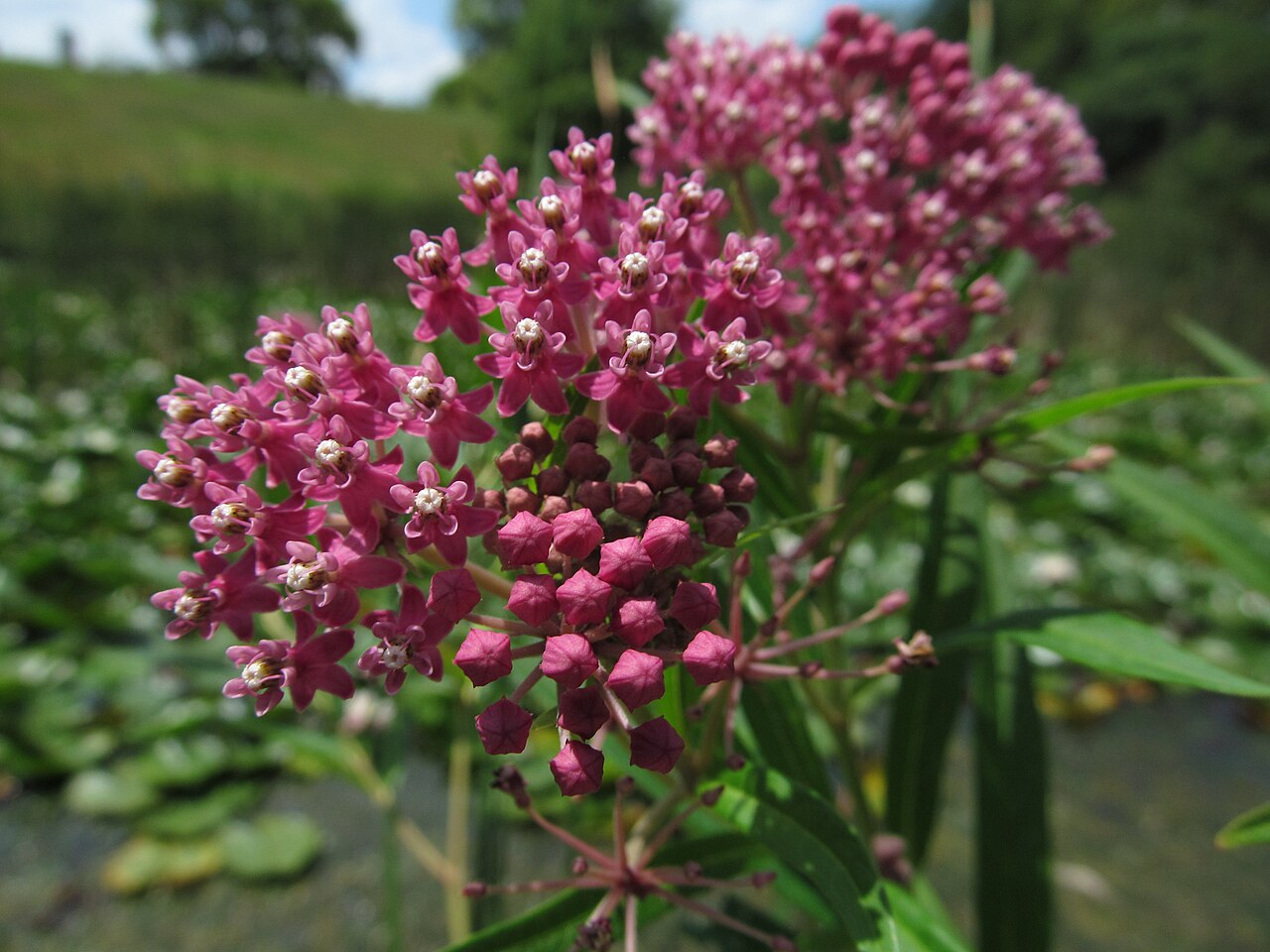
Swamp milkweed at home on a pond margin, Pittsburgh, Pennsylvania. Wet soil alone is rarely the problem. Photo: Cbaile19, Wikimedia Commons (CC0) You chose swamp
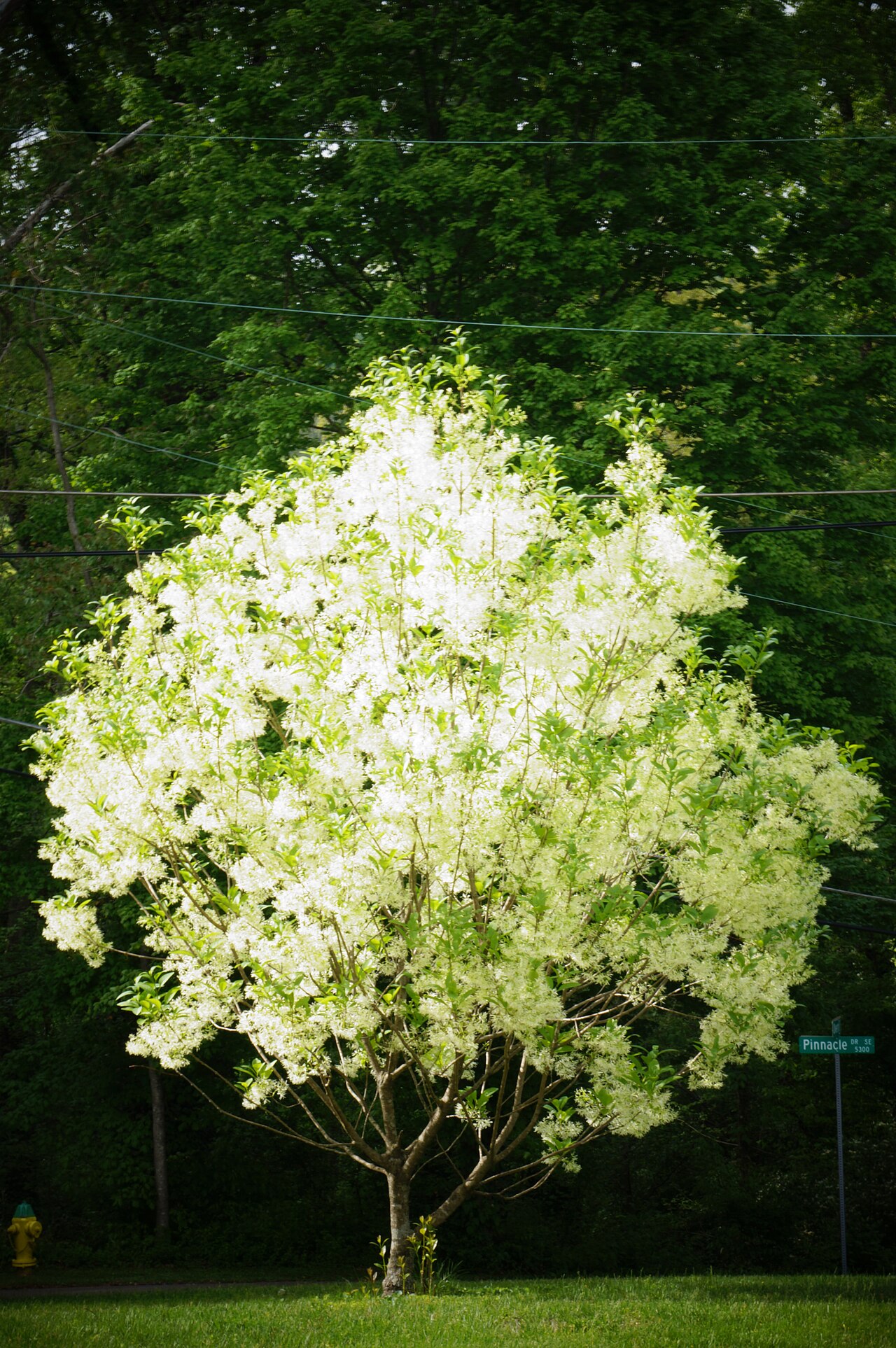
This is the show you were promised: a fringetree in an open, sunny spot, covered in white fringe flowers. Photo: Mike Steinhoff, Wikimedia Commons (CC
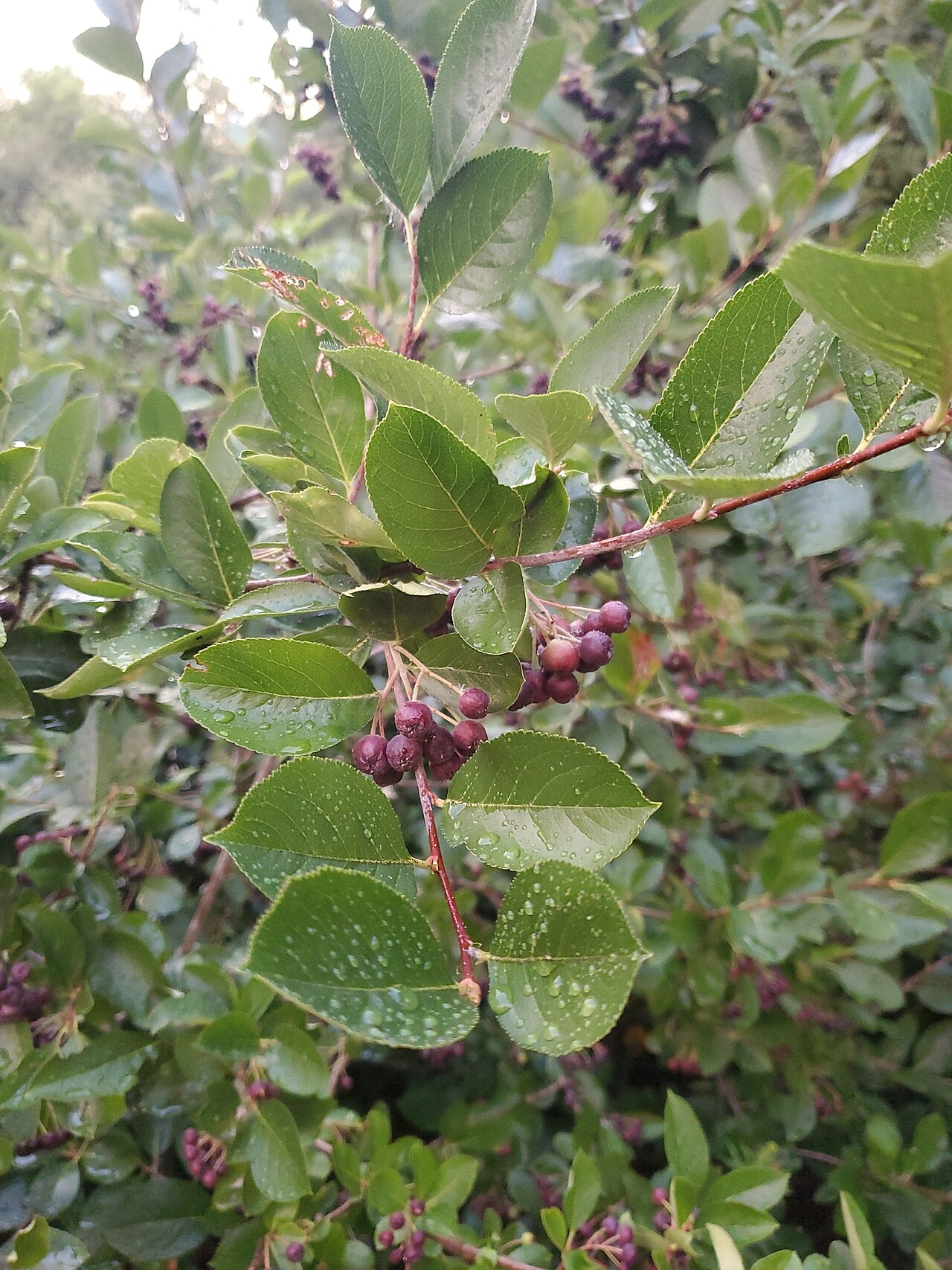
Pale specks on black chokeberry leaves. Marks like these can come from insects, fungi, residue, or weather, which is why identification comes before treatment. Photo:
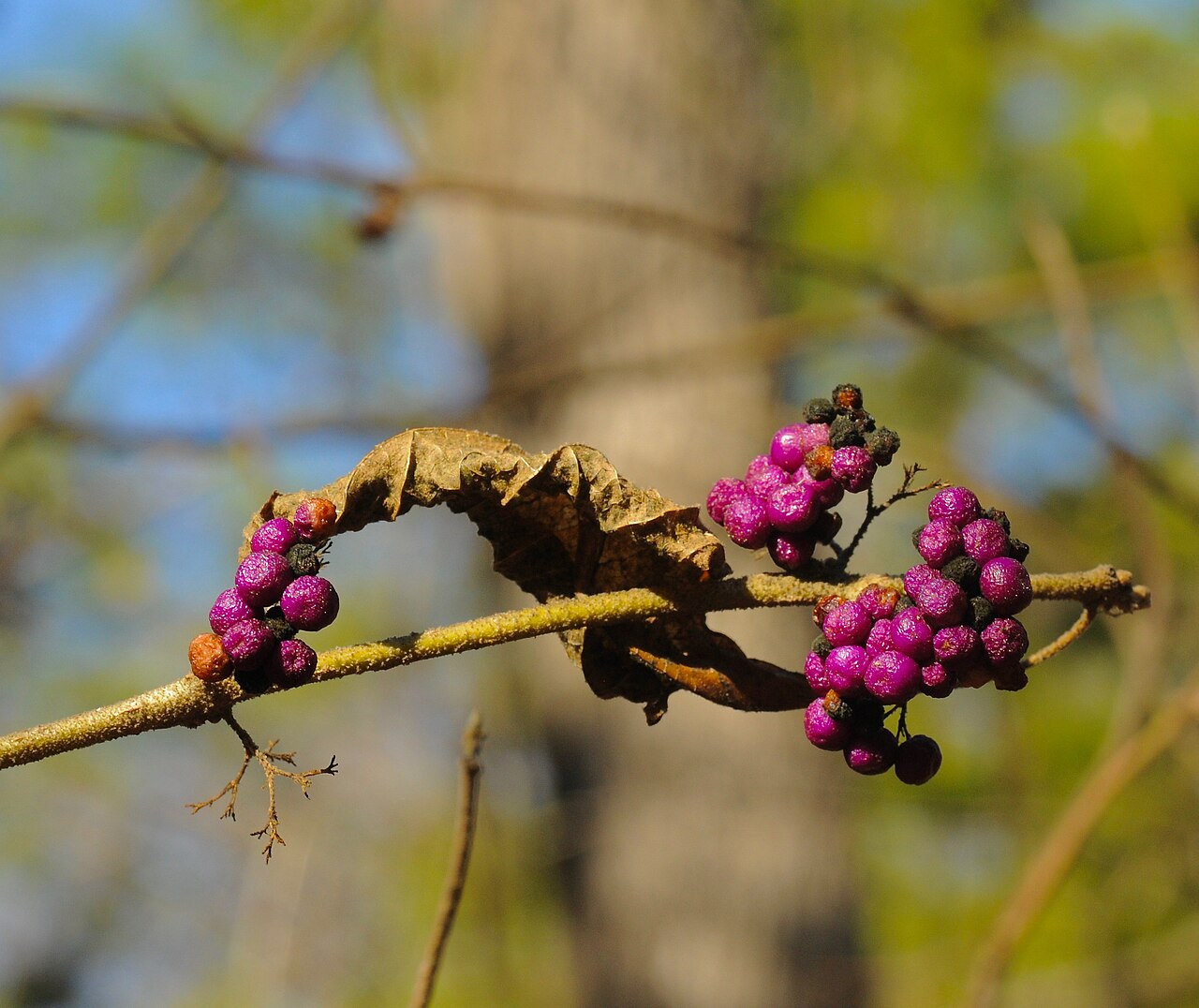
A beautyberry stem in January, Van Zandt County, Texas. Dead leaves and dry-looking stems are normal in winter. The question is how much of that
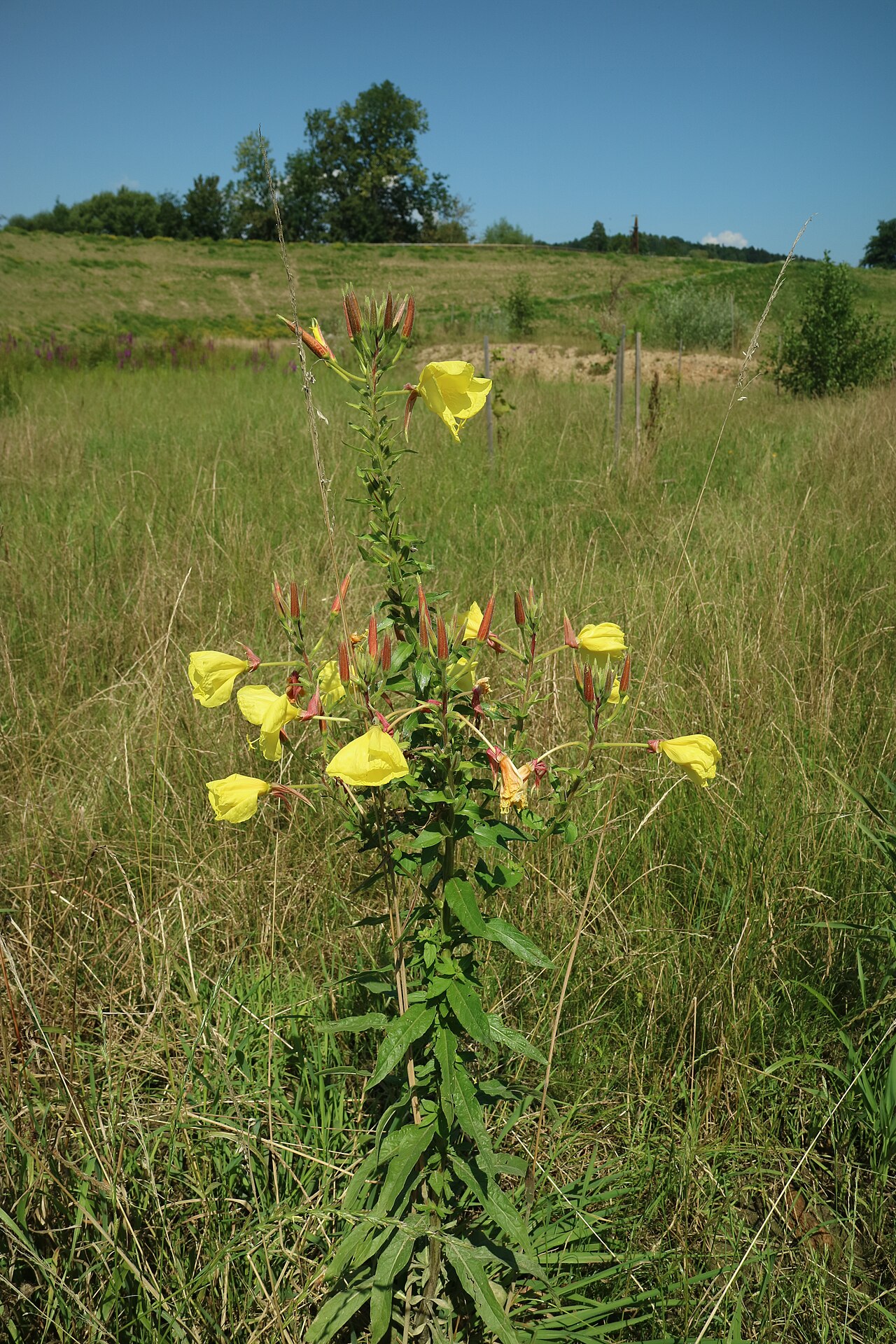
A tall second-year evening primrose with a branched, flower-heavy top. Plants like this can tip after a storm. Raaba-Grambach, Styria, Austria. Photo: Clemens Stockner, Wikimedia
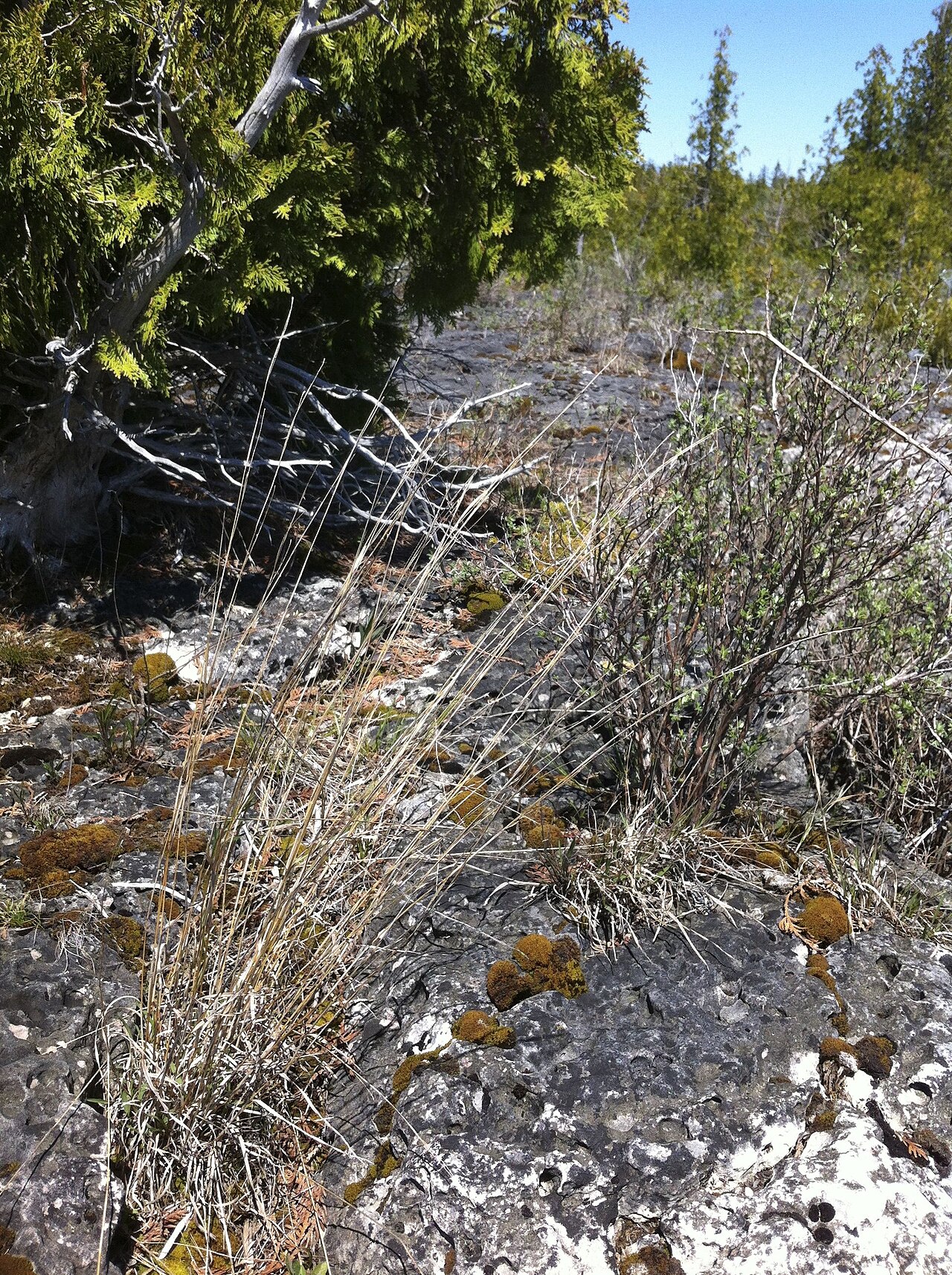
Late May on an Ontario alvar: the shrubs are leafing out, but this little bluestem is still mostly last year’s tan stems. That’s normal for
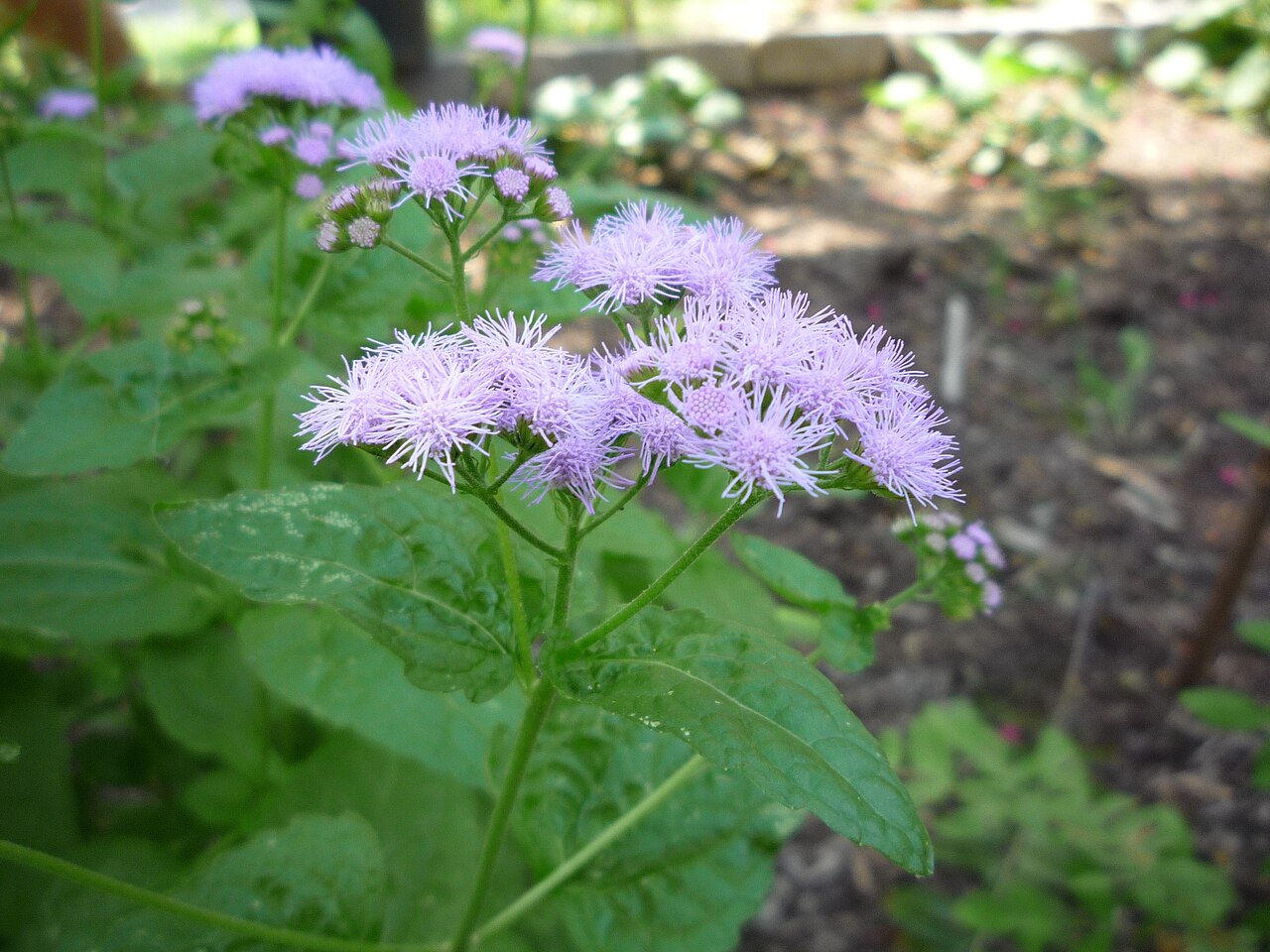
Garden-grown blue mistflower with stems angling outward under the weight of their flower clusters. Photo: Kingdon, Wikimedia Commons (Public domain) Your blue mistflower looked great
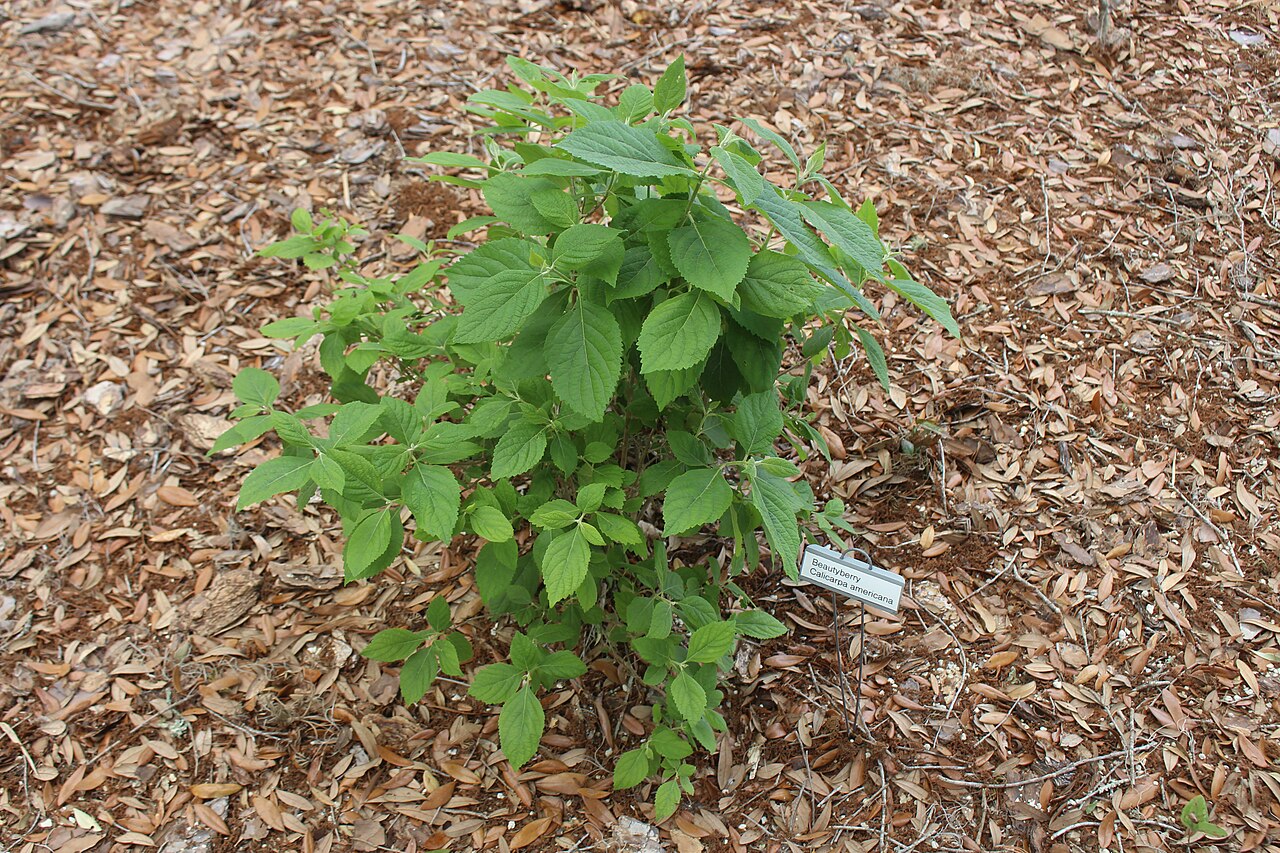
A young beautyberry in a mulched bed at Hearthstone Botanical Gardens, Suwannee County, Florida. In its first season, everything depends on what happens inside that
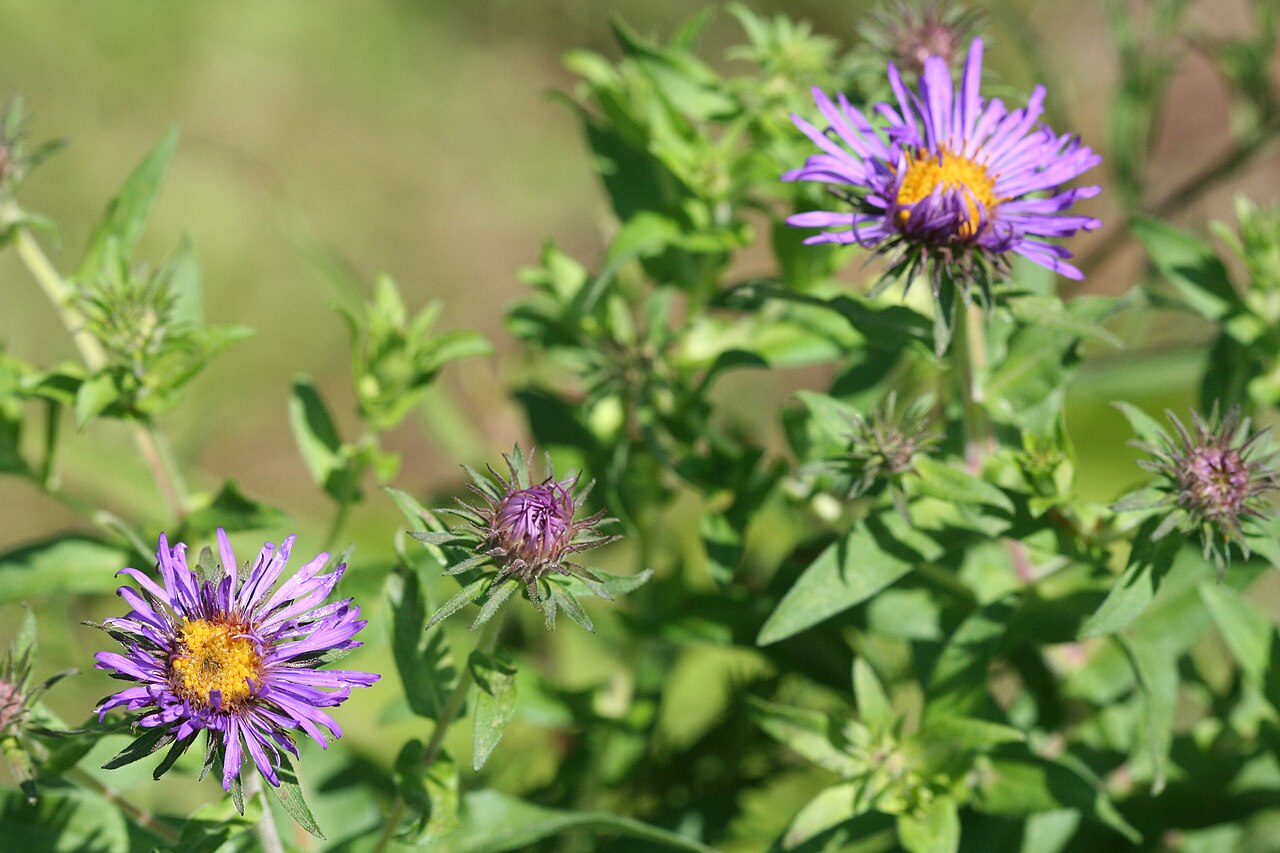
Open flowers and tight buds on the same plant. New England aster opens its buds over several weeks, not all at once. Photo: Randy A
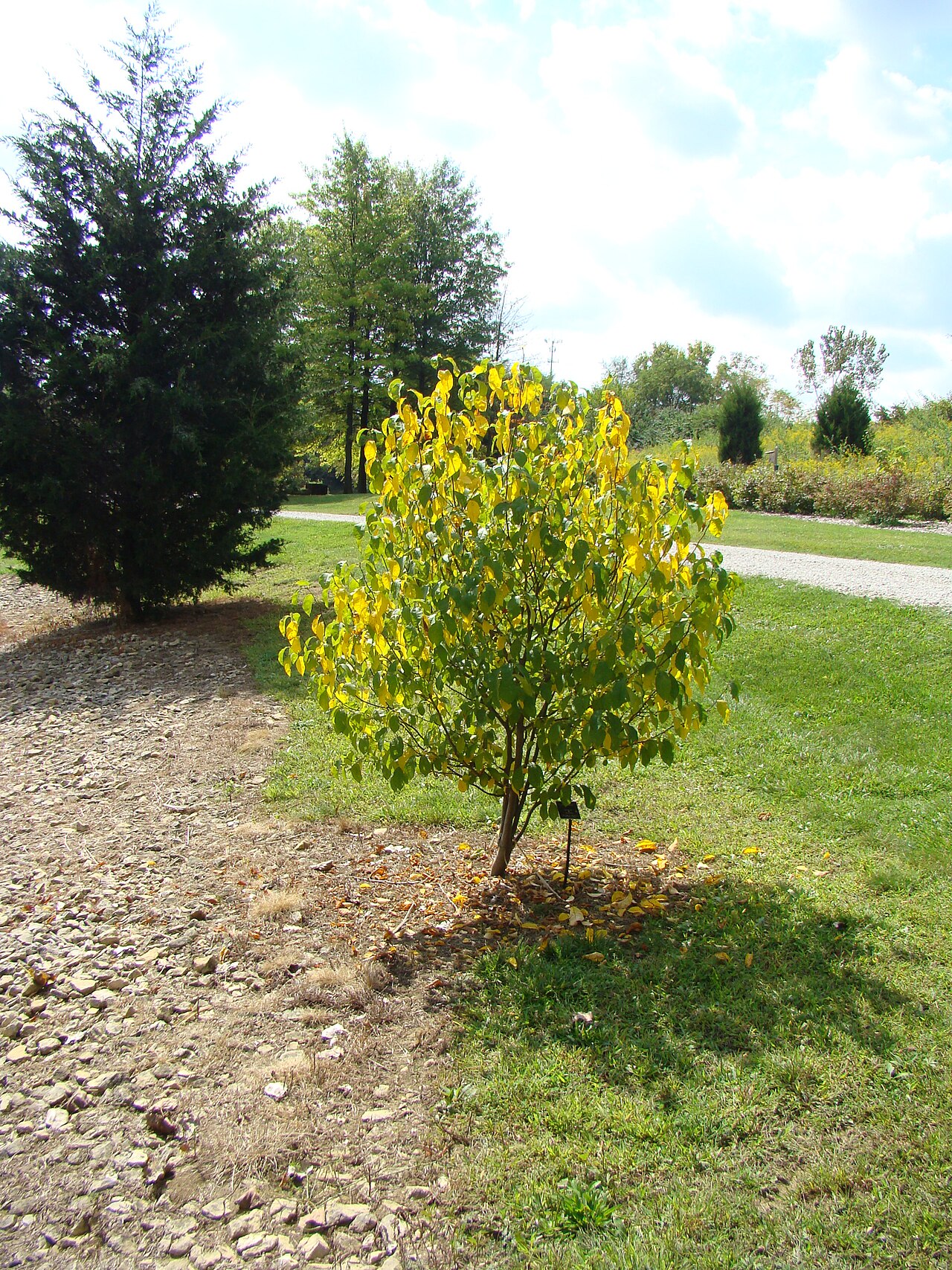
A young spicebush in an open, sunny lawn with yellowing scattered through the canopy, Chadwick Arboretum, Ohio. Where the yellow shows up tells you where
View More