A Native Garden for a Rented Home: Portable Plantings and Reversible Changes
Last updated: November 6, 2026
Renting does not have to mean waiting for your own yard before you plant natives. It does mean planning differently: every choice should either move with you or be easy to undo.
The good news is that many sunny native perennials are tough, compact and quick to bloom. In large containers and existing beds, they can bring bees and butterflies to a rental within a single season.
This guide sorts native planting ideas by how reversible they are, from fully portable pots to changes that need a landlord’s written approval. The plants named are mostly natives of the eastern and central U.S.; confirm each one for your state before buying.
Plan at a Glance
| Site | A rented house, townhouse or ground-floor unit with a patio, steps or existing beds |
| Size | Three to eight large containers, plus one existing bed if the landlord agrees |
| Sun | At least six hours of direct sun for the core plants |
| Soil | Potting mix in containers; existing bed soil left as you found it |
| Maintenance | Moderate: container watering, deadheading or seedhead control, moving-day prep |
| Best regions | Eastern and central U.S. for the plants named; the approach works anywhere |
Start With the Lease, Not the Plant List
Before you buy anything, read the yard section of your lease. Many leases say who maintains the lawn and beds and whether tenants may make changes. If it is silent, ask.
Put any agreement in writing, even a short email. Note what you may plant, where, and whether the plants stay or go when you leave. That one message prevents most deposit disputes.
Then take dated photos of the yard as it is now: lawn, beds, edging and any existing shrubs. If you return the yard to that condition at move-out, you have proof.
Check local rules too
University of Minnesota Extension advises checking local weed ordinances before developing a prairie planting. A few pots on a patio rarely raise questions, but replacing lawn might, and that responsibility can fall on the owner.
Assess the Site You Can Use
- Sun: count hours of direct midsummer sun on the patio, steps and beds. Most of the plants below want six or more.
- Water access: containers need frequent summer watering. Check that you can reach them with a hose or a short walk with a can.
- Existing beds: look for beds currently holding annuals, bare mulch or tired shrubs. These are the easiest places to ask about.
- Surfaces: do not let pots stain decks or block drains, and keep saucers or pot feet under containers on wood.
Three Levels of Commitment
Sort every idea into one of three levels. Do as much as you can at level one, ask before level two, and leave level three to an owner who wants it.
Level 1: Fully portable
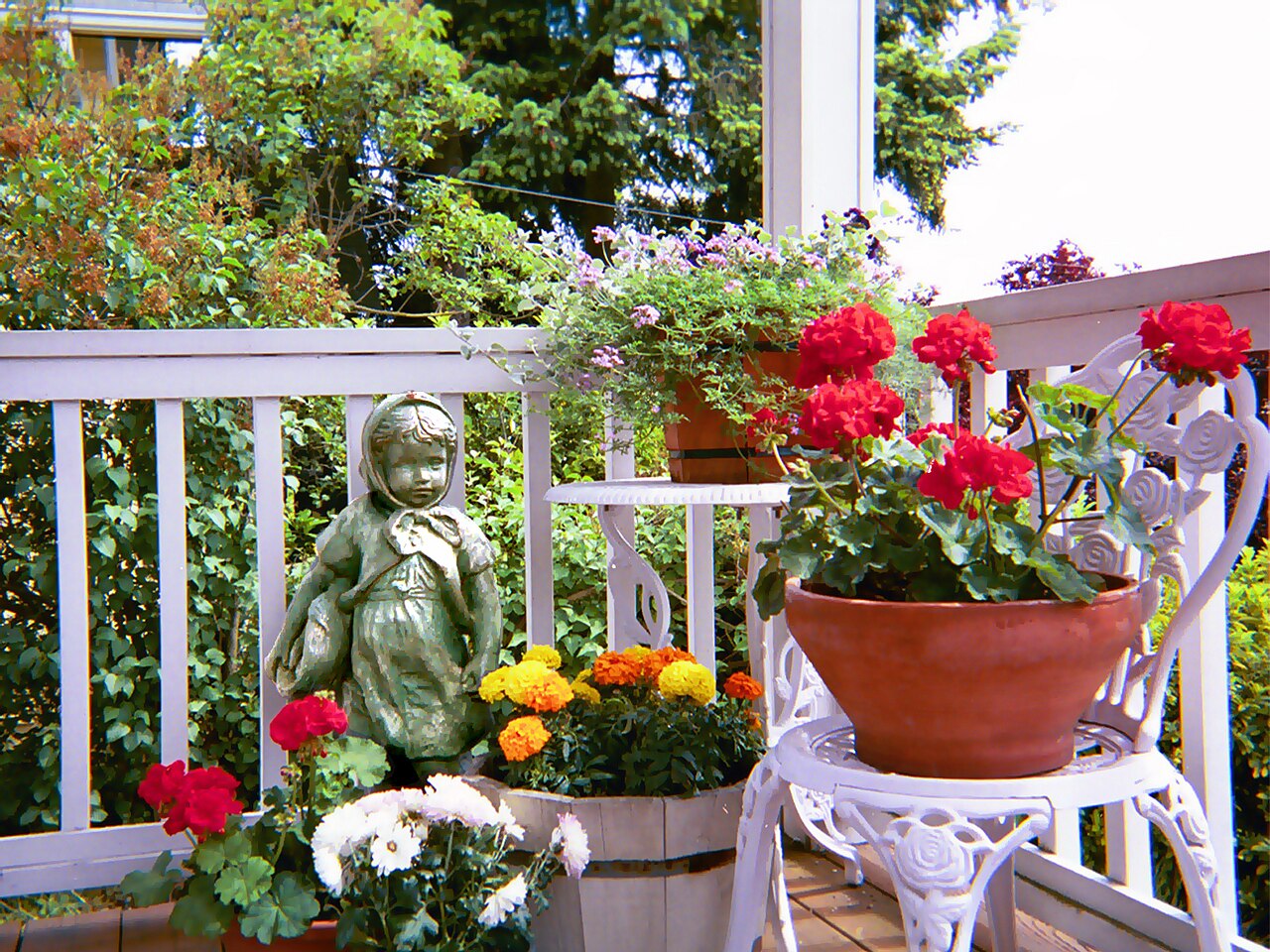
Large containers, planter boxes and fabric grow bags go with you. Group them where you sit or near the entrance, so they read as a deliberate garden rather than scattered pots.
Containers have their own rules for root space and winter. Our guide to native plants in large patio containers covers pot size, the two-zone hardiness rule and overwintering.
Level 2: Reversible, with permission
Planting natives into an existing bed, in place of annuals or bare mulch, is easy to undo. You can dig the plants and take them, or leave them if the owner wants them.
Keep the bed’s outline, edging and mulch style unchanged. A bed that looks the same shape and as tidy as before is far less likely to bother a landlord.
Level 3: Leave it for the owner
Removing lawn, cutting new beds, planting trees and shrubs, and installing paths or rain gardens are lasting changes. Unless the owner asks for them in writing, skip them. If you do want to suggest them, a written plan with plant names and mature sizes helps.
Design for a Small, Tidy Display
A rental garden often has an audience: neighbors, the owner and the next tenant. Cornell Cooperative Extension’s article on “cues to care” notes that naturalistic gardens can be seen as messy, and that visible signs of care, such as crisp edges and mowed borders, show a planting is intentional.
- Repeat a few plants. Three pots of one coneflower read as a design; seven different plants in seven pots read as a nursery shelf.
- Match the containers. Pots in one color or material tie a group together.
- Keep edges clean. Trim the lawn neatly around beds and keep mulch off paths.
- Use a small sign. A pollinator-garden sign is a simple way to show the planting is on purpose.
Plant Palette
Heights and widths are from N.C. State Extension’s plant toolbox; light, moisture and native range from the Lady Bird Johnson Wildflower Center. Confirm each plant is native to your state.
| Plant | Role in a rental | Height × width | Sun / moisture | Native range |
|---|---|---|---|---|
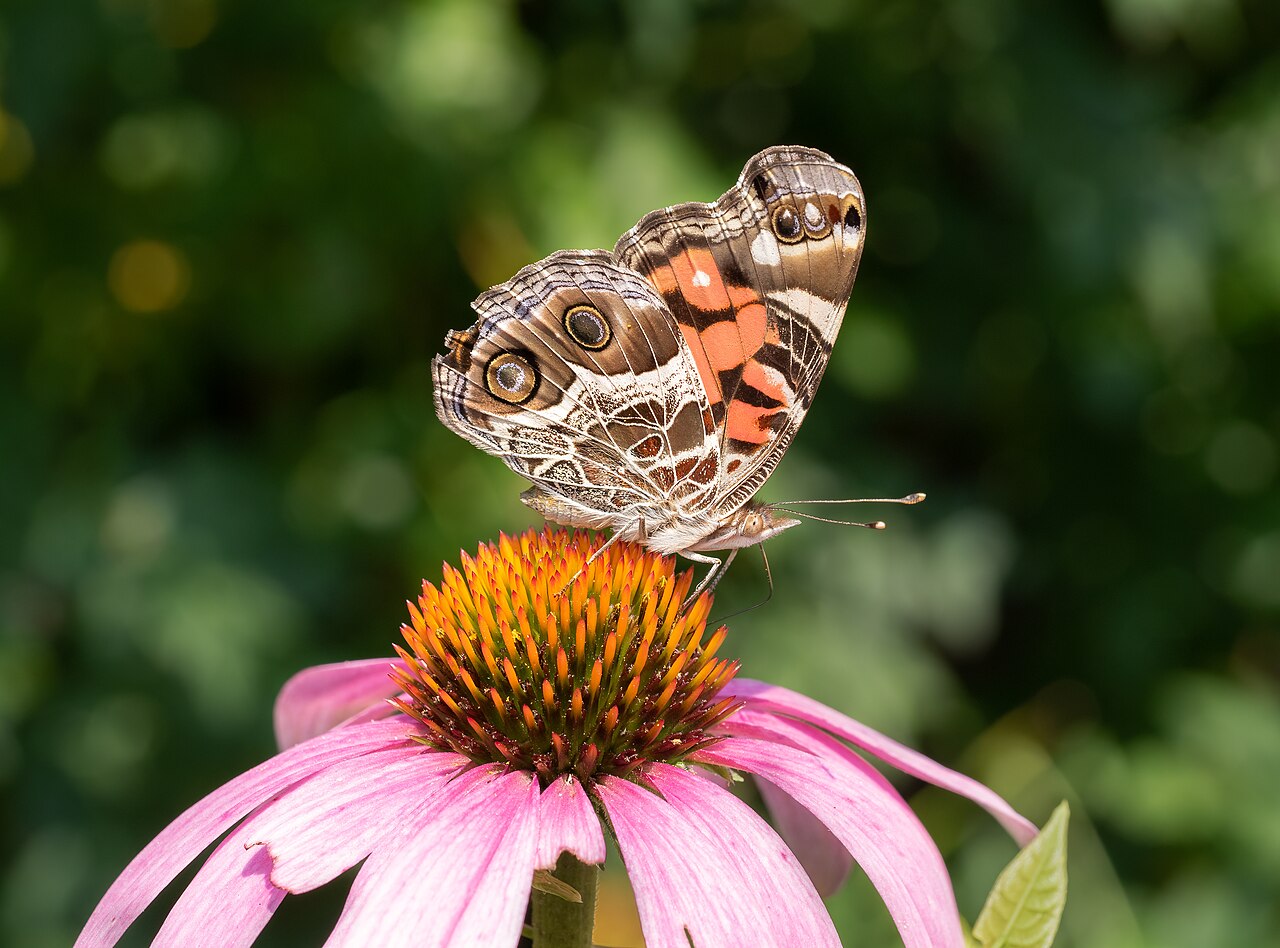
| Purple coneflower (Echinacea purpurea) | Summer anchor, pot or bed | 3–4 ft × 1–2 ft | Sun–part shade; dry | GA to extreme n.e. TX, n. to NC, OH, IL & IA |
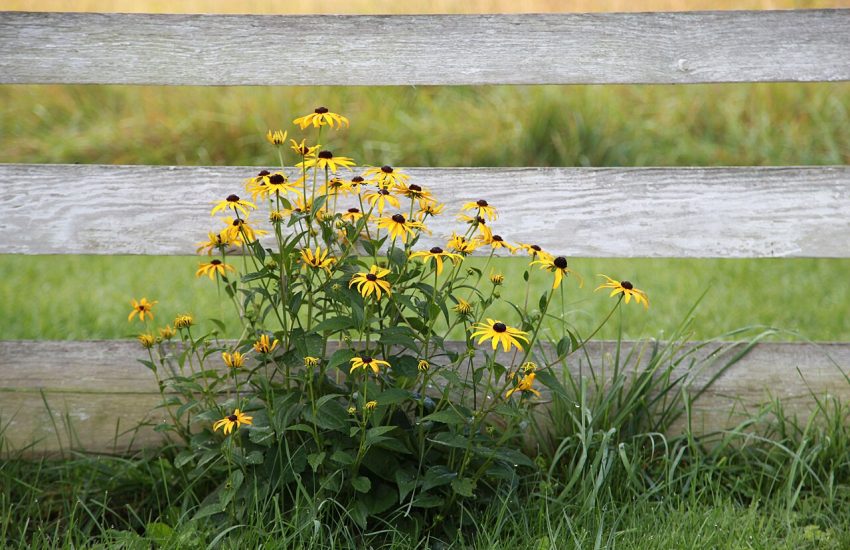
| Black-eyed Susan (Rudbeckia hirta) | Fast first-year color | 2–4 ft × 1–2 ft | Sun; dry to moist | W. MA to Man. & WY, s. to FL & NM |
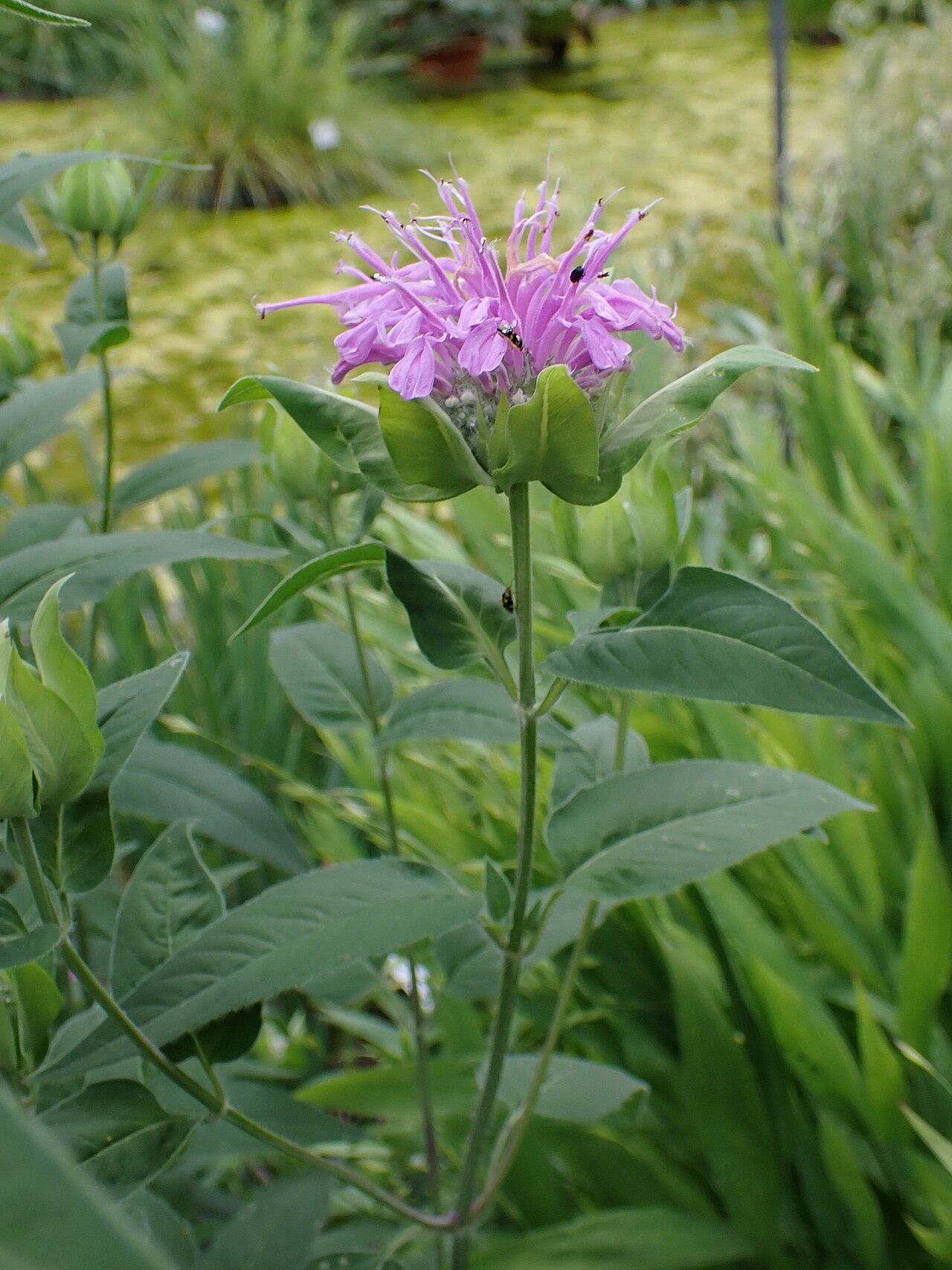
| Wild bergamot (Monarda fistulosa) | Midsummer bloom, larger pot or bed | 2–4 ft × 2–3 ft | Sun–part shade; dry to moist | Most of s. Canada and the U.S. east of the Rockies |
| Aromatic aster (Symphyotrichum oblongifolium) | Fall bloom | 1–3 ft × 1–3 ft | Sun–part shade; dry to moist | PA to NC, w. to WY & TX |
| Little bluestem (Schizachyrium scoparium) | Grass for structure | 2–4 ft × 1.5–3 ft | Sun–part shade; dry | Much of the U.S. east of the Rockies |
Regional alternates
Purple coneflower’s native range, per the Wildflower Center, centers on the Southeast and lower Midwest. If you are outside it, black-eyed Susan and wild bergamot cover far more of the country. In the West, use your state’s native plant society list and apply the same portable approach.
Plants to Skip or Contain in a Rental
Some fine native plants are a poor fit for a garden you may leave in a year or two.
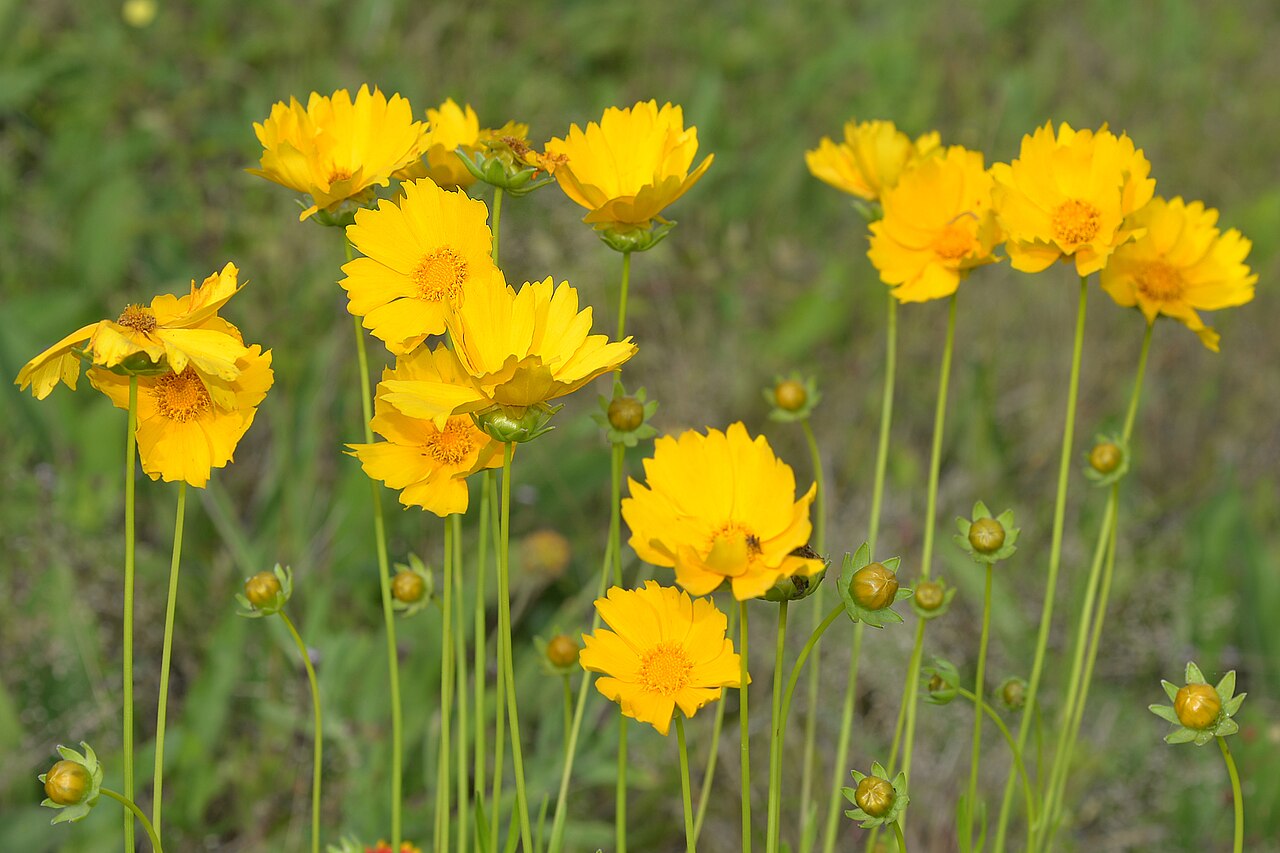
- Prolific self-seeders. The Wildflower Center says lanceleaf coreopsis self-sows readily and can become weedy, and that it has naturalized in the Northeast. Seedlings in the lawn or paving cracks are exactly what a landlord notices.
- Plants that resent moving. Clemson Extension lists butterfly weed among perennials that should not be divided if possible, and N.C. State notes its deep taproot makes it hard to transplant. You will probably have to leave it behind.
- Trees and large shrubs. They are long-term commitments for the owner, not you.
Manage seedheads instead of avoiding them
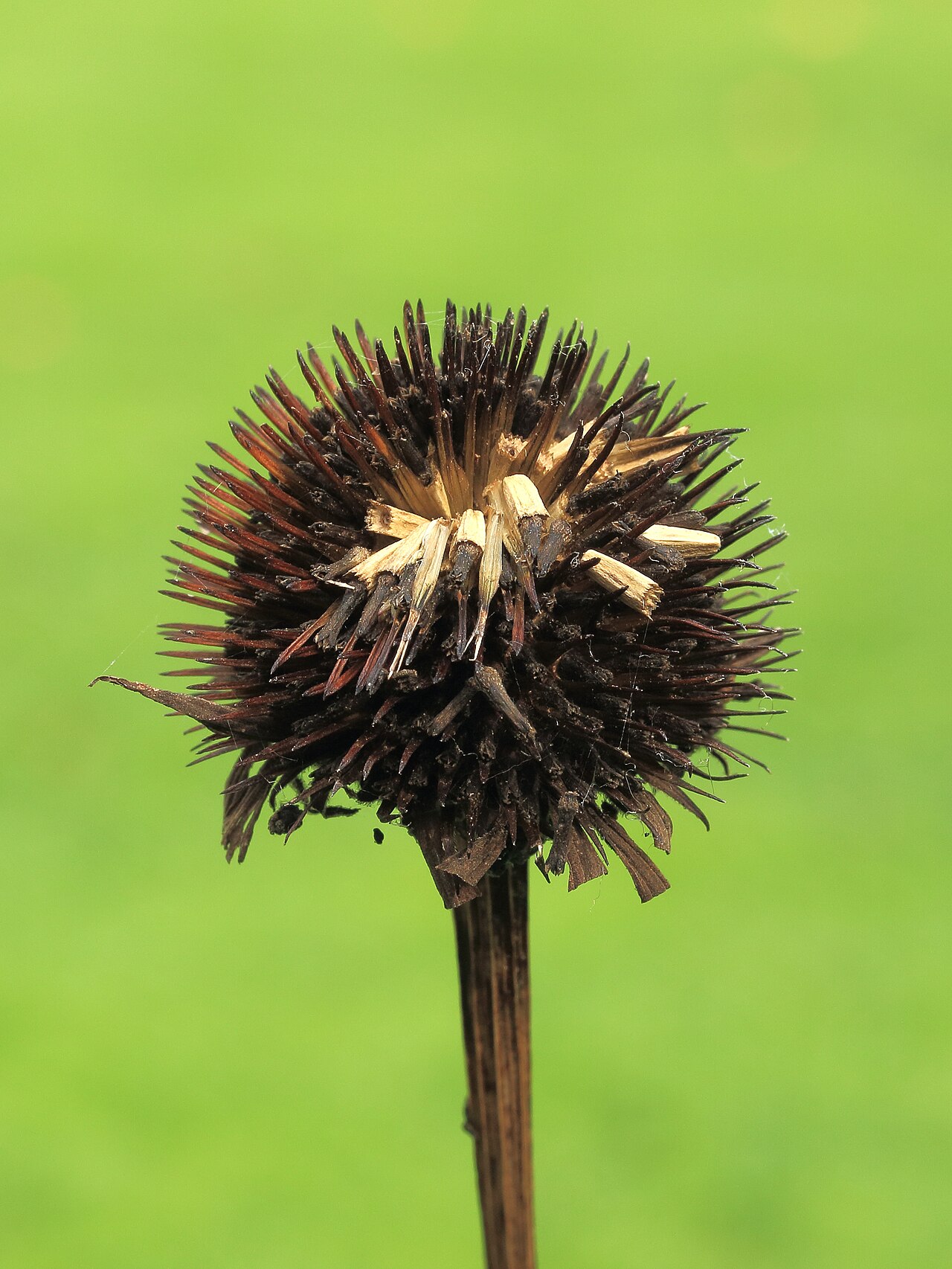
University of Minnesota Extension notes that coneflowers may reseed and produce young plants that bloom in their second year. In a rental bed, cut most seedheads after flowering and leave a few on container plants for birds, where seedlings are easy to pull.
Setup Steps
- Get permission in writing for anything beyond containers, and photograph the yard first.
- Choose large, light containers. Fabric grow bags and plastic or fiberglass pots are easier to move than clay or concrete.
- Fill with potting mix, not soil dug from the yard, which also leaves the yard undisturbed.
- Plant in repeated groups of the same species, at the depth they grew in the nursery pot, and water thoroughly.
- For a borrowed bed, remove annuals or bare mulch only where you plant, and keep the existing edging and mulch.
- Keep a plant list with where each plant is, so you know what to dig at move-out.
The First Three Years
- Year 1: Water containers often in summer. Deadhead or cut seedheads in borrowed beds. Before winter, move pots to a sheltered spot or group and mulch them.
- Year 2: Cut back dead stems in late winter. Replace short-lived black-eyed Susans as they fade. If the lease is renewing, ask whether you can add another bed.
- Year 3: Divide crowded plants. University of Minnesota Extension says dividing fall bloomers in spring and spring and summer bloomers in fall works for many perennials. Divisions make good gifts or starts for your next home.
Moving Day: Take Your Garden With You
Plan the move with the season in mind. University of Minnesota Extension and Clemson Extension both advise allowing four to six weeks before the ground freezes when dividing in fall, so roots can establish.
- Pots: water the day before so the root balls hold together, then move them as they are.
- Bed plants: Minnesota Extension suggests watering the soil a day ahead if it is dry and keeping divisions shaded and moist until replanted. Pot them up if the new garden is not ready.
- Restore the bed: fill holes, rake level, replace mulch and compare against your move-in photos.
- Or leave a gift: if the owner wants the plants, leave a short list of what they are and how to care for them.
Mistakes to Avoid
- Relying on a verbal OK. Owners and property managers change; written permission does not.
- Digging up lawn without approval. It is the change most likely to cost you your deposit.
- Planting self-seeders in a shared yard. Seedlings in the lawn create work for whoever mows.
- Buying many small pots. A few large containers are easier to water, look better and overwinter better.
- Waiting until the last week. Moving perennials in midsummer heat or frozen ground is hard on them.
If your landlord does approve a small bed, our plan for a 6-by-10-foot native front-yard bed shows how to size plants for it. And if your coneflowers start to shrink, see why purple coneflower returns smaller each year.
📋 Find plants for your region: start with the profiles linked above, then see our native plant lists for Kentucky & Tennessee, Illinois, Iowa & Missouri and Arkansas, Louisiana, Eastern Oklahoma & Eastern Texas, or the list for your own state.
Frequently Asked Questions
Do I need permission to plant flowers at a rental?
For containers on your own patio, usually not, but check the lease. For anything planted in the ground, ask the landlord and get the answer in writing.
What native plants are easiest to take when I move?
Anything in a container. For bed plants, clump-forming perennials such as purple coneflower and asters are easier to dig and divide than taprooted plants like butterfly weed.
Can I grow natives in grow bags?
Yes. Fabric bags are light and easy to move. Choose a large size for perennials, since bigger volumes dry out more slowly.
Will native plants look messy to my landlord?
They need not. Repeat a few species, keep edges crisp, and cut back spent stems in visible spots, following the “cues to care” idea.
When is the best time to move native perennials?
Spring or early fall. Allow four to six weeks before the ground freezes for fall moves, per Minnesota and Clemson Extension.
Sources
- University of Minnesota Extension, How and when to divide perennials: signs of crowding, spring vs. fall timing, four to six weeks before freeze, keeping divisions moist and shaded, Echinacea reseeding; and Planting and maintaining a prairie garden: local weed ordinances.
- Clemson Cooperative Extension HGIC, Dividing Perennials: plants that resent division, fall timing.
- Cornell Cooperative Extension Putnam County, “Cues to Care”: edges and visible signs of care.
- N.C. State Extension Gardener Plant Toolbox, purple coneflower, black-eyed Susan, wild bergamot, aromatic aster, little bluestem, butterfly weed: sizes and growth notes.
- Lady Bird Johnson Wildflower Center plant database, purple coneflower, black-eyed Susan, wild bergamot, aromatic aster, little bluestem, lanceleaf coreopsis: native range, light and moisture, self-sowing.