
Native Blanketflowers (Gaillardia)
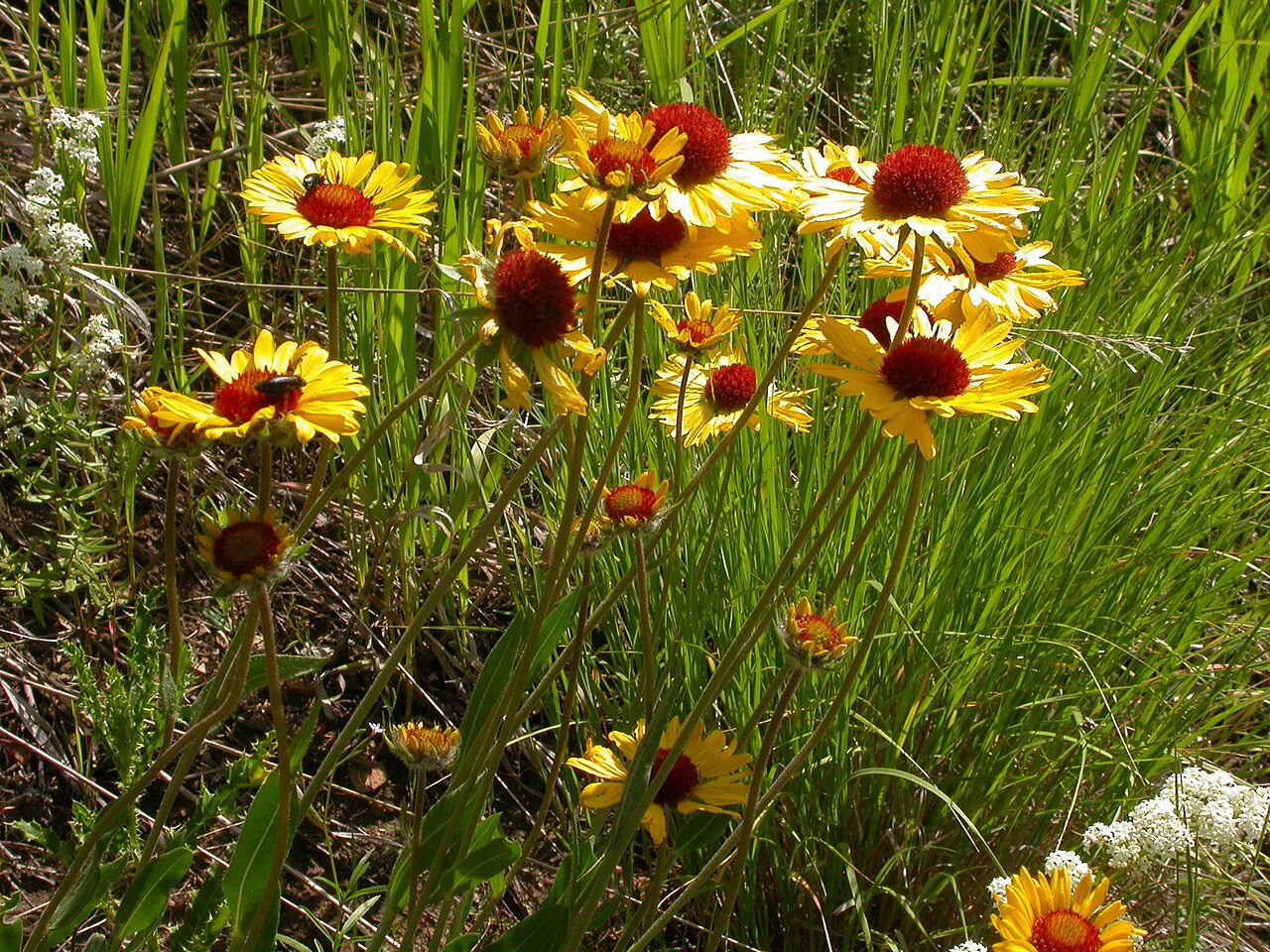
Blanketflowers are the bright, sun-loving daisies of the genus Gaillardia in the aster family (Asteraceae). Their flower heads have toothed rays in warm reds, oranges and yellows around a domed, red-brown center, colors that reminded early settlers of woven blankets. About 15 species are native to the United States, nearly all in the West, the Great Plains, Texas and the southern coastal plain. They are among the toughest wildflowers for hot, dry, sandy sites.
Two species dominate gardens and wildflower seed mixes. common blanketflower (G. aristata) is a perennial of the northern Plains, the Rocky Mountains and the Intermountain West, including much of Colorado. Indian blanket (G. pulchella) is an annual or short-lived perennial of the southern Plains, Texas and the Gulf and Atlantic coasts, where it carpets roadsides in red and yellow. Their garden hybrid, Gaillardia × grandiflora, is the blanketflower most often sold in nurseries.
If you came here from our Colorado article, there is no species called “sand dune gaillardia.” The description there blends two Colorado natives: the perennial common blanketflower of foothills and mountain meadows, and Indian blanket, which grows as an annual on sandy soils of the eastern plains. Southwestern Colorado also has red dome blanketflower, and a few western valleys have the rare western blanketflower. This guide shows how to tell them apart and how to grow each one.
Identification
Blanketflowers are easy to recognize as a group by their flower heads, though a few species need a closer look at the leaves and seed heads.
Flower Heads
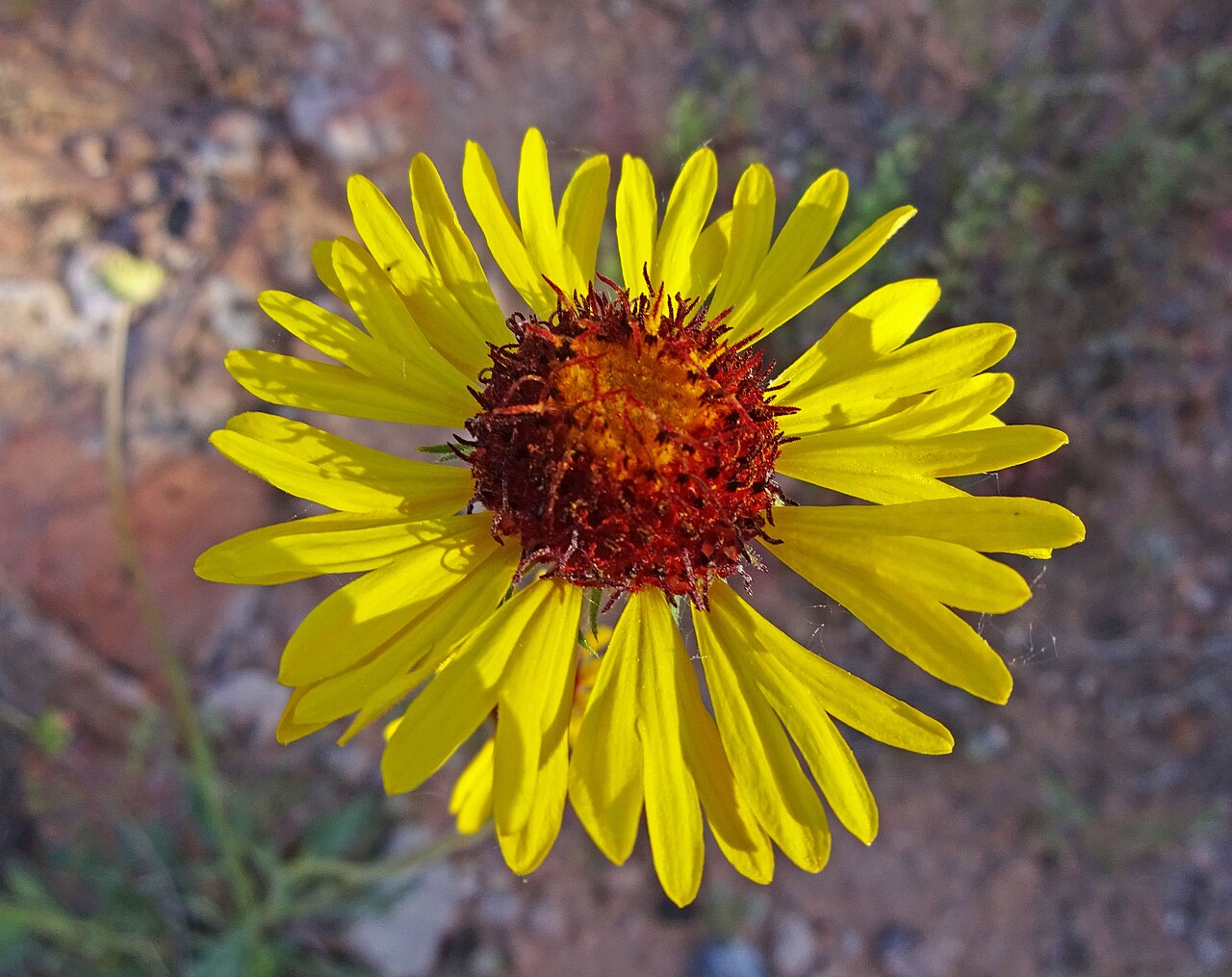
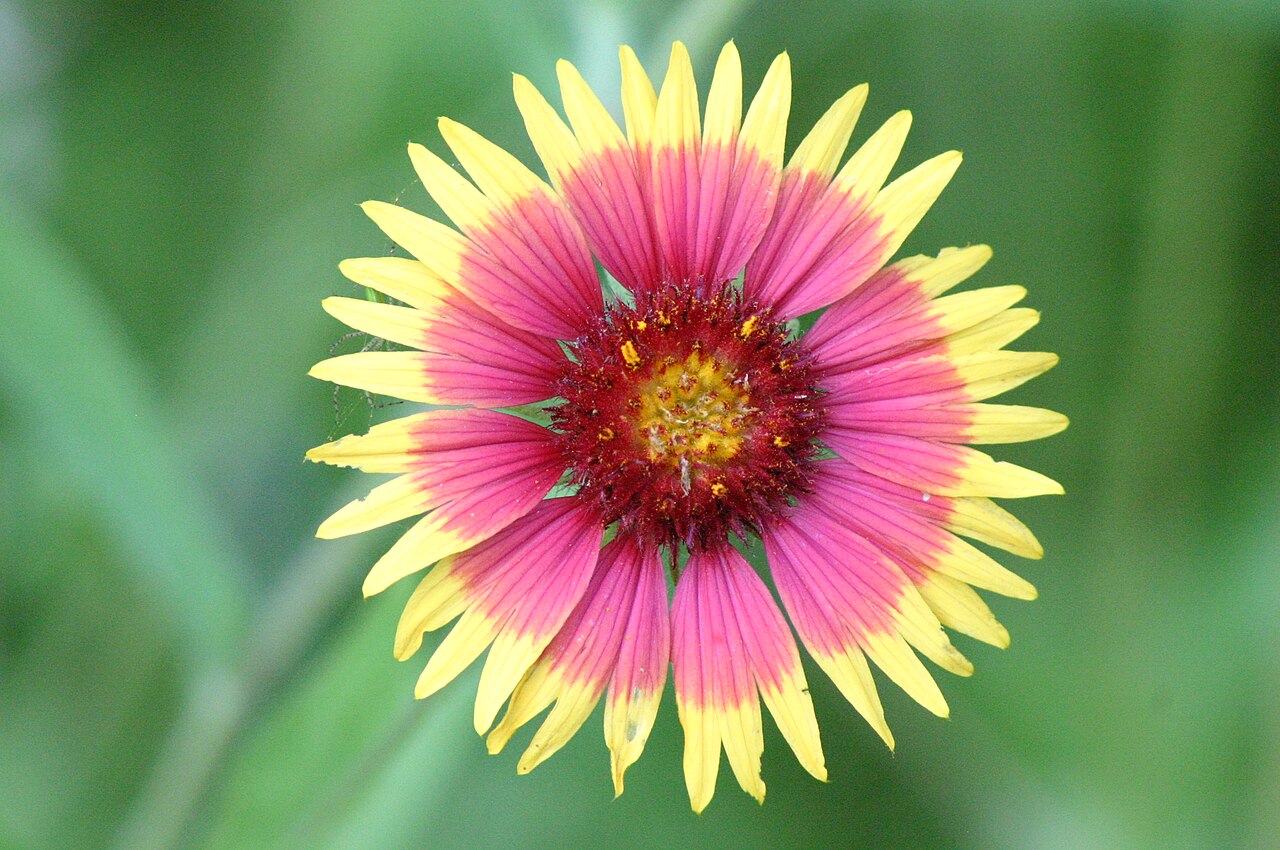
Each “flower” is a head of many small florets. The outer ray florets are wedge-shaped and end in three teeth or lobes, a key feature of the genus. Rays may be all yellow, red with yellow tips, or red at the base and yellow at the ends; a few species, such as perfumeballs and some lanceleaf blanketflowers, have short rays or none at all. The central disk is domed or ball-shaped, usually red-purple to brown, and in many species the disk florets are mixed with stiff bristles. Heads are 1 1/2 to 3 inches across in common blanketflower and Indian blanket.
Leaves
Leaves are alternate, often gray-green and covered with short, rough hairs. They may be entire, toothed or deeply lobed: red dome blanketflower has pinnately lobed leaves crowded near the base, while common blanketflower has lance-shaped leaves that are toothed or shallowly lobed. Lanceleaf blanketflower has narrow, mostly untoothed leaves.
Growth Form
Plants range from small tufted perennials under a foot tall (red dome, Parry’s) to branching plants 1 to 2 1/2 feet tall (common blanketflower, Indian blanket). Common blanketflower is a perennial with a woody root; Indian blanket is usually an annual that sprawls and branches from the base. Flower heads are held singly at the ends of long stalks.
Seed Heads
After the rays fall, the disk becomes a round, bristly ball. Each seed (achene) is topped with a crown of papery, pointed scales, and in common blanketflower the seeds are covered with long hairs. The spiky seed heads are distinctive and attract goldfinches.
Quick Facts
| Scientific Name | Gaillardia (genus) |
| Family | Asteraceae (Aster) |
| U.S. Native Species | About 15 |
| Plant Type | Annuals and short-lived herbaceous perennials |
| Mature Height | 6 in – 2 1/2 ft |
| Mature Spread | 1–2 ft |
| Growth Rate | Fast |
| Sun Exposure | Full Sun |
| Water Needs | Low; drought tolerant |
| Soil Type | Sandy, gravelly or loamy, well-drained; dislikes wet clay |
| Soil pH | Slightly acidic to alkaline (about 6.0–8.5) |
| Bloom Time | Late spring – fall, depending on species |
| Flower Color | Red, orange, yellow, maroon; rays often bicolored |
| Fall Color | None |
| Fruit | Achenes in a round, bristly seed head |
| Deer Resistant | Yes, generally (hairy, bitter foliage) |
| USDA Hardiness Zones | 3–10 (common blanketflower 3–8; Indian blanket grown as an annual anywhere) |
Native Range
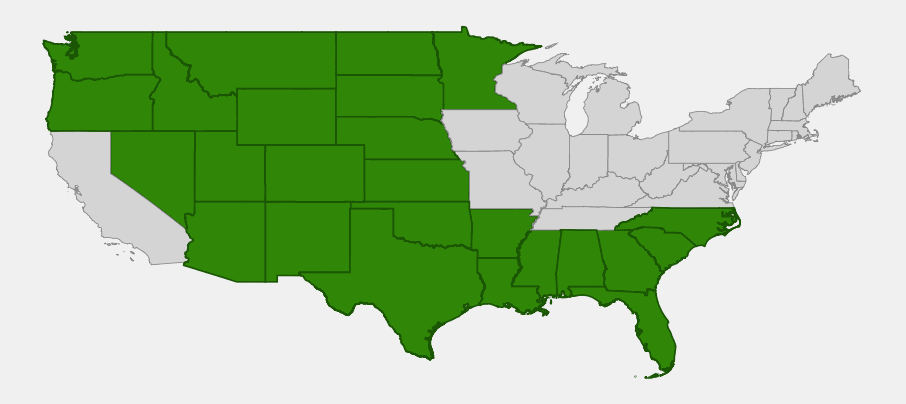
Native blanketflowers grow wild in 25 states in two broad regions. In the West and northern Plains, common blanketflower ranges from eastern Washington and Oregon across Idaho, Montana, Wyoming and the Dakotas to northwestern Minnesota, and south through the Rockies into Colorado, Utah and northern New Mexico. In the Southwest, red dome blanketflower, Arizona blanketflower and several smaller species grow in deserts, canyon country and dry plains of Arizona, Nevada, Utah, Colorado, New Mexico and Texas.
Indian blanket is native across the southern and central Plains from Nebraska and Colorado to Texas, New Mexico and Arizona, and along sandy coastal plains of the Gulf and southern Atlantic coasts from Louisiana to Florida and the Carolinas. Lanceleaf blanketflower grows in sandhills and open pinelands from Texas and Oklahoma east to Florida and the Carolinas. Texas has more species than any other state, including the endemic maroon blanketflower.
Because both common blanketflower and Indian blanket are in nearly every wildflower seed mix, they now grow along roads and in old fields throughout the East, the Midwest and California. Those plants are introduced, not native, so those states are left off the map.
📋 Regional plant lists covering native blanketflower country: Utah & Western Colorado · Nebraska, Kansas & Eastern Colorado · Montana & Wyoming · Idaho & Eastern Oregon/Washington · Dakotas & Western Minnesota · Arizona & New Mexico · California & Nevada · South & West Texas · Arkansas, Louisiana, Eastern Oklahoma & East Texas · Georgia, Alabama & Mississippi · North & South Carolina
Native Species
These are the most widespread and most garden-worthy blanketflowers native to the United States. Every species with a full Plant Native profile is linked.
Common Blanketflower (Gaillardia aristata)
The perennial blanketflower of the northern Plains, Rocky Mountains and Intermountain West, 1–2 1/2 ft tall, with 2- to 3-inch heads of yellow rays (often red at the base) around a red-purple disk. It blooms from early summer into fall and is hardy to zone 3. In Colorado it grows from the plains into mountain meadows. Like most blanketflowers it is short-lived, often lasting only two to four years, but it reseeds.
Indian Blanket (Gaillardia pulchella)
Also called firewheel, an annual or short-lived perennial, 1–2 ft, with rose-red rays tipped in yellow, though yellow, red and bicolored forms occur. Native across the southern Plains, Texas, the Southwest and the southern coasts, where a sprawling coastal form grows on beach dunes. It is the state wildflower of Oklahoma and one of the classic Texas roadside wildflowers. On the sandy plains of eastern Colorado it grows as an annual.
Red Dome Blanketflower (Gaillardia pinnatifida)
Also called Hopi blanketflower, a low perennial, under 1 ft, of the Colorado Plateau, southern Rockies and desert grasslands of Utah, Colorado, Arizona, New Mexico, Texas and Oklahoma. Yellow rays surround a high, red-brown dome, and the leaves are deeply lobed. Excellent for rock gardens and xeriscapes in the Southwest.
Lanceleaf Blanketflower (Gaillardia aestivalis)
A wiry, branching plant, 1–2 ft, of sandhills, pinelands and sandy prairies from Texas and Kansas east to Florida and the Carolinas. Heads have yellow rays, purplish rays or none, around a purple-brown ball. Summer to fall bloom. A white-rayed variety (var. winkleri) grows only in a few southeast Texas counties and is rare.
Perfumeballs (Gaillardia suavis)
A spring-blooming perennial of Texas, Oklahoma and Kansas prairies and roadsides, 1–2 ft, with leaves in a basal rosette and leafless stalks topped by sweetly fragrant, usually rayless, red-brown flower balls. Unusual and charming in a prairie garden.
Maroon Blanketflower (Gaillardia amblyodon)
A Texas endemic annual, 1–2 ft, of sandy soils in central and east Texas, with solid maroon to brick-red rays. It blooms from spring into summer and is sometimes included in Texas wildflower seed mixes.
Arizona Blanketflower (Gaillardia arizonica)
A spring annual of the Mojave and Sonoran deserts in Arizona, southern Nevada and southwestern Utah, under 1 ft, with bright yellow rays. It appears in good wildflower years after winter rain.
Western Blanketflower (Gaillardia spathulata)
A small perennial with yellow rays, found on dry slopes and flats in eastern Utah and rarely in Mesa County, western Colorado. One of several narrowly distributed blanketflowers of the Colorado Plateau.
Non-Native Look-Alikes
Most blanketflowers sold at garden centers are garden hybrids, not wild species. They are not invasive, but it helps to know what you are buying.
Garden blanketflower (Gaillardia × grandiflora) is a hybrid between common blanketflower and Indian blanket, developed by gardeners in the 1800s. Although both parents are American natives, the hybrid does not occur in the wild. Popular cultivars include ‘Arizona Sun’, a compact plant with red rays tipped in yellow; ‘Goblin’ (also sold as ‘Kobold’), a dwarf red-and-yellow selection; ‘Arizona Red Shades’; ‘Burgundy’; and the Mesa series. These plants flower over a very long season and are good nectar sources, but they are often bred for compact size and long bloom rather than seed production and are frequently short-lived. Gardeners who want plants adapted to local conditions, and seed for birds, can choose straight species from regional seed sources.
Blanketflowers outside their native range: Indian blanket and common blanketflower are sown along highways and in “wildflower” seed mixes throughout the country and have become naturalized in the Northeast, the Midwest, California and other countries. They are not considered serious invaders in most of the U.S., but in natural areas outside their range it is better to plant local wildflowers instead.
Several other native red-and-yellow daisies are often confused with blanketflowers. Mexican hat (Ratibida columnifera) has drooping red-and-yellow rays around a tall, column-shaped disk. Plains coreopsis (Coreopsis tinctoria) has smaller heads with yellow rays and a maroon center and very fine, thread-like leaves. Sneezeweeds (Helenium) have three-lobed rays like blanketflowers but a round, yellow or brown disk and winged stems. All three are native and make good companions for blanketflowers.
Growing & Care Guide
Blanketflowers are among the easiest native wildflowers to grow, provided you give them sun, drainage and benign neglect. Rich soil and frequent watering shorten their lives.
Light
Plant blanketflowers in full sun, at least six to eight hours a day. In partial shade they become floppy and flower poorly.
Soil & Water
Choose sandy, gravelly or loamy soil that drains quickly. Blanketflowers thrive in poor soil and tolerate alkaline conditions, heat and drought; they often perform best in the leanest, hottest spot in the yard, such as along a driveway or in a gravel garden. Water new plants until they root in, then only during long dry spells. Avoid fertilizer and compost-rich beds: overly fertile, moist soil produces floppy plants and crown rot, the most common cause of death.
Planting Tips
Set out perennial blanketflowers in spring or early fall, 12 to 18 inches apart. Sow seed of Indian blanket and other annuals directly in fall in the South and Southwest, or in spring after frost in the North, pressing it lightly into bare soil; it needs light to germinate. In Colorado and the West, common blanketflower can also be sown in late fall for spring germination.
Pruning & Maintenance
Deadheading prolongs bloom, but leave some heads to ripen if you want plants to reseed and goldfinches to feed. Cutting perennial plants back by about half in late summer can rejuvenate them. Because common blanketflower and the hybrids are short-lived, let some seedlings grow each year to replace older plants. Few pests trouble blanketflowers; in wet years aster yellows disease (which deforms flowers into green, leafy tufts) can occur, and affected plants should be removed.
Propagation
All species grow readily from seed with no special treatment and often flower the first year. Perennial species can also be increased by division in spring or by root cuttings in late winter. Hybrid cultivars may not come true from seed.
Landscape Uses
- Xeriscapes and rock gardens in the West, with red dome and common blanketflower
- Meadows and prairie plantings with grasses, coneflowers and penstemons
- Coastal gardens on sandy soil, where Indian blanket tolerates salt spray
- Roadsides, hell strips and parking-lot islands that get no irrigation
- Pollinator gardens with a long bloom season
- Cut flowers that last well in a vase
Wildlife & Ecological Value
Blanketflowers are reliable, long-blooming nectar plants and support a few specialized insects.
For Pollinators
Native bees, including bumble bees, sweat bees, leafcutter bees and long-horned bees, visit blanketflowers heavily, as do butterflies such as skippers, sulphurs and checkerspots. In Colorado and neighboring states, the small, reddish gaillardia flower moth (Schinia masoni) depends on blanketflowers; its caterpillars eat the developing seeds, and the adult moth rests on the flower heads, where its colors blend in.
For Birds
American goldfinches, lesser goldfinches and sparrows pick seeds from ripe heads in late summer and fall. Leaving some seed heads standing feeds them into winter.
For Mammals
The hairy, slightly bitter foliage is seldom eaten by deer or rabbits, which makes blanketflowers useful in rural and foothill gardens. Livestock generally avoid them.
Ecosystem Role
As quick-growing annuals and short-lived perennials, blanketflowers are early colonizers of disturbed sandy ground, roadsides and burned areas, holding soil and feeding pollinators while slower perennials and grasses establish. On Gulf and Atlantic coasts, Indian blanket helps stabilize dunes.
Cultural & Historical Uses
The genus is named for Gaillard de Charentonneau, an eighteenth-century French magistrate and patron of botany. Common blanketflower was among the plants collected by Meriwether Lewis on the Lewis and Clark Expedition, and the botanist Frederick Pursh described the species from his specimen.
The common name “Indian blanket” refers to the resemblance between the flower’s bold red and yellow pattern and traditional woven blankets of the Southwest and Plains, and folk stories link the flower to a weaver who wished to be remembered for her work. The plant has been Oklahoma’s state wildflower since 1986.
Blanketflowers reached European gardens by the 1800s, and the hybrid garden blanketflower became a cottage-garden staple on both sides of the Atlantic. Today native species are mainstays of highway wildflower plantings, especially in Texas, where roadside seeding programs have made Indian blanket one of the state’s best-known wildflowers.
Frequently Asked Questions
What is sand dune gaillardia?
It is not a recognized species. In Colorado, the description usually fits common blanketflower (Gaillardia aristata), a perennial of foothills and mountain meadows, or Indian blanket (G. pulchella), which grows as an annual on sandy soils of the eastern plains. A coastal form of Indian blanket also grows on beach dunes along the Gulf and southern Atlantic coasts.
Are Arizona Sun and Goblin blanketflowers native?
They are cultivars of Gaillardia × grandiflora, a garden hybrid of two native species. They are not found in the wild and are not considered native plants, but they are not invasive and do feed pollinators.
Why does my blanketflower die after a couple of years?
Most blanketflowers are naturally short-lived. Rich, moist soil and winter wetness shorten their lives further. Grow them in lean, well-drained soil, avoid fertilizer, and let a few plants go to seed so seedlings replace older plants.
Should I deadhead blanketflower?
Deadheading extends bloom, but leave some heads in late summer so plants can reseed and goldfinches can feed on the seeds.
Are blanketflowers poisonous?
Blanketflowers are not known to be seriously toxic, and deer and livestock generally avoid them. Like many members of the aster family, the hairy leaves can irritate sensitive skin, so wear gloves if you react to daisies.

Looking for a nursery that carries native blanketflowers?
Browse our native plant nursery directory: Alabama, Arizona & Arkansas · Colorado, Florida & Georgia · Idaho & Kansas · Louisiana, Minnesota, Mississippi & Montana · Nebraska, Nevada, New Mexico, North Carolina, North Dakota & Oklahoma · Oregon · South Carolina, South Dakota, Texas & Utah · Washington · Wyoming

