
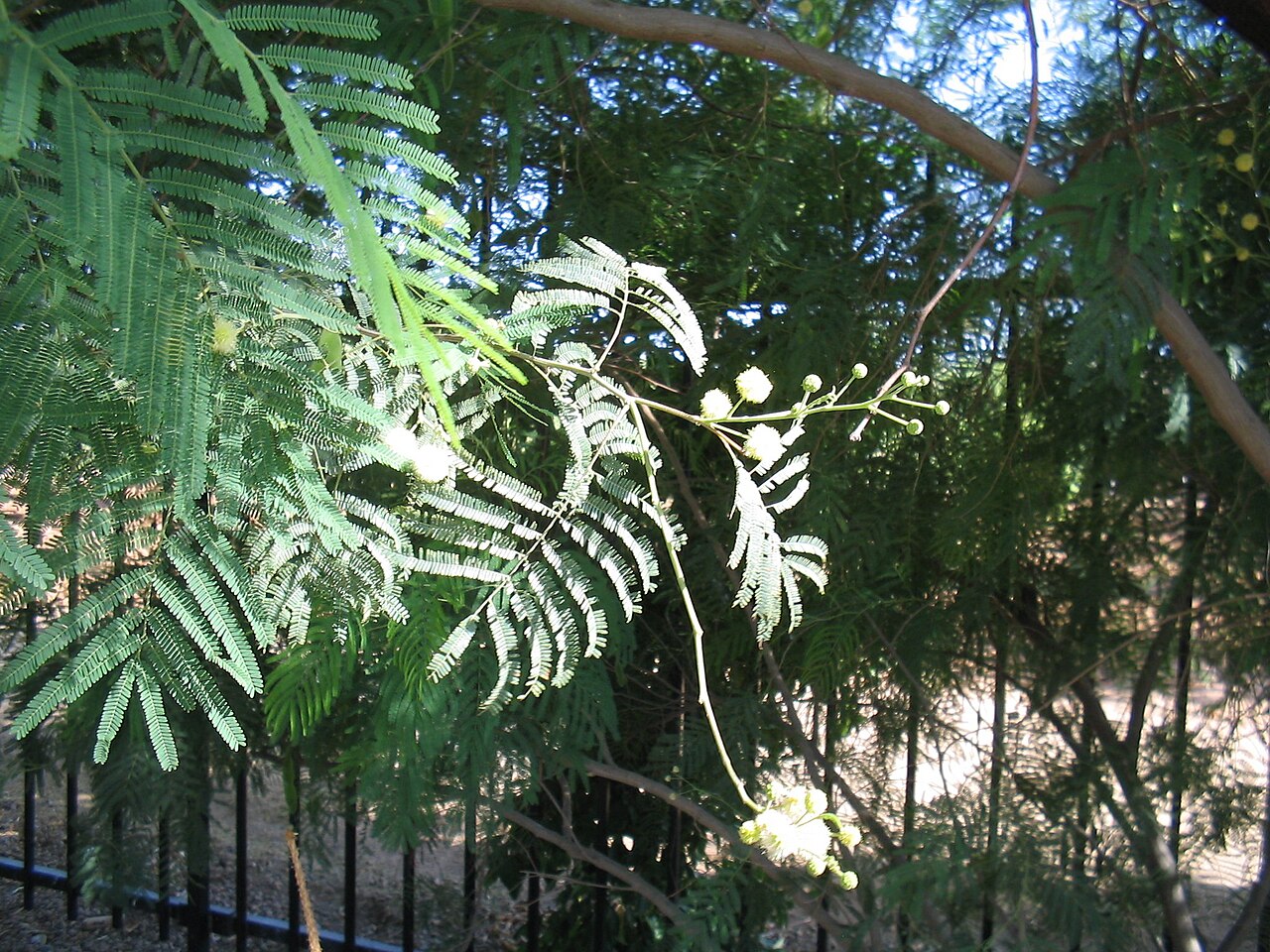
Guajillo’s lacy, fern-textured foliage and fragrant cream puffball flowers. Photo: Don Carlson, Wikimedia Commons (CC BY-SA 3.0) Senegalia berlandieri — long familiar to Texans as
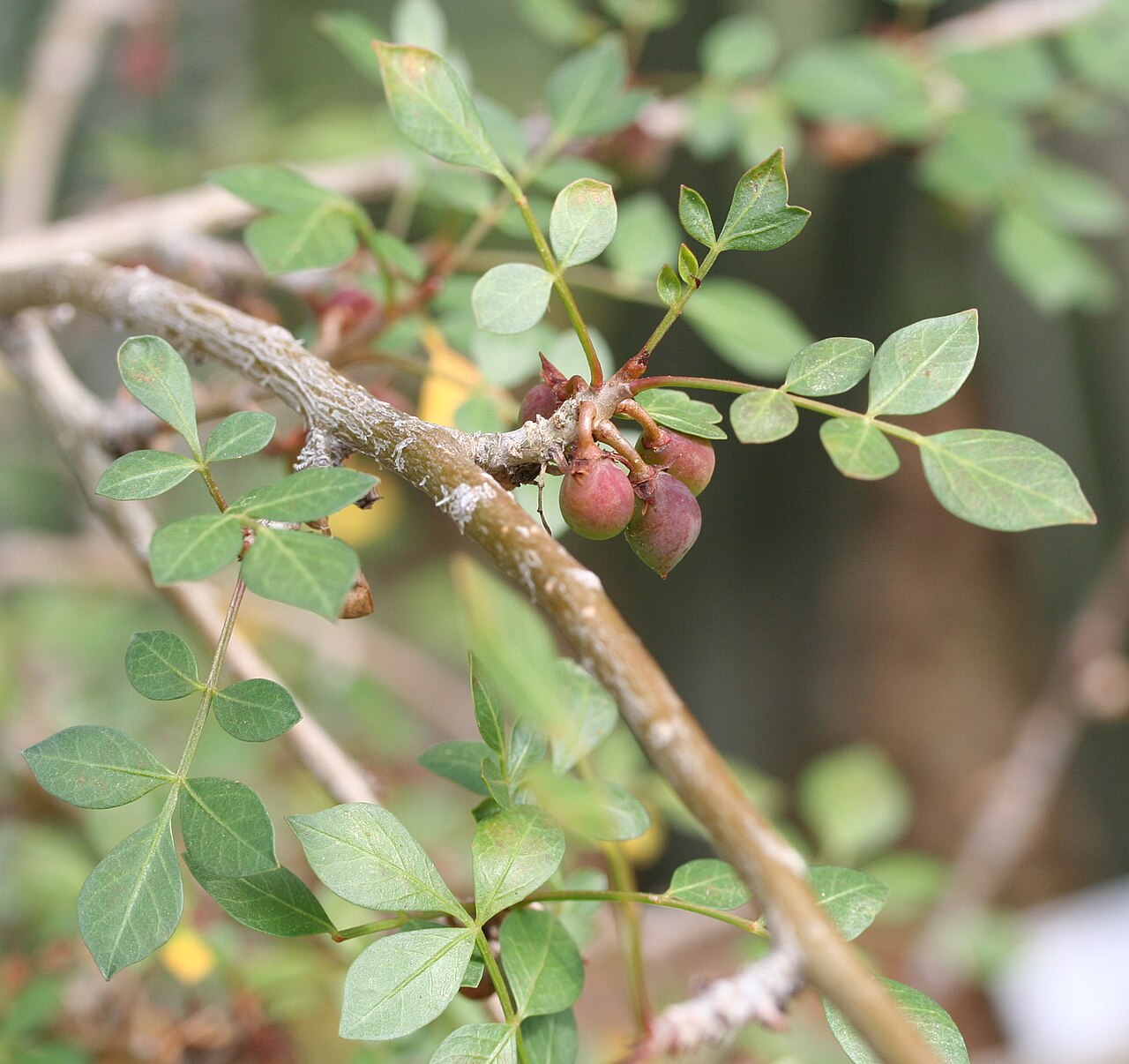
Fragrant bursera’s small compound leaves and reddish fruit capsules. Photo: Wikimedia Commons (CC BY-SA 3.0) Bursera fagaroides, known as Fragrant Bursera, torchwood copal, palo mulato,
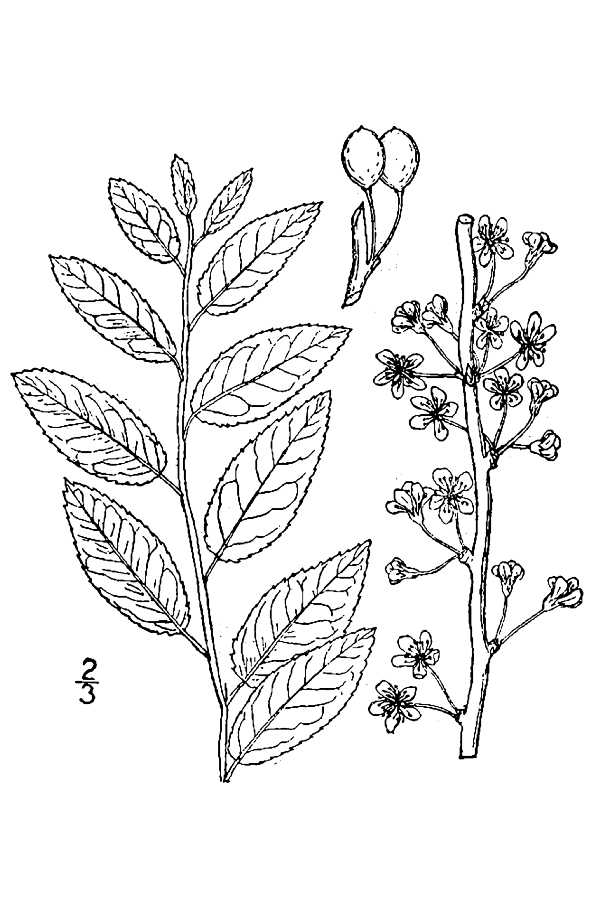
Oklahoma plum: toothed leaves, clustered white spring flowers and paired round fruit. Illustration from Britton & Brown, An Illustrated Flora of the Northern United States
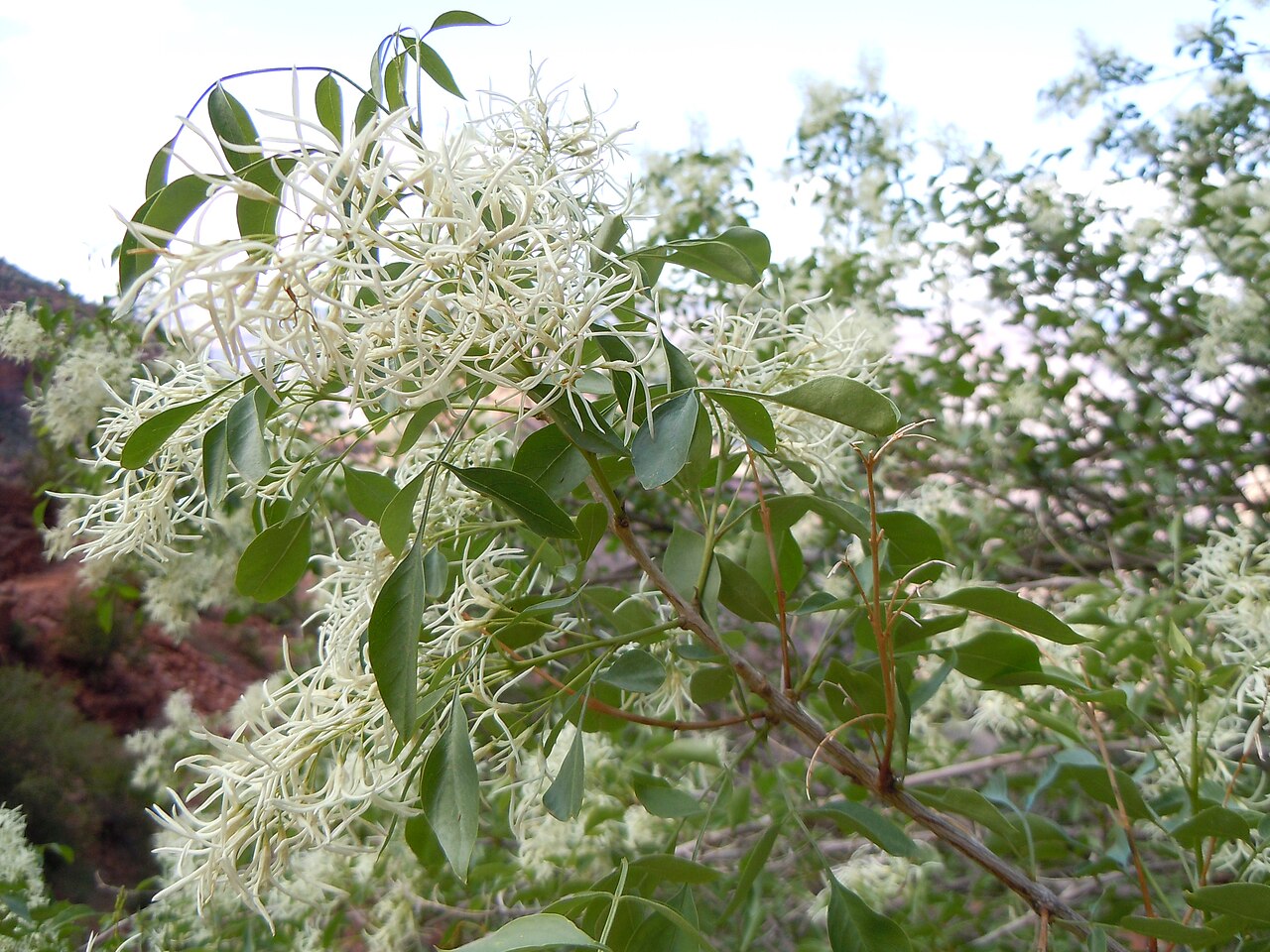
Fragrant ash in full bloom along a Grand Canyon trail, Arizona. Photo: Matt Lavin, Wikimedia Commons (CC BY-SA 2.0) Fraxinus cuspidata, the Fragrant Ash, is
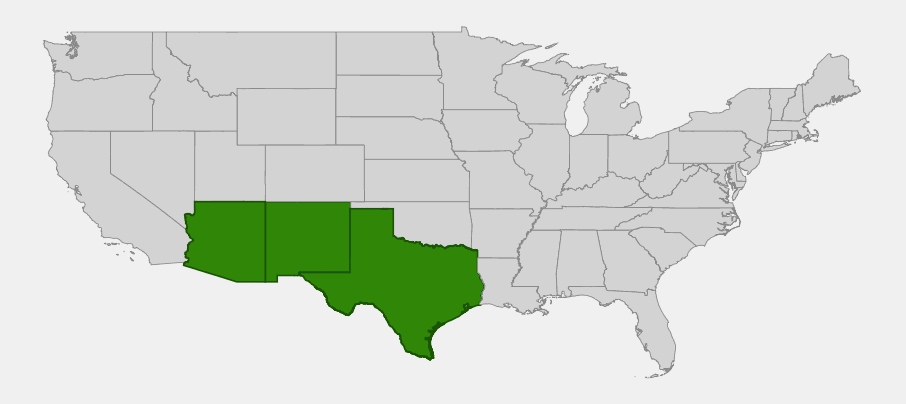
Juniperus coahuilensis, the Coahuila Juniper, is a shrubby, multi-trunked evergreen tree of the Chihuahuan and Sonoran desert borderlands, found in the United States only in
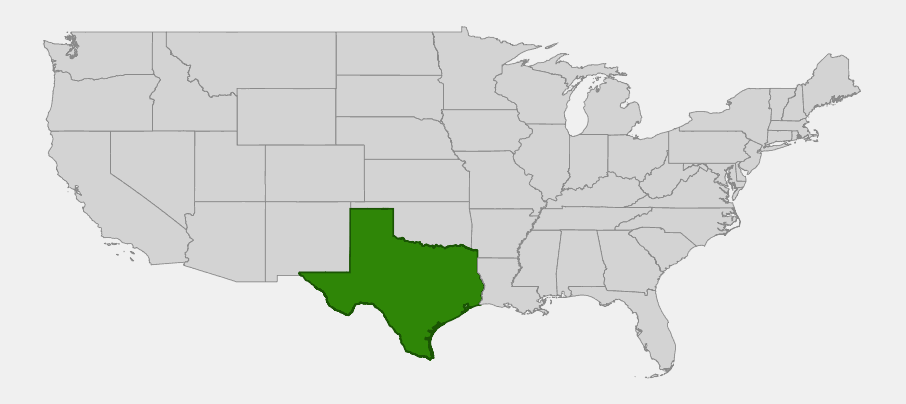
⚠️ An extremely rare, single-location tree. Robust Oak (Quercus robusta) is known only from the Chisos Mountains of Big Bend National Park, Texas. No photographs
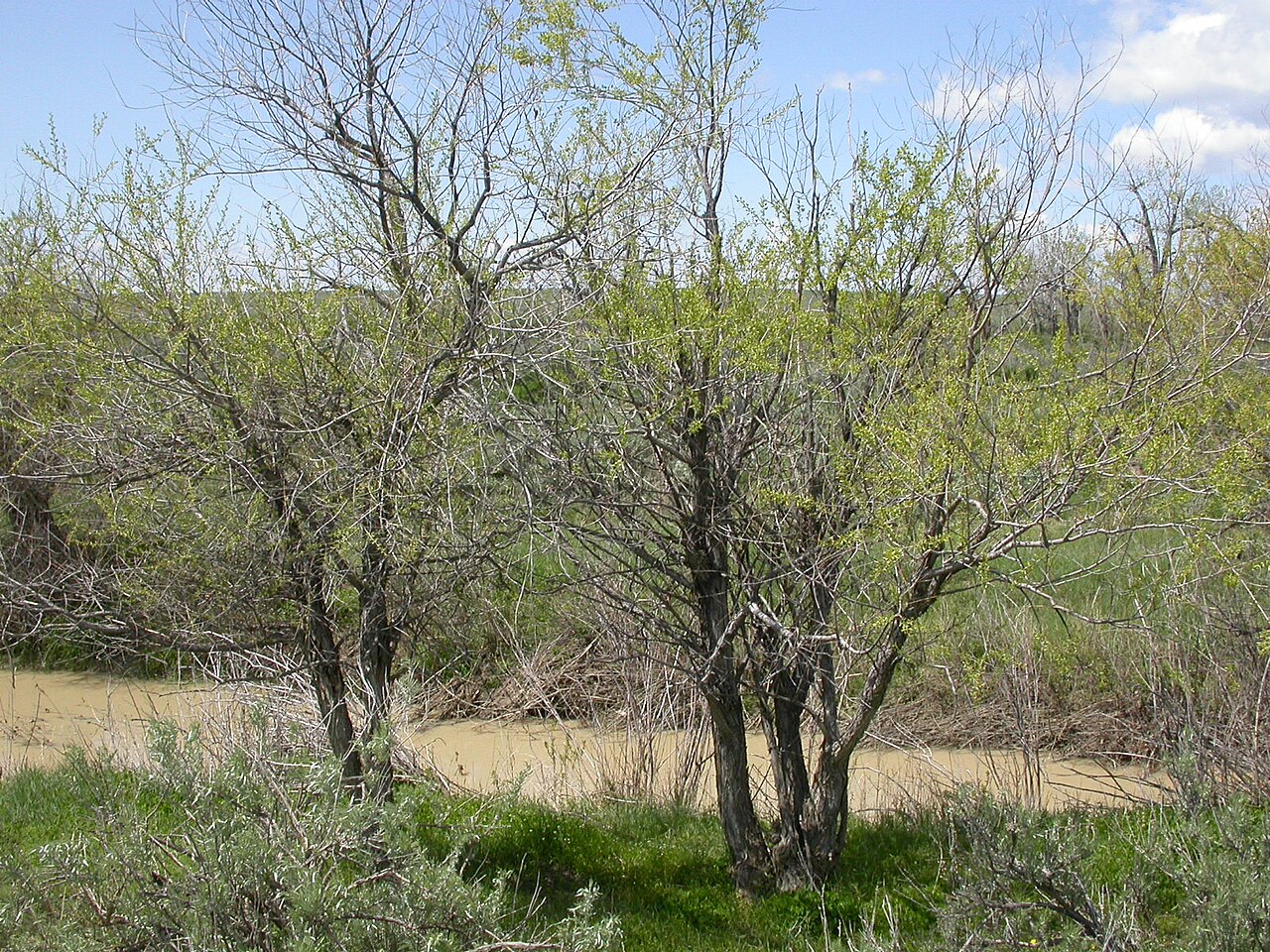
Peachleaf Willow growing along a riparian corridor in Montana. Photo: Matt Lavin, Wikimedia Commons (CC BY-SA 2.0) Salix amygdaloides, commonly known as Peachleaf Willow or
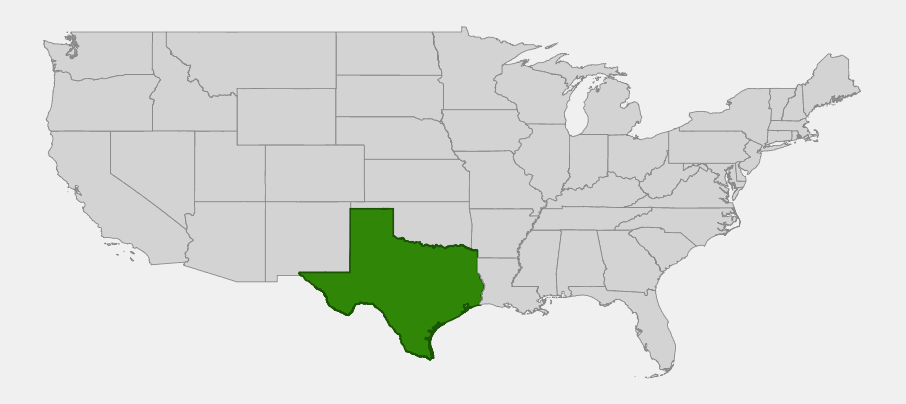
⚠️ One of the rarest trees in North America. Lateleaf Oak (Quercus tardifolia) was believed extinct for years before a single surviving wild tree was
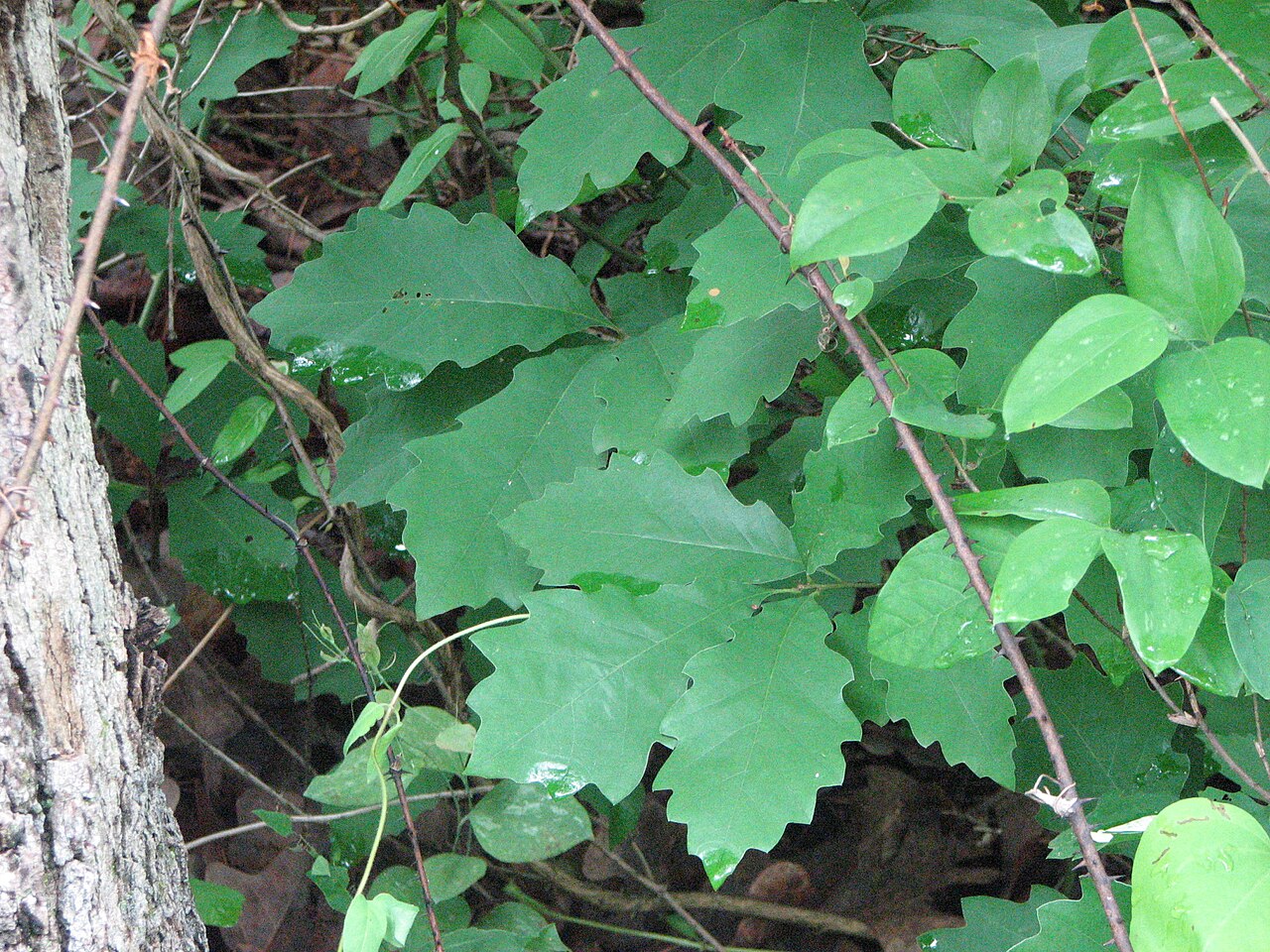
Dwarf Chinkapin Oak foliage growing on serpentine barrens, Nottingham County Park, Pennsylvania. Photo: Choess, Wikimedia Commons (CC BY-SA 3.0) Quercus prinoides, commonly known as Dwarf
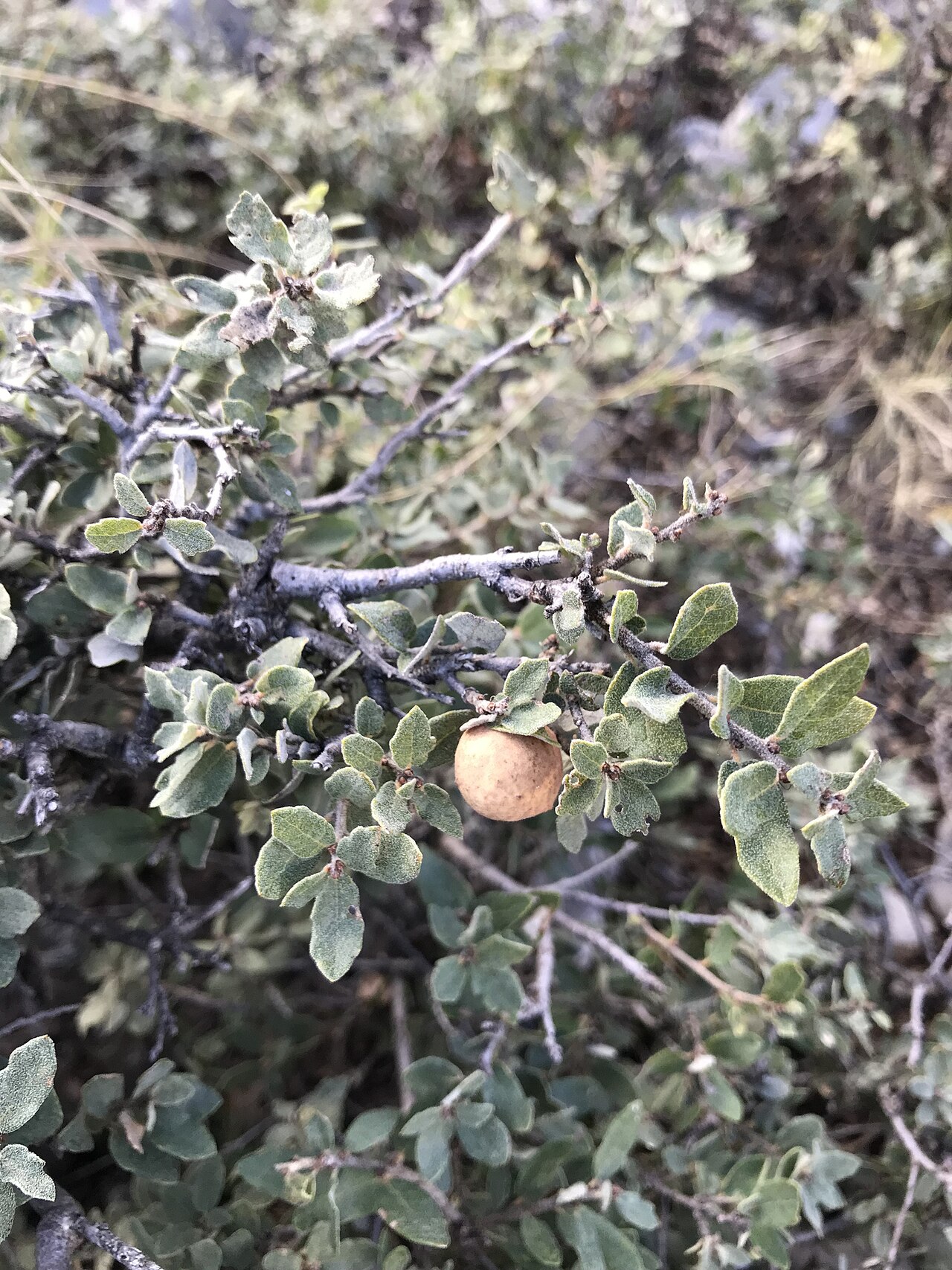
Coahuila Scrub Oak branch showing its small, leathery, wavy-edged leaves. Photo: Claudio Cantú Muñiz, Wikimedia Commons (CC BY 4.0) Quercus intricata, commonly known as Coahuila
View More