
Stream Bogmoss (Mayaca fluviatilis)
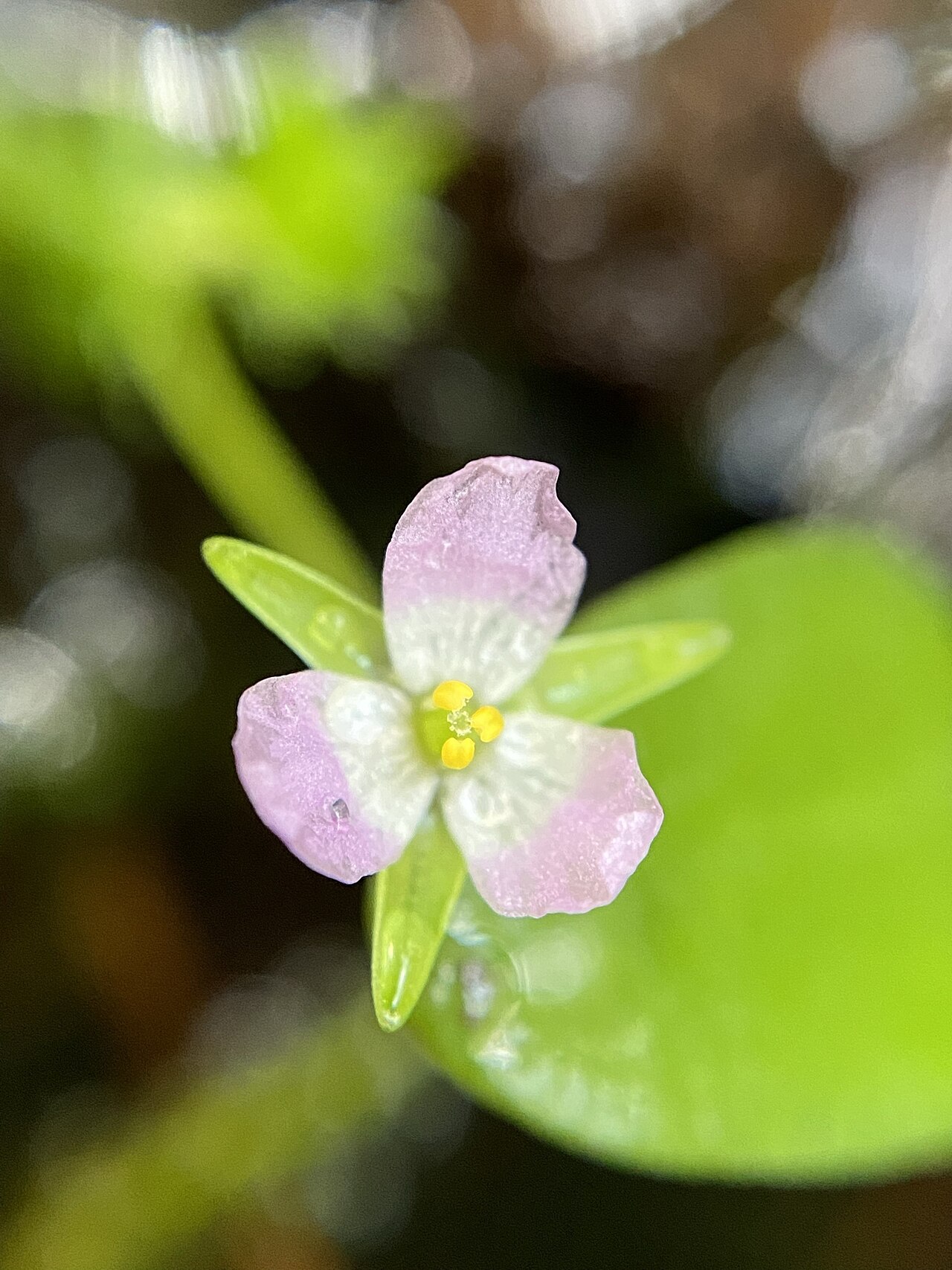
Mayaca fluviatilis, the Stream Bogmoss (also called bog moss or mayaca), is a small aquatic and wetland plant of the southeastern United States that looks remarkably like a moss but is actually a flowering plant. It grows in shallow, clear water and on wet sand and muck along streams, spring runs, pond margins, ditches and seepage bogs on the Coastal Plain from Virginia to Florida and west to eastern Texas.
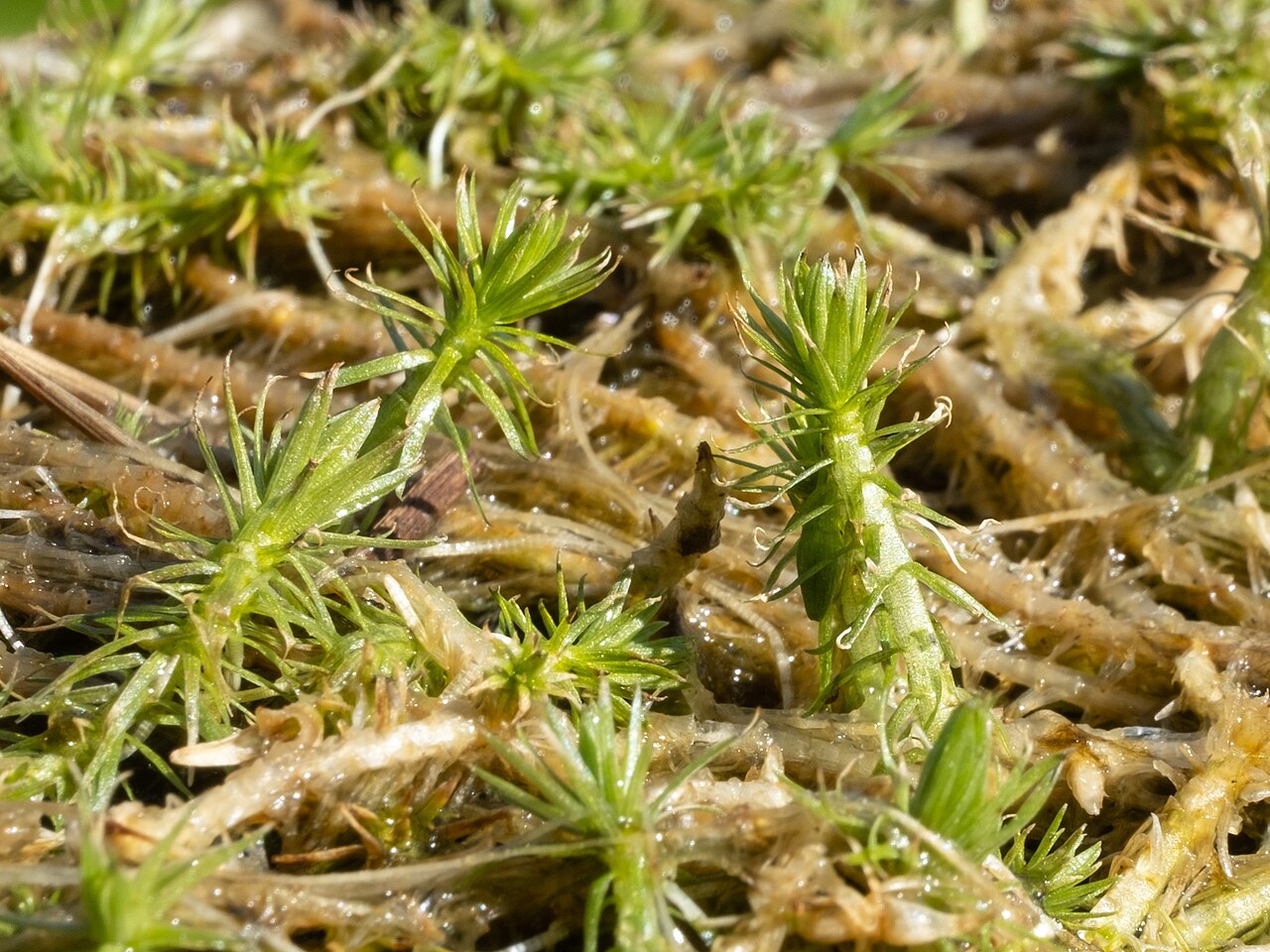
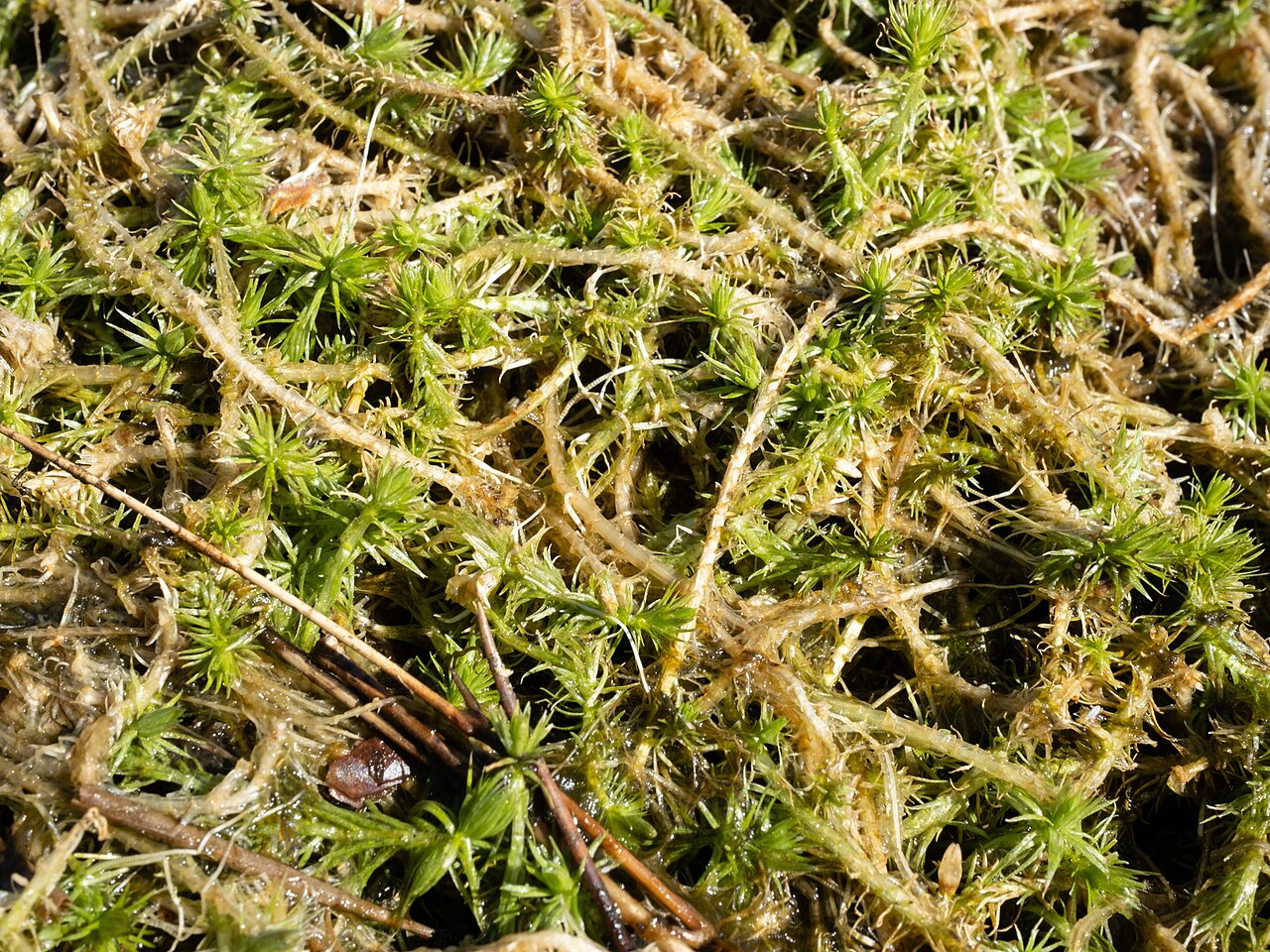
Its soft, pale green stems are densely covered with tiny, needle-like leaves, and it forms feathery underwater beds or low, mossy mats on wet ground. From spring to fall it produces small, three-petaled flowers in pink, violet or white on short stalks. It belongs to its own small family, the Mayacaceae, which contains only the genus Mayaca.
Outside its wild range, stream bogmoss is best known as an aquarium plant, sold for its bright green, feathery stems. This guide covers how to recognize it, where it grows, how to grow it in a bog garden, pond or aquarium, and its role in wetlands.
Identification
Stream bogmoss is easy to overlook as a moss until it flowers. Look for soft, branching stems densely covered with narrow, spirally arranged leaves, and in season, small three-petaled flowers on slender stalks.
Stems & Leaves
The stems are slender, soft and branching, a few inches long on land and up to about 2 feet long under water, where they trail or stand upright in the current. The leaves are narrow and linear, about ¼ to ½ inch long, translucent and pale to bright green, and densely crowded in a spiral around the stem. Plants growing out of water are compact and matted; submerged plants are longer and feathery.
Flowers
The flowers appear mainly from May to October, and in Florida nearly year-round. Each flower sits alone on a slender stalk from the leaf axils near the stem tip. It is about ⅓ inch across, with three rounded petals in pale pink, violet or white, three green sepals, three stamens with yellow anthers and a small center.
Fruit
The fruit is a tiny capsule that holds a few small seeds. The plant also spreads by stem fragments, which root easily where they settle.
Look-alikes
Out of flower, it is easily mistaken for sphagnum or another moss, but true mosses never produce flowers. Submerged, it can resemble young plants of the invasive hydrilla or of native bladderworts, but hydrilla has toothed leaves in whorls, and bladderworts have finely divided leaves with tiny bladders.
Quick Facts
| Scientific Name | Mayaca fluviatilis Aubl. |
| Family | Mayacaceae (bogmoss family) |
| Plant Type | Aquatic / wetland perennial herb |
| Mature Height | 1–4 in on land; stems to about 2 ft under water |
| Mature Spread | Forms mats several feet across |
| Growth Rate | Moderate to fast |
| Sun Exposure | Full sun to partial shade |
| Water Needs | Wet; shallow water or saturated soil |
| Soil Type | Wet sand, peat or muck; soft, clear water |
| Soil pH | Acidic, about 5.0–6.5 |
| Bloom Time | May–October (longer in Florida) |
| Flower Color | Pale pink, violet or white |
| Fall Color | None (evergreen in mild climates) |
| Fruit | Tiny capsule |
| Deer Resistant | Not usually browsed |
| USDA Hardiness Zones | 8–11 |
Native Range
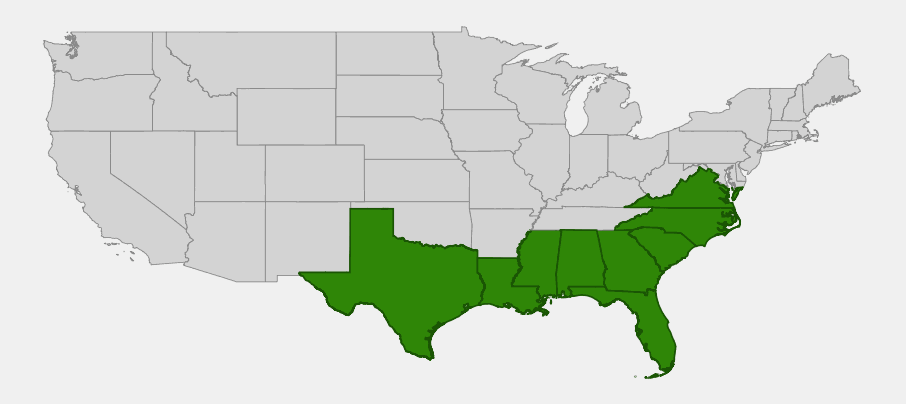
Stream bogmoss is native to the southeastern Coastal Plain of the United States. USDA PLANTS lists it in Virginia, North Carolina, South Carolina, Georgia, Florida, Alabama, Mississippi, Louisiana and Texas. Virginia is at the northern edge of its range, where it is rare, and in Texas it grows in the east. It is most common in Florida and southern Georgia.
Beyond the United States, it ranges widely through the Caribbean, Mexico, Central America and South America to Brazil and Paraguay. It was first described from French Guiana in the 1700s. It has been spread by the aquarium trade and has become naturalized in parts of Asia and Australia, but it is a true native in the U.S. Southeast.
In its natural habitat, it grows in shallow, slow-moving, clear and often acidic water and on saturated ground: spring runs, blackwater and sand-bottomed streams, pond and lake margins, wet ditches, seepage slopes, bogs and wet pine flatwoods.
📋 Regional plant lists featuring Stream Bogmoss: North & South Florida · Alabama, Georgia & Mississippi · North & South Carolina · Arkansas, Louisiana, Eastern Oklahoma & Eastern Texas · Maryland, Virginia & West Virginia
Growing & Care Guide
Stream bogmoss is easy to grow in constantly wet conditions and is widely available as an aquarium plant. Outdoors it suits bog gardens, shallow pond edges and wet spots in zones 8 to 11 within its native region. Avoid releasing aquarium plants into natural waters outside its native range, where it can become a problem.
Light
Give it full sun to partial shade outdoors. In an aquarium, it needs moderate to bright light; in low light the stems become thin and leggy.
Soil & Water
It needs soil that never dries out, or shallow water a few inches deep. It prefers soft, slightly acidic water and sandy or peaty substrate, and grows poorly in hard, alkaline water. In a bog garden, use a peat and sand mix kept saturated with rainwater.
Planting Tips
Plant small clumps or stem pieces in wet sand or peat at a pond edge or in a bog garden, or tuck the stems into the substrate in an aquarium. It combines well with sundews, pipeworts and other small bog plants.
Pruning & Maintenance
Trim stems that grow too long and replant the tips if you want a denser bed. In an aquarium, provide carbon dioxide and iron if growth is pale. Outdoors, thin mats if they crowd out smaller plants.
Propagation
Propagate by stem cuttings or by dividing mats; pieces root readily in wet substrate. It can also be grown from seed sown on wet peat. Buy nursery or aquarium stock rather than collecting from the wild.
Landscape Uses
- Bog gardens: moss-like green carpet with tiny flowers
- Pond and stream edges: soft cover on wet sand and shallow margins
- Aquariums: feathery bright green stems in soft-water tanks
- Wetland restoration: native cover for seepage and stream margins
Wildlife & Ecological Value
Although small, stream bogmoss is a useful part of shallow, clear-water wetlands in the Southeast.
For Pollinators
The small flowers are visited by small bees and flies, mainly for pollen.
For Birds
Wading birds and ducks forage in the shallow water where it grows, and its beds shelter the small invertebrates they eat.
For Mammals
It is of little direct importance to mammals, though its beds are part of the habitat of muskrats and other wetland mammals.
Ecosystem Role
Underwater beds provide shelter and spawning cover for small fish, tadpoles and aquatic insects and help oxygenate the water. On land, its mats help hold wet sand and peat in place along seepage slopes and stream banks.
Cultural & Historical Uses
The French botanist Jean Baptiste Christophe Fusée Aublet described Mayaca fluviatilis in 1775 from a stream in French Guiana, naming it “la mayaque des rivières.” The species name fluviatilis means “of rivers.”
The Mayacaceae is a small family related to the pipeworts and yellow-eyed grasses in the grass and sedge order (Poales). Its four to ten species are all in the genus Mayaca, and stream bogmoss is the only one native to the United States.
In the aquarium hobby it is sold as “mayaca” and grown for its bright, feathery stems. Plants sold commercially are often grown under water, where they look quite different from the compact, matted plants found on wet ground in the wild.
Frequently Asked Questions
Is stream bogmoss a moss?
No. It looks like a moss, but it is a flowering plant in its own family, the Mayacaceae, and produces small, three-petaled pink, violet or white flowers.
Where does stream bogmoss grow?
In shallow, clear water and on wet ground along streams, spring runs, ponds, ditches and seepage bogs on the Coastal Plain from Virginia to Florida and west to eastern Texas.
Can I grow stream bogmoss in an aquarium?
Yes. It is a popular aquarium plant that needs moderate to bright light and soft, slightly acidic water. Never release aquarium plants into natural waters.
When does stream bogmoss flower?
Mainly from May to October, and nearly year-round in Florida.
How do I propagate stream bogmoss?
By stem cuttings or divisions, which root easily in wet sand, peat or aquarium substrate.

Looking for a nursery that carries Stream Bogmoss?
Browse our native plant nursery directory: Alabama · Florida & Georgia · Louisiana & Mississippi · North Carolina · South Carolina, Texas & Virginia

