
Wand Goldenrod (Solidago stricta)
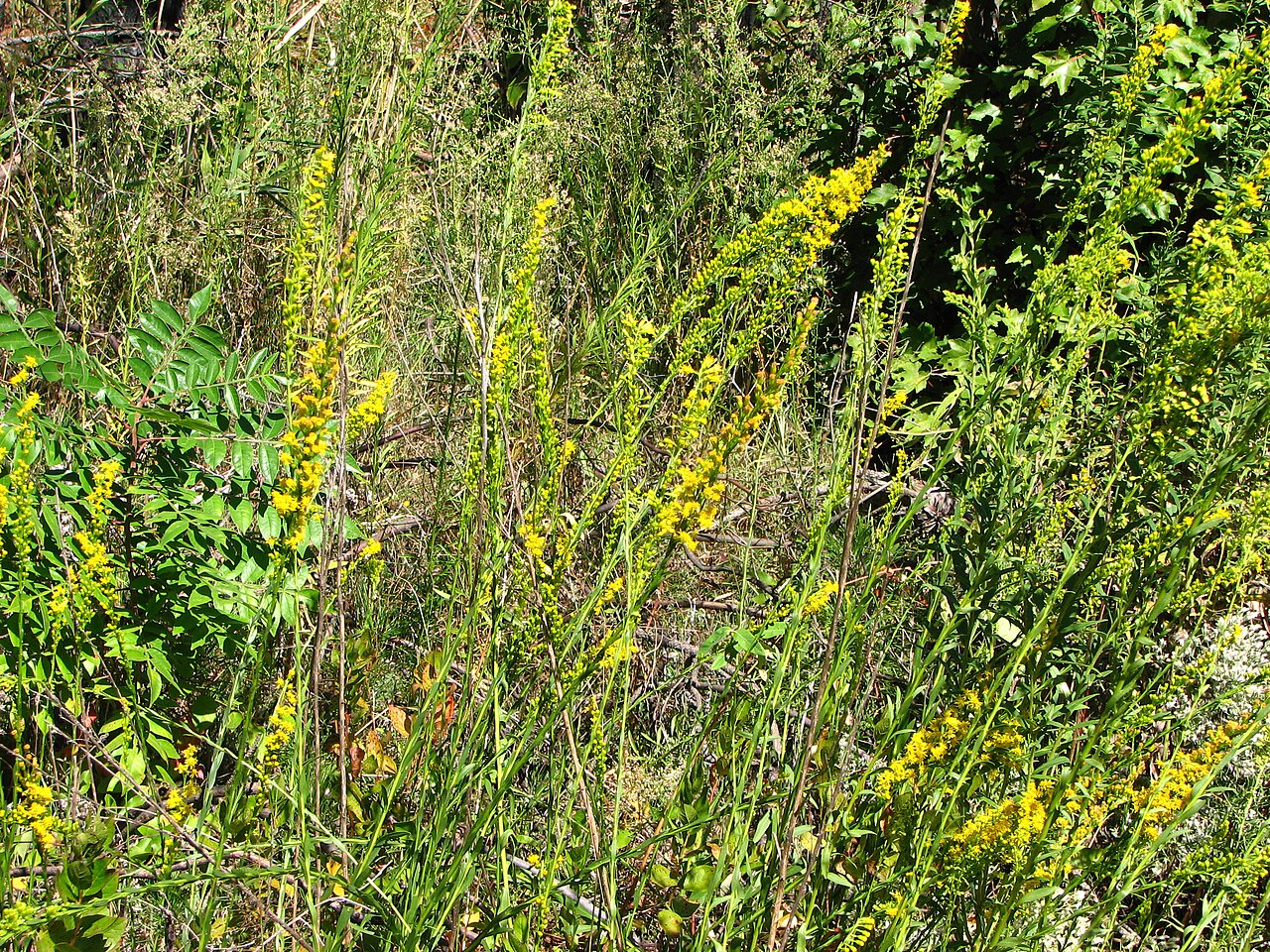
Solidago stricta, known as Wand Goldenrod, slender goldenrod or smooth goldenrod, is a tall, slender perennial goldenrod of wet pine savannas, flatwoods, bogs and coastal marshes on the Atlantic and Gulf coastal plains. In late summer and fall it sends up smooth, straight stems 2 to 6 feet tall, lined with small, narrow leaves pressed against the stem and topped by a narrow, wand-like spike of bright yellow flower heads. It belongs to the aster family (Asteraceae).
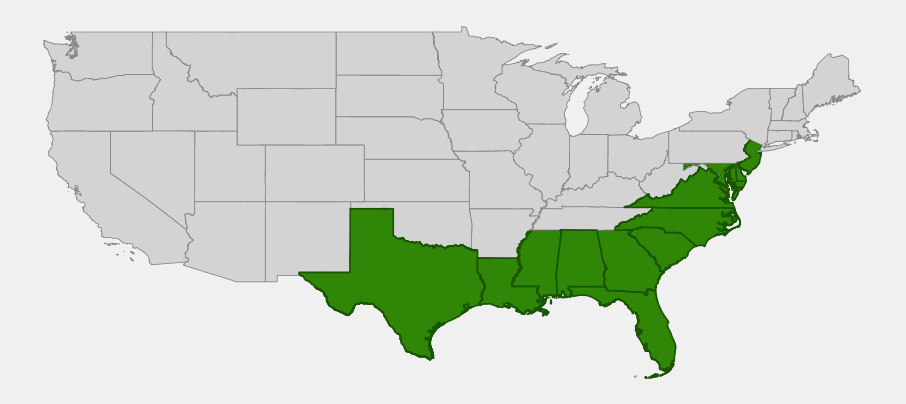
USDA PLANTS records it from New Jersey and Delaware south to Florida and west to Texas, and the Lady Bird Johnson Wildflower Center notes a disjunct population in southern Mexico and Guatemala. It is common in Florida and not state-listed. Some botanists separate southern plants as subspecies gracillima, and USDA treats the older name Solidago chrysopsis as a synonym.
Its narrow, upright form makes it one of the most graceful goldenrods for a moist native garden, and like other goldenrods it is a major fall nectar source for butterflies and bees. This guide covers how to recognize wand goldenrod, where it grows, and how to grow it.
Identification
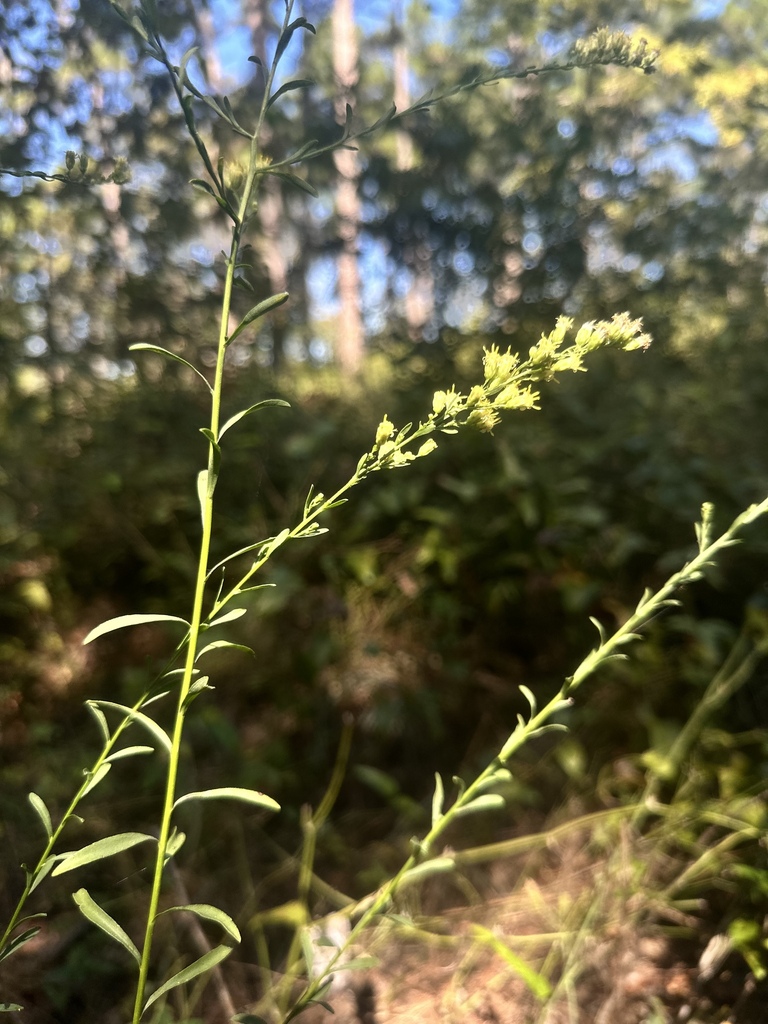
Wand goldenrod is easiest to identify by its shape: a straight, smooth stem with tiny leaves hugging the stem, a rosette of much larger leaves at the base, and a slim spike of yellow flowers that seldom branches widely.
Growth Habit
A clump-forming perennial with one to several erect, unbranched or sparingly branched stems, usually 2 to 6 feet tall when flowering. The Lady Bird Johnson Wildflower Center gives a range of about 1 to 6 feet. FNPS notes that it spreads slightly by short rhizomes, but it does not form the aggressive colonies of some goldenrods.
Leaves
The basal leaves are the largest: smooth, long and narrow, broadening toward the tip (oblanceolate), and often several inches long. They form a rosette that is present much of the year. The stem leaves are very different, small, narrow and stiff, decreasing in size up the stem and pressed closely against it. The Lady Bird Johnson Wildflower Center describes them as narrow and scale-like. The whole plant is smooth and hairless.
Flowers
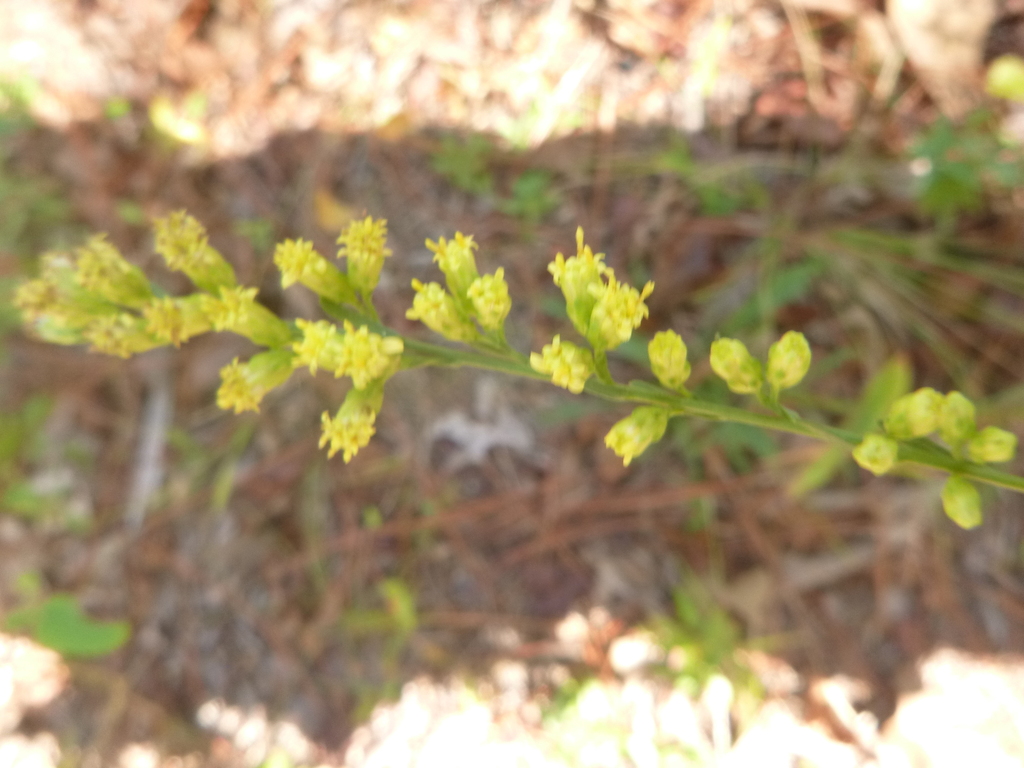
Many small yellow flower heads, each with a few short rays, are packed into a narrow, spike-like cluster (panicle) at the top of the stem. Short side branches are held upright rather than arching. Flowering is in late summer and fall, mostly September through November, and into early winter in Florida.
Fruit & Seeds
The heads ripen into small achenes (cypselae) with a tuft of white bristles (pappus) that carries them on the wind. FNPS gives the fruit color as white, describing the fluffy seed heads.
Similar Species
Seaside Goldenrod (S. sempervirens) grows in similar coastal sites but has thick, fleshy leaves and larger heads in a broader, more branched cluster. Leavenworth’s Goldenrod has leafy stems and a plume-like cluster with arching branches. The tiny, appressed stem leaves and straight, narrow flower spike set wand goldenrod apart.
Quick Facts
| Scientific Name | Solidago stricta (accepted by USDA PLANTS and the Atlas of Florida Plants) |
| Family | Asteraceae (aster family) |
| Plant Type | Herbaceous perennial wildflower |
| Mature Height | 2–6 ft in flower |
| Mature Spread | 1–2 ft |
| Growth Rate | Moderate |
| Sun Exposure | Full sun to part sun |
| Water Needs | Moderate to high; moist to wet soil |
| Soil Type | Sand, loam or clay; tolerates acid, peaty soils |
| Soil pH | Adaptable; acid to neutral |
| Bloom Time | September–November (into December in Florida) |
| Flower Color | Bright yellow |
| Fall Color | Basal leaves may turn reddish in winter |
| Fruit | Small achenes with white bristles, wind-dispersed |
| Deer Resistant | Moderately; goldenrods are seldom heavily browsed |
| USDA Hardiness Zones | 7a–9b |
Native Range
Wand goldenrod is a Coastal Plain species. USDA PLANTS records it from Alabama, Delaware, Florida, Georgia, Louisiana, Maryland, Mississippi, New Jersey, North Carolina, South Carolina, Texas and Virginia. The Lady Bird Johnson Wildflower Center summarizes its range as Delaware south to Florida and west to Texas, with a disjunct population in southern Mexico and Guatemala. In New Jersey it is a characteristic plant of the Pine Barrens.
FNPS lists its habitats in Florida as wet and coastal sites, coastal scrub, bogs, wet and wet-mesic flatwoods, ditches and coastal marshes. Across its range it grows in wet pine savannas, seepage bogs, pocosin edges and sandy wet ditches and road shoulders. The National Wetland Plant List rates it as an obligate or facultative wetland species, depending on the region.
Like many savanna and flatwoods wildflowers, it does best where fire or mowing keeps the vegetation open and sunny. It remains common in much of the Southeast, particularly along wet roadsides and in managed pinelands.
📋 Regional plant lists featuring Wand Goldenrod: North & South Florida · Alabama, Georgia & Mississippi · North & South Carolina · Maryland, Virginia & West Virginia · Delaware, Southern New Jersey & Long Island · New York, Pennsylvania & Northern New Jersey · Arkansas, Louisiana, Eastern Oklahoma & Eastern Texas
Growing & Care Guide
Wand goldenrod is an easy, well-behaved goldenrod for moist, sunny gardens. FNPS lists it as available from native nurseries, FNPS plant sales and specialty providers, and as seed through the Florida Wildflower Growers Cooperative.
Light
Full sun gives the strongest, straightest stems and the most flowers. It tolerates part sun, according to FNPS, but stems may lean toward the light in shade.
Soil & Water
It grows in sand, loam or clay and is adaptable in pH. FNPS describes its moisture range as usually moist with occasional flooding through to short very dry periods. It is ideal for rain gardens, pond margins and low spots. FNPS notes some tolerance of salty wind but not direct salt spray or salt-water flooding.
Planting Tips
Space plants 12 to 18 inches apart in groups so the narrow spikes make a show. Combine them with grasses and other wet-savanna wildflowers such as blazing stars, meadow beauties and asters. Because it spreads only slightly, it works in smaller gardens where aggressive goldenrods would take over.
Pruning & Maintenance
Leave the seed heads standing through winter for birds and for overwintering insects, then cut the old stems back in late winter before the basal rosettes start new growth. No fertilizer is needed; rich soil can make the stems flop.
Propagation
FNPS lists propagation by seed and by division. Sow seed on the surface or barely cover it in fall or winter. Divide established clumps in late winter or early spring.
Landscape Uses
- Rain gardens and wet meadows: thrives in moist to seasonally wet, sunny sites
- Pollinator gardens: late-season nectar for monarchs and many bees
- Pine savanna restoration: a characteristic fall wildflower of wet flatwoods and savannas
- Small native gardens: an upright goldenrod that spreads only slightly
- Coastal landscapes: tolerates some salty wind behind the dunes
Wildlife & Ecological Value
Wand goldenrod blooms late in the season, when many insects are fueling up for migration or winter, making it a valuable part of fall pollinator habitat.
For Pollinators
FNPS notes it as a nectar plant for monarchs (Danaus plexippus) and other butterflies and says it attracts many pollinators. The goldenrod soldier beetle (Chauliognathus pensylvanicus) is a common visitor and pollinator. Bees, wasps and flies also visit the flowers heavily in fall.
For Birds
Goldfinches, sparrows and other small birds eat goldenrod seeds in fall and winter, and insect-eating birds hunt among the flowers.
For Mammals
Deer and rabbits browse goldenrods occasionally, but rarely enough to harm established plants.
Ecosystem Role
As a late-blooming member of the wet-savanna ground layer, wand goldenrod supports many insects, including specialist goldenrod bees and the larvae of several moths. Its persistent basal rosettes help hold soil in wet ditches and seepage areas.
Cultural & Historical Uses
The genus name Solidago comes from the Latin solidare, “to make whole,” a reference to the historical use of goldenrods in European folk medicine for healing wounds. The species name stricta means “upright” or “straight,” describing its narrow, wand-like form.
The species was named by the Scottish botanist William Aiton in Hortus Kewensis (1789), his catalog of the plants grown at the Royal Botanic Gardens, Kew, where many North American wildflowers were cultivated at the time.
Goldenrods are often blamed for hay fever, but FNPS points out that this is a mistake. Their pollen is heavy and sticky, carried by insects rather than the wind. They simply bloom at the same time as ragweed, the real culprit.
Frequently Asked Questions
Does wand goldenrod cause hay fever?
No. Goldenrod pollen is heavy and spread by insects, not the wind. Ragweed, which blooms at the same time, is the usual cause of fall hay fever.
Is wand goldenrod invasive or aggressive?
No. It spreads only slightly by short rhizomes, according to FNPS, and stays in tidy clumps, unlike some goldenrods that form large colonies.
Where does wand goldenrod grow?
On the Atlantic and Gulf coastal plains from New Jersey and Delaware to Florida and Texas, in wet pine savannas, flatwoods, bogs, coastal marshes and ditches.
Can wand goldenrod grow in wet soil?
Yes. It is a wetland plant that tolerates occasional flooding with fresh water, making it a good choice for rain gardens and pond edges.
When does wand goldenrod bloom?
In late summer and fall, mostly September through November, and into December in Florida.

Looking for a nursery that carries Wand Goldenrod?
Browse our native plant nursery directory: Alabama · Delaware, Florida & Georgia · Louisiana, Maryland & Mississippi · New Jersey & North Carolina · South Carolina, Texas & Virginia