When and How to Prune American Beautyberry in a Small Garden
Last updated: November 5, 2026
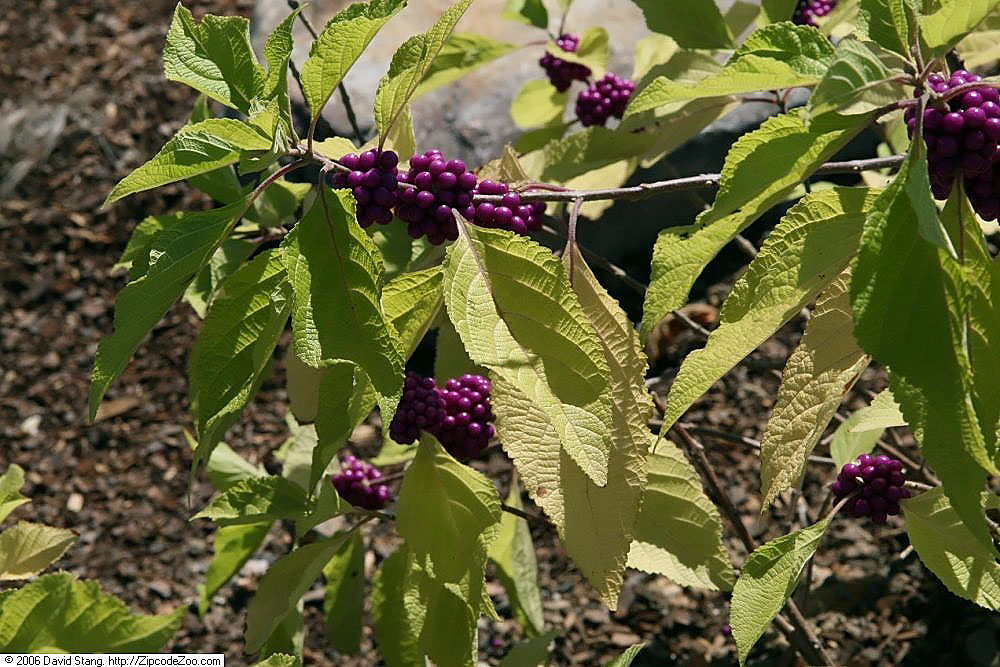
American beautyberry is an easy native shrub to love and a surprisingly easy one to outgrow. A plant that looked tidy in a nursery pot can arch over a path or swallow a corner bed within a few seasons.
The good news is that beautyberry takes hard pruning better than most shrubs. Timed right, a severe cut costs you nothing in berries.
Timed wrong, even a light trim can wipe out the fall display. This guide covers when to cut, how much to take, and how to keep the shrub in scale with a small garden year after year.
The Short Answer
- When: late winter or very early spring, just before new growth starts. Beautyberry flowers and fruits on the current year’s shoots, so a cut at this time doesn’t remove any flower buds.
- How much (small space): cut every stem back to about 12 inches. Extension and native plant sources describe this as a standard way to keep the plant compact.
- Gentler option: remove about a third of the oldest stems at ground level and leave the rest to arch.
- Avoid: shearing or trimming in late spring, summer, or fall. Those cuts remove flowering shoots or the developing berries.
- Not required: beautyberry fruits well without any pruning. Prune for size and shape, not because the plant needs it.
Why Pruning Timing Matters So Much
Many flowering shrubs set next year’s flower buds in summer or fall. Beautyberry doesn’t. Over winter, its bare stems carry no flower buds at all.
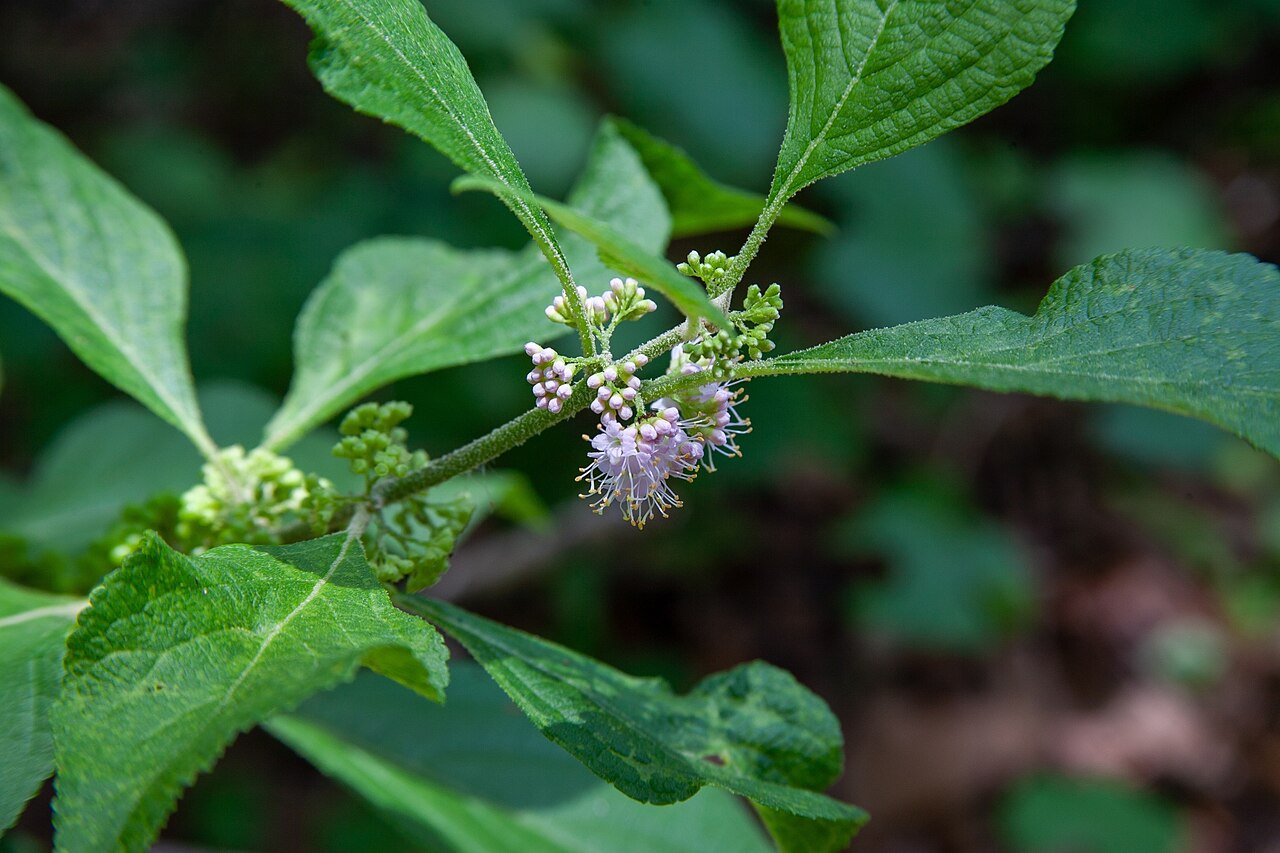
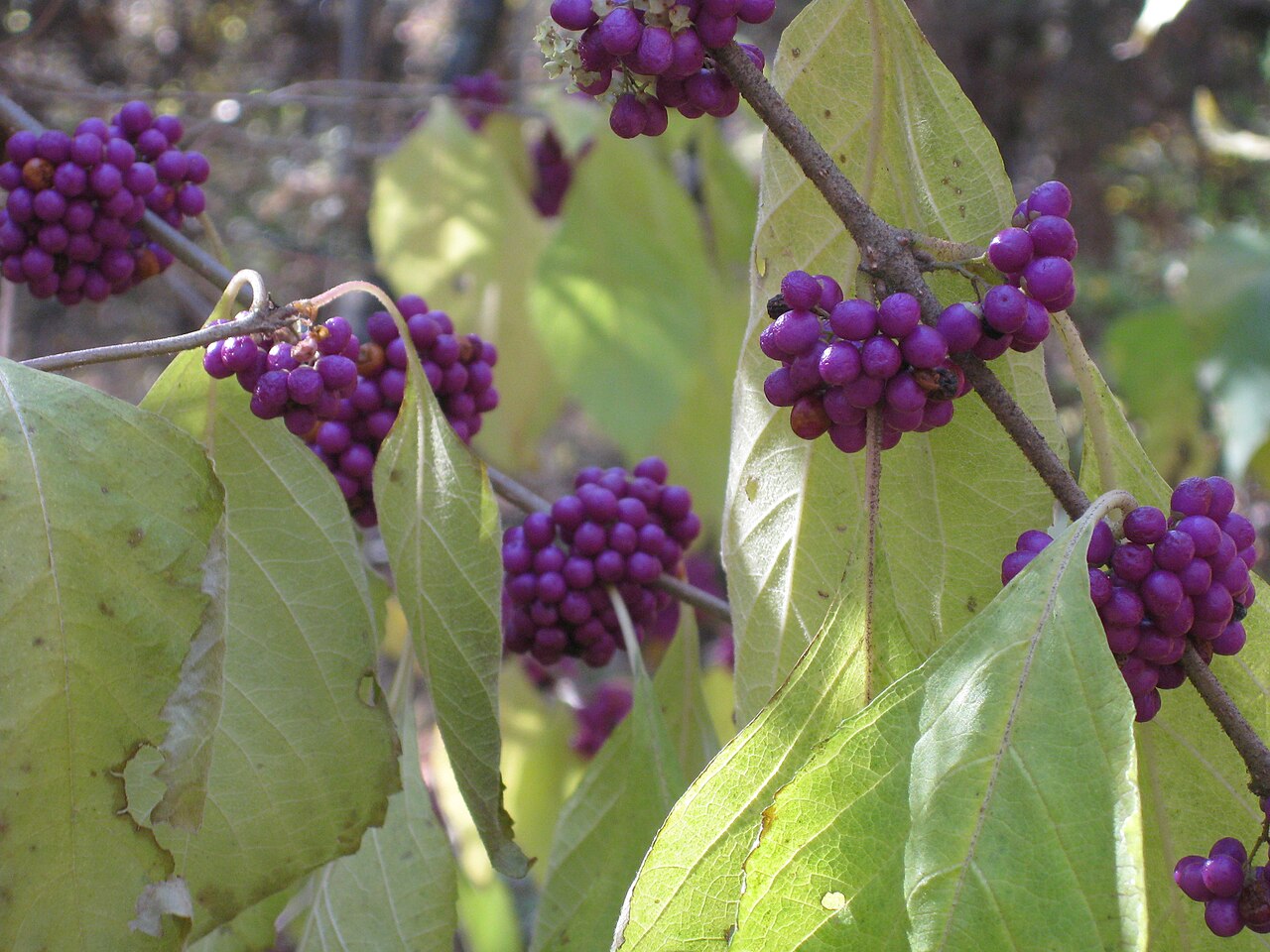
In spring, new shoots grow from the old stems and from the base of the plant. Small flower clusters then form in the leaf axils of those new shoots. After pollination, each cluster becomes a ring of berries that colors from late summer into fall.
That growth pattern gives you a wide-open pruning window. Anything you cut in the dormant season is wood that would only have produced leafy side branches. The flowering wood hasn’t grown yet.
It also explains the classic mistake. A trim in June or July removes the very shoots that are about to flower. University of Maryland Extension experts point out that the shrub won’t replace flowers or fruit lost to a late trim. That season’s display is simply gone. If that has already happened in your yard, our guide to beautyberry not producing berries walks through the other common causes too.
Pruning Calendar for Beautyberry
| Late winter – early spring | Best time for renewal or thinning cuts, just before buds break. |
| Spring | Remove only dead or broken stems. New shoots are forming flower clusters. |
| Summer | No shaping. Any cut removes flowers or young berries. |
| Fall | Leave the berries for birds. A cut now gains nothing for next year. |
| Early winter | Possible in mild areas, but most experts wait until the worst winter weather has passed. |
Step 1: Decide Whether You Need to Prune at All
Clemson’s Home & Garden Information Center notes that pruning isn’t necessary for good fruit production. The South Carolina Botanical Garden rarely prunes its plants and still gets a heavy crop.
In a small garden, though, size is usually the reason to prune. Extension sources list mature beautyberry anywhere from about 3 to 8 feet tall and wide, depending on the site. A plant that size doesn’t fit beside a narrow walk or under a front window.
Ask yourself three questions before you cut:
- Is it blocking something? A path, a window, a neighbor’s view, or a smaller plant.
- Has it gone leggy? Long, bare lower stems with leaves and fruit only at the tips.
- Is it older and less fruitful? Thick, woody stems that send up fewer new shoots each year.
If the answer to all three is no, enjoy the natural arching shape and skip the pruners this year.
Step 2: Pick the Right Moment in Late Winter
The target is the end of dormancy, after the hardest freezes but before buds swell and leaves start to unfold. University of Maryland Extension recommends late winter or very early spring, just before new growth resumes.
The exact calendar date depends on where you live. In mild coastal areas that point comes earlier than it does near the cold northern edge of the plant’s range, where growth starts weeks later.
Watch the plant rather than the calendar. Once you see the first green tips at the stem nodes, finish any pruning quickly.
Waiting until late winter also leaves the berries in place for birds through the coldest months. Beautyberry fruit often lasts into early winter, and it is a valuable food source when little else is left. Our guide to attracting songbirds with native plants explains why that matters.
Step 3: Skip the Hedge Shears
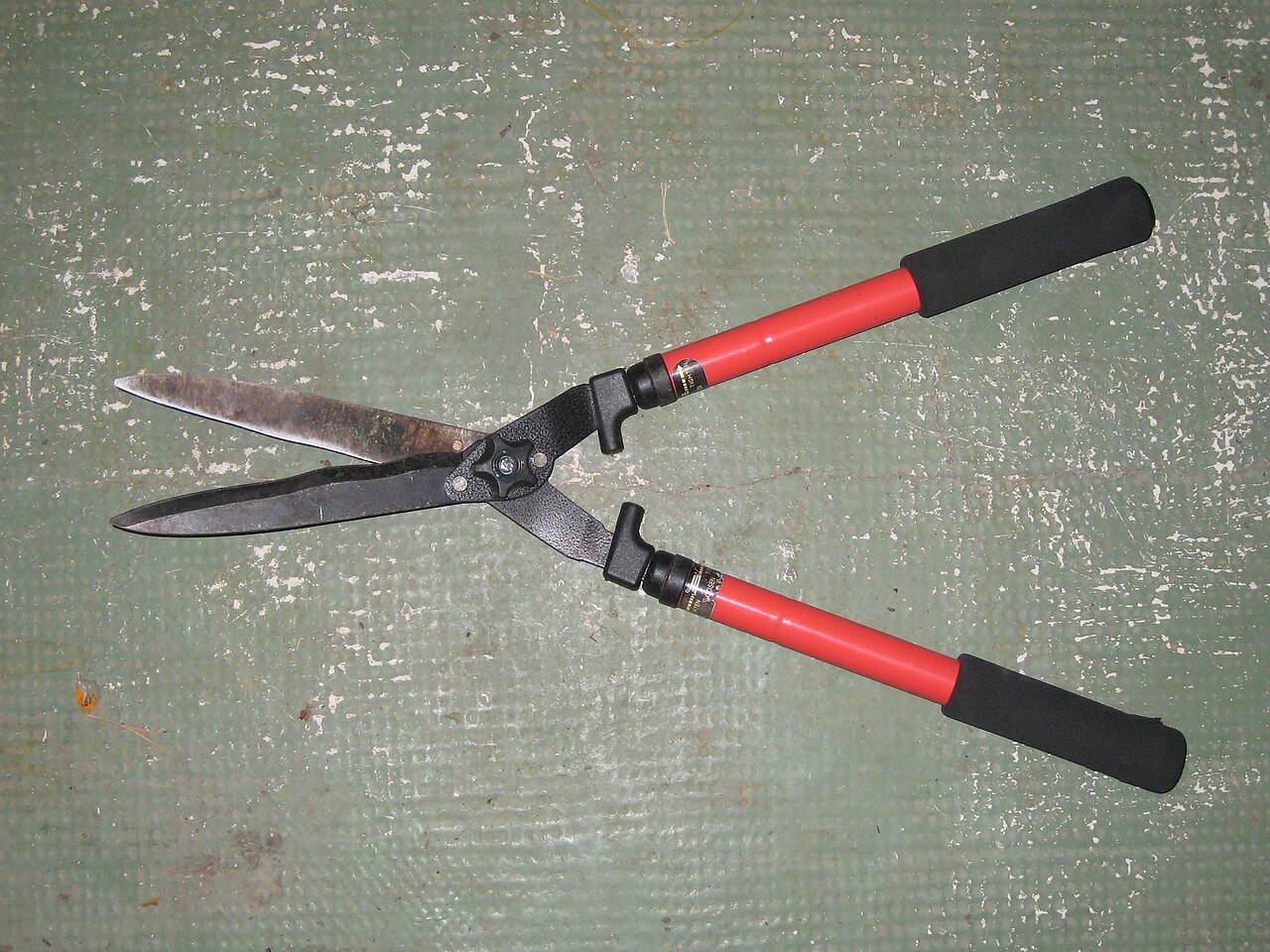
Shearing a beautyberry into a ball or box is the fastest way to lose both its berries and its shape. The plant’s beauty comes from long, arching stems with fruit at every leaf node.
Repeated tip trimming does the opposite. It produces a dense outer shell of short twigs, and any summer shearing removes the shoots that were about to flower.
If you need a formal, clipped shape in a tight spot, beautyberry is the wrong plant for that spot. Choose a shrub that is naturally smaller instead, such as one of the many options in our guide to caring for native shrubs.
Step 4: Choose Your Pruning Method
For small gardens there are two main approaches. Both are done in the same late-winter window.
Option A: Renewal cut (most compact)
Cut every stem back to about 12 inches above the ground. NC State Extension recommends exactly this as a routine late-winter prune, because flowers and fruit appear on new shoots.
The Lady Bird Johnson Wildflower Center says the plant can be cut to 12 inches each winter to encourage more compact growth, flowers, and fruit. Clemson notes that a renewal cut produces a flush of new growth and often a showier plant that year.
This is the best choice when the shrub has to stay smaller than its natural size. Some gardeners do it every year. Our PlantNative profile suggests a hard cut every 2 to 3 years for plants that don’t need to stay quite as small.
Option B: Thinning cut (keeps some height)
Remove roughly a third of the oldest, thickest stems right at ground level. Leave the younger stems at full length.
This keeps the arching outline and gradually replaces old wood with young, productive stems. Repeat each late winter and the whole shrub renews itself over about three years.
Thinning works well where you have room for a medium-height shrub but want it more open and less sprawling. It’s also a gentler first step for a gardener nervous about cutting the whole plant down.
Step 5: Make Clean Cuts
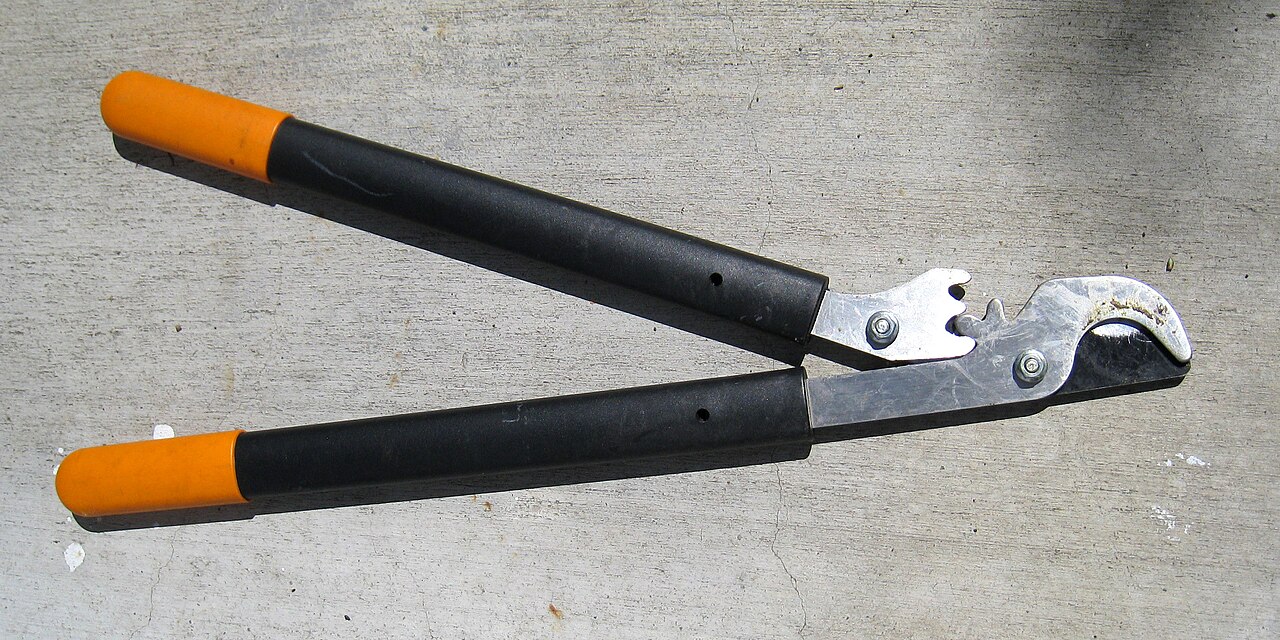
You need very little equipment. Sharp bypass hand pruners handle young stems. Bypass loppers handle the thicker, older stems near the base.
- Clean and sharpen the blades first so they cut rather than crush.
- Cut just above a pair of buds on a renewal cut. Beautyberry has opposite leaves, so the buds sit in pairs at each node.
- Cut flush at the base when thinning, rather than leaving short stubs.
- Remove dead wood at the same time. Dead stems are gray and brittle, and show no green when lightly scratched.
For general technique, including how to angle cuts and where to stop, see our guide on how to prune trees and shrubs.
Step 6: Clean Up and Mulch
Chop the trimmings and use them as mulch, or add them to a brush pile for wildlife. A few inches of wood-chip or leaf mulch over the root zone helps the plant push strong new growth in spring.
Keep the mulch a few inches away from the stem bases. Our mulching techniques for native gardens guide covers depth and materials.
Skip the fertilizer. Beautyberry grows well in average soil, and extra nitrogen mainly produces more leaves and longer stems, the opposite of what a small garden needs.
What to Expect After a Hard Cut
For a few weeks the plant looks like a cluster of short sticks. Then new shoots appear at the nodes on the stubs and from the base.
Those shoots grow quickly through spring. By early summer they carry flower clusters, and by fall they carry berries. A healthy plant cut to a foot in late winter usually fruits that same year.
The regrowth will still have the plant’s natural arching habit, just on a smaller frame. Expect the shrub to try to regain its natural size over time. That is why small-garden beautyberries usually need a repeat cut every year or two.
Quick Reference
| Shrub too big for the space | Renewal cut to about 12 inches every late winter. |
| Leggy, bare at the base | Renewal cut once, then thin a third of stems in later years. |
| Fits the space, fruits well | No pruning needed. Remove dead wood only. |
| Stem over a path in summer | Remove that one stem at the base and accept fewer berries on it. |
| Old, woody, few new shoots | Renewal cut to rejuvenate it. |
| Always too big, even after cutting | Move it to a roomier spot while dormant. |
When Pruning Isn’t the Answer
Some spots are simply too small for this shrub. If you find yourself cutting back hard every year and it still crowds the path by August, consider moving it.
University of Maryland Extension makes the same point: a beautyberry in the 4 to 6 foot range is a normal size for the plant. If that’s too big for the space, moving it may be simpler than fighting it. Transplant while it’s dormant, in late winter, and water it well through its first growing season.
In a mixed native border or a native hedgerow for birds, beautyberry can reach full size with very little care. In a small foundation bed, a native shrub with a smaller mature size may be the better long-term match. Check the mature height and spread, and whether it is native to your area, before you buy.
A Season-by-Season Plan for a Small Garden
- Late winter: make your renewal or thinning cuts just before buds break. Mulch the root zone.
- Spring: remove any stems killed by winter cold. Leave all healthy new shoots alone.
- Summer: no shaping. Water deeply during long dry spells while the plant is blooming.
- Fall: enjoy the berries and leave them for birds. Note which stems crowded paths or neighbors this year.
- Winter: leave the stems standing for cover and late fruit. Plan next year’s cuts.
📋 More on this plant: read the full American Beautyberry (Callicarpa americana) profile, or find it in our native plant lists for Georgia, Alabama & Mississippi, Arkansas, Louisiana, Eastern Oklahoma & Eastern Texas, Kentucky & Tennessee, and Illinois, Iowa & Missouri.
Frequently Asked Questions
Can I cut American beautyberry all the way to the ground?
A cut to about 12 inches is the standard recommendation, and it leaves stubs with buds that sprout quickly. Healthy established plants also regrow from the base, but there’s no advantage to cutting lower than a foot.
Will I lose this year’s berries if I prune hard in late winter?
No. Beautyberry flowers on shoots that grow after the cut, so a dormant-season renewal cut doesn’t remove any flowers. Berries are lost when you prune in late spring, summer, or fall.
How often should I prune beautyberry in a small garden?
Where space is tight, a renewal cut every late winter keeps it smallest. Where you have more room, a hard cut every few years or an annual thinning of a third of the stems is enough.
Can I trim beautyberry in summer if it’s blocking a path?
Yes, but remove the problem stem completely at the base instead of shearing the whole shrub. You’ll lose the berries on that stem only, and the rest of the plant keeps its fruit.
Can beautyberry be kept as a hedge?
It works as an informal, loose screen, but not as a clipped hedge. Repeated shearing removes flowering shoots and destroys the arching form that makes the plant attractive.
Sources
- North Carolina Extension Gardener Plant Toolbox, Callicarpa americana: size range, late-winter pruning to 1 foot, flowering on new shoots, fruit timing.
- Clemson Cooperative Extension Home & Garden Information Center, American Beautyberry: late winter or early spring renewal pruning, pruning not required for good fruit.
- Ask Extension (University of Maryland Extension), When and how much to cut beautyberry: no dormant flower buds, fruit lost to post-flowering pruning, timing, and moving oversized plants.
- Lady Bird Johnson Wildflower Center, Callicarpa americana: cutting to 12 inches each winter for compact growth, severe pruning before spring growth.
- UF/IFAS Gardening Solutions, Beautyberry: dormant-season pruning window and reduced fruit from in-season shaping.
- USDA NRCS, Plant Fact Sheet: American Beautyberry: removing old stems because berries form only on new growth.