How to Propagate American Beautyberry From Cuttings
Last updated: November 5, 2026
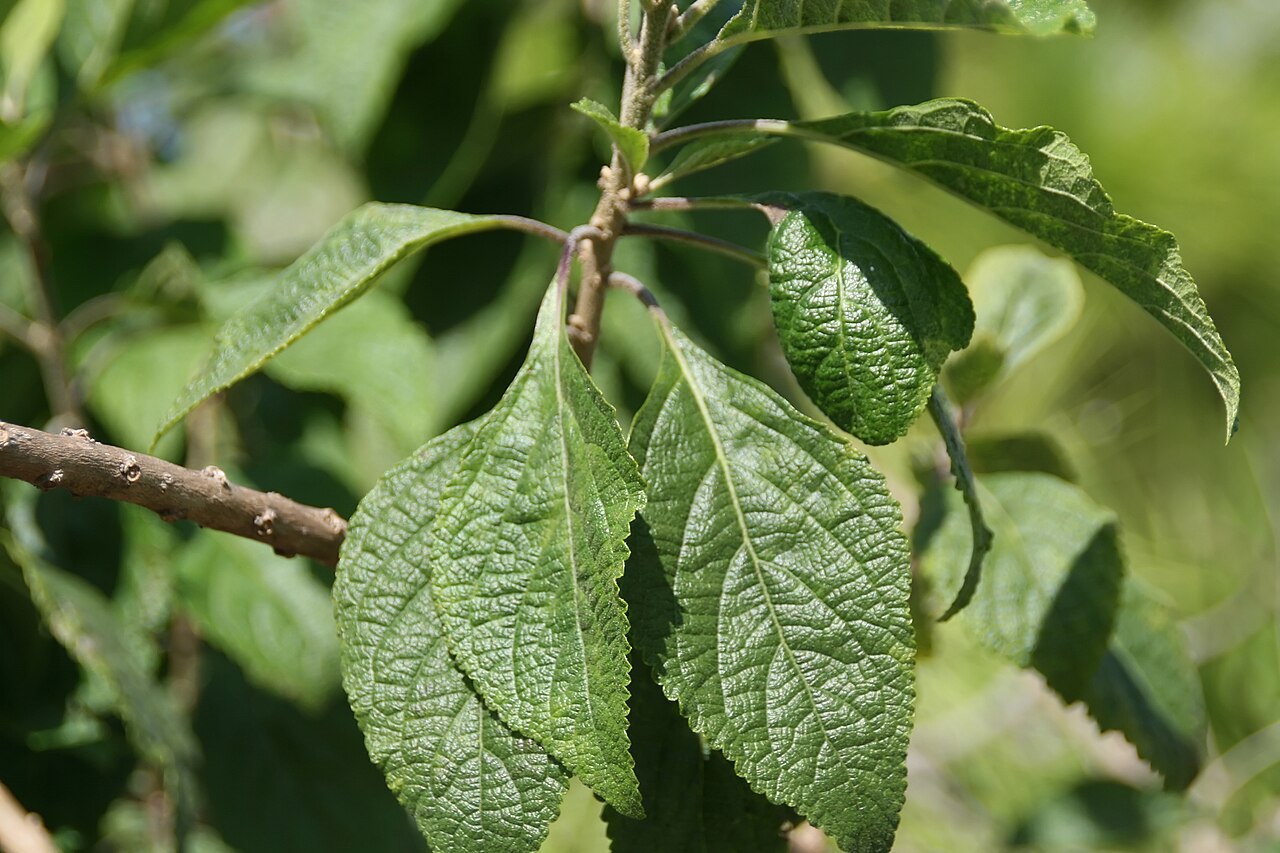
If you already grow American beautyberry, you have a free supply of new plants. The shrub roots readily from cuttings, and the Lady Bird Johnson Wildflower Center describes it as easily propagated.
The key is timing. Beautyberry roots best from soft, young shoots taken in late spring, before they flower.
This guide walks through taking, rooting, and potting up softwood cuttings at home. It also covers the backup options of seed and volunteer seedlings.
The Short Answer
- When: late spring into early summer, after the first flush of growth and before the shoots flower.
- What to cut: 4- to 6-inch tips of soft, current-season shoots.
- Prep: strip the leaves from the lower half and dip the base in rooting hormone.
- Rooting: stick in a moist, well-drained medium and cover with plastic to hold humidity. Sources report roots within one to a few weeks.
- After rooting: wean the cuttings off the plastic over about a week, then pot them up.
How Beautyberry Cuttings Root
A cutting has no roots. Until it grows some, it survives on stored energy and whatever water it can draw up through the cut end.
Its leaves keep losing water the whole time. That’s why most of the technique comes down to two things: taking shoots at the stage when they root fastest, and keeping them from drying out while they do.
Beautyberry helps on both counts. Each spring it sends up vigorous new shoots from older stems and from the base. Those soft shoots root quickly when kept humid.
Propagation Methods Compared
| Softwood cuttings | Late spring to early summer. The most reliable home method; produces a copy of the parent plant. |
| Hardwood cuttings | Dormant stems. Possible, but the published method uses stronger hormone and intermittent mist. |
| Seed | Ripe fall berries. Easy and produces many plants, but seedlings aren’t exact copies of the parent. |
| Volunteer seedlings | Bird-sown plants near the parent. Dig and transplant. |
| Division | Large mature clumps only, in winter. Used much less often. |
Step 1: Time It for Late Spring
The Lady Bird Johnson Wildflower Center, quoting Jill Nokes’s How to Grow Native Plants of Texas and the Southwest, recommends softwood tip cuttings from early May through June. The ideal moment is just after the first flush of growth but before the plant has flowered.
Dates shift with your climate. In warmer parts of the range, shoots reach that stage earlier. In colder areas, later. Watch the plant: you want shoots that have finished their first spurt of growth but show no open flowers yet.
The USDA NRCS fact sheet for the species describes softwood cuttings taken in summer and fall as well. If you miss the spring window, later cuttings are still worth trying, though the tissue will be firmer.
Step 2: Gather Your Supplies
You don’t need a greenhouse. A shaded porch or bright windowsill works.
- Clean, sharp pruners or a knife.
- Rooting hormone containing IBA (indole-3-butyric acid). Our explainer on what rooting hormone is covers the types.
- Small pots or a tray with drainage holes.
- A rooting medium that drains well but holds moisture, such as a mix of perlite with peat or coir.
- Clear plastic: a bag, a dome, or an upturned bottle.
- A plastic bag and damp paper towel to carry cuttings so they don’t dry out.
Moisten the medium before you take any cuttings, so they go from the plant into the pot quickly.
Step 3: Take the Cuttings
Cut in the cool of the morning, when shoots are fully hydrated. Choose healthy, vigorous shoots from the current season, without flowers or flower buds.
Take more than you need. Even easy plants lose a few cuttings, and extras cost nothing.
Only take cuttings from your own plants or with permission. Beautyberry is common in much of the Southeast, but the Missouri Department of Conservation lists it as a species of conservation concern in Missouri, where wild populations are small.
Step 4: Prepare Each Cutting
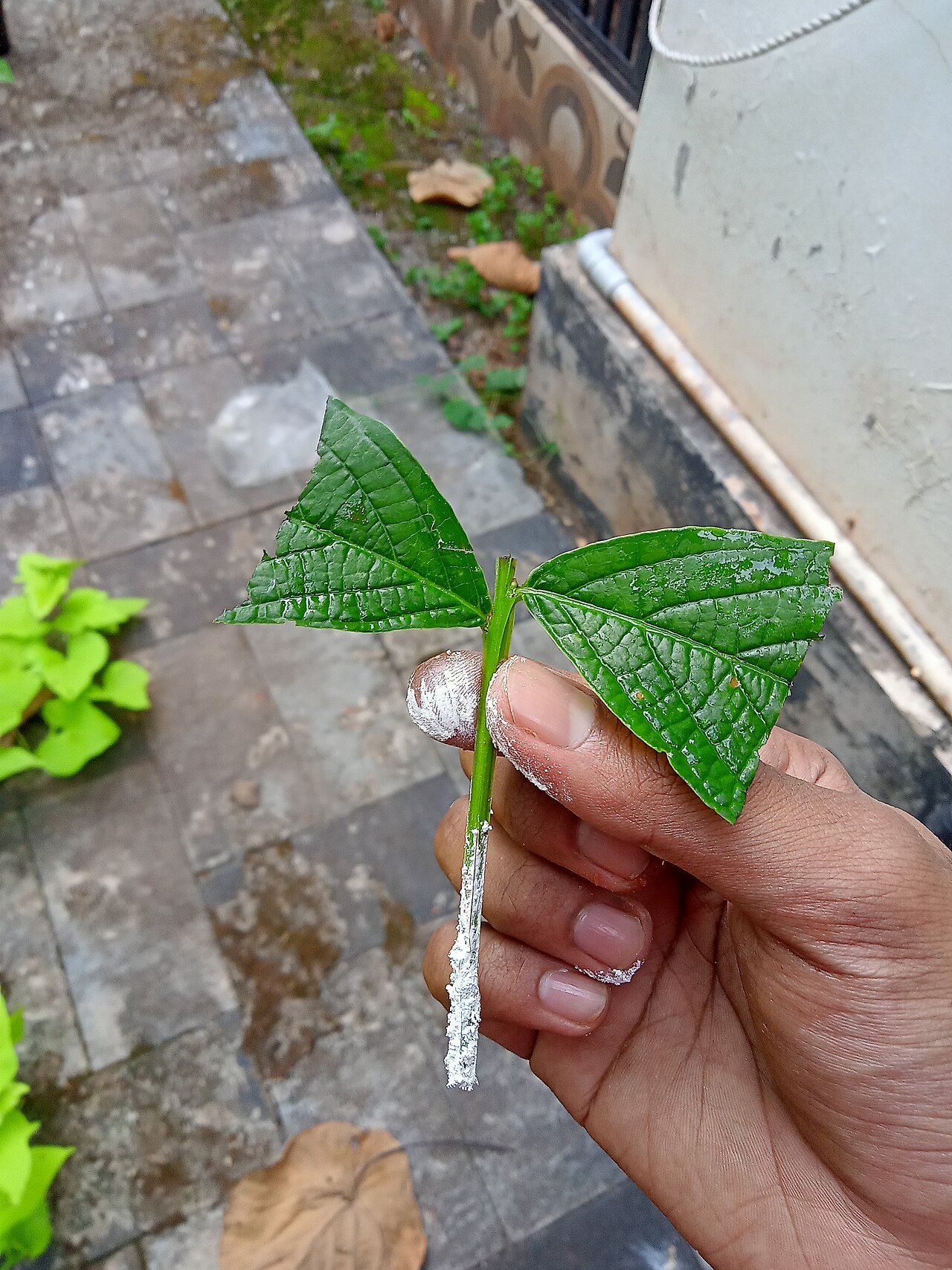
Trim each shoot to about 4 to 6 inches. The Wildflower Center gives 4 to 5 inches for softwood tips, and the USDA NRCS fact sheet gives 4 to 6 inches.
Make the bottom cut just below a node, where a pair of leaves joins the stem. Beautyberry leaves are opposite, so you’ll see buds in pairs.
Remove the leaves from the bottom half of the cutting. Beautyberry leaves are large, so if the remaining leaves are big, cut each one in half across the blade. That reduces water loss while the cutting has no roots.
Step 5: Apply Rooting Hormone
Dip the cut end in rooting hormone and tap off the excess. Published methods for this species use IBA.
Sources use different strengths. The USDA NRCS fact sheet uses 1,000 ppm IBA for softwood cuttings. The Wildflower Center cites 5,000 ppm. Home products list their strength on the label, so follow the label directions.
Step 6: Stick the Cuttings
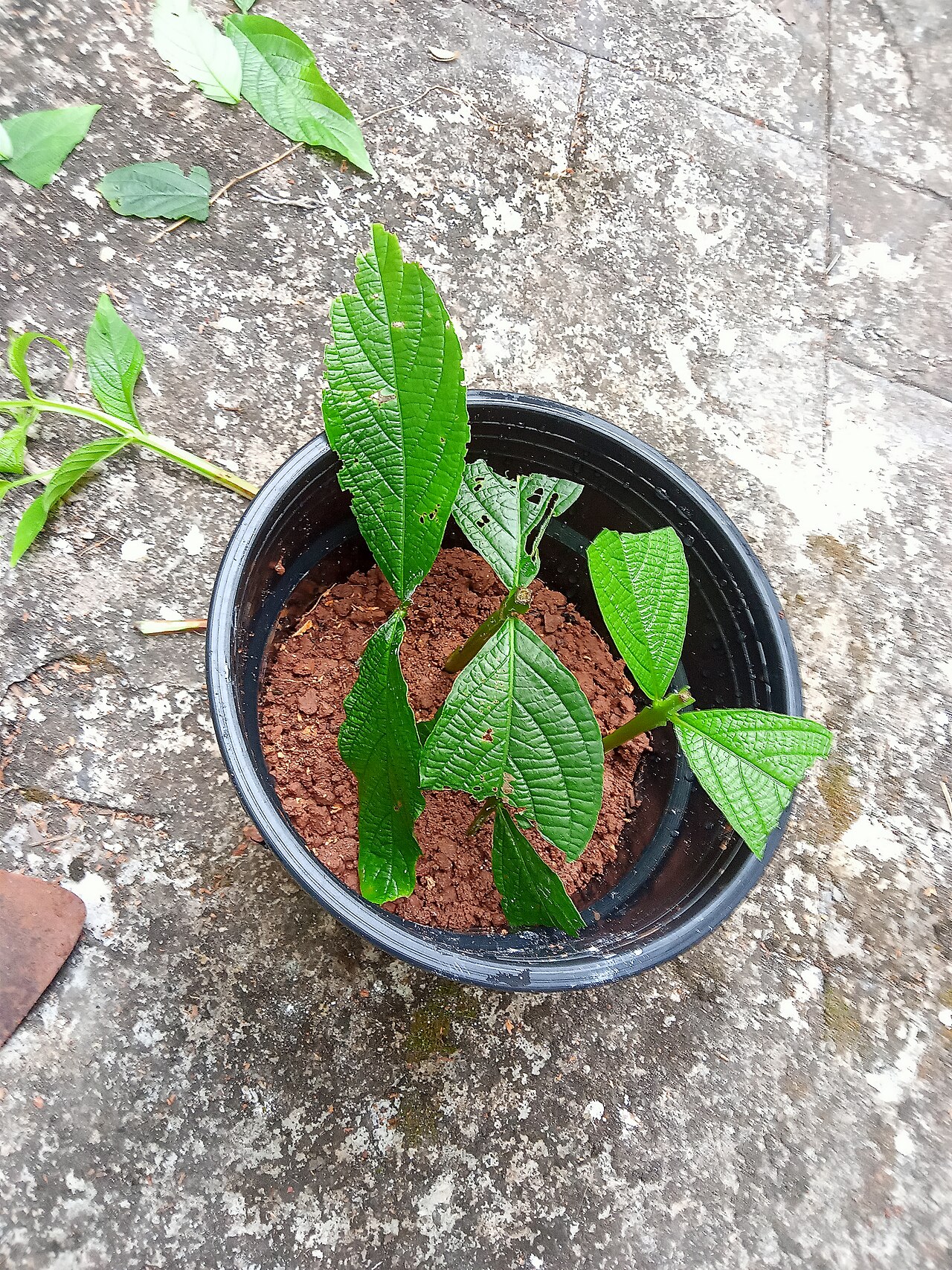
Use a pencil to make a hole in the moist medium so the hormone isn’t rubbed off. Insert each cutting so at least one bare node is below the surface, then firm the medium around it.
Space cuttings so their leaves don’t overlap heavily. Water gently to settle them in.
Step 7: Hold Humidity and Warmth
Cover the pot with clear plastic so the cuttings sit in humid air. Prop the plastic up with stakes so it doesn’t rest on the leaves.
The USDA NRCS fact sheet recommends keeping the rooting medium around 70 to 75°F, keeping the cuttings moist, and covering them with plastic.
Place the pot in bright, indirect light. Direct sun on a covered pot can overheat the cuttings quickly.
Check daily. The medium should stay evenly moist but never waterlogged. Remove any cutting that turns black or mushy so rot doesn’t spread.
Step 8: Check for Roots
Beautyberry is quick. The Wildflower Center says roots should begin to grow within 1 to 2 weeks, and the USDA NRCS gives a few weeks.
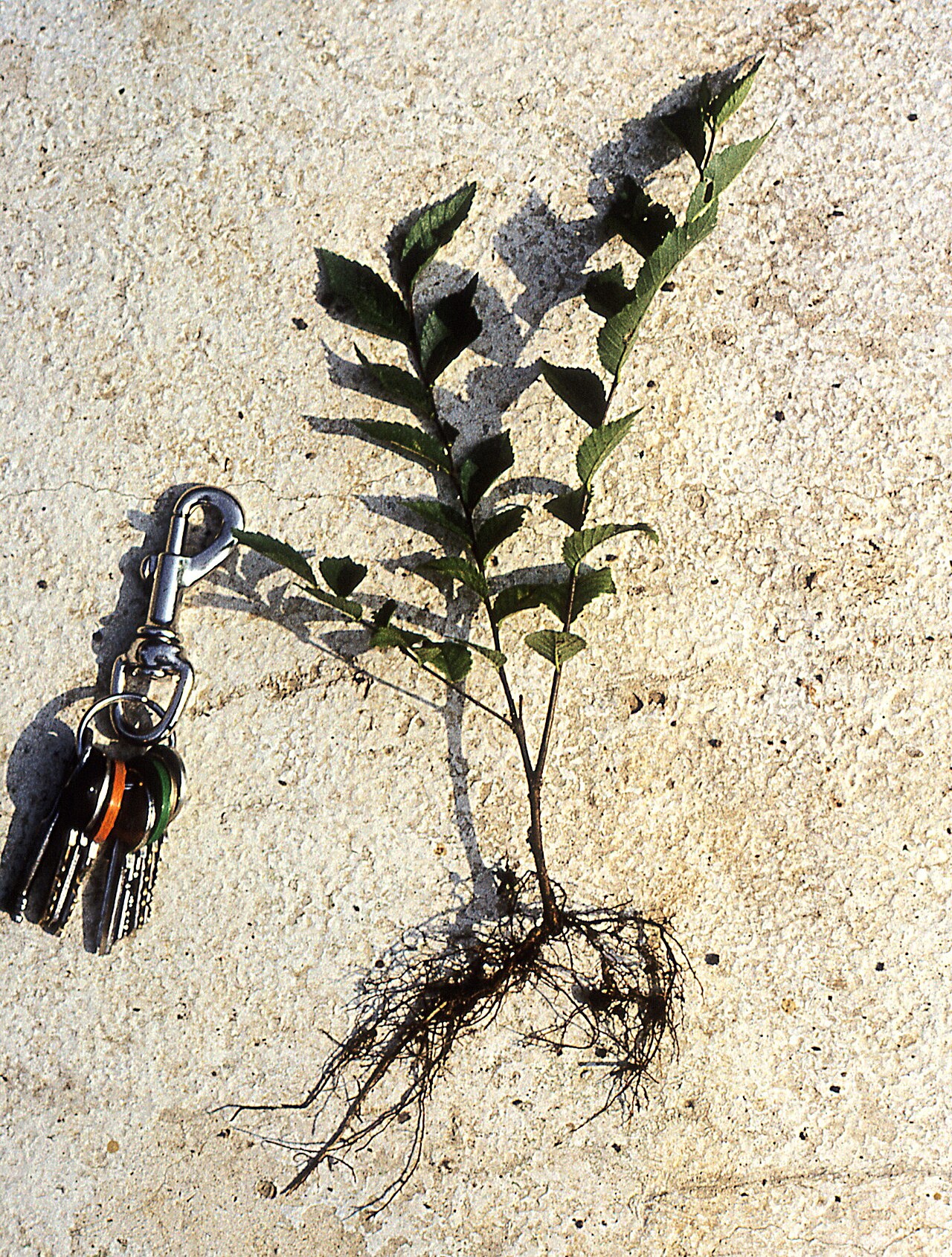
After a couple of weeks, give a cutting a very gentle tug. Resistance means roots have formed. New leaf growth at the tip is another good sign. Roots showing at the pot’s drainage holes confirm it.
Step 9: Harden Off the Rooted Cuttings
Rooted cuttings have spent weeks in humid air. They need time to adjust before facing normal conditions.
The USDA NRCS fact sheet describes the process: once rooting begins, remove the plastic for longer periods each day over seven to ten days, then take it off permanently.
If the cuttings wilt when uncovered, put the plastic back for a day and slow the schedule down.
Step 10: Pot Up and Grow On
Move each rooted cutting into its own pot of good potting mix. Water well and keep it in light shade for a week or two, then give it more sun.
Most home propagators grow the young plants on in pots through their first season. Planting out in fall or the following spring gives them a stronger root system before facing summer heat.
When you plant them out, the same rules apply as for any container plant. Loosen circling roots, set the plant at the right depth, and keep the root ball moist. Our guide to newly planted beautyberry wilting covers the first-season watering checks.
Troubleshooting at a Glance
| Cuttings wilt within hours | Not enough humidity, or too much sun. Cover them and move to bright shade. |
| Stems turn black at the base | Rot from a soggy medium. Use a better-draining mix and water less. |
| Leaves drop, stem stays green | Stress, not necessarily failure. Keep it humid and wait. |
| No roots after several weeks | Wood too old or too cool. Try softer shoots earlier next spring and keep the medium warm. |
| Rooted, then collapsed when uncovered | Hardened off too fast. Re-cover and wean over a longer period. |
Other Ways to Propagate Beautyberry
From seed
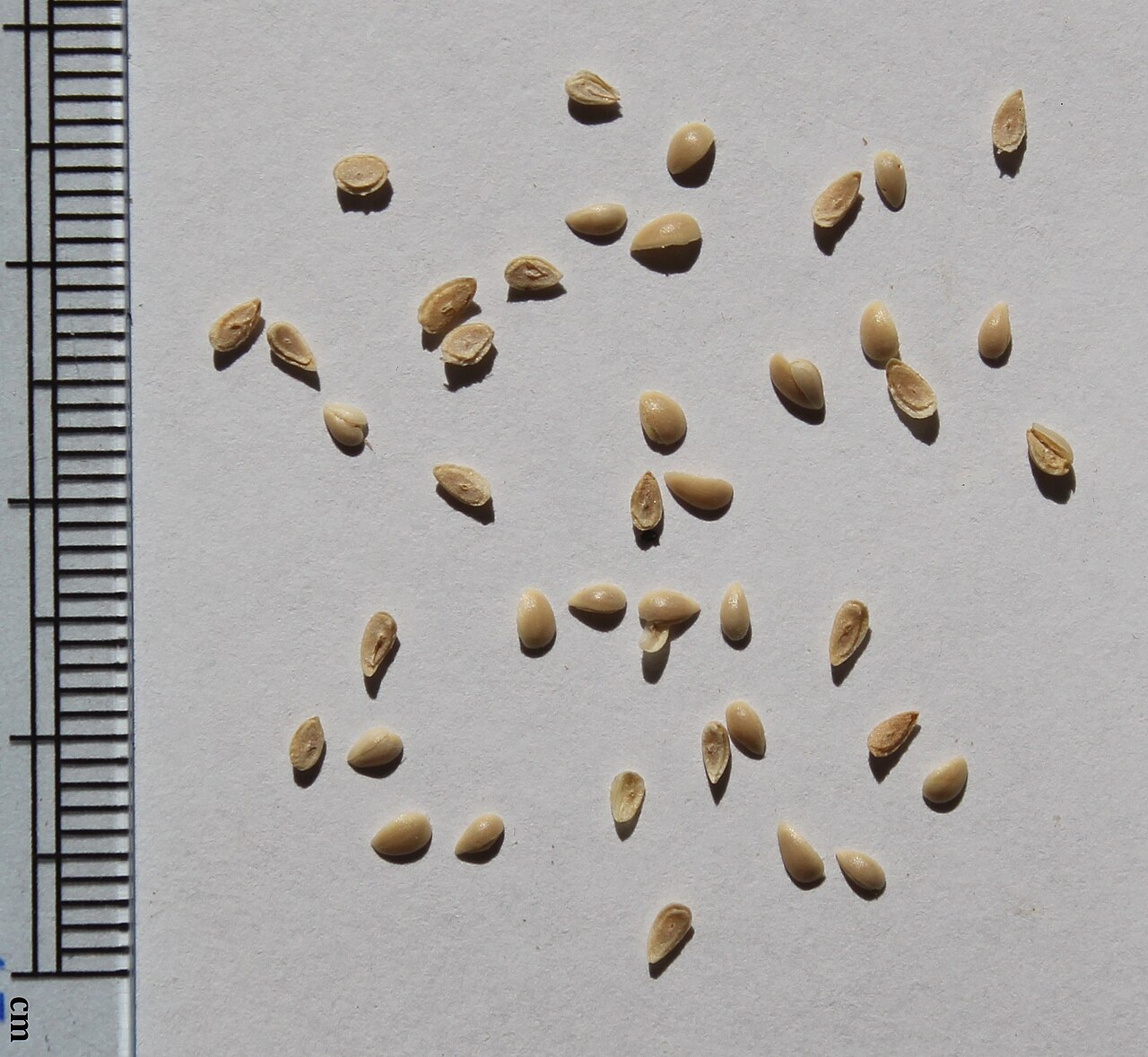
Beautyberry also grows easily from seed. The USDA NRCS fact sheet notes each berry holds 2 to 4 seeds. It describes cleaning them by pulsing ripe berries with plenty of water in a blender on low speed. Mature seeds sink, and pulp and skins float off.
The same source says berries planted in fall can germinate in spring. The Wildflower Center reports one grower got adequate germination after one month of cold stratification.
Seed is the better choice for large numbers of plants. Cuttings are the better choice when you want an exact copy of a particular plant, such as a white-fruited form or an especially heavy-fruiting shrub.
Volunteer seedlings and division
Birds spread beautyberry seed, so check under and around established plants for seedlings. The USDA NRCS notes volunteer plants are hardy and can be dug and moved.
The Wildflower Center adds that large clumps of mature plants can be separated in winter. This is less common and best kept for big, multi-stemmed plants.
What about hardwood cuttings from your late-winter prunings? The published method uses 5- to 8-inch cuttings, strong hormone, and intermittent mist. That makes it harder at home than softwood cuttings. If you’re cutting your shrub back anyway, as described in our guide to pruning beautyberry in a small garden, a few test cuttings cost nothing.
The same softwood approach works for many native shrubs. See our guides on propagating viburnum and propagating elderberry for comparison.
A Year-Round Propagation Calendar
- Late winter: prune parent plants hard if needed. Vigorous regrowth gives you better cutting material.
- Late spring – early summer: take softwood cuttings after the first growth flush, before flowering.
- Summer: harden off and pot up rooted cuttings. Keep them in light shade and water regularly.
- Fall: collect ripe berries for seed. Plant out well-rooted cuttings, or hold them in pots over winter.
- Winter: protect potted plants from hard freezes, and divide large clumps if needed.
📋 More on this plant: read the full American Beautyberry (Callicarpa americana) profile, or find it in our native plant lists for Georgia, Alabama & Mississippi, Arkansas, Louisiana, Eastern Oklahoma & Eastern Texas, Kentucky & Tennessee, and Illinois, Iowa & Missouri.
Frequently Asked Questions
Can you root beautyberry cuttings in water?
The published methods for this species use a rooting medium with hormone and plastic cover. A moist, well-drained medium is the more reliable choice, and it avoids moving tender water-grown roots into soil later.
How long do beautyberry cuttings take to root?
Softwood cuttings are quick. The Lady Bird Johnson Wildflower Center reports roots beginning in 1 to 2 weeks, and the USDA NRCS gives a few weeks.
Can I stick beautyberry cuttings straight in the garden?
It’s not recommended. The Wildflower Center doesn’t expect cuttings put directly in the ground to do well. Root them in pots under cover first.
Will a cutting from a white-berried beautyberry have white berries?
Yes. A cutting is a genetic copy of its parent, so it keeps the parent’s fruit color. Seedlings may not.
When will a beautyberry grown from a cutting produce berries?
Beautyberry fruits on new growth, so a well-grown young plant can flower and fruit once it’s established in the ground. Expect a light crop at first while the root system develops.
Sources
- Lady Bird Johnson Wildflower Center, Mr. Smarty Plants, Propagation of American Beautyberry: softwood timing, cutting length, hormone strength, rooting time, hardwood cuttings, seed and division (citing Jill Nokes).
- Lady Bird Johnson Wildflower Center, Callicarpa americana: propagation methods overview.
- USDA NRCS East Texas Plant Materials Center, Plant Fact Sheet: American Beautyberry: cutting length, IBA strength, temperature, plastic cover and hardening off, seed cleaning, volunteer seedlings.
- Native Plant Society of Texas, Callicarpa americana: seed and cutting propagation notes.
- Missouri Department of Conservation, American Beautyberry: conservation status in Missouri.
- North Carolina Extension Gardener Plant Toolbox, Callicarpa americana: propagation by seed or stem cuttings, flowering on new shoots.