Black Gum for Fall Color: Choosing a Place It Can Grow Into
Last updated: November 6, 2026
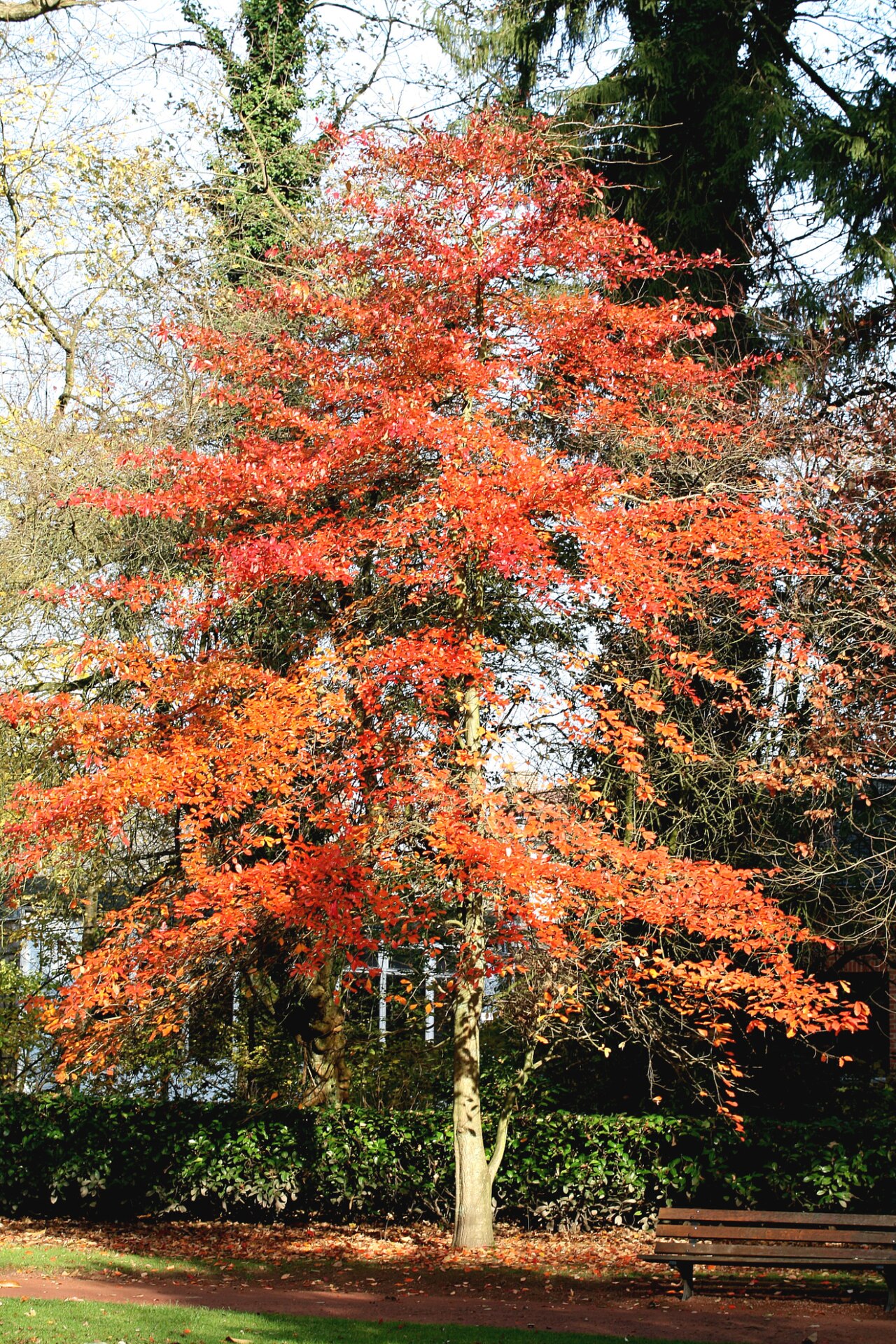
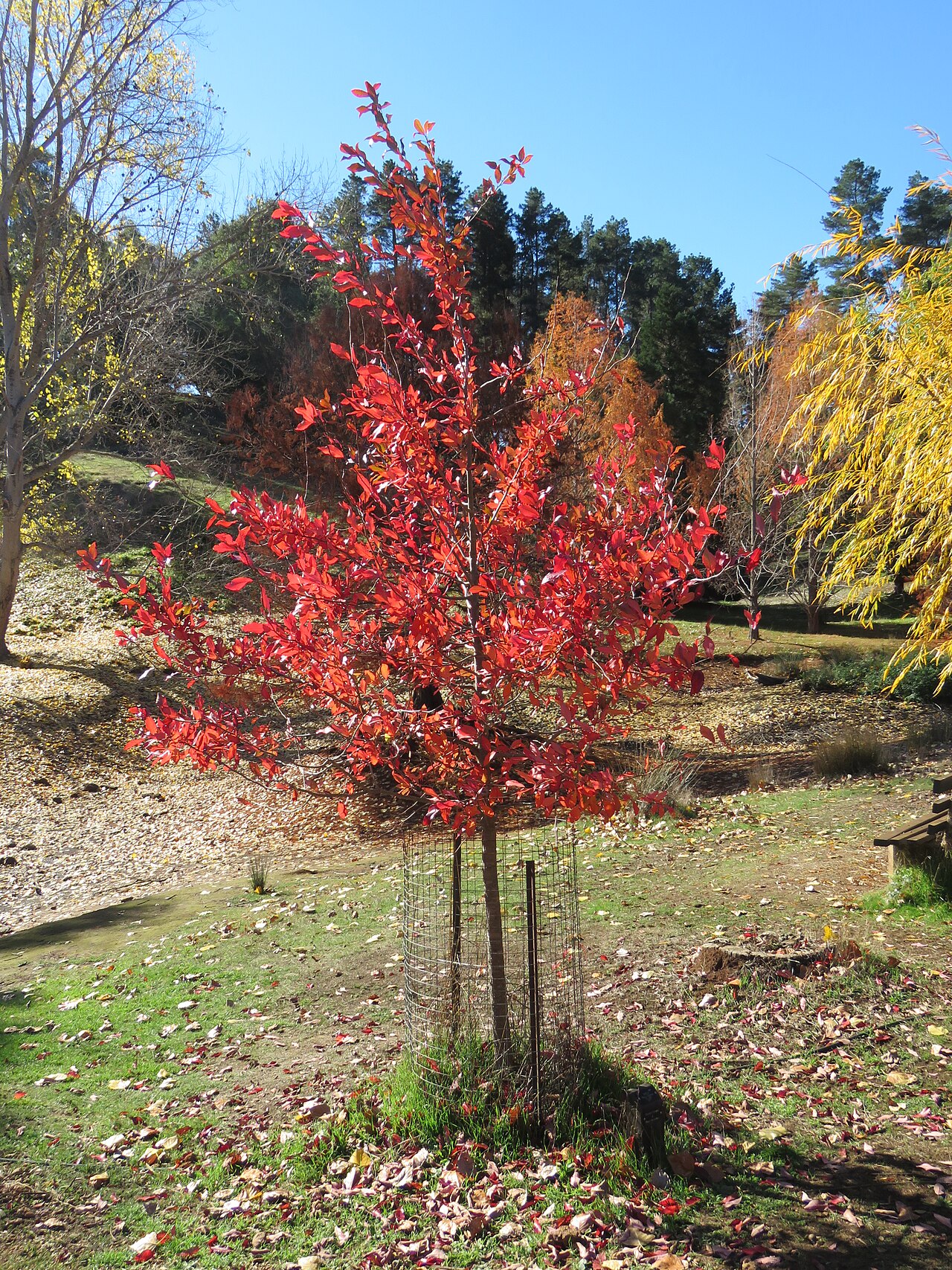
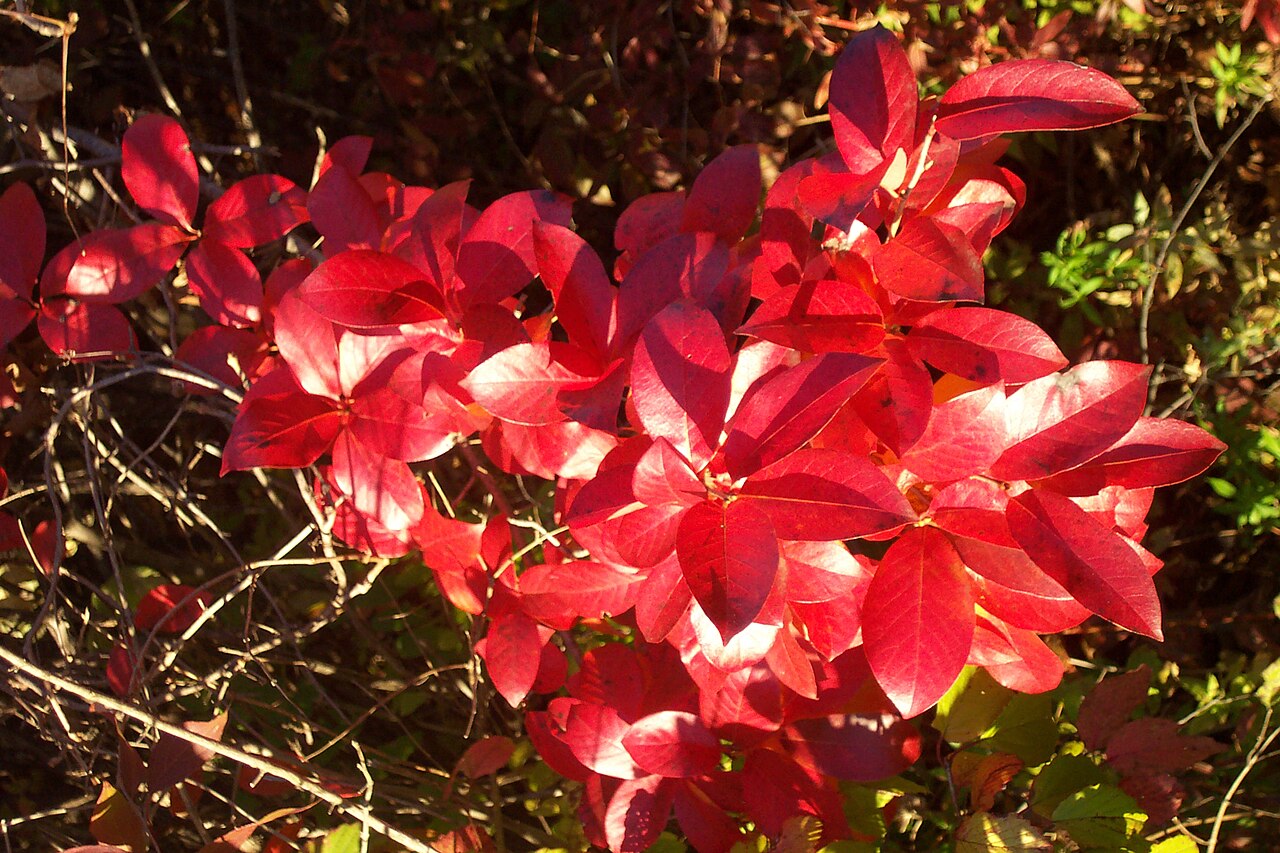
Few native trees match black gum in fall. Its glossy summer leaves turn scarlet, orange, yellow and purple, often before other trees have started to change.
That color tempts people to tuck a young tree into whatever gap is free. But black gum is slow, long-lived and hard to move once it settles in, so the place you choose on planting day is the place it will stay for decades.
This guide walks through how to pick a site the tree can grow into: mature size, light for the best color, soil, sight lines, and what to plant nearby.
Plan at a Glance
| Site | Open lawn, yard edge, or wet low spot with room for a medium-to-large tree |
| Size | 40 to 70 feet tall at maturity, typically 20 to 30 feet in cultivation (NC State Extension) |
| Sun | Full sun preferred; tolerates part shade |
| Soil | Moist, acidic soil; tolerates poor drainage and some drought; not alkaline soil |
| Maintenance | Low once established; slow to settle in, so first-years care matters |
| Best regions | Eastern U.S. from southern Maine to Michigan, Illinois and southeastern Missouri, south to the Florida Panhandle and east Texas |
Size Up the Space It Will Need
Sizes vary by source because black gum varies by site. NC State Extension gives a mature height of 40 to 70 feet but notes that landscape trees typically reach 20 to 30 feet. The Lady Bird Johnson Wildflower Center says 30 to 60 feet or taller, and the Missouri Department of Conservation lists wild trees up to 100 feet.
Young trees are pyramidal; older trees become more oval or flat-topped, with long horizontal branches. Wikipedia’s summary notes the crown spreads with age. Plan for the mature tree, not the narrow sapling.
NC State lists 24 to 60 feet of available space for the species. As a reference point, its narrow cultivars, such as Fire Starter and Afterburner, are listed at about 35 feet tall and 18 to 20 feet wide. The wild-type tree will usually spread wider than that.
Mark a circle at least 30 feet across where the trunk will go, and keep walls, roof lines, decks and wires outside it. Where you have more room, give it more. Our tulip tree canopy-mapping guide shows the string-and-flags method in detail.
Check for Utilities and Structures
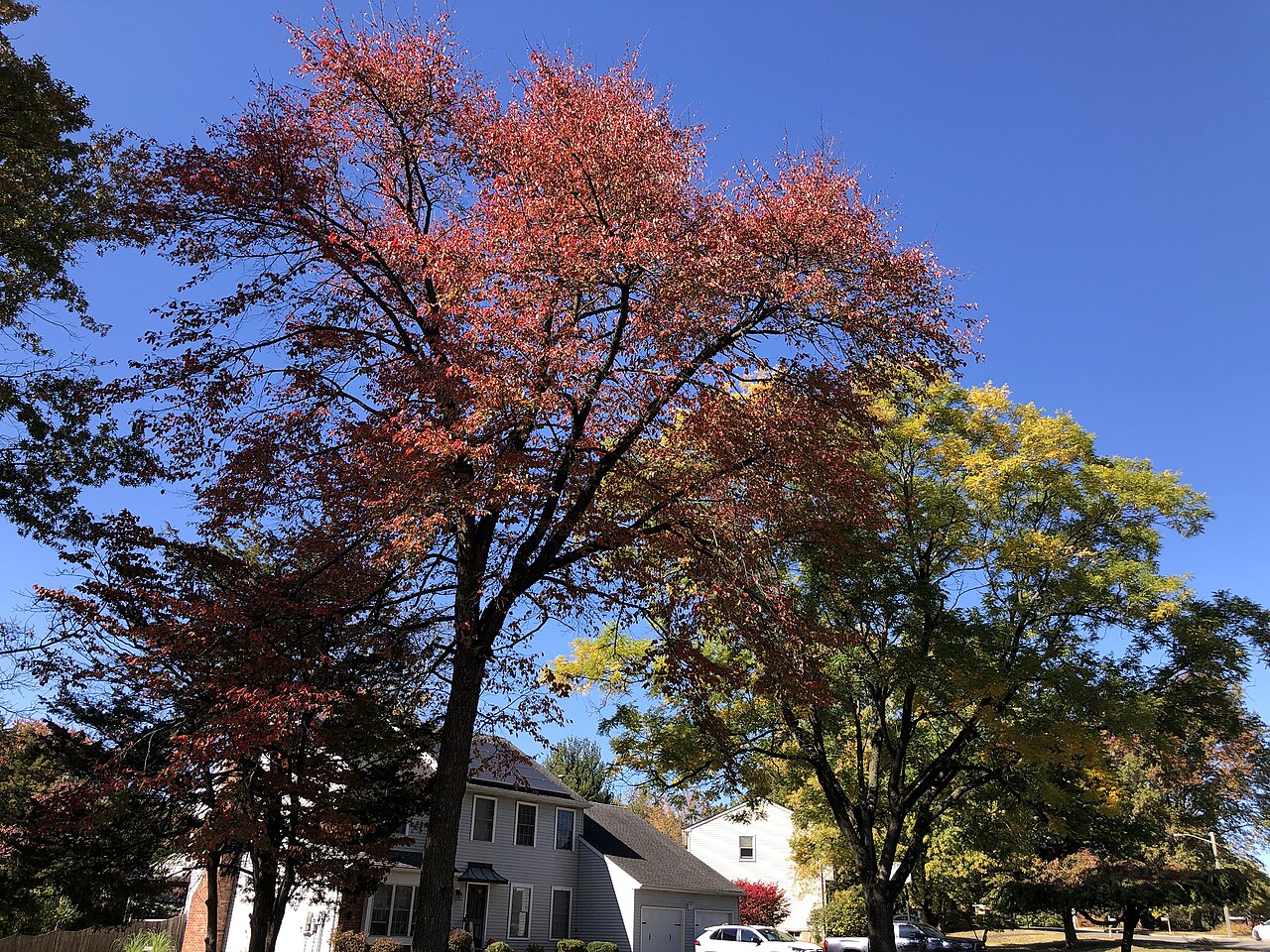
The International Society of Arboriculture (ISA) advises tree planters to look up for overhead wires and look down for buried lines. A tree that will top 40 feet does not belong under a utility line, where it would eventually need clearance pruning that can leave it misshapen and shorten its life.
In the United States, contact 811 a few business days before you dig, and wait for all utilities to mark their lines. ISA also notes that roots commonly spread well beyond the crown, so leave buried lines and septic systems a wide margin.
We do not give a fixed setback from foundations because safe distances depend on soil and construction. Your extension office, utility company or an ISA Certified Arborist can help with tight lots.
Plant It Where It Can Stay
This is the most important rule for black gum. NC State says to site it in a permanent location because its long taproot makes it difficult to transplant later. The Wildflower Center says it transplants poorly because of a fleshy, non-fibrous root system.
The Missouri Department of Conservation adds that black gum is slow to establish after transplanting, so after-planting care is important. Put those together and the lesson is simple: decide carefully once, and do not plan to move it in a few years.
Light for the Best Fall Color
Black gum grows in sun, part shade and shade according to the Wildflower Center, and Missouri notes it often grows with or under oaks and pines in the wild. NC State, though, says it prefers full sun in the landscape.
For a fall-color tree, full sun is the better choice. Place it where it gets direct light for most of the day and where you can see it from the house, the street or a favorite chair.
One regional note from the Wildflower Center: trees in warmer climates may not color as brightly. In the Deep South, expect a good show in most years rather than a guaranteed blaze.
Soil and Moisture
Black gum is unusually flexible about water. The Wildflower Center lists its native habitat as low, wet woods as well as drier, sandy sites, and notes it tolerates poor drainage. NC State says it tolerates poorly drained soils and standing water, some drought and some dry soils.
The firm limit is pH. NC State says it is intolerant of alkaline soils, and the Wildflower Center lists no tolerance for calcium carbonate. Test your soil before planting if you live on limestone or in a new subdivision with alkaline fill.
The Wildflower Center also recommends plants of local ecotype, because the tree grows across such a wide range of habitats. Buy from a nursery that sources regional seed when you can.
Design Around the Tree
Think about where the tree will sit in your view, not just where it fits.
- As a specimen. A lone black gum on an open lawn, seen against evergreens or a plain background, shows off its fall color and horizontal branches best.
- At the yard edge. Set it a full crown radius in from the property line so it can develop evenly, with shrubs beneath its outer edge.
- In a wet corner. It suits low spots where many shade trees struggle. The Wildflower Center lists it for bog and pond areas.
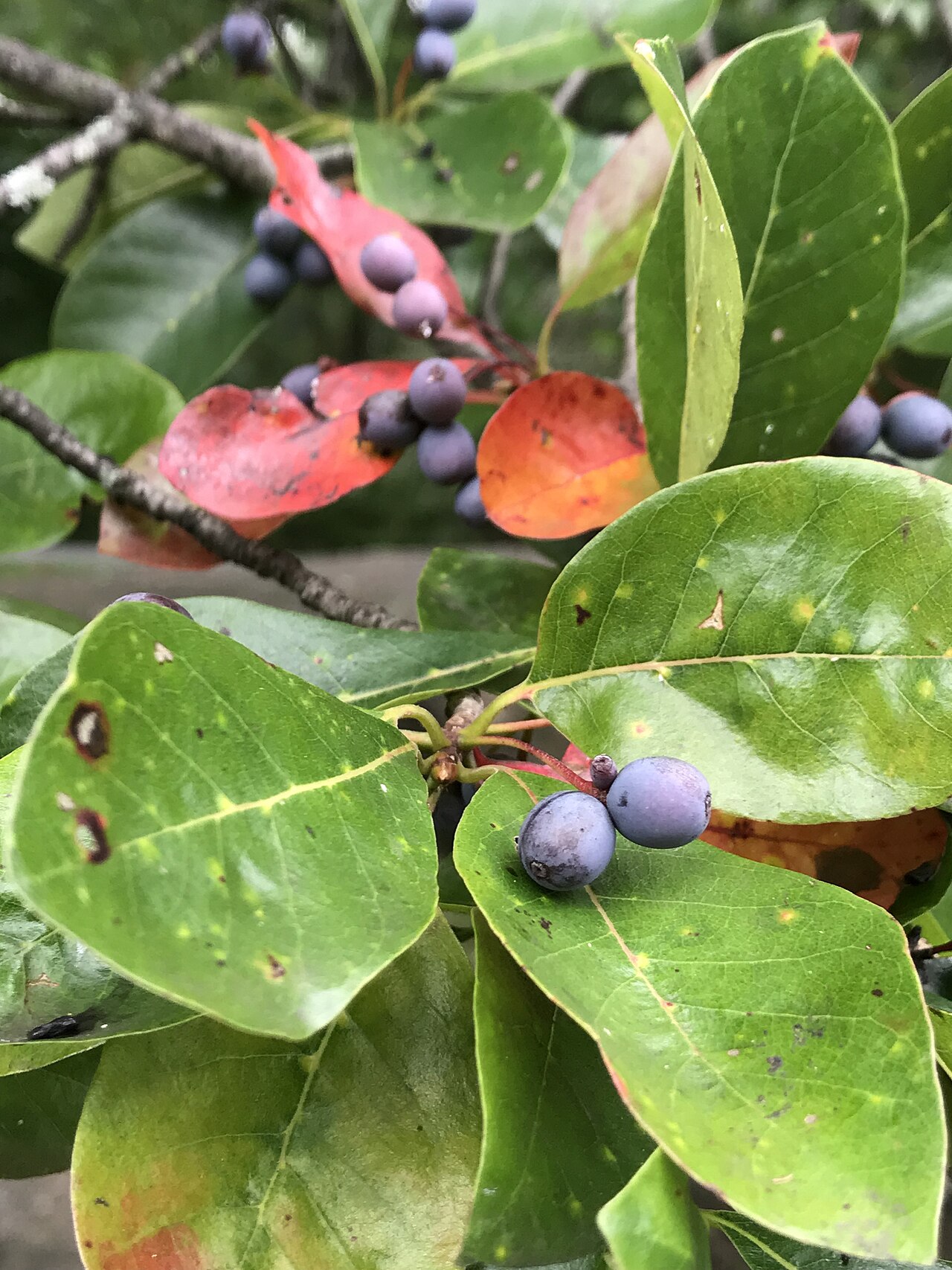
- Near a patio. Female trees drop small blue fruit in fall. NC State notes fruit forms on female trees only, and they need a male nearby to set fruit, so fruit drop varies from tree to tree.
Plant Palette
Heights and ranges are from the Lady Bird Johnson Wildflower Center unless noted. Confirm each plant is native to your county before buying.
| Plant | Role | Height | Sun / moisture | Native range |
|---|---|---|---|---|
| Black gum (Nyssa sylvatica) | Fall-color specimen or shade tree | 30–60 ft or taller | Sun to shade / moist, tolerates wet | S. ME to MI, IL and S.E. MO, south to FL Panhandle and east TX |
| American hornbeam (Carpinus caroliniana) | Understory tree at the shady edge | 20–30 ft (NC State) | Part shade to shade / moist | S. Ontario and central ME to central FL, west to MN and east TX |
| Virginia sweetspire (Itea virginica) | Shrub layer under the outer crown | Usually 3–6 ft, up to 10 ft | Part shade / moist | S. NJ to KY, S. IL, MO and OK, south to FL and TX |
Keep the palette simple. The tree is the star, and a clean mulched ring or a low layer beneath it lets the fall color carry the scene.
If your yard already has big shade trees, see our shady-yard layout built around American hornbeam for the layers beneath the canopy.
Regional alternates
Plant choices must match your region. Virginia sweetspire is native only from southern New Jersey and Kentucky south, so northern gardeners should choose a local shrub from the regional lists below.
On the southeastern Coastal Plain, the Wildflower Center notes swamp tupelo (Nyssa biflora), a close relative with narrower leaves, in swamps from Delaware to eastern Texas. It is worth considering for truly wet ground.
Installation Steps
The Wildflower Center recommends moving black gum in spring before growth begins. These steps follow ISA tree-planting guidance.
- Choose a small, container-grown tree. Given its sensitive roots, a young tree is easier to plant without disturbing them.
- Call 811 and mark the full crown circle around the planting spot.
- Dig wide, not deep. ISA recommends a hole two to three times wider than the root ball and only as deep as the root ball, with the trunk flare partly visible.
- Handle the root ball gently. Remove the container, deal with any circling roots, and set the tree by lifting the root ball, not the trunk.
- Backfill and water. Fill firmly and water as you go. ISA advises against fertilizing at planting.
- Mulch. Spread 2 to 3 inches over the root zone, keeping it off the trunk.
First-Three-Years Maintenance Calendar
- Year 1, spring to fall: water weekly in dry weather and more often in heat, tapering off by mid-fall (ISA). Missouri stresses after-planting care because the tree establishes slowly.
- Year 1, late summer: do not panic if the leaves color early. The Missouri Department of Conservation notes black gum often turns in late summer, well before frost.
- Year 2: keep watering through droughts, widen the mulch ring, and watch for leaf spots. NC State lists leaf spots, cankers and rust as occasional problems.
- Year 3: begin light structural pruning in late winter if needed, keeping a single strong leader. NC State says growth reaches about 12 to 15 feet in ten years, so steady, modest growth is normal.
- Every fall: rake fruit off patios and paths if a female tree drops heavily, and leave leaves in nearby beds as mulch.
Mistakes to Avoid
- Planting it as a temporary tree. Its taproot makes later transplanting difficult.
- Siting it for a sapling instead of a mature tree. Measure the full crown circle first.
- Planting under wires. A 40-plus-foot tree needs open sky.
- Ignoring soil pH. Alkaline soil is the one condition black gum will not tolerate.
- Burying it in shade. It will grow there, but the fall color you planted it for will be weaker.
📋 Find plants for your region: see the full Black Gum (Nyssa sylvatica) profile or our native plant lists for Connecticut, Massachusetts & Rhode Island, New York, Pennsylvania & Northern New Jersey, Delaware, Southern New Jersey & Long Island, Maryland, Virginia & West Virginia, North & South Carolina, Georgia, Alabama & Mississippi, Arkansas, Louisiana, Eastern Oklahoma & Eastern Texas, Kentucky & Tennessee, Ohio & Indiana, and Illinois, Iowa & Missouri.
Frequently Asked Questions
How fast does black gum grow?
Slowly at first. NC State says it reaches about 12 to 15 feet in roughly ten years, growing faster with good watering. It is slow to establish after planting.
Does black gum need full sun for fall color?
It grows in sun to shade, but NC State says it prefers full sun, and trees in good light generally color best. Trees in warmer climates may color less brightly.
Will a black gum drop messy fruit?
Only female trees fruit, and they need a male nearby. The fruit is small and dark blue, and birds and mammals eat much of it. Keep fruiting trees back from patios if you want clean paving.
Is black gum the same as sweetgum?
No. The Missouri Department of Conservation notes black gum lacks the spiny seed balls of the unrelated sweetgum, despite the similar name.
Can I move a black gum after a few years?
It is risky. NC State and the Wildflower Center both say it transplants poorly because of its root system. Choose a permanent site from the start.
Sources
- NC State Extension Gardener Plant Toolbox, Nyssa sylvatica: mature and landscape size, growth rate, sun and soil, alkaline intolerance, taproot and transplanting, dioecious fruiting, pests, cultivars, available space.
- Lady Bird Johnson Wildflower Center, Nyssa sylvatica: height, distribution, habitat, local ecotype, poor transplanting, spring moving, warm-climate color, swamp tupelo. Companion data from the Wildflower Center pages for American hornbeam and Virginia sweetspire.
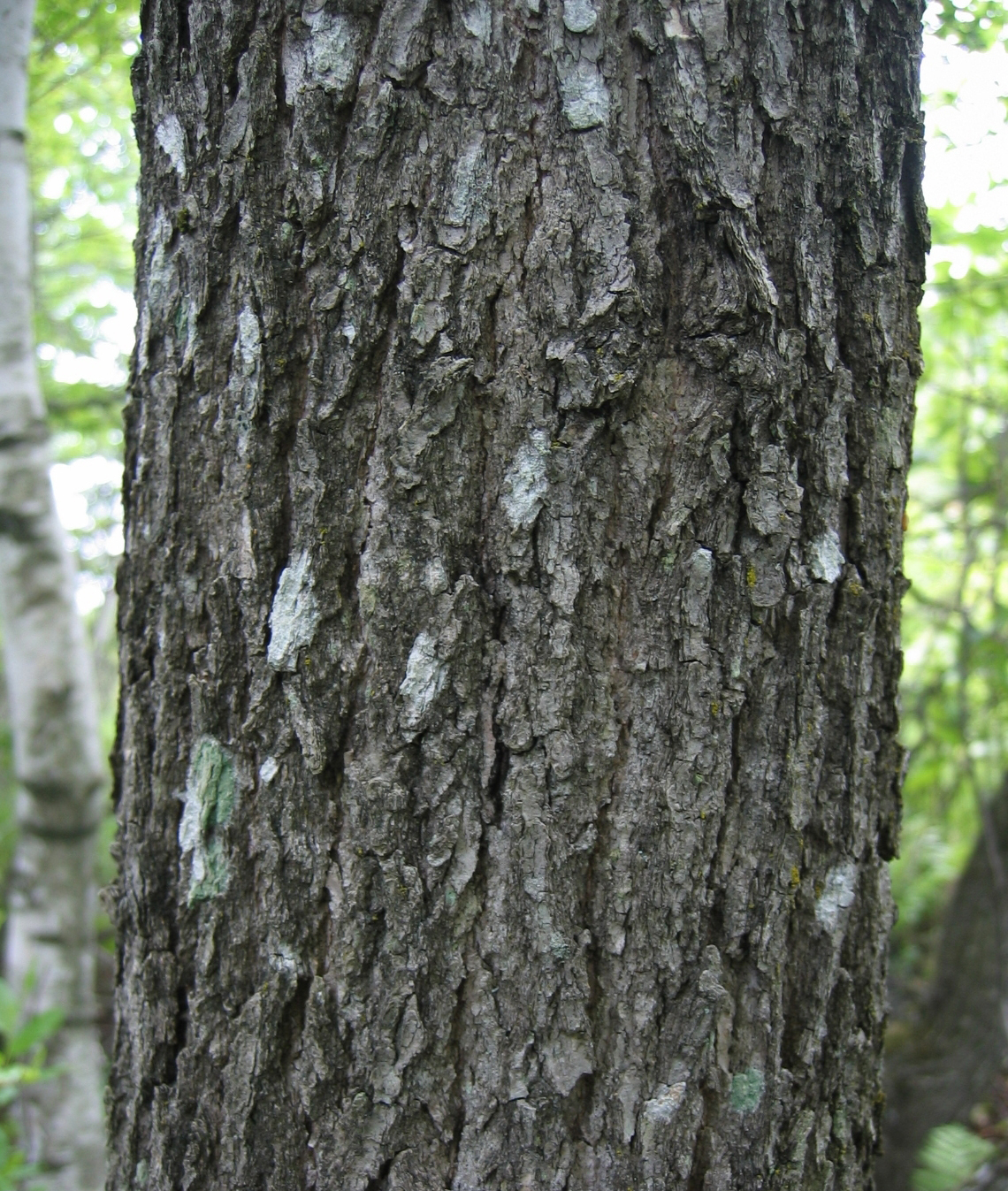
- Missouri Department of Conservation, Black gum field guide: form, early fall color, bark, slow establishment, wildlife, comparison with sweetgum.
- International Society of Arboriculture, Planting a Tree: planting steps, watering, mulching, utility conflicts and root spread.
- 811 Before You Dig, Contact 811 before every dig.
- Wikipedia, Nyssa sylvatica: crown shape spreading with age.