Native Plants Beside a Hot Driveway: Match Reflected Heat and Available Soil
Last updated: November 6, 2026
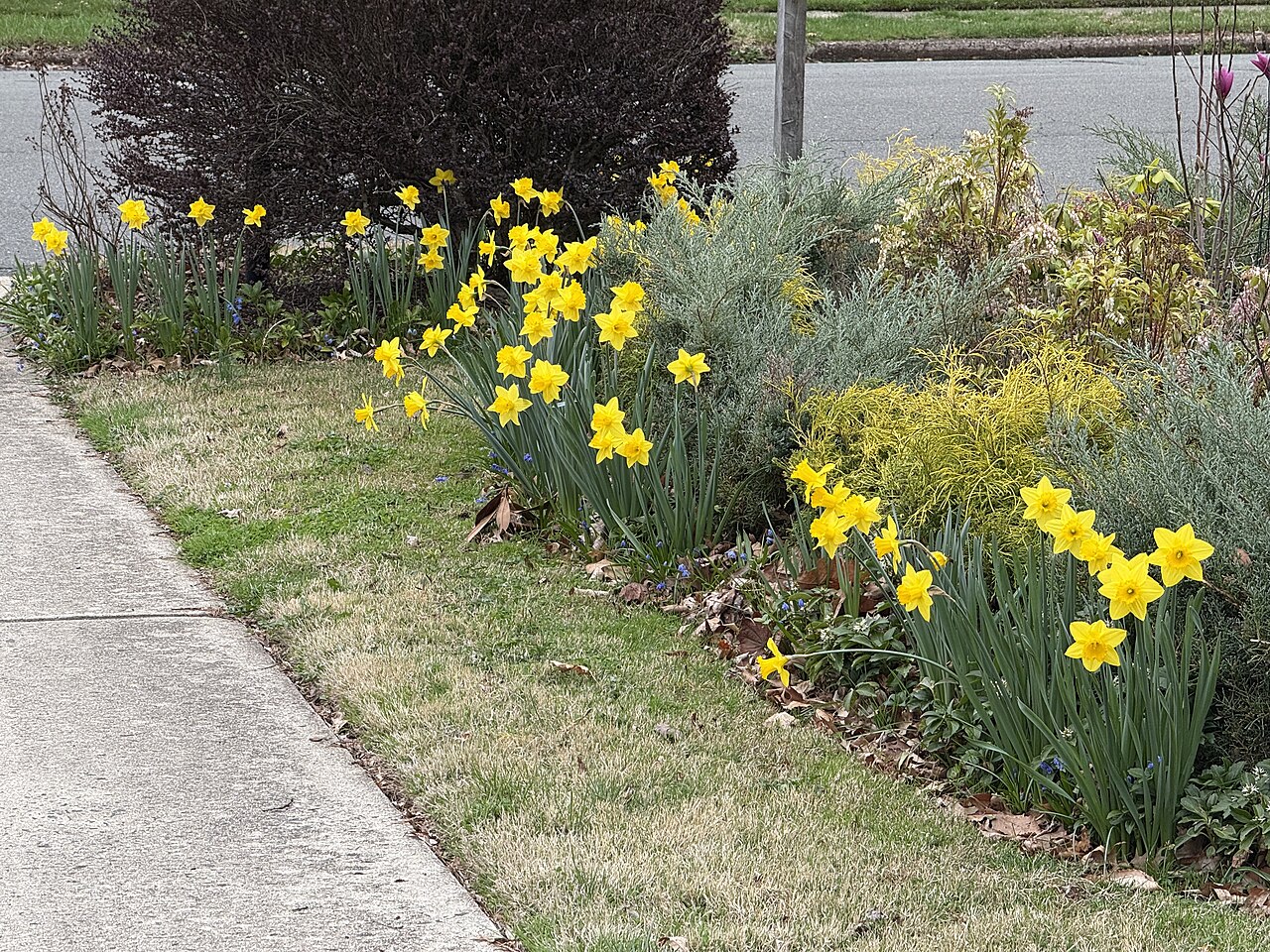
The strip beside a driveway looks like an easy place to plant. It is sunny, visible from the street and usually free of tree roots.
It is also one of the harshest spots in the yard. Pavement heats up and radiates that heat into the bed, the soil is often thin and compacted, and in cold regions it collects plowed snow and deicing salt every winter.
This plan helps you match native plants to the two things that matter most beside a hot driveway: how much heat the strip really takes, and how much usable soil you actually have.
Plan at a Glance
| Site | A sunny strip along a driveway, parking pad or walk |
| Size | Any length; the sample plan is a 3-foot-wide strip, 30 feet long |
| Sun | Full sun plus heat from the pavement |
| Soil | Often compacted, low in organic matter and possibly salty |
| Maintenance | Low once established; spring cleanup and occasional editing |
| Best regions | Eastern and central U.S. for most plants named; Plains and western alternates included |
Why Driveway Edges Are So Hard on Plants
Penn State Extension describes the strip between sidewalk and street as a garden of extremes. The same conditions apply along most driveways.
It lists soil compaction from foot traffic and construction, low organic matter, heat stress from adjacent pavement, moisture that swings from wet in winter to dry in summer, and road salts and animal urine.
Penn State’s advice is to design within those constraints rather than fight them. That means choosing plants that tolerate the site first and improving the soil second.
Site Assessment
Map the heat
Watch the strip across a full day, as Penn State recommends, because buildings, parked cars and the sun’s seasonal angle change the light. Note whether the drive faces south or west. Those edges get the strongest afternoon sun on top of heat from the paving.
Penn State’s light categories help you sort zones: full sun is six or more hours of direct sun, part sun four to six, part shade two to four, and shade less than two.
Measure the available soil
Push a spade or soil probe in at several points across the strip. Many driveway edges have a narrow band of good soil over compacted fill or the gravel base of the drive. Note how deep you can dig and how wide the usable soil really is.
Before any digging, call 811 in the U.S. so utility lines are marked. Driveway edges often carry gas, water or cable lines.
Check for salt and snow
If you or the town use deicing salt, the strip will take runoff and splash. Also note where snow gets piled from shoveling or plowing. Penn State warns that snow load can break stems and compress plants.
Note sightlines and rules
Penn State recommends keeping hellstrip plants under 36 inches and checking local ordinances on height near intersections. The same thinking applies where the driveway meets the street: you need to see over the planting when you back out.
How Salt Changes the Plan
University of Minnesota Extension explains that salt absorbed by roots dehydrates plants, and salt spray can burn foliage, especially on evergreens. Sodium also makes clay particles expand, which increases compaction and slows water infiltration.
Iowa State University Extension adds that high soil salt causes “physiological drought,” where plants cannot take up enough water even in moist soil. Symptoms include stunted growth, leaf-edge scorch, early fall color and twig dieback.
Minnesota’s guidance shapes the layout. It recommends salt-tolerant plants that die back each winter for areas along driveways and walks, keeping evergreens away from salted surfaces, and planting trees and shrubs at least 3 feet from driveways and walks where salt is used.
You can also cut the salt load at the source. Iowa State notes that calcium chloride, potassium chloride and magnesium chloride are less harmful to plants than sodium chloride. Calcium magnesium acetate causes little or no damage but costs far more.
Sand and other abrasives add traction without harming plants, though they do not melt ice.
Design: Work in Three Zones
Think of the strip as three bands running parallel to the pavement. The exact widths depend on your site, but the order rarely changes.
Driveway-Edge Planting Zones
Use these bands as a starting point and adjust them to your soil depth and salt use.
| Zone | Conditions | What to plant |
|---|---|---|
| Pavement edge (first foot or so) | Hottest, driest, most salt and snow | Low, tough perennials and grasses that die back in winter |
| Middle band | Hot but less salt splash | Main flowering perennials and clumping grasses |
| Back band (3 feet or more from salted paving) | Best soil, least salt | Small deciduous shrubs, per Minnesota’s 3-foot guidance |
Keep it low at the edge
Low plants at the pavement edge keep car doors and feet clear, and they look tidy from the street. Penn State recommends placing shorter plants along walks and keeping them neat as a cue that the bed is cared for.
Repeat and plant densely
Penn State’s design advice is to repeat plants along the strip to pull the eye, plant densely so struggling plants are hidden, and vary heights so you do not build a wall. Dense planting also shades the soil and reduces weeds.
Leave a snow zone
In snowy regions, leave a short section of the edge in low plants, such as pussytoes, or plain mulch where you usually pile snow. Penn State notes that herbaceous perennials and small deciduous shrubs with flexible stems cope best with snow.
Plant Palette
Every plant below tolerates dry, sunny conditions according to the Lady Bird Johnson Wildflower Center or N.C. State Extension. Check each against your state before buying.
Plant Palette for a Hot Driveway Strip
Heights, conditions and ranges are from the Lady Bird Johnson Wildflower Center (LBJ) and the N.C. State Extension Plant Toolbox (NCSU).
| Plant | Role | Height | Sun / soil | Native range |
|---|---|---|---|---|
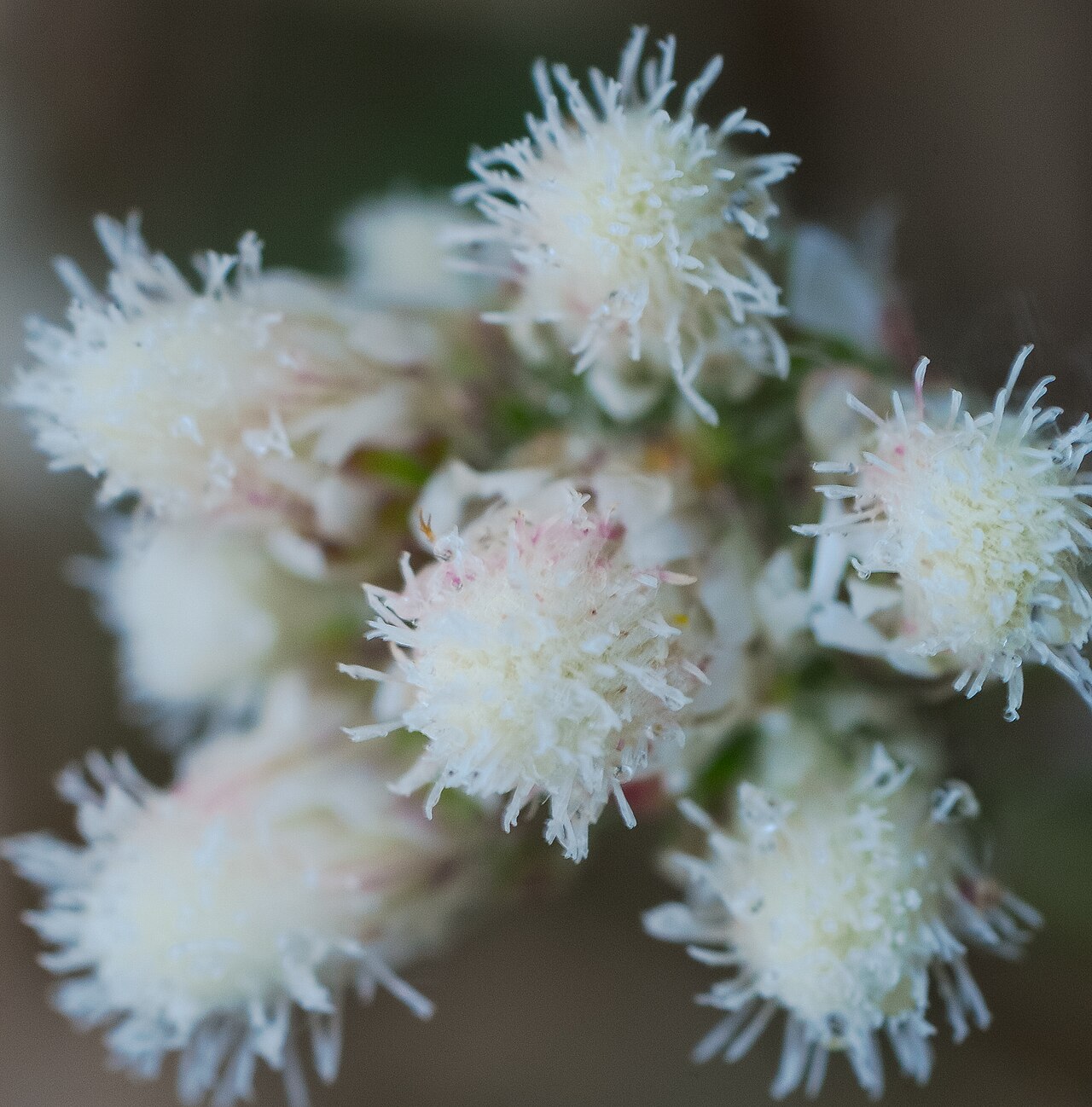
| Field pussytoes | Edge ground cover, snow zone | Low mat | Sun / dry (LBJ) | Much of Canada, south to VA, TN, OK and CO (LBJ) |
| Purple poppy mallow | Sprawling edge flower | Mat to 1 ft | Sun–part shade / rocky or sandy, well drained (LBJ) | Western IA to eastern WY, south to LA, TX and NE NM (LBJ) |
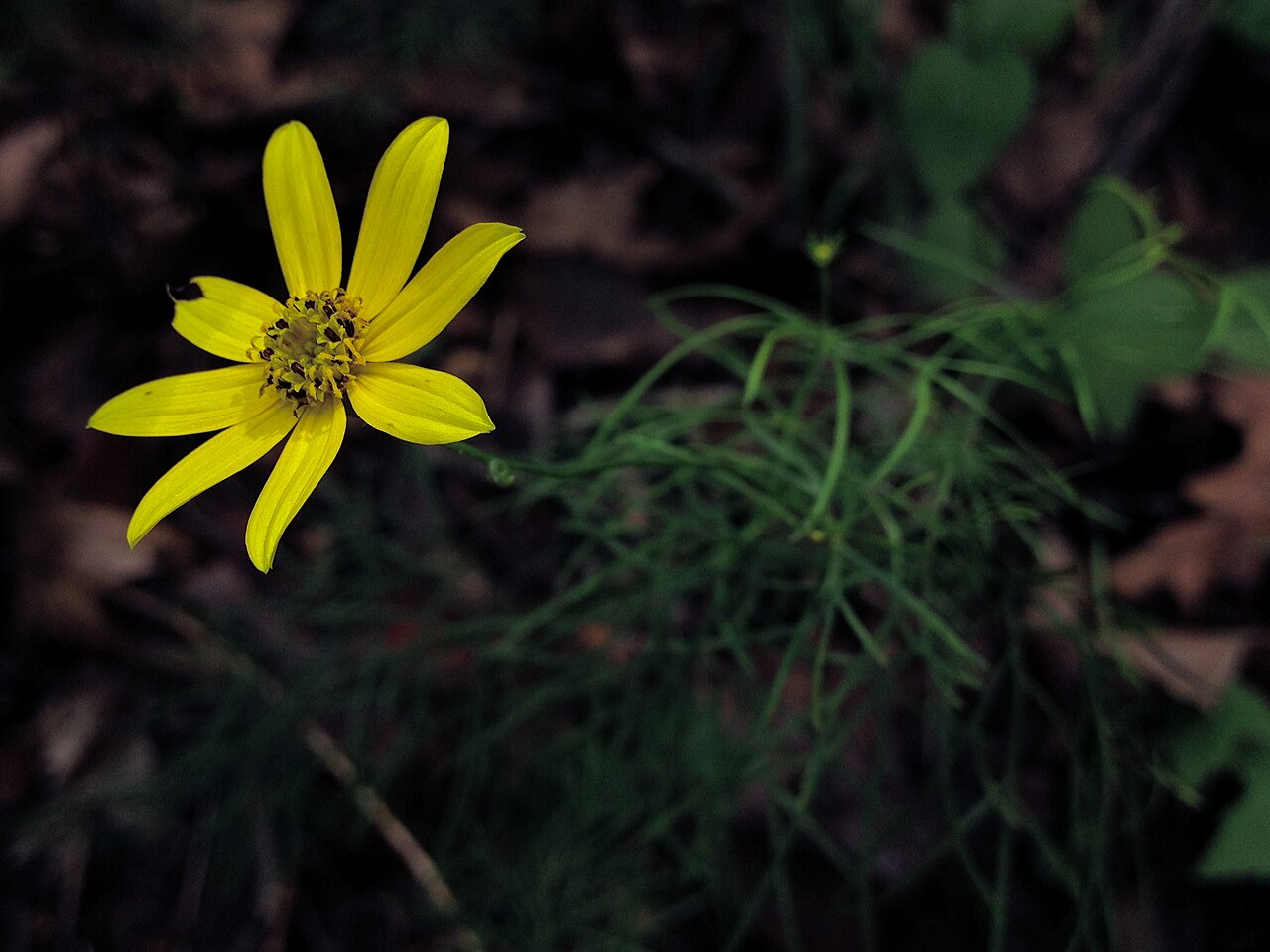
| Threadleaf coreopsis | Fine-textured middle-band flower | 2.5–3 ft | Sun–part shade / well drained (NCSU) | Eastern U.S. and Canada, south to GA (NCSU) |
| Butterfly weed | Summer color, middle band | 1.5–2 ft | Sun / well-drained sandy, drought tolerant (LBJ) | New England to FL, west to TX, north to MN (LBJ) |
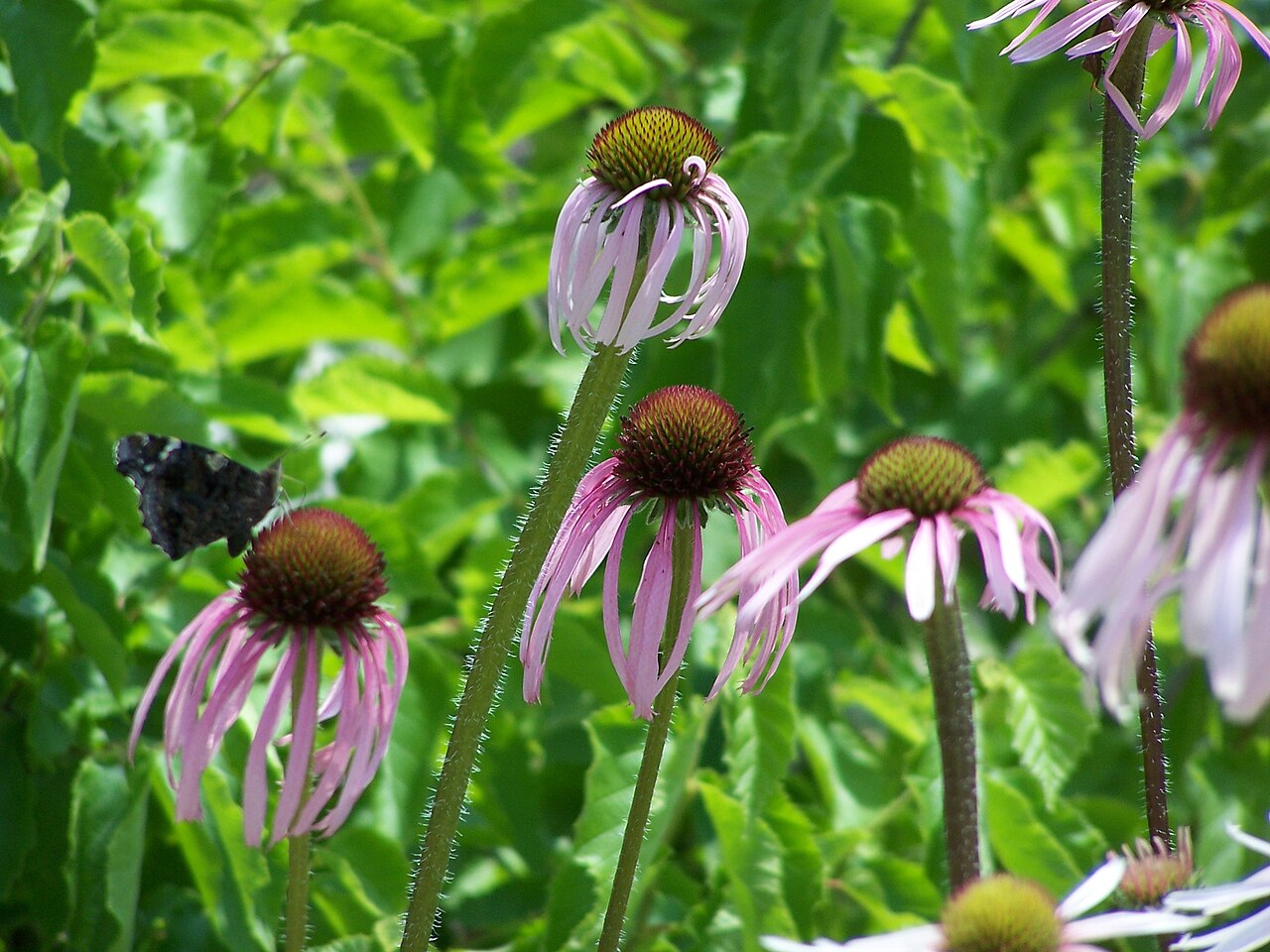
| Pale purple coneflower | Early-summer flower, middle band | 2–4 ft | Sun / dry–moist (LBJ) | WI to eastern KS, south to GA and east TX; rare east of the Mississippi (LBJ) |
| Little bluestem | Repeated grass | Mounds 18–24 in | Sun–part shade / dry, well drained (LBJ) | Much of the U.S. east of the Rockies (LBJ) |
| Prairie dropseed | Fine-textured grass | Seedheads to 3 ft | Sun / dry (LBJ) | Quebec to Saskatchewan, locally south to NC, KY, east TX and CO (LBJ) |
| Shrubby St. John’s wort | Small shrub, back band | Often about 3 ft (LBJ) | Sun–part shade (NCSU) / dry, rocky (LBJ) | NY to southern MI and IA, south to GA, LA and OK (LBJ) |
| Blue grama | Short grass for Plains and western strips | 12–14 in in flower | Sun / dry, gravelly, low organic (LBJ) | Western Ontario to Alberta, south through IL and western MO to TX and southern CA (LBJ) |
Notes on the key plants
Threadleaf coreopsis is one of the best-documented choices for this site. N.C. State’s Plant Toolbox lists it as resistant to heat, drought, dry soil, poor soil and salt.
Shrubby St. John’s wort anchors the back band. The Wildflower Center lists it for dry, rocky soils and says it adapts to a range of moisture levels.
N.C. State notes that sap can cause photosensitivity in some people, so wear gloves when pruning.
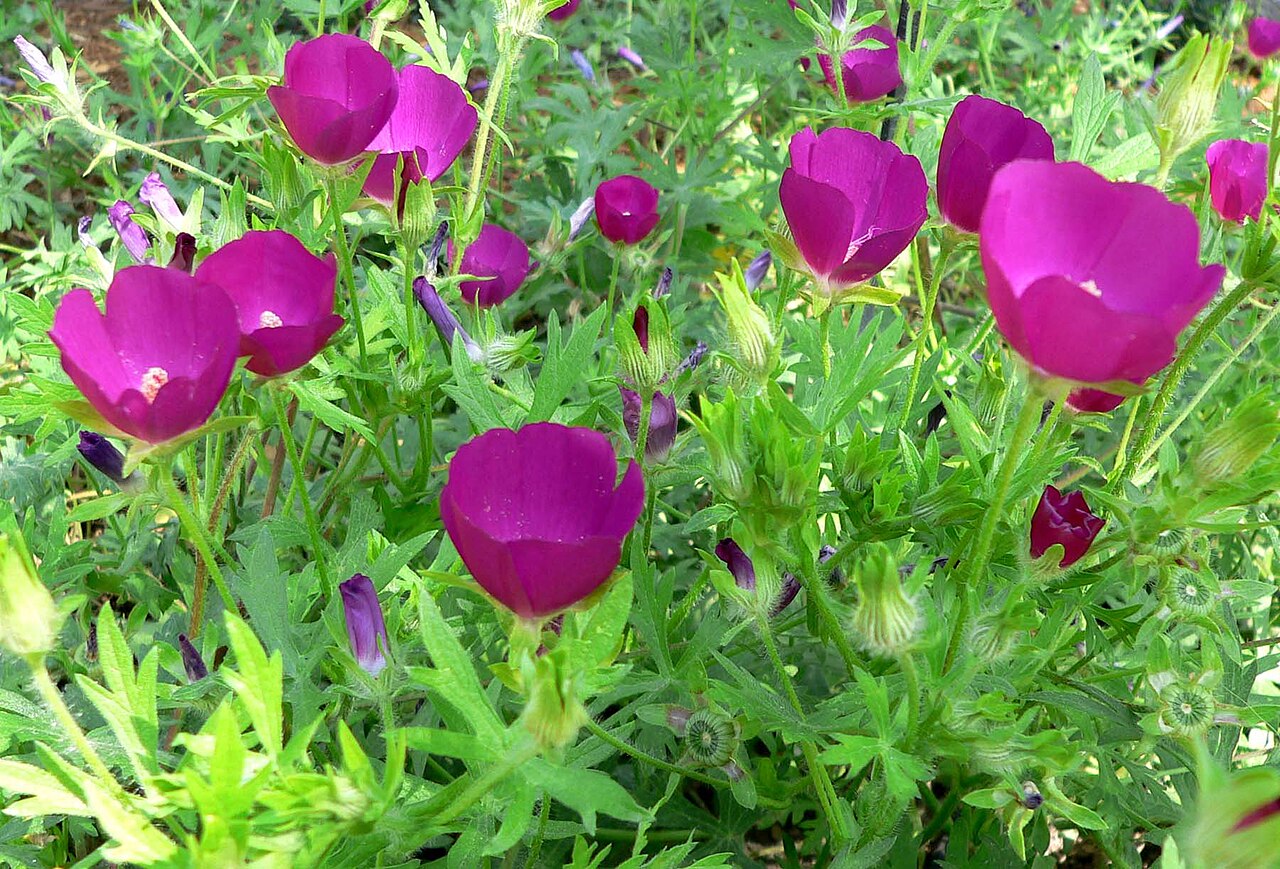
Purple poppy mallow sprawls up to 3 feet across in a mat about a foot tall, according to the Wildflower Center, which also calls it drought tolerant. Let it spill toward the pavement edge.
Field pussytoes forms dense colonies in dry, open areas, per the Wildflower Center. Its low silver mats suit the snow zone and the very edge of the paving.
Pale purple coneflower is a Midwest and Plains choice. The Wildflower Center notes that it is rare east of the Mississippi River, so eastern gardeners should use a coneflower from their own regional list.
Blue grama is the Wildflower Center’s pick for the driest sites. It calls it the most drought-tolerant native turf grass and says it can survive with as little as 7 inches of rain a year.
Regional alternates
- Mid-Atlantic and Southeast: lean on threadleaf coreopsis, butterfly weed, little bluestem and shrubby St. John’s wort, and check your list for others.
- Midwest: add prairie dropseed and pale purple coneflower where they are native.
- Great Plains: purple poppy mallow and blue grama are both native through much of the region.
- Arid West: blue grama is a good start. Use your regional list for flowering perennials suited to your rainfall.
For more on using sand-adapted plants instead of heavy amendment, see our sunny native border for sandy soil.
Installation Steps
Step 1: Fix the soil only as much as needed
Penn State suggests aeration to break up compaction, followed by compost each year until soil structure returns. Loosen what you can by hand. Several plants above, including blue grama and purple poppy mallow, are listed for lean, well-drained soil, so a modest amount of compost is enough.
Step 2: Keep soil off the pavement edge
Set the finished soil level slightly below the paving so runoff can enter the bed but soil and mulch do not wash onto the drive.
Step 3: Plant in spring or early fall
Plant when the pavement is not at its hottest. Water each plant in well, and set the shrubs in the back band at least 3 feet from salted paving.
Step 4: Mulch lightly
A thin layer of shredded mulch keeps soil cooler. Keep it away from crowns and stems.
Maintenance: The First Three Years
First-Three-Years Maintenance Calendar
Year 1
- Spring and summer: water deeply when the soil is dry a few inches down. The strip dries out faster than the rest of the yard.
- Summer: pull weeds while small, especially along the pavement edge.
- Winter: pile snow in the snow zone, and use less damaging deicers or sand where you can.
Year 2
- Early spring: cut back last year’s stems and rake out any grit or salt residue left by plows.
- Summer: water only in long dry spells. Replace any plants that sulked through their first winter.
Year 3
- Spring: divide or thin plants that crowd the pavement edge.
- Summer: the strip should handle normal weather. Watch for leaf scorch on the street side as a sign of salt damage.
Mistakes to Avoid
- Evergreens beside salted paving. Minnesota Extension advises against them.
- Tall plants at the street end. Keep sightlines clear for backing out.
- Heavy amendment for lean-soil plants. Blue grama and poppy mallow are listed for low-organic, rocky or sandy soils. Amend only to relieve compaction.
- Ignoring the gravel base. Plants set into thin soil over road base dry out fast.
- Digging without a utility locate. Always call 811 first.
📋 Find plants for your region: compare the palette with our native plant lists for Kentucky and Tennessee and Nebraska, Kansas, and Eastern Colorado, or your own state’s list.
For tips on keeping taller grasses away from windows and paths, see our guide to native grass borders near windows and walkways.
Frequently Asked Questions
How far from a salted driveway should I plant shrubs?
University of Minnesota Extension recommends at least 3 feet from driveways and walks where deicing salt is used, and at least 7 feet from roads exposed to salt spray.
Which deicer is safest for plants beside the driveway?
Iowa State notes that calcium magnesium acetate causes little or no damage but is expensive. Calcium, potassium and magnesium chloride are less harmful than sodium chloride. Sand adds traction without harming plants.
Should I replace the soil beside my driveway?
Usually not. Penn State recommends breaking up compaction and adding compost over time. Choose plants that tolerate lean soil first.
What native plants tolerate both heat and salt?
N.C. State lists threadleaf coreopsis as resistant to heat, drought and salt. Minnesota Extension recommends perennials that die back each winter for salted areas.
Why do plants near my driveway look scorched in spring?
Iowa State lists leaf-edge scorch, stunted growth and twig dieback as signs of salt injury. Drought stress from reflected heat can look similar, so check how much salt the area receives.
Sources
- Penn State Extension, Creating a Hellstrip Garden: site conditions, light categories, height and sightlines, snow, soil improvement, design advice, plant list.
- University of Minnesota Extension, The effects of deicing salts on landscapes: salt injury, sodium and compaction, plant choice and setback distances.
- Iowa State University Extension and Outreach, Using Deicing Salts in the Home Landscape: deicer types, physiological drought, injury symptoms.
- N.C. State Extension Plant Toolbox: Coreopsis verticillata, Hypericum prolificum: light, size, resistance to heat, drought and salt, sap warning.
- Lady Bird Johnson Wildflower Center plant database: shrubby St. John’s wort, purple poppy mallow, pale purple coneflower, field pussytoes, blue grama, butterfly weed, little bluestem, prairie dropseed: height, light, soil and native range.