A New England Woodland Border: Combine Spring Flowers With Summer Foliage
Last updated: November 7, 2026
A New England woodland border can look spectacular in April and bare by July. Bloodroot, trout lily and other spring wildflowers bloom before the trees leaf out, then many of them fade or vanish, leaving gaps of leaf litter where the show used to be.
The answer is to plan in pairs. Put every spring flower next to a plant whose leaves hold the space from June to frost, and back the whole border with native shrubs that carry it through fall.
This plan uses only plants that the Native Plant Trust’s Go Botany flora records as native to New England, with notes on the few that are missing from particular states. It’s written for a border along the edge of a wooded lot or the shady side of a house, rather than a full woodland floor.
Plan at a Glance
| Site | The edge of woods, under high deciduous trees, or the north or east side of a building |
| Garden size | A border 4 to 8 feet deep and any length |
| Sun | Bright spring light before the trees leaf out, then part shade to shade |
| Soil | Moist, well-drained, acidic woodland soil with leaf litter |
| Maintenance | Water and weed while plants establish; leave fallen leaves in place |
| Best regions | CT, MA, RI, VT, NH and ME; regional swaps noted below |
How This Border Differs From a Woodland Floor
Our guide to designing a native woodland floor covers a wide, shady patch that’s mostly ferns, sedges and ephemerals. A border is different: it’s a strip with a front edge people see, a back edge that meets woods or a fence, and a job to do in every season.
That means three layers. Low foliage plants and groundcovers go in front, flowering perennials and ferns fill the middle, and shrubs make the back wall.
Step 1: Check Light, Soil and Moisture
Watch the site in April and again in July. Many spring wildflowers depend on sun before the canopy closes; the Lady Bird Johnson Wildflower Center notes that trout lily must be planted where it gets ample sun in early spring.
Most New England woodland soils are acidic, and most of the plants in this plan prefer that. Drainage matters more than richness. The Wildflower Center notes that Christmas fern doesn’t tolerate clay or standing water, while cinnamon fern needs at least moist soil.
If one end of the border stays wet in spring, treat it as its own zone with moisture-loving plants. If the soil under a big maple or oak is dry and full of roots, choose the drier pairs below.
Step 2: Plan Every Spring Flower in a Pair
Penn State Extension’s guide to spring ephemerals recommends interplanting Virginia bluebells with ferns or other perennials because their foliage dies back by summer, and pairing mayapple with ferns or a late-summer flower because it goes dormant. The same logic applies to every early bloomer in a New England border.
Each pair below combines a spring flower with a foliage partner that grows into the same space as the season goes on.
Pair 1: Bloodroot With Christmas Fern
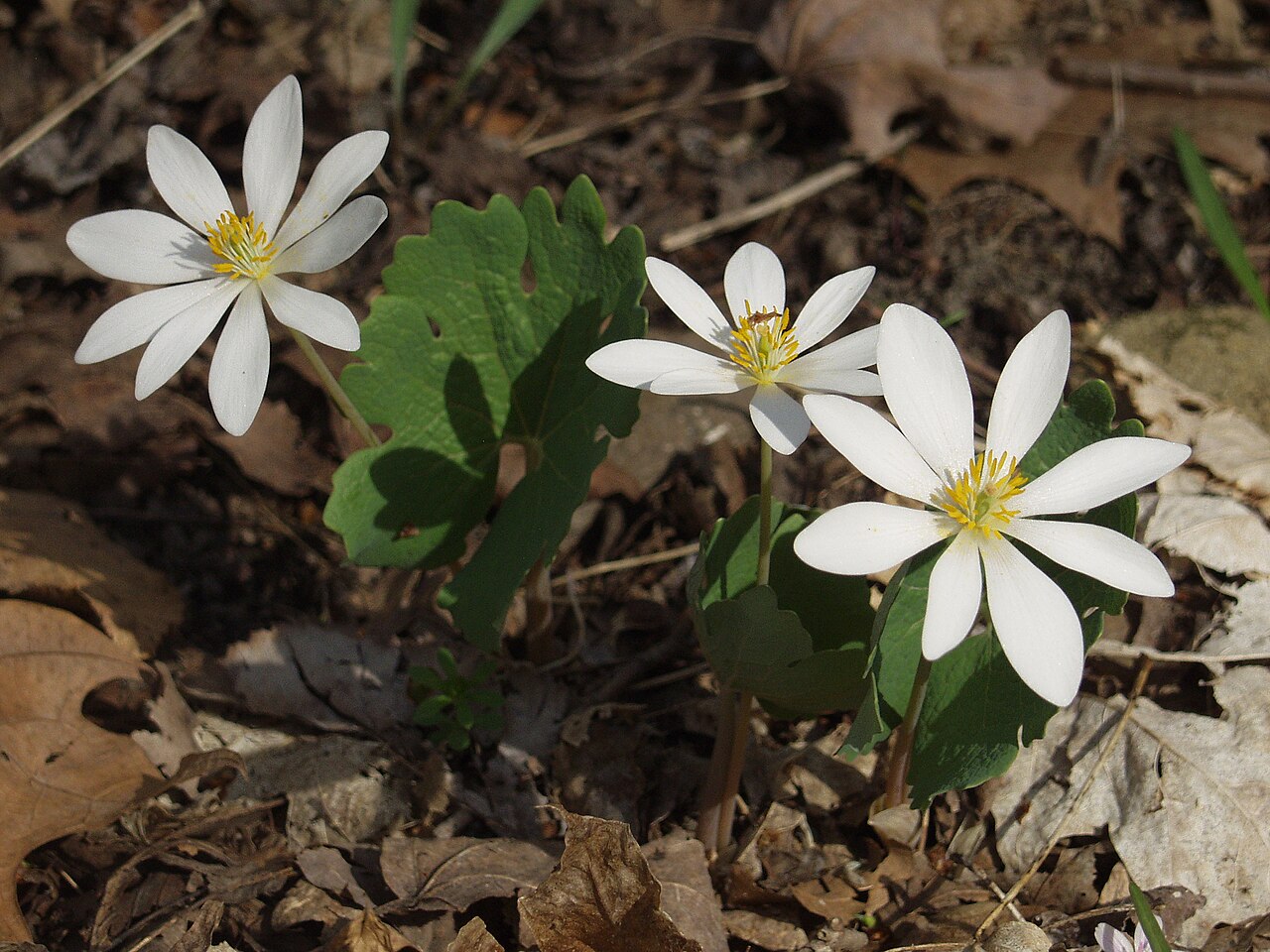
Bloodroot opens white flowers 6 to 10 inches tall in early spring. Penn State notes that the blooms last only several days, and the Wildflower Center notes that the large, deeply lobed leaves keep growing to 12 to 24 inches. It spreads to form a groundcover, and ants disperse its seeds.
Plant it in front of Christmas fern, which keeps glossy green fronds all year. The Wildflower Center describes it as a clumping fern, normally 1½ to 2 feet tall, that needs cool, moist, well-drained soil in shade.
Bloodroot’s rhizome is poisonous if eaten, according to the Wildflower Center, so keep it away from areas where children dig and wear gloves when dividing it.
Pair 2: Trout Lily With Wild Ginger
Trout lily forms colonies of mottled 3- to 6-inch leaves with nodding yellow flowers. The Wildflower Center calls it one of the most common spring ephemerals, and it disappears after flowering.
Wild ginger fills the space it leaves. It grows just 4 to 8 inches tall with pairs of large, velvety, heart-shaped leaves, and its rhizomes form a dense groundcover. The Wildflower Center notes that touching it can irritate the skin of some people, so plant it back from the path edge.
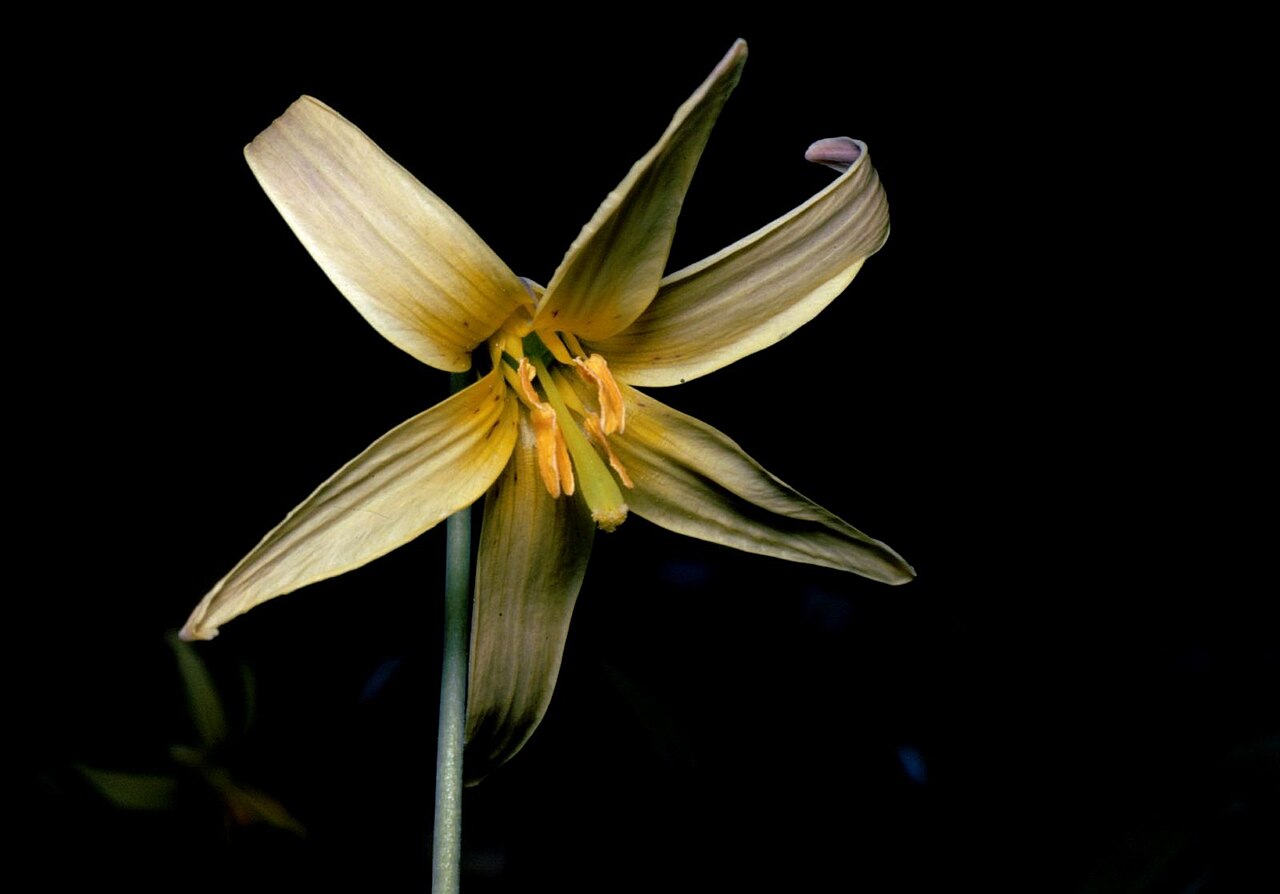
Pair 3: Foamflower on Its Own
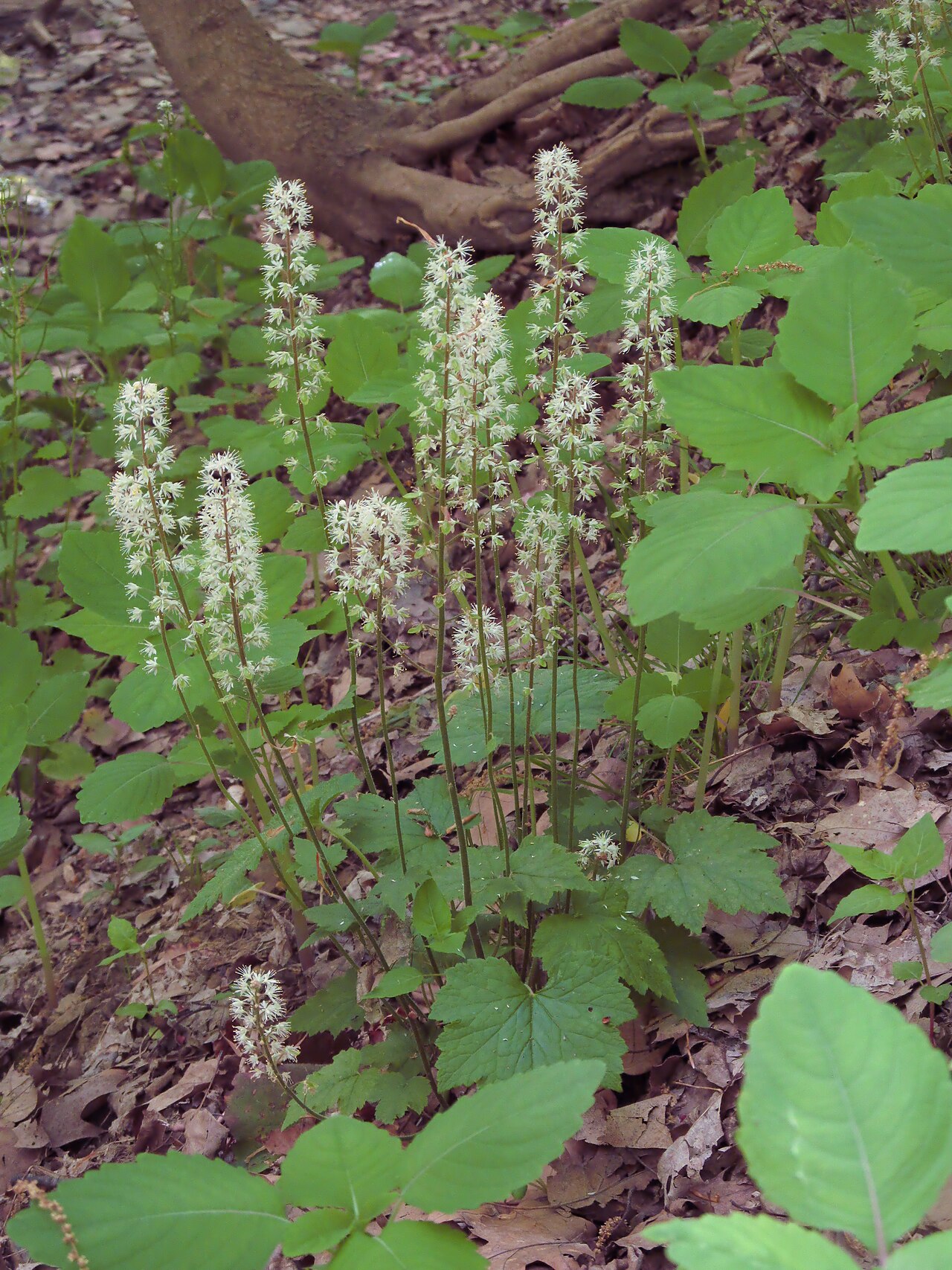
Foamflower carries its own pair. Penn State notes it is one of the longest-lasting spring bloomers, flowering for up to six weeks, and its heart-shaped leaves last longer than most ephemerals’. It also tolerates rabbit and deer browsing, according to Penn State.
The Wildflower Center notes that mature plants send out runners and form sizable colonies. Use it as the front-edge groundcover in moist shade. Go Botany doesn’t record it as native in Rhode Island, so gardeners there can use wild ginger or Pennsylvania sedge instead.
Pair 4: Wild Columbine With Pennsylvania Sedge
Wild columbine grows up to about 3 feet, with red and yellow nodding flowers in spring. Go Botany lists its habitats as ledges, rocky slopes and woodlands, so it suits the brighter, drier end of the border.
Pennsylvania sedge fills the ground around it. The Wildflower Center describes a low, clumped sedge 6 to 12 inches tall with pale green leaves that turn sandy tan in fall, spreading by rhizomes and preferring light-textured soils.
Pair 5: Wild Geranium With Maidenhair Fern
Wild geranium has pink to lavender flowers on stems 1 to 3 feet tall. The Wildflower Center notes it spreads by thick rhizomes but isn’t aggressive, and does well under a variety of conditions.
Maidenhair fern grows behind it, with delicate fronds up to about 30 inches long. Its airy texture keeps the middle of the border light after the geraniums finish.
Pair 6: Wood Anemone With Cinnamon Fern for Wet Spots
In a damp low spot, use wood anemone, a white spring flower about a foot tall that Go Botany records in all six states. Back it with cinnamon fern. The Wildflower Center notes this fern can reach 6 feet, with cinnamon-brown fertile fronds inside a vase of green sterile fronds, and it needs at least moist soil and some shade.
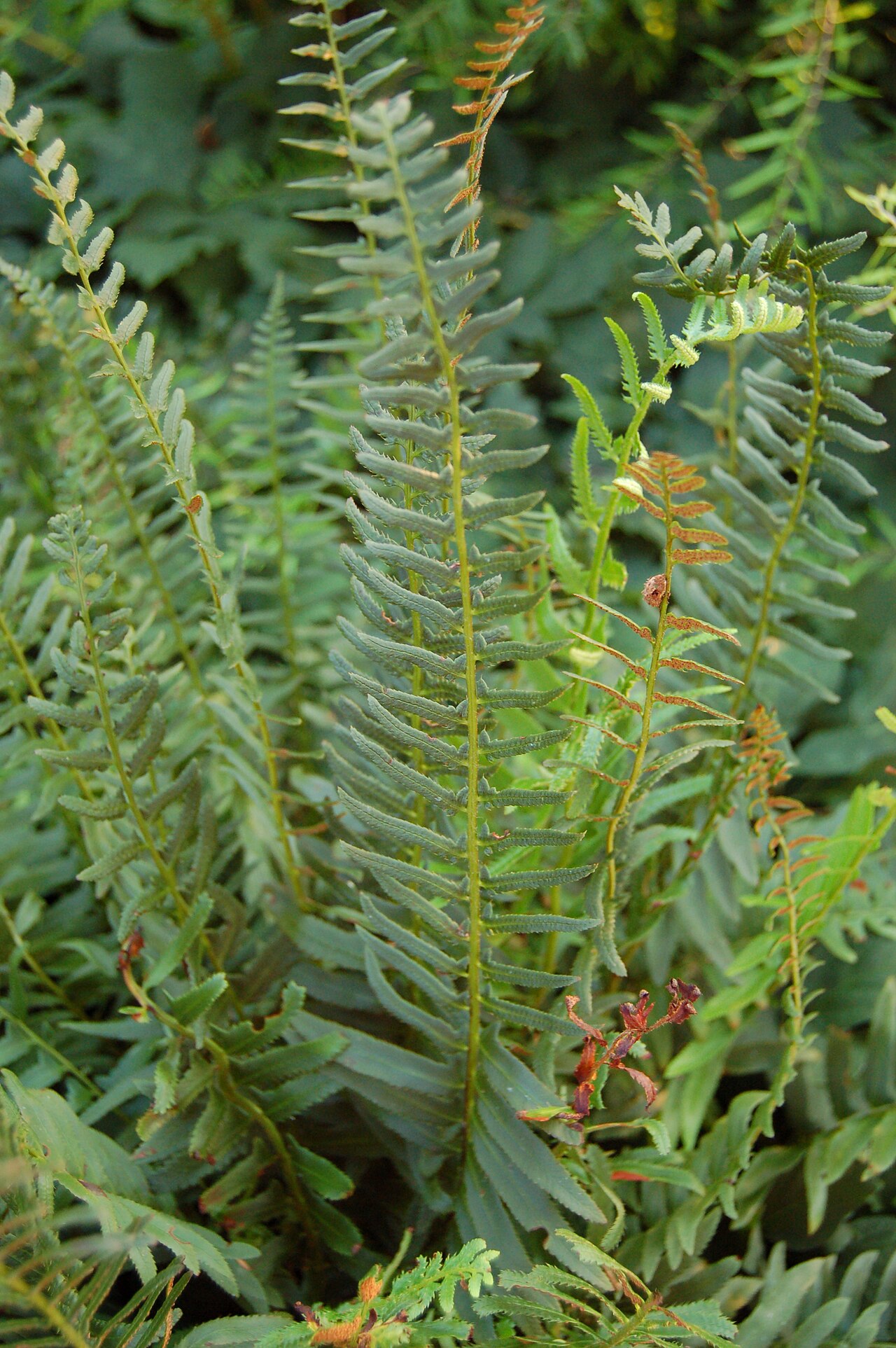
Step 3: Build the Back Wall With Shrubs
Shrubs give the border height, fall color and winter structure. Choose ones that tolerate part shade and the acidic soils common in New England.
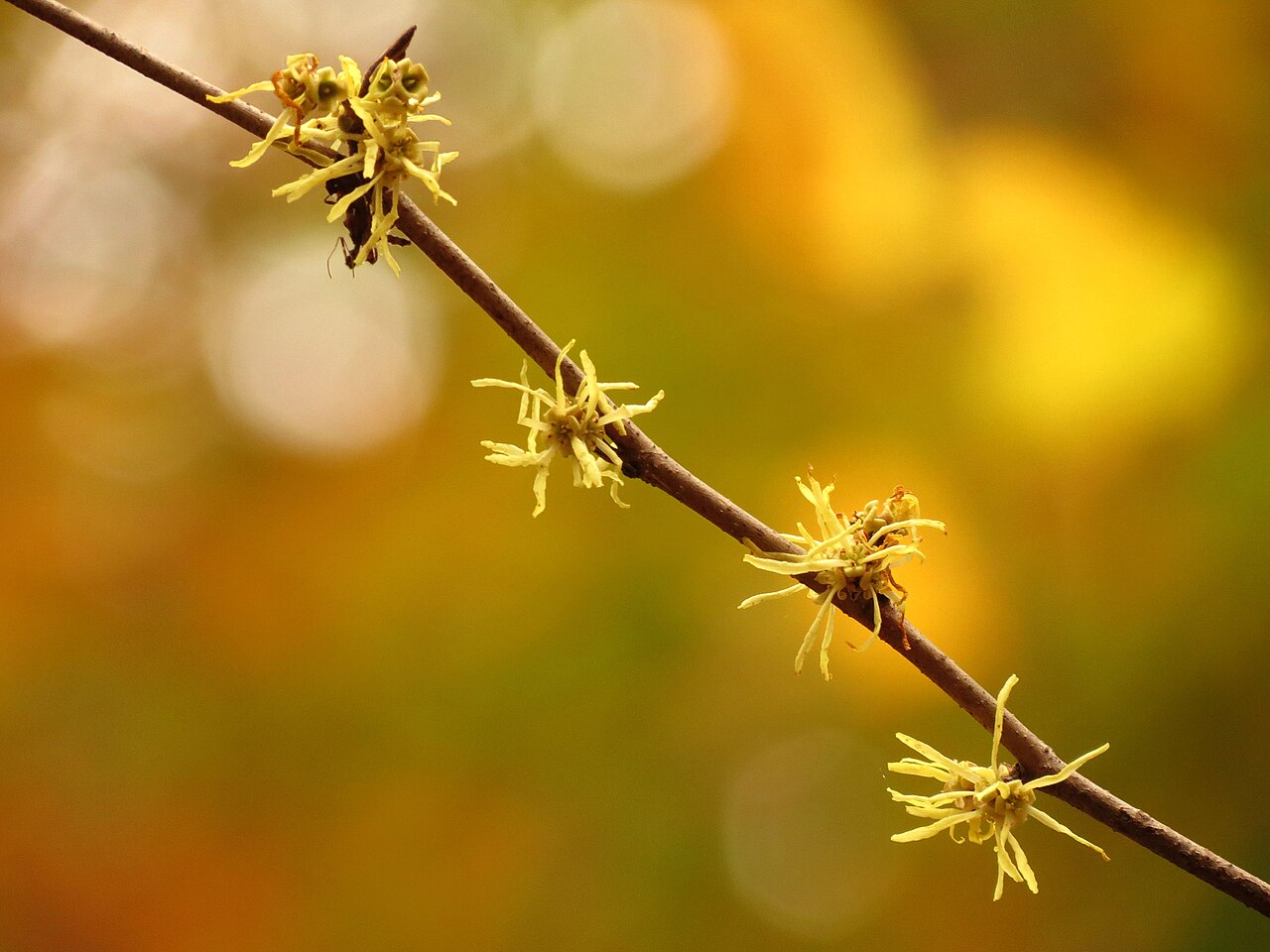
American witch hazel usually grows 10 to 15 feet tall as a multi-trunked shrub or small tree. Its fragrant, spidery yellow flowers open in fall and last after the leaves drop, and the leaves turn gold first. The Wildflower Center notes it performs best on moister sites and tolerates shade.
Mapleleaf viburnum is a smaller choice, 4 to 6 feet tall and 3 to 4 feet wide, with white flower clusters, red-to-blue-black berries and purplish-pink fall color. It suckers to form loose colonies, so give it room. The Wildflower Center also notes it is susceptible to viburnum leaf beetle, so watch the leaves in early summer.
Mountain laurel is a third option for acidic, part-shade borders, but it usually grows 12 to 20 feet tall. The Wildflower Center warns that all parts are highly toxic if eaten. For more shrub ideas, see our list of New England native flowering shrubs, checking each one’s native status before you buy.
Plant Palette
Every plant is recorded as native to New England by the Native Plant Trust’s Go Botany flora. “All six” means it’s recorded in CT, MA, RI, VT, NH and ME.
| Plant | Role | Height | Sun / Moisture | New England Range |
|---|---|---|---|---|
| Bloodroot | Early spring flower; leaves into summer | Flowers 6–10 in; leaves to 2 ft | Part shade to shade / moist | All six |
| Christmas fern | Evergreen foliage partner | 1½–2 ft | Part shade to shade / moist, well-drained | All six |
| Trout lily | Ephemeral spring flower | Leaves 3–6 in | Spring sun, then shade / moist | All six |
| Wild ginger | Groundcover partner | 4–8 in | Part shade to shade / moist | All six |
| Foamflower | Long spring bloom plus foliage | Flower stalks 6–16 in | Shade / moist | All but RI |
| Wild columbine | Spring flower for drier spots | To about 3 ft | Part shade / dry to moist | All six |
| Pennsylvania sedge | Low groundcover partner | 6–12 in | Sun to shade / dry | All six |
| Wild geranium | Late-spring flower | 1–3 ft | Part shade to shade / moist | All six |
| Maidenhair fern | Airy summer foliage | Fronds to about 30 in | Part shade to shade / moist | All six |
| American witch hazel | Back-wall shrub; fall flowers | Usually 10–15 ft | Part shade to shade / dry to moist | All six |
| Mapleleaf viburnum | Mid-size shrub; fall color | 4–6 ft | Sun to shade / dry to moist | All six |
Spacing and Quantity
How Many Plants to Buy
- Plant spring flowers and their partners in groups of three to seven of each, not one of each. Small groups get lost once the trees leaf out.
- Plant partners close enough that the summer foliage plant can grow over the gap the spring flower leaves.
- Space shrubs by mature width. Mapleleaf viburnum spreads 3 to 4 feet and suckers, and witch hazel needs room for a wide, open crown.
- Allow for spreading plants. Bloodroot, wild ginger, foamflower and Pennsylvania sedge all spread by rhizomes or runners, so start them farther apart and let them fill in.
How to Install the Border
- Mark the border and keep existing trees healthy. Don’t add soil over tree roots or dig deeply around them.
- Remove weeds and lawn by hand or by smothering. Leave the leaf litter and topsoil in place where possible.
- Plant shrubs first, then ferns, then flowering perennials and groundcovers in front.
- Buy nursery-propagated plants. Penn State reminds gardeners never to dig wildflowers from the wild.
- Water deeply after planting and through the first summer whenever the soil dries out.
- Mulch with shredded leaves rather than wood chips, so the border looks and works like a woodland edge.
The First Three Years
Maintenance Calendar
- Year 1, spring: Water new plants weekly in dry spells. Mark where ephemerals are planted so you don’t dig into them after they go dormant.
- Year 1, summer–fall: Keep watering through dry weather. Pull weeds before they set seed. Leave fallen leaves on the bed.
- Year 2: Fill any gaps with more of the same pairs. Watch mapleleaf viburnum for leaf beetle damage in early summer.
- Year 3: Divide crowded colonies of foamflower, wild ginger or bloodroot and move divisions to bare spots. Prune shrubs only to remove dead or crossing branches.
- Every fall: Let leaves stay on the border. They protect crowns over winter and feed the soil.
Regional Notes Within New England
- Southern New England (CT, RI, MA): The full palette works, but Rhode Island gardeners should skip foamflower, which Go Botany doesn’t record as native there.
- Northern New England (VT, NH, ME): All the plants above are recorded in all three states. In colder sites, give trout lily and bloodroot the warmest, brightest spring spot you have.
- Outside New England: Many of these plants grow farther south and west, but check your own regional list before copying this border.
Mistakes to Avoid
- Planting ephemerals alone. They leave bare gaps by summer. Always plant a foliage partner next to them.
- Cleaning up the leaves. Leaf litter is the natural mulch for every plant in this border.
- Putting Christmas fern in wet clay. It needs good drainage and will decline in standing water.
- Crowding shrubs. Witch hazel and viburnum both get wider than they look in the pot.
- Digging wildflowers from the woods. Buy plants from a reputable native plant nursery instead.
📋 For more plants native to this region, see the native plant list for Connecticut, Massachusetts and Rhode Island and the native plant list for New Hampshire, Maine and Vermont.
Frequently Asked Questions
What are spring ephemerals?
They’re woodland wildflowers that grow, bloom and set seed in early spring before the trees leaf out. Many, such as trout lily, then die back and stay dormant until the next spring.
Will this border work under evergreen trees like hemlock or white pine?
Not as well. Most spring flowers here need bright light before deciduous trees leaf out, which evergreen shade doesn’t provide.
Which pair is best for a dry, rooty spot?
Wild columbine with Pennsylvania sedge. The Wildflower Center lists the sedge for dry soil, and Go Botany records columbine on ledges and rocky slopes.
Is any of these plants toxic?
The Wildflower Center warns that bloodroot’s rhizome is poisonous if eaten, mountain laurel is highly toxic in all parts, and wild ginger can irritate the skin of some people. Plant accordingly where children or pets play.
When is the best time to plant a woodland border in New England?
Spring and early fall both work. Plant while the soil is workable and water regularly until the plants are established.
Sources
- Native Plant Trust: Go Botany (New England distribution for each species)
- Penn State Extension: Spring Ephemerals for Residential Gardens
- Lady Bird Johnson Wildflower Center: Sanguinaria canadensis
- Lady Bird Johnson Wildflower Center: Polystichum acrostichoides
- Lady Bird Johnson Wildflower Center: Erythronium americanum
- Lady Bird Johnson Wildflower Center: Asarum canadense
- Lady Bird Johnson Wildflower Center: Tiarella cordifolia
- Lady Bird Johnson Wildflower Center: Carex pensylvanica
- Lady Bird Johnson Wildflower Center: Hamamelis virginiana
- Lady Bird Johnson Wildflower Center: Viburnum acerifolium