
Northern Bog Clubmoss (Lycopodiella inundata)
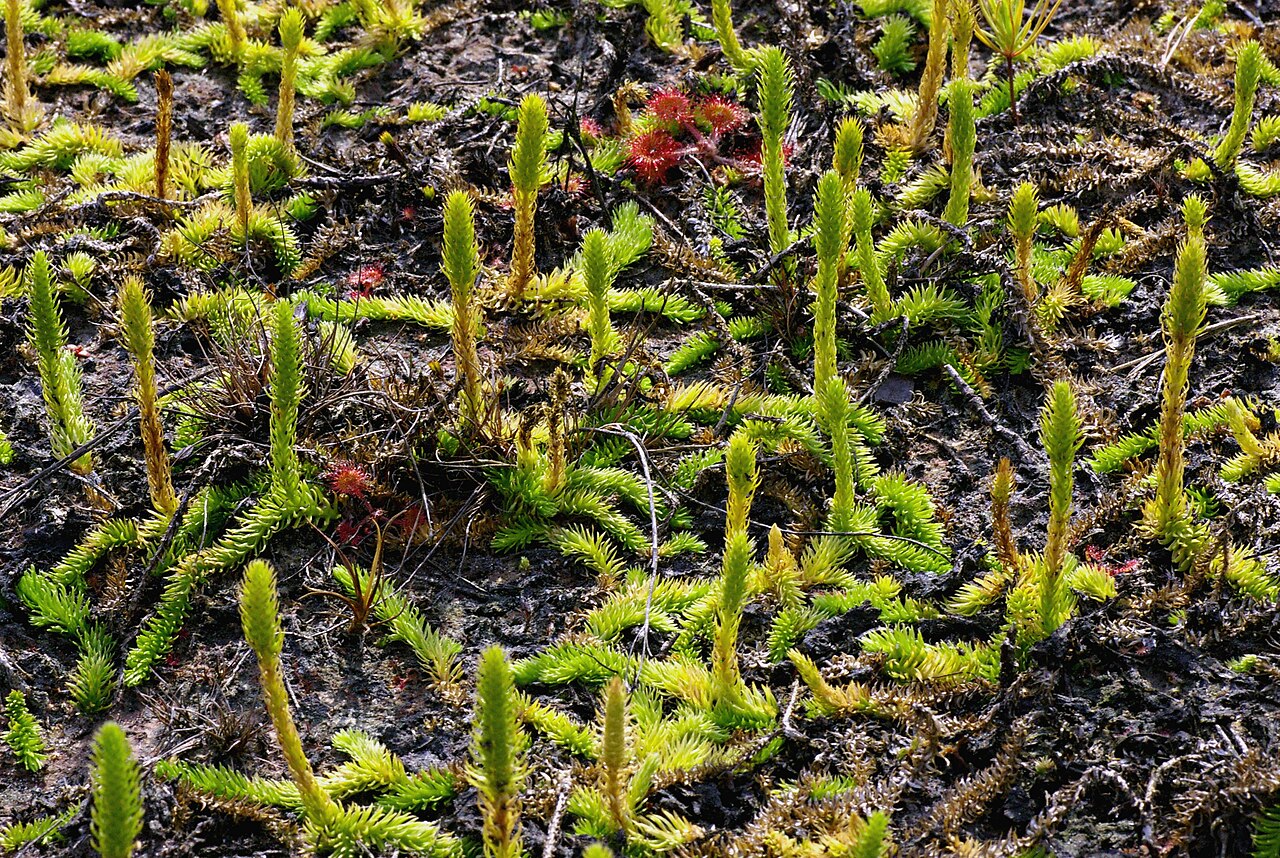
Lycopodiella inundata, the Northern Bog Clubmoss (USDA: inundated clubmoss; also called marsh clubmoss), is a small, low-growing clubmoss of wet, open, sandy and peaty ground. It creeps across the surface of bog edges, wet sand and pond shores, sending up short, upright shoots that end in soft green spore cones in late summer.
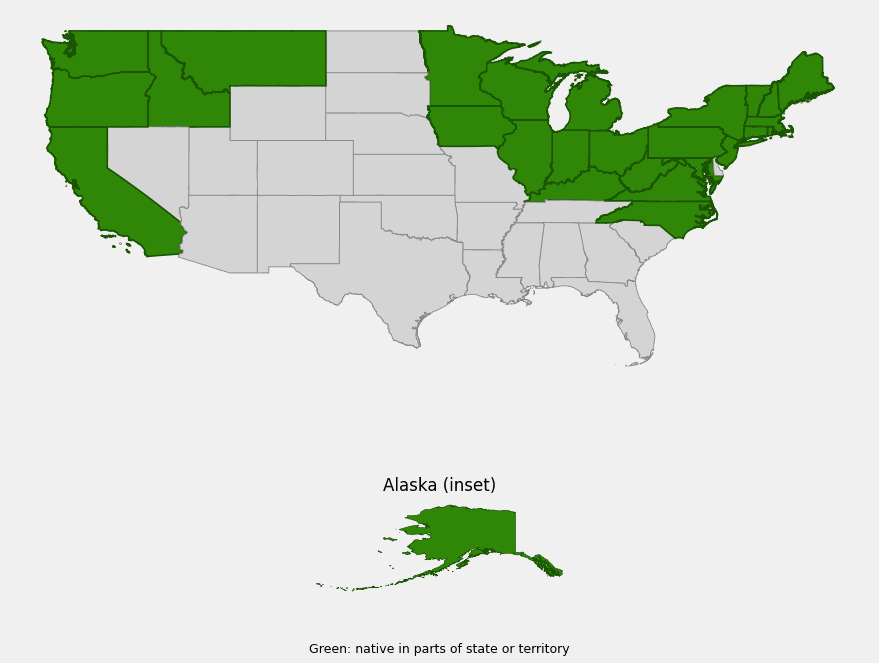
Clubmosses are not mosses. They are lycophytes, an ancient group of spore-bearing vascular plants that are older than ferns and flowering plants. Northern bog clubmoss is circumboreal, growing across northern North America, Europe and Asia. In the United States it ranges from Alaska and the Pacific Northwest across the northern states to New England, and south in the East along the Appalachians and the Atlantic Coastal Plain to North Carolina.
It depends on open, wet, nutrient-poor ground with little competition, such as the edges of bogs and fens, sandy pond shores, interdunal swales and even old wet sand pits. Because these habitats are often drained, filled or overgrown, it is listed as rare or of conservation concern in many states. This guide is an identification and appreciation page: it covers how to recognize it, where it grows and why it cannot simply be planted in a garden.
Identification
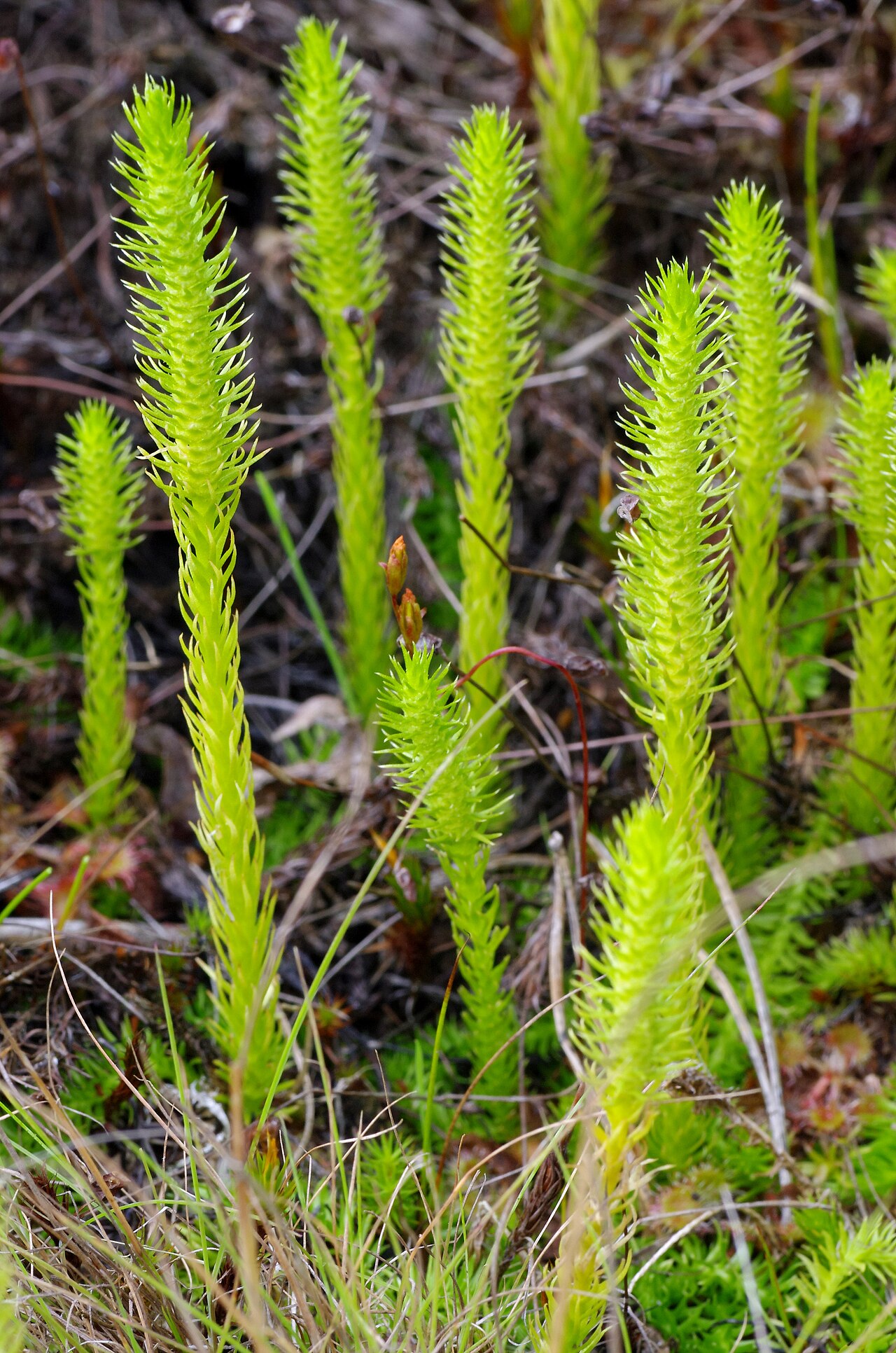
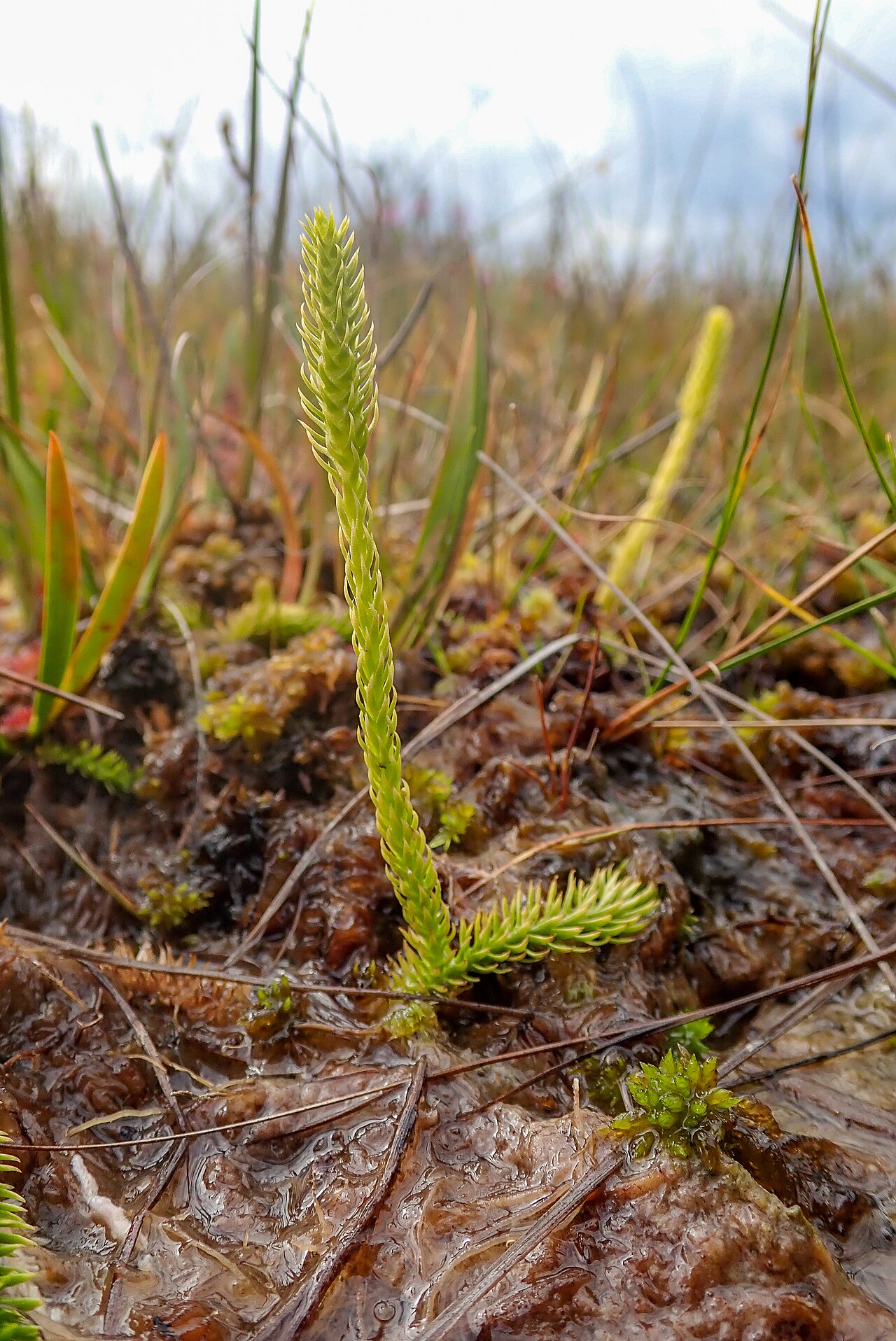
Northern bog clubmoss is a small, soft, bright green clubmoss with creeping stems pressed against wet ground and short, upright fertile shoots. Unlike most clubmosses, its spore cones are leafy and barely distinct from the shoot below, and most of the creeping stem dies back each winter.
Creeping Stems & Leaves
The horizontal stems are 1 to 8 inches long and lie flat on the ground, rooting along their length and often arching slightly upward at the tip. They are covered in narrow, pointed, bright green leaves about ⅛ to ¼ inch long, which tend to curve upward along the stem. The plant is unusual in being “deciduous”: in fall, most of the creeping stem dies back, and only the growing tip survives the winter to start a new plant the next year.
Upright Shoots & Spore Cones
From late spring into summer, the creeping stems send up a few short, unbranched upright shoots, usually 1 to 4 inches tall. Each ends in a single spore cone (strobilus) that makes up a third to half of the shoot. The cone is green and leafy, only slightly thicker than the stem, with spore-bearing leaves (sporophylls) that are similar to the regular leaves but broader at the base. Spores ripen and are shed from late summer into fall.
Reproduction
Like all clubmosses, it reproduces by spores, which grow into tiny, inconspicuous gametophytes in the soil. These produce the next generation of plants after fertilization. It also spreads vegetatively when the overwintering stem tips separate into new plants.
Look-alikes
Southern bog clubmoss (L. appressa) of the Coastal Plain has longer upright shoots with leaves pressed tight against the stem. Foxtail clubmoss (L. alopecuroides) has arching, rooting stems and bushy, foxtail-like cones. Northern prostrate clubmoss (L. margueritiae) and prostrate bog clubmoss (L. subappressa) of the Great Lakes region are similar but have longer horizontal stems and taller fertile shoots. Staghorn Clubmoss of the tropics and Gulf Coast is much larger and branched like a tiny tree. Running clubmosses (Running Clubmoss) grow in drier woods and have stalked, separate yellowish cones.
Quick Facts
| Scientific Name | Lycopodiella inundata (L.) Holub (syn. Lycopodium inundatum L.) |
| Family | Lycopodiaceae (clubmoss family) |
| Plant Type | Low creeping clubmoss (spore-bearing lycophyte) |
| Mature Height | 1–4 in (fertile shoots) |
| Mature Spread | Creeping stems 1–8 in; forms small patches |
| Growth Rate | Slow |
| Sun Exposure | Full sun to light shade |
| Water Needs | Wet; constantly moist to seasonally flooded |
| Soil Type | Wet sand, peat or sandy muck, low in nutrients |
| Soil pH | Acidic, about 4.0–6.0 |
| Bloom Time | No flowers; spores mature August–October |
| Flower Color | None (green spore cones) |
| Fall Color | Creeping stems die back, leaving the green tips |
| Fruit | None; reproduces by dust-like spores |
| Deer Resistant | Yes; rarely browsed |
| USDA Hardiness Zones | 2–7 |
Native Range
Northern bog clubmoss grows across the northern parts of North America, Europe and Asia. In North America it ranges from Alaska, British Columbia and Alberta across the Canadian provinces to Labrador, Newfoundland and Nova Scotia. USDA PLANTS lists it as native in Alaska, California, Connecticut, Idaho, Illinois, Indiana, Iowa, Kentucky, Maine, Maryland, Massachusetts, Michigan, Minnesota, Montana, New Hampshire, New Jersey, New York, North Carolina, Ohio, Oregon, Pennsylvania, Rhode Island, Vermont, Virginia, Washington, West Virginia and Wisconsin.
It is most common around the Great Lakes, in New England and in the Atlantic Canadian provinces. In the West it grows in coastal and mountain bogs from Alaska to northern California, Idaho and Montana. In the East it reaches south through the Appalachians and the Coastal Plain to North Carolina, where it is rare. In Iowa, Illinois, Indiana, Kentucky, Ohio, Maryland and other states at the edge of its range it is known from few sites and is often listed as rare, threatened or endangered by the state.
Its habitats are wet, open and low in nutrients: sandy and peaty margins of bogs and fens, sandy shores of ponds and lakes, interdunal wetlands along the Great Lakes and Atlantic coasts, wet ditches and old sand and gravel pits where the water table is close to the surface. It often grows with sundews, bladderworts and pipeworts. It needs disturbance or fluctuating water to keep competing plants away, and disappears where shrubs and taller plants take over.
📋 Regional plant lists featuring Northern Bog Clubmoss: Alaska · Western Oregon & Western Washington · Idaho, Eastern Oregon & Eastern Washington · California & Nevada · Montana & Wyoming · Michigan, Wisconsin & Eastern Minnesota · Illinois, Iowa & Missouri · Ohio & Indiana · Kentucky & Tennessee · Maryland, Virginia & West Virginia · North & South Carolina · New York, Pennsylvania & Northern New Jersey · Delaware, Southern New Jersey & Long Island · Connecticut, Massachusetts & Rhode Island · New Hampshire, Maine & Vermont
Growing & Care Guide
Northern bog clubmoss is not a garden plant and is not sold by nurseries. Clubmosses depend on soil fungi during their early life stages and almost never survive transplanting, and this species is rare in many states. Never dig it from the wild. The way to help it is to protect and manage the open wetlands where it grows.
Light
In the wild it needs open, sunny conditions. It declines when shrubs, trees or tall sedges shade it.
Soil & Water
It grows in constantly wet, acidic, nutrient-poor sand or peat, often where the water table fluctuates and the ground is flooded for part of the year. Fertilizer runoff and stable, high water levels both allow taller plants to crowd it out.
Planting Tips
Do not plant or transplant it. Experienced growers of bog plants occasionally keep it in carefully managed bog containers, but plants dug from the wild usually die, and wild populations should be left undisturbed.
Pruning & Maintenance
In natural areas, land managers maintain its habitat by removing encroaching shrubs, controlling invasive plants such as glossy buckthorn and reed canary grass, and in some places by prescribed fire or careful disturbance that exposes wet sand. Some populations have appeared on their own in old sand pits and along wet ditches.
Propagation
In nature it spreads by spores and by the overwintering tips of its creeping stems. Growing clubmosses from spores is very slow and difficult because the young gametophytes depend on fungal partners in the soil, so it is not practical for gardeners.
Landscape Uses
- Wetland conservation: an indicator of open, nutrient-poor bog and shore habitats
- Botanical exploration: a rewarding find in bogs, fens and wet sand
- Citizen science: photograph and report sightings to state natural heritage programs
- Education: an accessible example of the ancient lycophyte plant lineage
Wildlife & Ecological Value
Northern bog clubmoss is a small member of specialized wetland plant communities, sharing its habitat with carnivorous plants, rare sedges and other plants adapted to wet, nutrient-poor soils.
For Pollinators
As a spore-bearing plant, it has no flowers and offers nothing to pollinators directly. The wet, open habitats it shares with sundews, pipeworts and orchids support many specialized insects.
For Birds
It is not an important food for birds. Its open, sandy wetland habitats may be used by foraging sandpipers, sparrows and other wetland birds.
For Mammals
It is rarely eaten by mammals.
Ecosystem Role
It helps cover and stabilize bare, wet sand and peat, and its presence indicates high-quality, nutrient-poor wetland habitat. Clubmosses also take part in close partnerships with soil fungi, especially during the underground gametophyte stage.
Cultural & Historical Uses
Carl Linnaeus named this plant Lycopodium inundatum in 1753; the species name means “flooded,” for its wet habitat. In 1964 the Czech botanist Josef Holub moved it into Lycopodiella, a genus of small clubmosses of wet places, and it is now the type species of that genus.
Clubmosses belong to one of the oldest living lineages of vascular plants. Their relatives were among the dominant trees of the coal swamps of more than 300 million years ago, and today’s small clubmosses are survivors of that ancient group. The dust-like spores of some clubmosses, called lycopodium powder, were once used in flash powder for early photography and in fireworks because they ignite in a flash.
Northern bog clubmoss has declined across much of Europe and in parts of North America as wetlands were drained and as open, disturbed sandy habitats became overgrown. It is protected or listed as rare in many U.S. states, and conservation efforts focus on keeping its habitat open and wet.
Frequently Asked Questions
Is northern bog clubmoss a moss?
No. Clubmosses are lycophytes, an ancient group of vascular plants with true roots, stems and leaves that reproduce by spores. True mosses are much simpler non-vascular plants.
Where can I find northern bog clubmoss?
Look in wet, open, sandy or peaty places in late summer: bog and fen edges, sandy pond shores, interdunal swales near the Great Lakes and the Atlantic coast, and old wet sand pits, mostly in the northern states and Alaska.
Can I grow northern bog clubmoss?
Not practically. It is not sold by nurseries, it does not survive transplanting, and it is rare in many states. Never dig it from the wild.
Why do the creeping stems disappear in winter?
Unlike most clubmosses, it is partly deciduous. In fall the horizontal stems die back, and only the growing tips survive the winter to start new plants in spring.
Is northern bog clubmoss endangered?
It is not federally listed, but it is rare and listed as threatened, endangered or of special concern in a number of states, especially at the southern and western edges of its range.

Looking for a nursery that carries Northern Bog Clubmoss?
Browse our native plant nursery directory: Alaska · California · Connecticut · Idaho, Illinois, Indiana & Iowa · Kentucky, Maine, Maryland, Massachusetts, Michigan, Minnesota & Montana · New Hampshire, New Jersey, New York, North Carolina & Ohio · Oregon · Pennsylvania, Rhode Island, Vermont & Virginia · Washington · West Virginia & Wisconsin

