
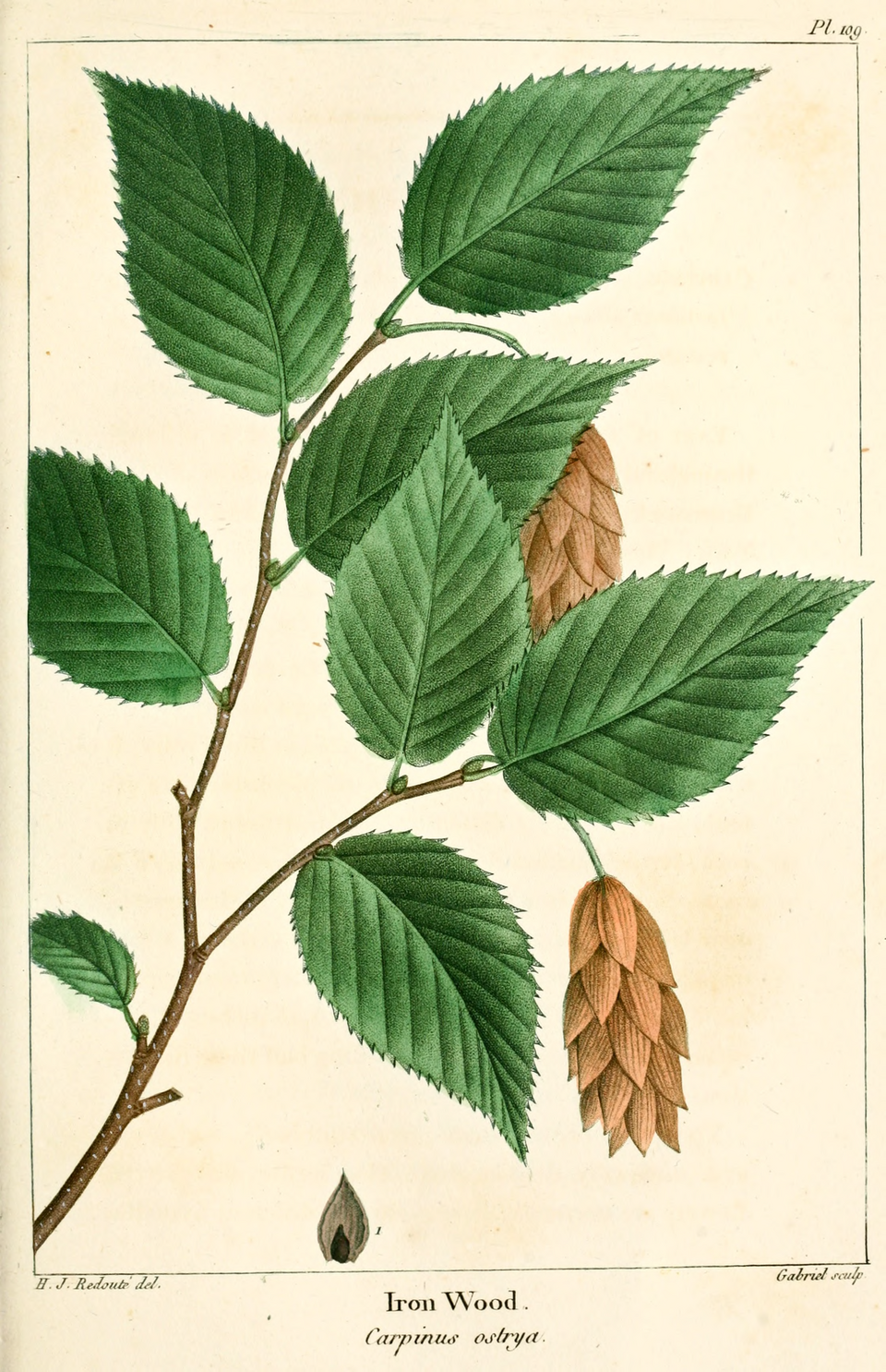
Ironwood showing characteristic hop-like fruiting clusters and shreddy bark. Photo: Wikimedia Commons (Public Domain) Ostrya virginiana, commonly known as Ironwood, American Hophornbeam, or Eastern Hophornbeam,
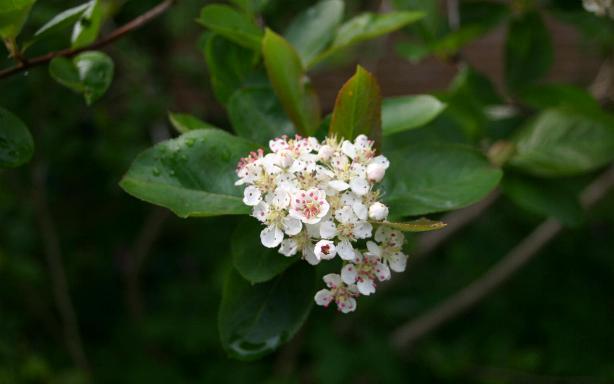
Black Chokeberry in bloom, displaying clusters of white flowers that will develop into dark purple-black berries. Photo: Wikimedia Commons (CC BY-SA 3.0) Aronia melanocarpa, commonly
Ptelea trifoliata, commonly known as Hop Tree, Wafer Ash, or Stinking Ash, is a distinctive native small tree or large shrub that offers unique ornamental
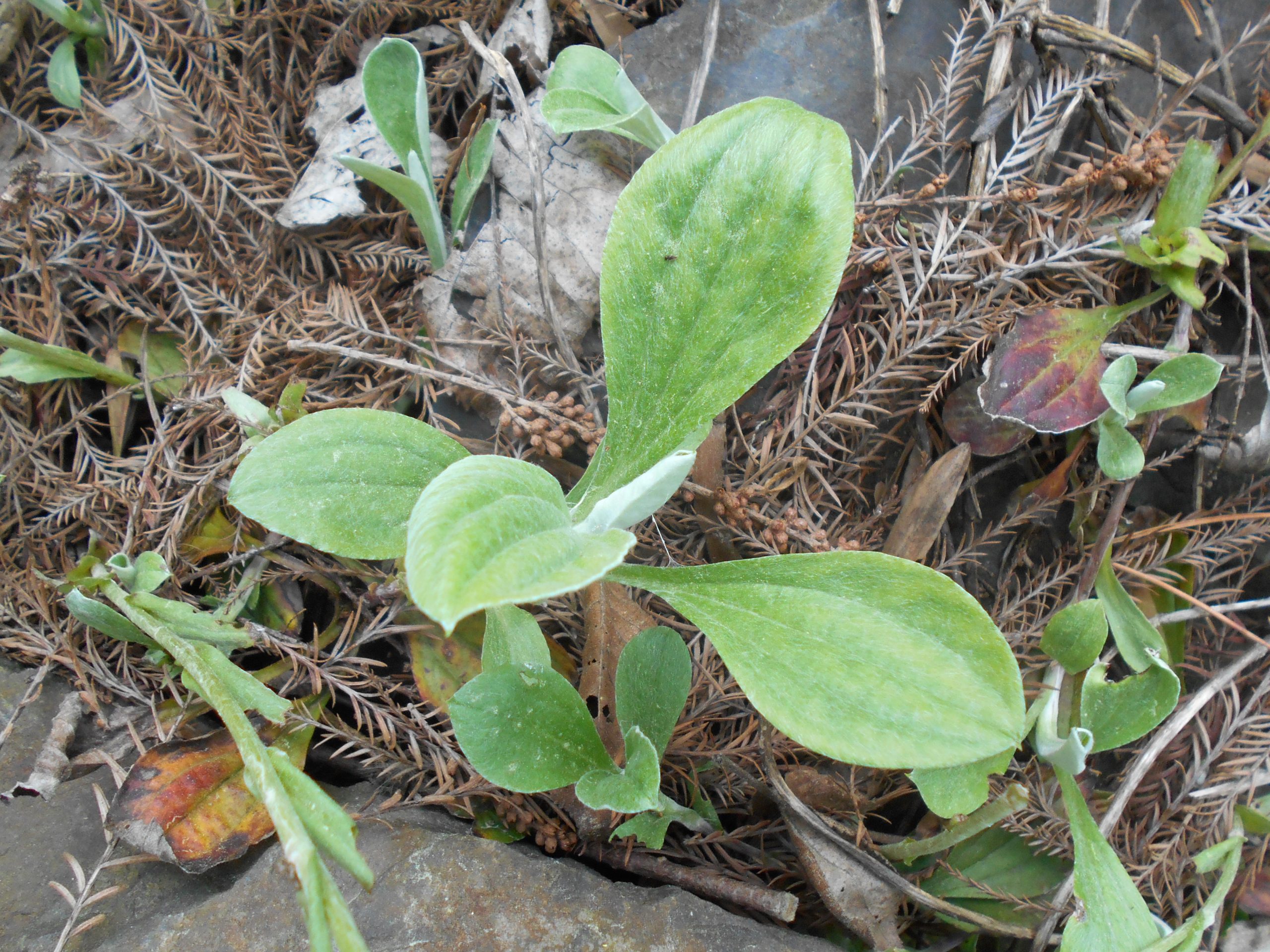
Pussy’s Toes forming a low carpet of silvery-white woolly rosettes beneath forest trees. Photo: Wikimedia Commons (CC BY-SA 4.0) Antennaria plantaginifolia, commonly known as Pussy’s
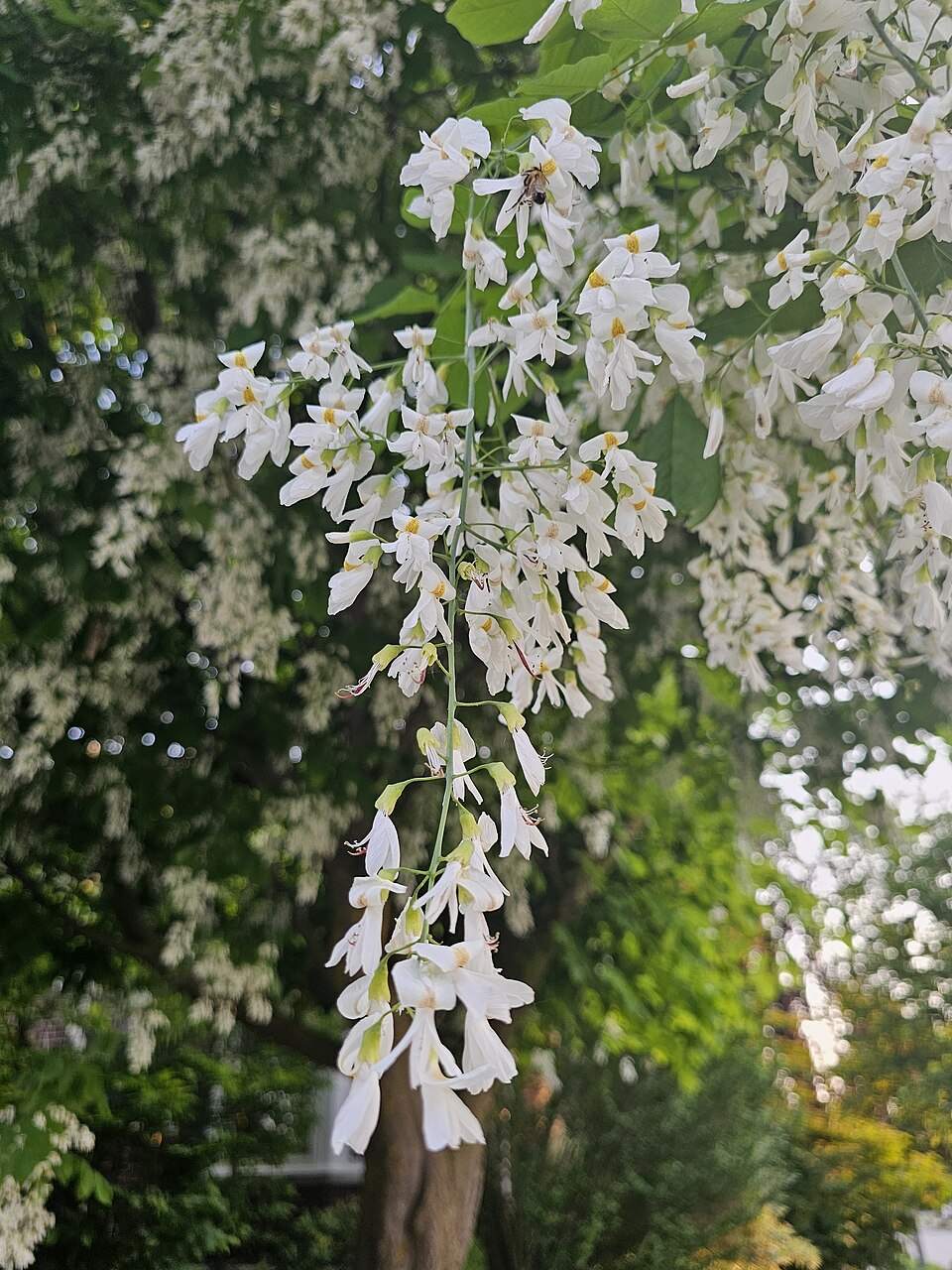
Yellowwood’s spectacular spring flower display features drooping clusters of fragrant white flowers that resemble wisteria blooms. Photo: Wikimedia Commons (CC BY-SA 4.0) Cladrastis kentuckea, commonly
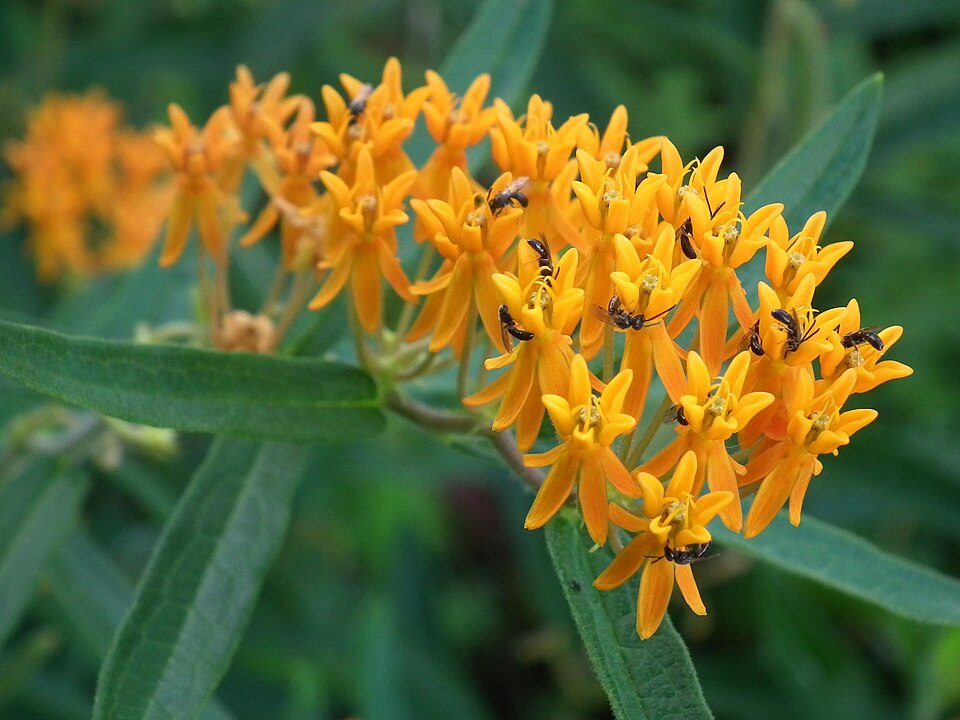
Butterfly Weed’s spectacular orange flower clusters attract butterflies from across the landscape. Photo: Wikimedia Commons (CC0) Asclepias tuberosa, commonly known as Butterfly Weed or Orange
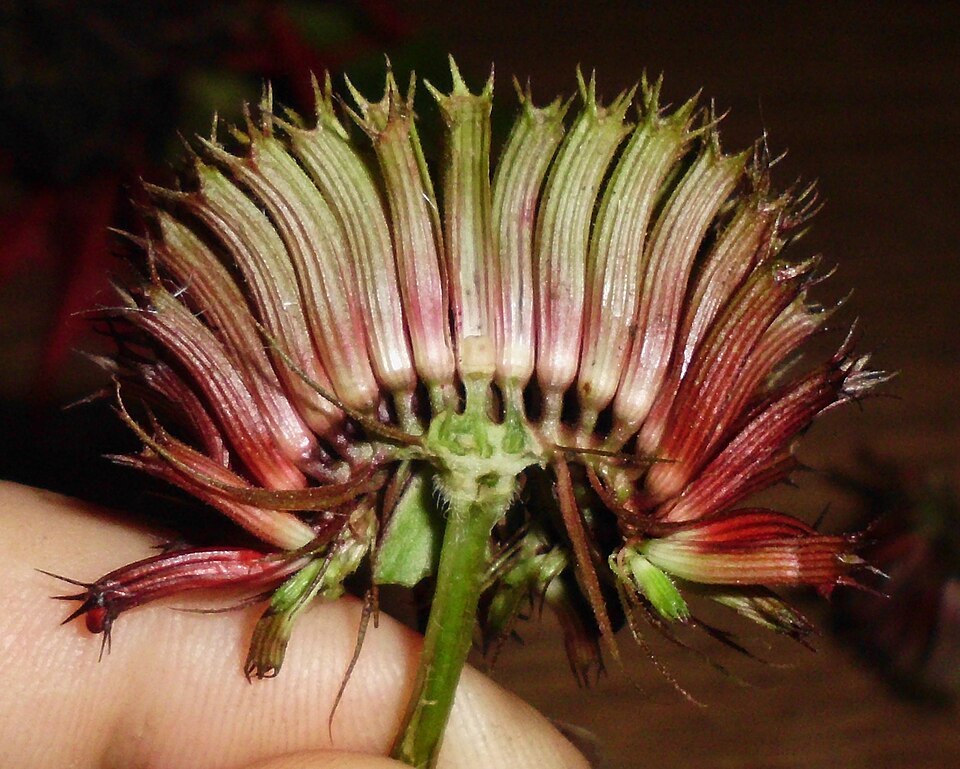
Bee Balm’s striking scarlet flowers create showy terminal clusters that attract hummingbirds and butterflies. Photo: Wikimedia Commons (CC BY-SA 3.0) Monarda didyma, commonly known as
Aruncus dioicus, commonly known as Goat’s Beard or Bride’s Feathers, is a majestic native perennial that brings dramatic architectural presence and ethereal beauty to shade
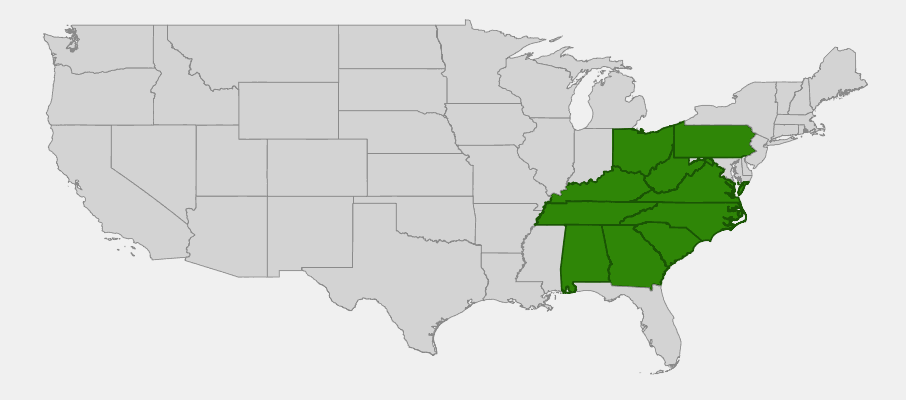
Rhododendron arborescens, commonly known as Sweet Azalea, Smooth Azalea, or Tree Azalea, is a breathtakingly beautiful native deciduous shrub that brings both visual splendor and
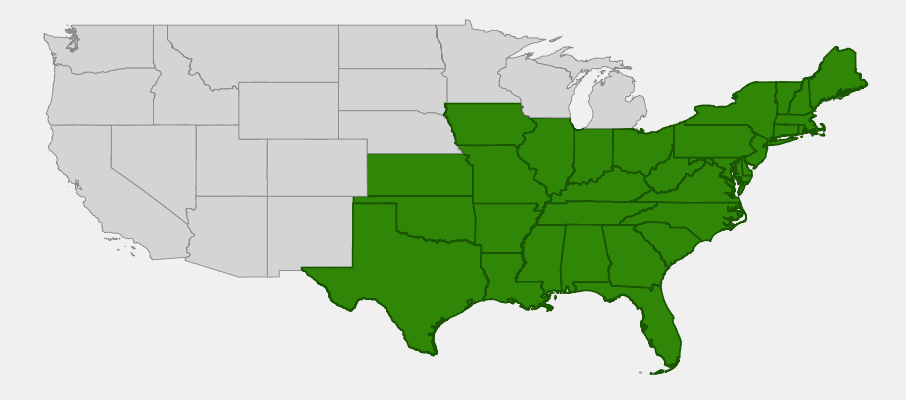
Diospyros virginiana, commonly known as American Persimmon or simply Persimmon, is one of North America’s most distinctive and ecologically valuable native fruit trees. This member
View More