
Dwarf Milkweed (Asclepias involucrata)
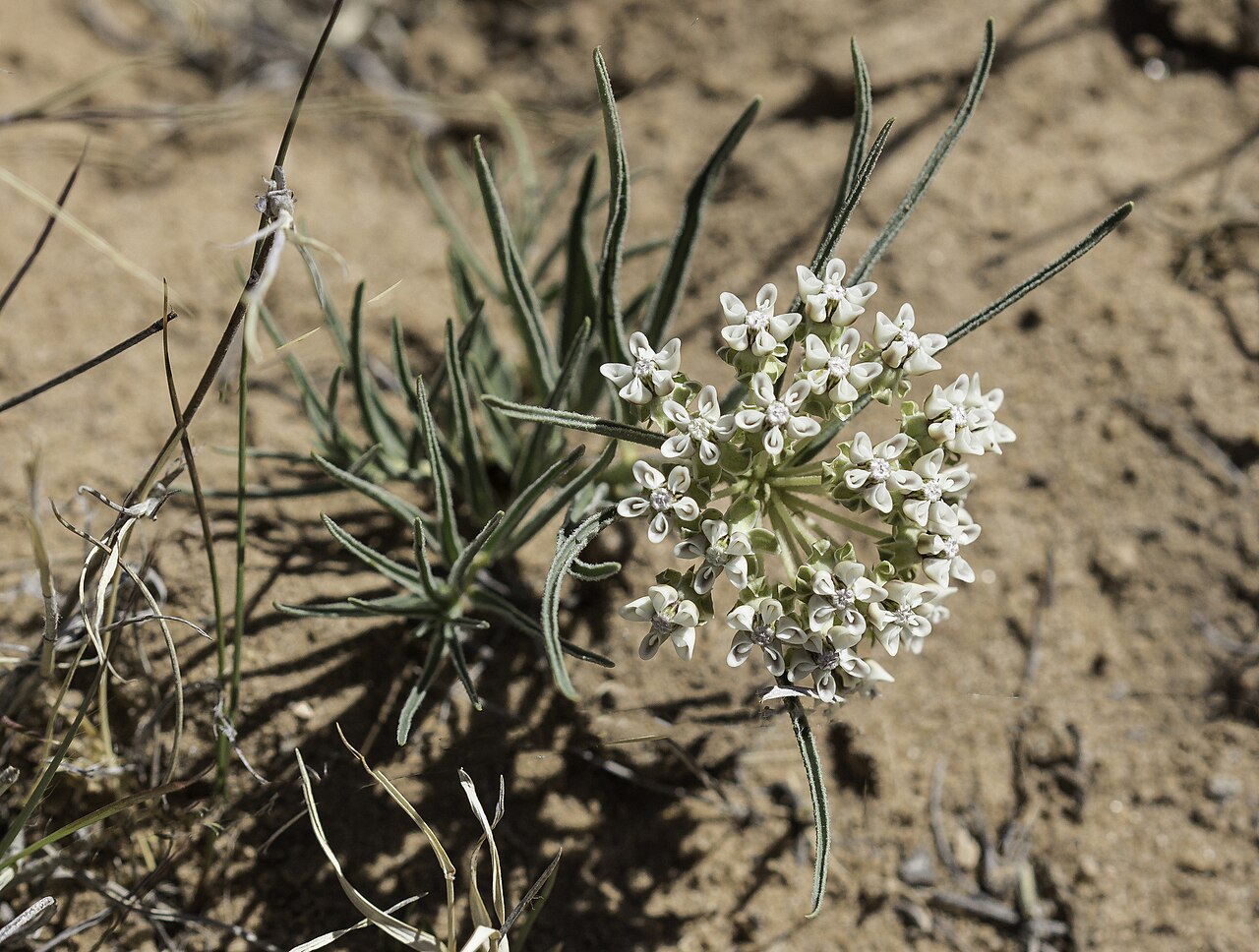
Asclepias involucrata, known as Dwarf Milkweed, is one of the smallest milkweeds in North America. Its stems lie on the ground or curve up only a few inches, so that a plant in full bloom is rarely more than 2 to 10 inches high. In spring and early summer it opens rounded clusters of greenish-white to cream flowers, often tinged with purple, at the ends of its short, hairy stems. It belongs to the dogbane family (Apocynaceae), which now includes all the milkweeds.
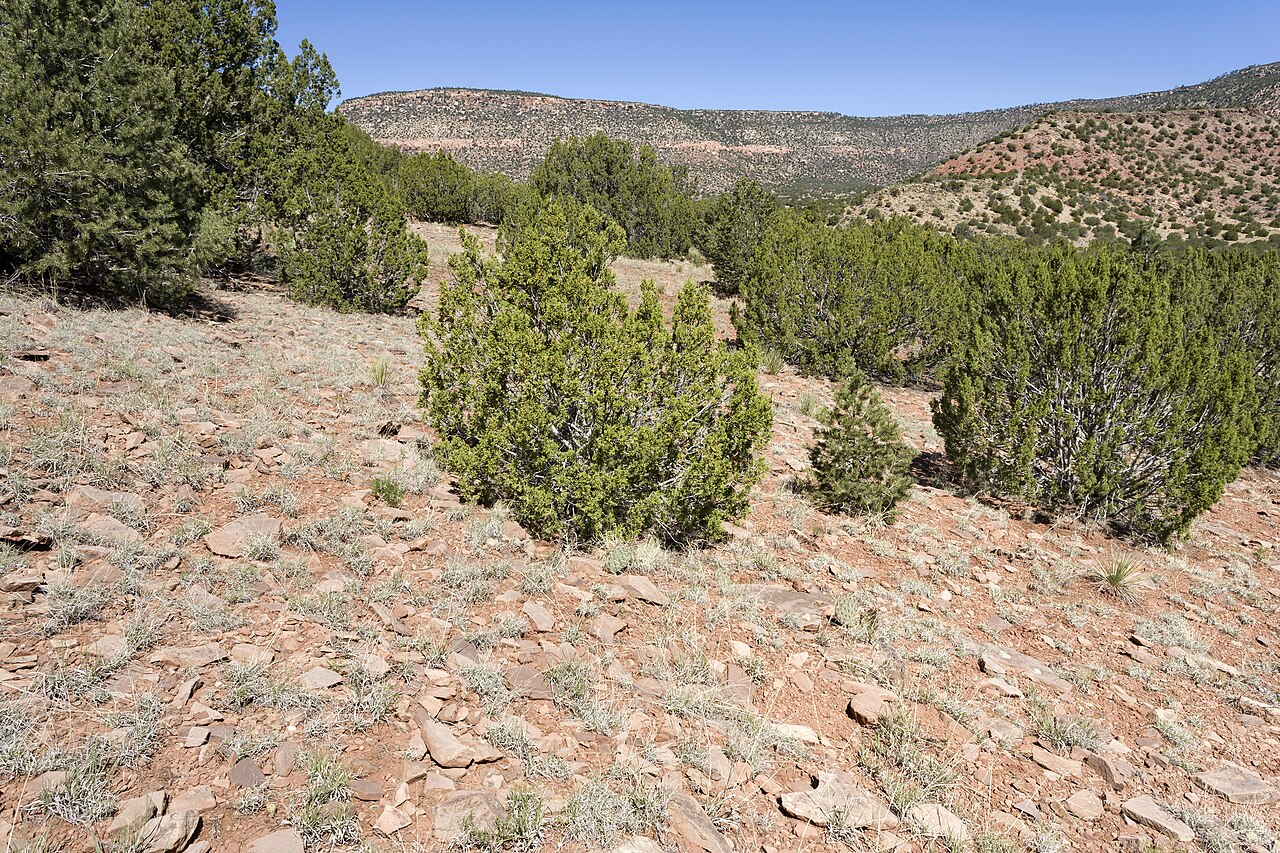
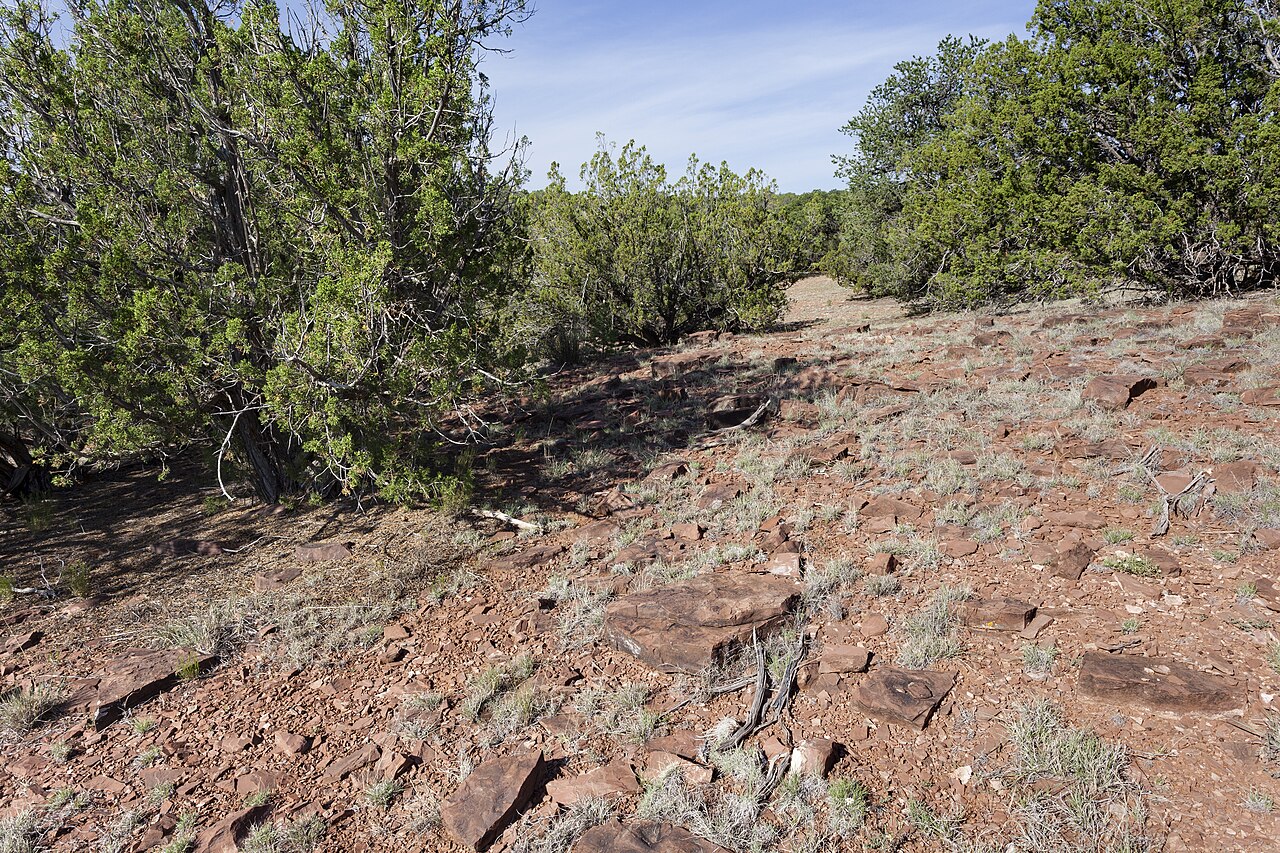
Dwarf milkweed is a plant of the arid Southwest and the southern Great Plains. It grows in sandy and rocky soils in desert scrub, grasslands, juniper and pinyon-juniper woodland, mesas, flats and arroyos, from Utah and Colorado south through Arizona, New Mexico and western Texas into northern Mexico. It is common on the Colorado Plateau, but because it hugs the ground and blooms early it is easy to walk past.
For gardeners and restorationists in dry country, dwarf milkweed is an interesting choice: a tough, drought-adapted native that fits rock gardens and xeric plantings where taller milkweeds would be out of scale. This guide explains how to recognize it, where it grows, what is known about growing it, and its value to native insects.
Identification
Dwarf milkweed is recognizable by its combination of very short, sprawling stems, densely hairy foliage and flower clusters held at or near ground level. Few other southwestern milkweeds are so low; most stand upright at least a foot tall.
Stems & Roots
The plant grows from a deep, woody taproot, an adaptation to dry soils. Each spring it sends out several stems that are prostrate or spread along the ground and then turn upward at the tips (decumbent). Stems are usually no more than about 10 inches long and are covered with soft hairs. Like all milkweeds, the plant contains a milky latex sap.
Leaves
The leaves are narrow and lance-shaped to linear, a few inches long, opposite or crowded near the stem tips, and often folded lengthwise or wavy. Leaves and stems are densely covered with short hairs that give the plant a grayish-green look and help it conserve water. The upper leaves surround the flower cluster like a collar, which inspired the name involucrata (having an involucre, a ring of bracts).
Flowers
Flowers appear from April to July in compact, rounded umbels at the ends of the stems, nestled among the upper leaves. Each flower has five greenish-white to cream petals bent downward and a crown of five pouch-like hoods, which may be greenish, cream or tinged with purple. The clusters often rest on or just above the soil surface.
Fruit & Seeds
After flowering, the plant produces spindle-shaped pods (follicles) that often turn upward on bent stalks. When they ripen and split in summer, they release flat brown seeds, each with a silky tuft of white hairs that carries it on the wind.
Quick Facts
| Scientific Name | Asclepias involucrata Engelm. ex Torr. |
| Family | Apocynaceae (dogbane family; milkweed subfamily) |
| Plant Type | Low herbaceous perennial or subshrub from a taproot |
| Mature Height | 2–10 in |
| Mature Spread | 6–18 in |
| Growth Rate | Slow |
| Sun Exposure | Full sun |
| Water Needs | Low; very drought tolerant |
| Soil Type | Sandy, gravelly or rocky soils; very well drained |
| Soil pH | About 6.5–8.5; tolerates alkaline soils |
| Bloom Time | April–July |
| Flower Color | Greenish-white to cream, often tinged purple |
| Fall Color | None; plants go dormant in summer or fall |
| Fruit | Spindle-shaped pod with silk-tufted seeds |
| Deer Resistant | Yes; milkweeds are toxic and seldom browsed by deer |
| USDA Hardiness Zones | 5–9 |
Native Range
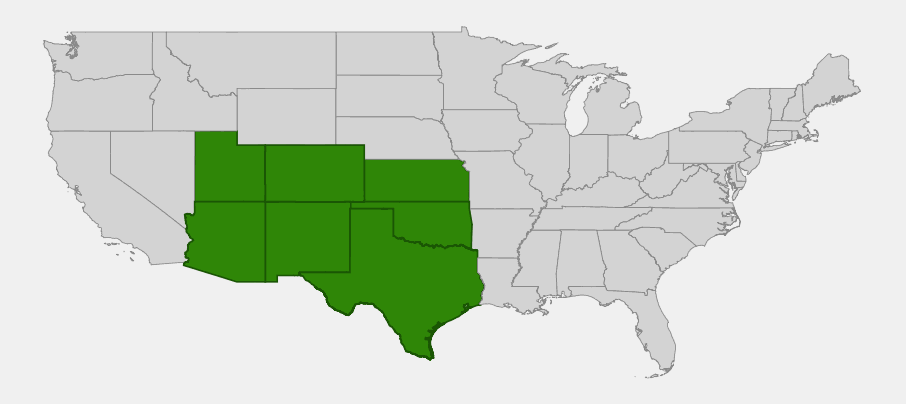
Dwarf milkweed is native to the southwestern United States and northern Mexico. The Lady Bird Johnson Wildflower Center and USDA PLANTS record it from Arizona, Colorado, Kansas, New Mexico, Oklahoma, Texas and Utah. In Mexico it extends into the northern states.
It is most common in New Mexico, northern and eastern Arizona, southern Utah and southwestern Colorado, where it is a characteristic plant of the Colorado Plateau and Canyonlands region. There it grows in sandy desert scrub, grasslands and pinyon-juniper woodland, on mesa tops, flats and the margins of arroyos. East of the Rockies it reaches the High Plains of southeastern Colorado, southwestern Kansas, the Oklahoma Panhandle and western Texas, mostly on sandy or gravelly soils in shortgrass prairie and juniper breaks.
Because it blooms in spring and is small and low-growing, dwarf milkweed is probably under-recorded in some areas. Its habitats are often grazed, and the plant’s deep taproot lets it persist through drought and disturbance, resprouting after dry years.
📋 Regional plant lists featuring Dwarf Milkweed: Arizona & New Mexico · Utah & Western Colorado · South & West Texas · Nebraska, Kansas & Eastern Colorado
Growing & Care Guide
Dwarf milkweed is not common in the nursery trade, and it is a specialist of dry, lean soils. Grown well, it is a charming plant for rock gardens and xeriscapes in the Southwest. The keys are sharp drainage, full sun and restraint with water.
Light
Give it full sun. In the wild it grows in open grassland, scrub and woodland gaps, and it will not thrive in shade or under taller plants that crowd it out.
Soil & Water
Use sandy, gravelly or rocky soil that drains quickly. A raised bed, rock garden or slope is ideal. Its deep taproot reaches moisture far below the surface, so once established it needs no supplemental water in most of its range. Overwatering and heavy clay soils lead to crown and root rot, the most common cause of failure in gardens.
Planting Tips
Start with seed or small container-grown plants; mature plants have deep taproots and rarely survive transplanting. Plant in spring or at the start of the summer monsoon. Place them in the open, among low companions such as blackfoot daisy, small grasses and cacti, rather than in a crowded perennial bed. Mark their location, since plants may go dormant in midsummer or during drought.
Pruning & Maintenance
No pruning is needed. Keep competing weeds and taller plants away from young plants, and avoid mulching heavily around the crown; a gravel mulch is better than organic mulch. Wear gloves if handling the plants, because the milky sap can irritate skin.
Propagation
Propagate from seed. Collect pods as they begin to split and remove the silky fluff. Seeds benefit from about 30 days of cold, moist stratification and germinate in warm conditions. Sow in deep containers to accommodate the taproot and transplant seedlings to their final location while still small.
Landscape Uses
- Rock gardens: a tiny milkweed in scale with small cacti, buckwheats and low perennials
- Xeriscapes: thrives on natural rainfall in sandy, rocky soils of the Southwest
- Grassland and woodland restoration: a native forb for pinyon-juniper and shortgrass restoration seed mixes
- Pollinator gardens in arid regions: early-season milkweed flowers for native bees and other insects
- Botanical and native plant collections: an unusual ground-hugging milkweed for specialty gardens
Wildlife & Ecological Value
Dwarf milkweed is small, but like other milkweeds it is visited by many insects and forms part of the diverse wildflower community of southwestern grasslands and woodlands.
For Pollinators
Its flowers provide nectar in spring and early summer to native bees, wasps, flies and butterflies. As in all milkweeds, the pollen is packaged into paired sacs called pollinia, which attach to the legs of visiting insects and are carried from flower to flower.
Like other milkweeds, dwarf milkweed can serve as a larval host for monarch and queen butterflies, which lay eggs on many species of Asclepias. Its small size means a single plant supports only a few caterpillars.
For Birds
Birds do not eat the plant, but they feed on the insects it attracts. Grassland birds use the open habitats where it grows.
For Mammals
The Zuni have noted that dwarf milkweed is favored by jackrabbits. Like other milkweeds it contains toxic compounds, and deer and livestock generally avoid it.
Ecosystem Role
Dwarf milkweed is part of the diverse native forb community of southwestern grasslands, scrub and pinyon-juniper woodlands. Its deep taproot helps it survive drought, and it contributes early-season flowers that support insects before the summer monsoon brings most plants into bloom.
Cultural & Historical Uses
George Engelmann, the St. Louis physician and botanist who described many plants of the American West, gave dwarf milkweed its name, and John Torrey published it in his account of the plants collected on the U.S.–Mexican Boundary Survey in the 1850s. The name involucrata refers to the ring of leaves around the flower cluster.
The Zuni people of New Mexico used dwarf milkweed medicinally. Ethnobotanical records describe the dry, powdered root being mixed with saliva and used to treat an unspecified illness. The Zuni also observed that the plant is a favorite food of jackrabbits.
Today dwarf milkweed is of interest mainly to botanists, native plant enthusiasts and monarch conservation programs in the Southwest, which have encouraged the use of a wider range of native milkweeds. It is rarely available in nurseries, but specialty native seed suppliers occasionally offer it for rock gardens and restoration.
Frequently Asked Questions
How tall does dwarf milkweed grow?
Usually only 2 to 10 inches. Its stems spread along the ground and turn up at the tips, and the flower clusters often sit right at soil level.
Is dwarf milkweed a host plant for monarchs?
Like other milkweeds, it can host monarch and queen caterpillars. Because the plants are so small, each one supports only a few larvae, so it works best as part of a planting that includes other native milkweeds.
Can I grow dwarf milkweed in my garden?
Yes, if you have a sunny, dry, very well-drained spot such as a rock garden or gravelly slope within or near its native range. Start from seed or small plants, avoid overwatering, and do not try to move established plants with deep taproots.
Where does dwarf milkweed grow?
In Arizona, Colorado, Kansas, New Mexico, Oklahoma, Texas and Utah, and in northern Mexico. It is most common on the Colorado Plateau and in New Mexico, in sandy grasslands, desert scrub and pinyon-juniper woodland.
Is dwarf milkweed poisonous?
All milkweeds contain cardiac glycosides and other compounds that can be toxic if eaten, and the milky sap can irritate skin and eyes. Avoid eating any part of the plant and wear gloves when handling it.

Looking for a nursery that carries Dwarf Milkweed?
Browse our native plant nursery directory: Arizona · Colorado · Kansas · New Mexico & Oklahoma · Texas & Utah