
Small-flowered Milkvetch (Astragalus nuttallianus)
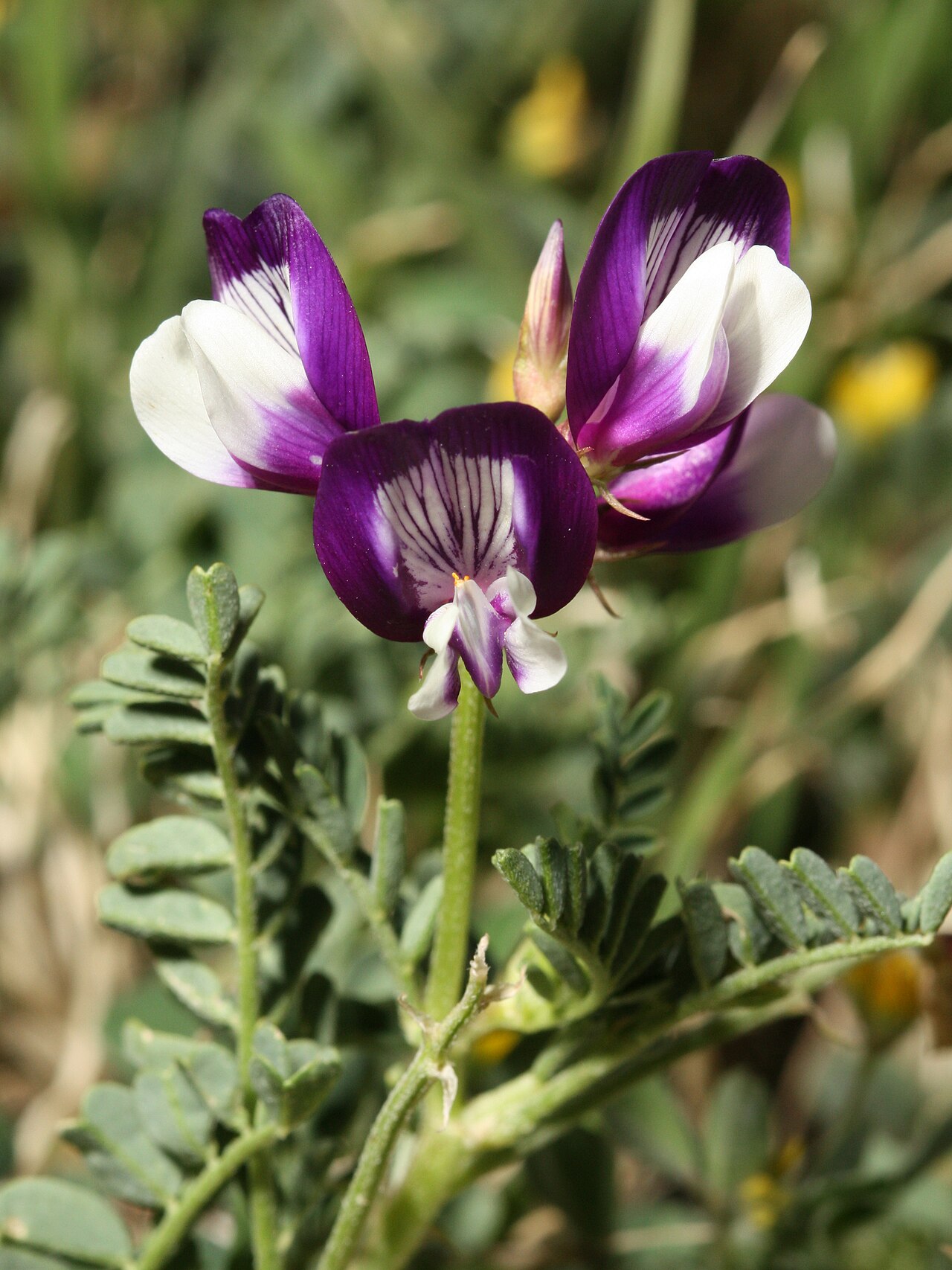
Astragalus nuttallianus, known as Small-flowered Milkvetch, smallflower milkvetch or turkey-peas, is a small, delicate annual legume of the southern Great Plains and the desert Southwest. In late winter and spring its slender, hairy stems sprawl across open ground, bearing feathery leaves and tiny clusters of purple, lavender, white or two-toned pea flowers.
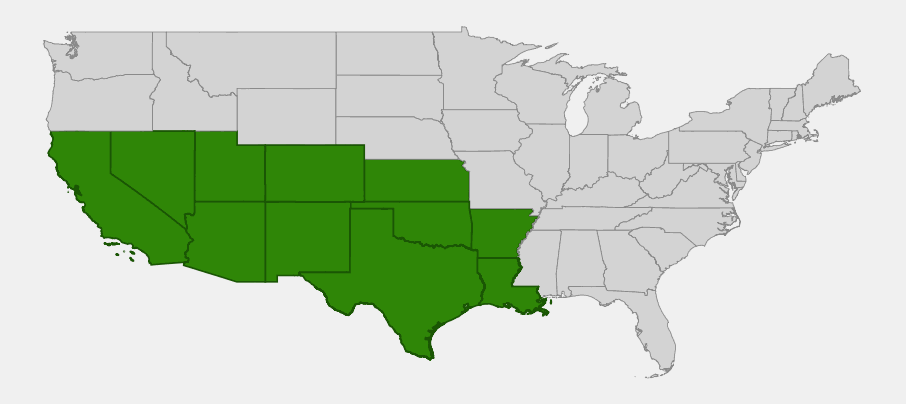
It is one of the most widespread annual milkvetches in North America, ranging from Arkansas, Louisiana and Kansas west through Texas, Oklahoma and the Southwest to California and into northern Mexico. Across that huge range it varies a great deal, and botanists recognize several varieties that differ in flower size, pod shape and habitat, from Texas prairies and roadsides to Mojave Desert washes.
Because it is so small, it is easy to overlook, but it is an early nectar source for native bees and, like other legumes, it adds nitrogen to poor soils. This guide covers how to identify it, where it grows, how to include it in a seeded wildflower planting, and its value to wildlife.
Identification
Look for a low, often sprawling annual with pinnate leaves made of many small leaflets, and short stalks carrying one to a few tiny pea flowers, typically purple with a white center or white tipped with purple. The narrow, curved pods that follow are the best clue that you are looking at a milkvetch rather than a vetch or clover.
Growth Habit
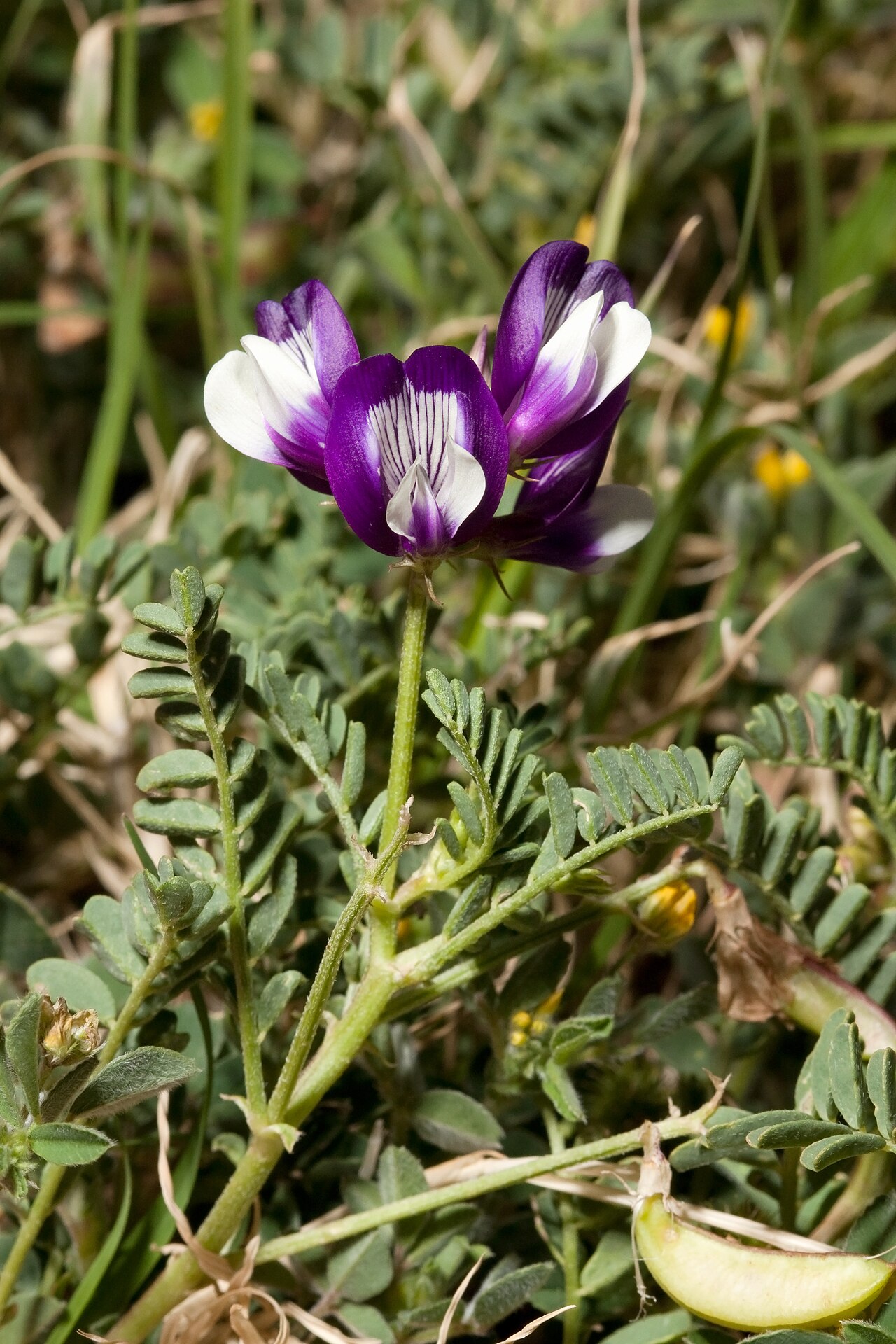
It is a winter or spring annual with slender, branching stems that are usually 2 to 18 inches long. The stems may stand upright in sheltered spots but more often sprawl or lie on the ground. The whole plant is covered with fine, flat-lying hairs.
Leaves
Leaves are alternate and pinnately compound, up to about 2 1/2 inches long, with roughly 7 to 19 small, oval to oblong leaflets that are blunt or notched at the tip. Unlike true vetches (Vicia), the leaves end in a leaflet, not a tendril.
Flowers
Flower stalks arise from the leaf axils and carry 1 to about 4 pea-shaped flowers, each less than 3/8 inch long. Colors range from white to lavender and deep purple, and many plants have bicolored flowers with a white or pale banner and a purple-tipped keel. Bloom time is mainly February to May, starting as early as December or January in the low desert.
Fruit & Seeds
The fruit is a slender, hairless or slightly hairy pod about 1/2 to 1 inch long, straight or curved, that dries and splits to release small seeds. The pods are often the easiest feature to notice later in spring.
Varieties
Several varieties are recognized, including var. nuttallianus of the southern Plains, var. austrinus from California east to Oklahoma, var. imperfectus and var. micranthiformis of the Southwest deserts, and var. macilentus of New Mexico and Texas. They differ in flower size, pod shape and stem habit.
Look-alikes
Other small annual milkvetches overlap in the West, and identifying them often needs mature pods. Vetches (Vicia) have tendrils at the leaf tips. Small lupines such as Texas bluebonnet have palmate, finger-like leaves. Woolly locoweed is a much larger, densely woolly perennial.
Quick Facts
| Scientific Name | Astragalus nuttallianus DC. |
| Family | Fabaceae (pea or legume family) |
| Plant Type | Annual herb (cool-season) |
| Mature Height | 2–8 in tall; stems up to 18 in long |
| Mature Spread | 6–18 in |
| Growth Rate | Fast |
| Sun Exposure | Full sun to light shade |
| Water Needs | Low; relies on winter and spring rain |
| Soil Type | Sandy, gravelly, rocky or limestone soils; also clay and caliche |
| Soil pH | About 6.0–8.5 |
| Bloom Time | February–May (December–June in the low desert) |
| Flower Color | Purple, lavender, white or bicolored |
| Fall Color | None; plants die by early summer |
| Fruit | Slender, straight or curved pod 1/2–1 in long |
| Deer Resistant | Low information; tiny annual rarely targeted |
| USDA Hardiness Zones | 6–10 (as a cool-season annual) |
Native Range
Small-flowered milkvetch is native to the southern and southwestern United States and northern Mexico. USDA PLANTS lists it in Arkansas, Arizona, California, Colorado, Kansas, Louisiana, New Mexico, Nevada, Oklahoma, Texas and Utah. It is especially common in Texas, where it occurs across most of the state.
In the east of its range it grows on prairies, pastures, roadsides and limestone outcrops of Oklahoma, Kansas, Arkansas, Louisiana and central and western Texas, including the Hill Country. In the West it is a plant of the Chihuahuan, Sonoran and Mojave Deserts and their margins, reaching southern California, southern Nevada, southwestern Utah and southeastern Colorado.
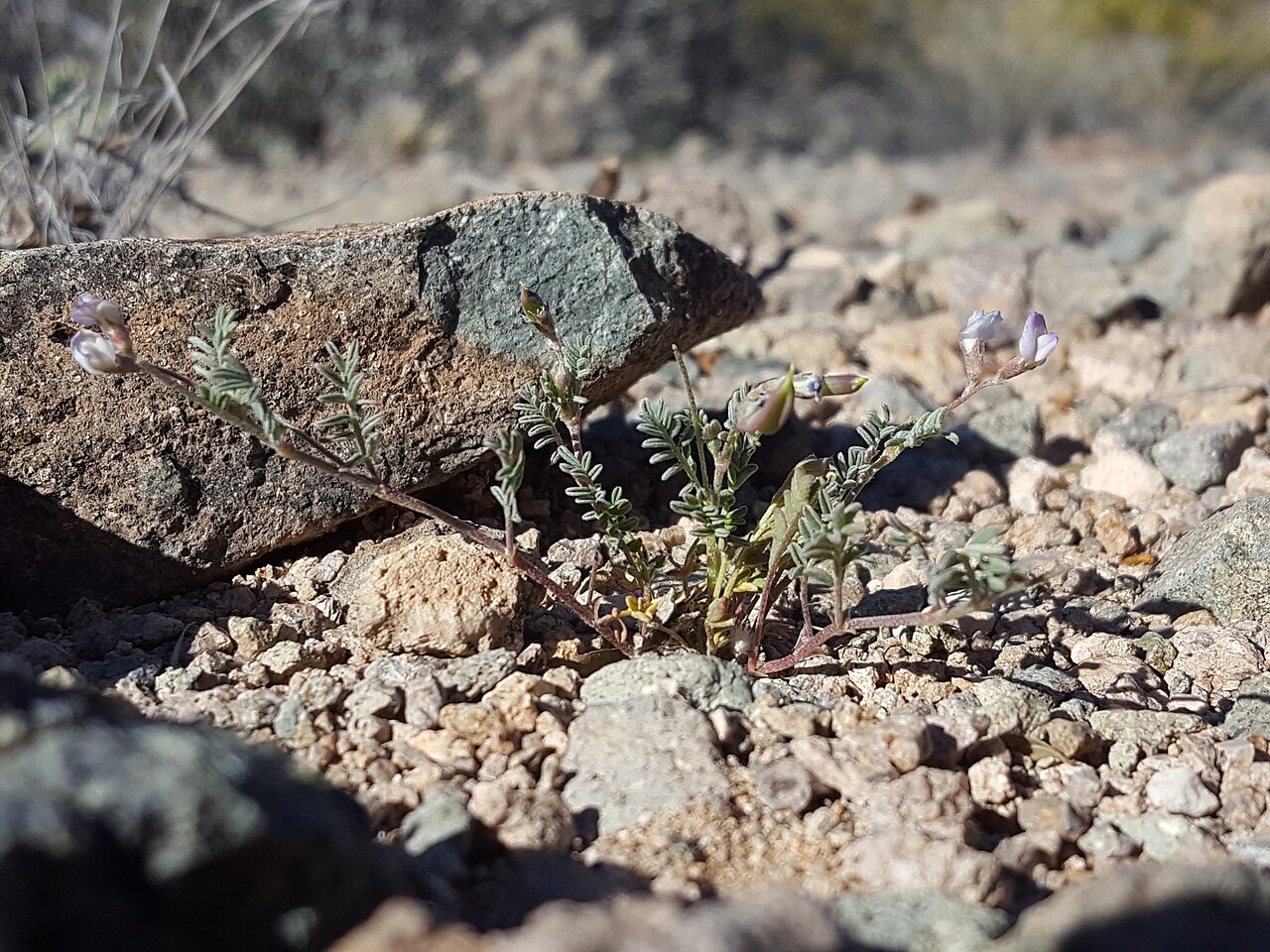
It favors open, dry, often disturbed ground: sandy and gravelly flats, rocky slopes, desert washes, grasslands and roadsides, from near sea level to around 5,000 feet. It appears in late winter after cool-season rains and is gone by early summer.
📋 Regional plant lists featuring Small-flowered Milkvetch: Nebraska, Kansas & Eastern Colorado · Utah & Western Colorado · Arizona & New Mexico · Arkansas, Louisiana, Eastern Oklahoma & Eastern Texas · South & West Texas · California & Nevada
Growing & Care Guide
Small-flowered milkvetch is not a showy garden plant, but it belongs in seeded wildflower mixes, meadow plantings and native lawn alternatives in the South and Southwest, where it adds early nectar and nitrogen. Seed is occasionally included in regional wildflower mixes; it is almost never sold as a potted plant.
Light
Grow it in full sun or light shade. In shade it becomes leggy and flowers sparsely.
Soil & Water
It tolerates poor, rocky, sandy, limestone and even compacted soils as long as they drain. Winter and spring rain is usually enough; in desert gardens, an occasional watering during a dry winter helps seedlings establish. No fertilizer is needed, since the roots host nitrogen-fixing bacteria.
Planting Tips
Sow seed in fall, on the soil surface or lightly raked in, so it can germinate with cool-season rains. Like many legumes, the seed has a hard coat; nicking or sanding the seed (scarification) before sowing improves germination. Sow it among taller wildflowers such as bluebonnets, paintbrush and Indian blanket, where its low stems fill gaps.
Pruning & Maintenance
No pruning is needed. Delay mowing of meadows and roadsides until the pods have dried in late spring so the plant can reseed.
Propagation
It grows only from seed. Collect dry pods in late spring before they split, thresh out the seeds and store them dry. It reseeds itself in open, sunny ground.
Landscape Uses
- Wildflower meadows and roadsides: an early, low-growing companion for bluebonnets and other spring annuals
- Pollinator gardens: early-season nectar and pollen for small native bees
- Desert and xeric gardens: fills bare gravel between shrubs after wet winters
- Soil improvement: a native legume that adds nitrogen to poor soils
- Revegetation: useful in native seed mixes for disturbed, dry sites
Wildlife & Ecological Value
Although small, small-flowered milkvetch can be abundant after wet winters, and its early flowers, seeds and leaves feed a range of insects and other animals.
For Pollinators
The flowers are visited by small native bees, which are strong enough to open the keel of the pea flower. Legume flowers like these are an important early source of pollen in late winter and spring.
For Birds
Seed-eating birds, including quail and wild turkey, eat the seeds of small legumes like milkvetches. Ground-foraging birds also hunt insects among the stems.
For Mammals
Rabbits, rodents and grazing animals browse the foliage of spring annuals. Several other Astragalus species are toxic to livestock (the locoweeds), so don’t assume any milkvetch is safe forage.
Ecosystem Role
As a legume, it forms root nodules with nitrogen-fixing bacteria, enriching poor desert and prairie soils for the plants that follow. Its leaves are also food for the caterpillars of some small butterflies, such as blues and sulphurs, which use milkvetches as host plants.
Cultural & Historical Uses
The species is named for Thomas Nuttall, the English-American naturalist who explored the American West and collected many plants in the early nineteenth century. It was described by the Swiss botanist Augustin Pyramus de Candolle. Astragalus is the largest genus of flowering plants in the world, with thousands of species, and western North America is one of its centers of diversity.
The common name milkvetch comes from an old belief that these plants increased the milk of goats that grazed on them. Safety note: many Astragalus species are poisonous to livestock and people, and some accumulate selenium or contain toxic compounds. Small-flowered milkvetch is not a notorious locoweed, but no part of it should be eaten.
For Texas wildflower watchers, the little purple-and-white flowers in short grass along roadsides are a familiar early sign of spring, appearing weeks before bluebonnet season peaks.
Frequently Asked Questions
Is small-flowered milkvetch an annual?
Yes. It is a cool-season annual that germinates in fall or winter, flowers in late winter and spring, sets seed and dies by early summer.
Is small-flowered milkvetch poisonous?
It is not known as a major locoweed, but many related milkvetches are toxic to livestock, so treat all milkvetches with caution and don’t eat them.
Where does small-flowered milkvetch grow?
It grows from Arkansas, Louisiana and Kansas west through Oklahoma, Texas and the Southwest to California and into northern Mexico, on prairies, roadsides, rocky slopes and desert flats.
How do I grow small-flowered milkvetch?
Sow scarified seed in fall on well-drained soil in full sun. It needs little care and reseeds in open ground if you let the pods ripen.
What other names does small-flowered milkvetch have?
It is also called smallflower milkvetch, Nuttall milkvetch and turkey-peas. USDA PLANTS lists it as smallflowered milkvetch.

Looking for a nursery that carries Small-flowered Milkvetch?
Browse our native plant nursery directory: Arizona & Arkansas · California · Colorado · Kansas · Louisiana · Nevada, New Mexico & Oklahoma · Texas & Utah

