Dividing an Established Blue Mistflower Patch: Where to Start
Last updated: November 5, 2026
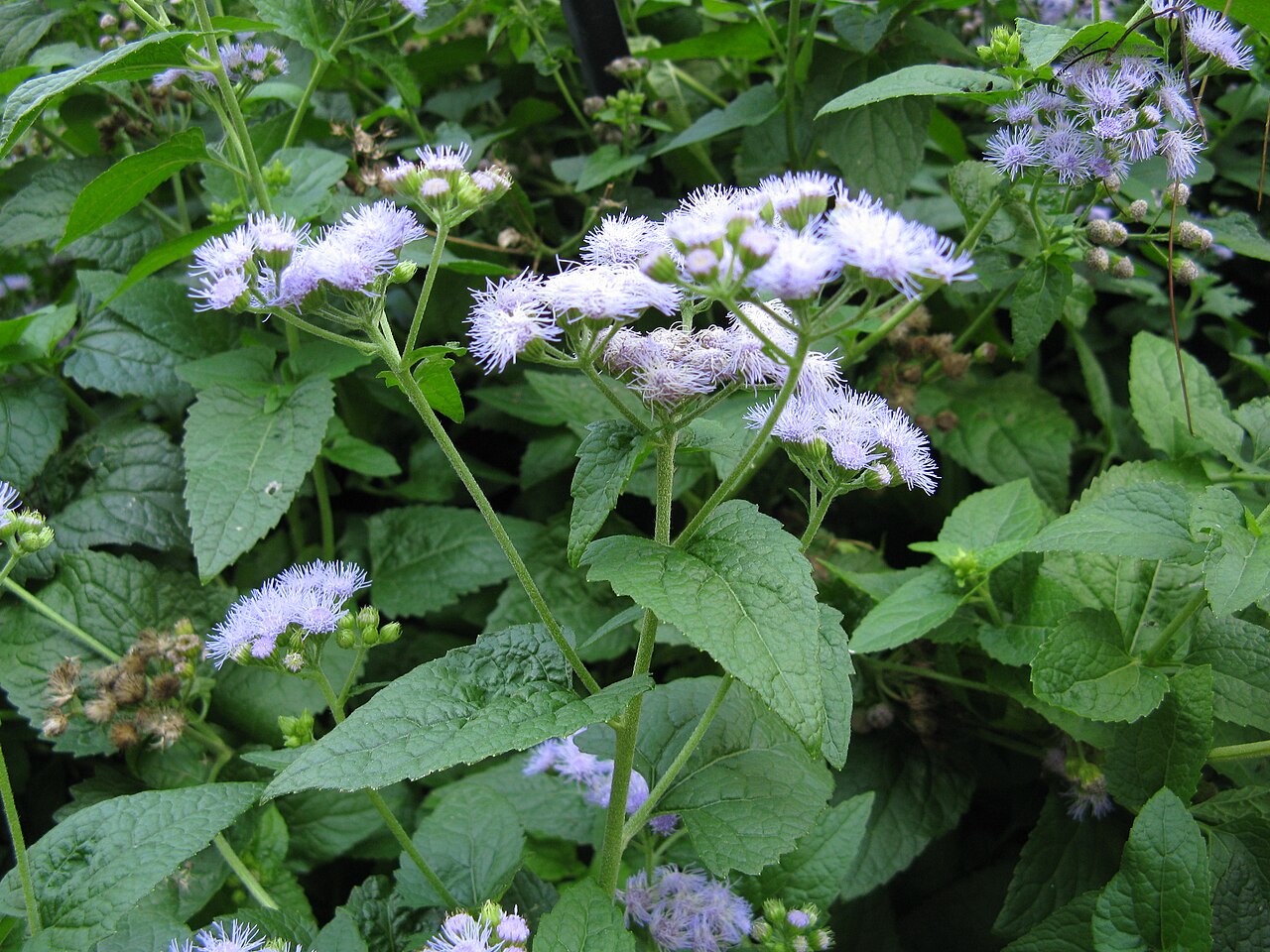
Your blue mistflower patch has filled its space. Maybe the center has gone thin, or it’s pressing into the plants around it, or you just want more of it somewhere else.
Dividing is the answer to all three. The hard part isn’t the digging. It’s knowing where to put the spade first in a patch that has no obvious “clumps.”
This guide shows you when to divide, where to start, how big each piece should be, and how to get the new plants through their first season.
The Short Answer
Blue mistflower (Conoclinium coelestinum) spreads by shallow rhizomes, so dividing it is mostly a matter of cutting and lifting sections of a mat.
- When: early spring, once new shoots are visible.
- Where to start: at the outer edge of the patch, where growth is youngest and strongest.
- Piece size: a section with several shoots and its own roots and runners, about the size of your hand or larger.
- How often: every few years, or whenever the patch gets crowded.
- Aftercare: replant at the same depth and keep the soil moist while the pieces settle in.
How a Mistflower Patch Is Built
Most perennials you divide grow as a single crown, a tight clump you can lift and split like a hosta. Blue mistflower works differently.
Illinois Wildflowers describes its root system as highly rhizomatous. The underground stems run sideways and send up shoots as they go, so an established patch is really a woven mat of connected plants. The Native Plant Society of Texas notes the roots are shallow and easy to pull.
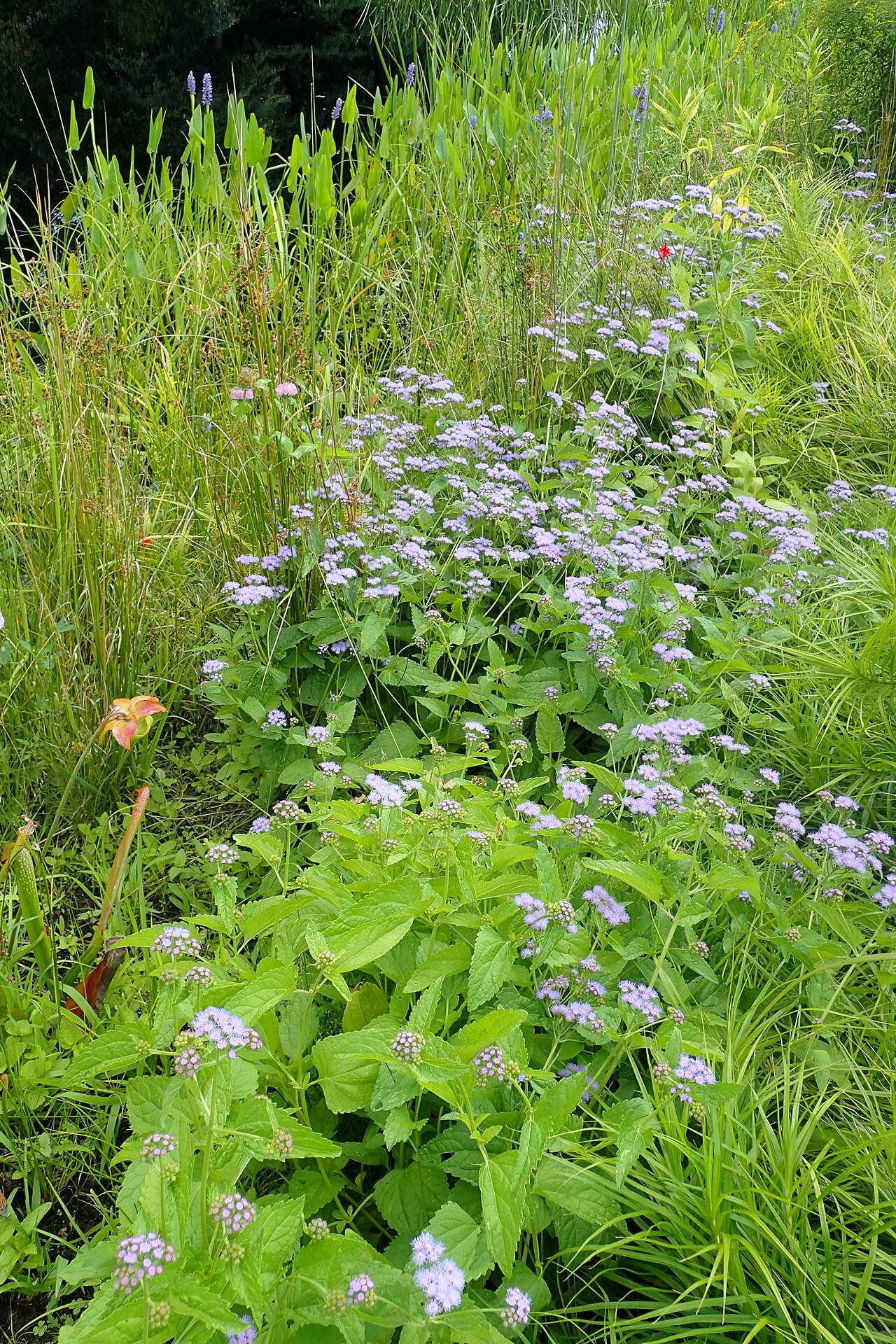
That has two practical results. First, you can cut almost anywhere in the patch and get a viable piece, as long as it has shoots and roots. Second, the newest, most vigorous growth is usually on the outside, while the center gets older and more crowded.
Division at a Glance
| Best timing | Early spring. The Missouri Botanical Garden and NC State Extension both recommend clump division in early spring. |
| How often | Every few years. Our species profile suggests every two to three years for crowded colonies. |
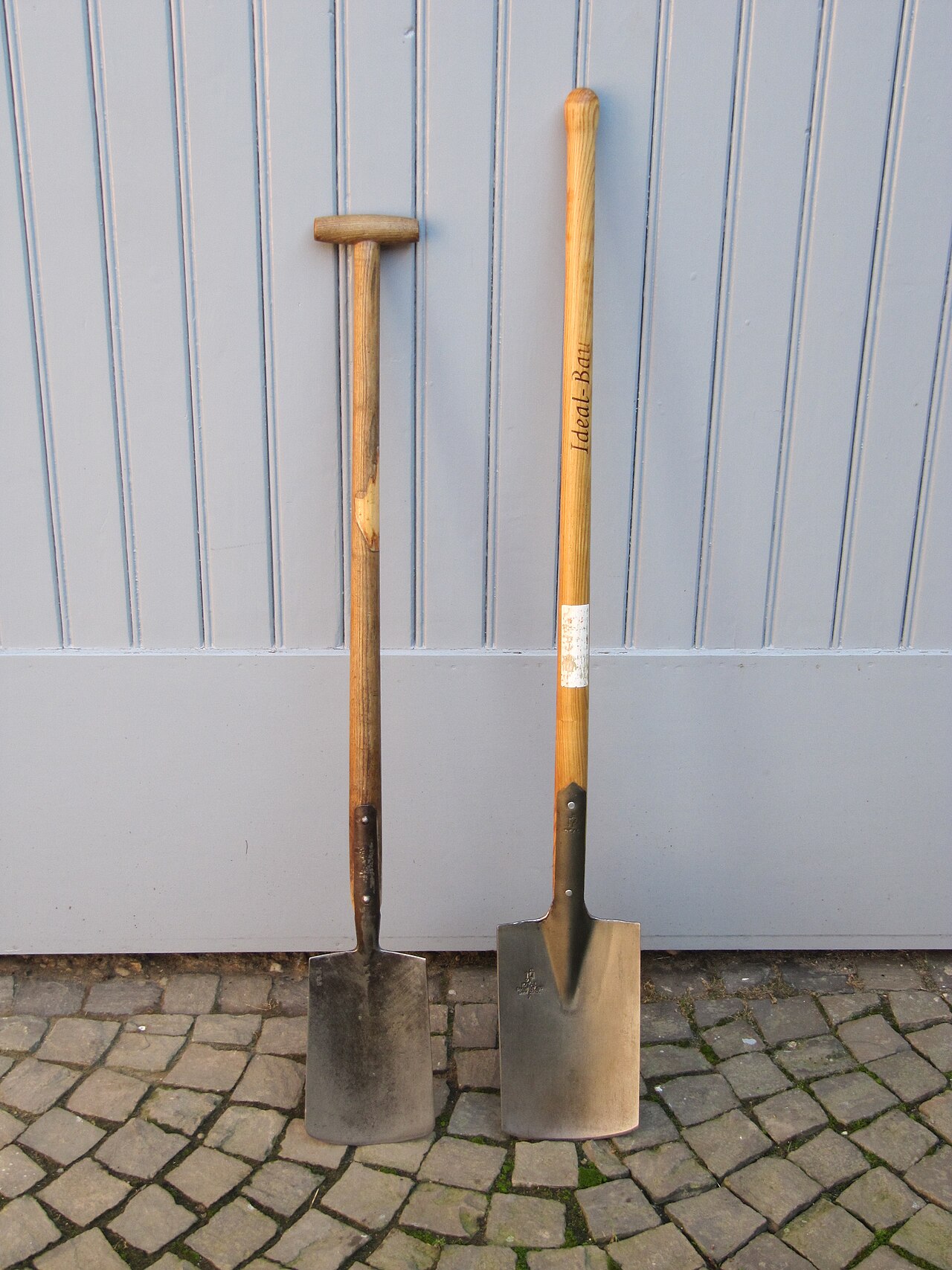
| Tools | Sharp flat spade, garden fork, tarp or bucket, hose. |
| Spacing for replanting | About 18 to 24 inches apart, per our profile. Pieces fill in fast. |
| Avoid | Dividing in hot, dry midsummer or while the plant is in bloom. |
Step 1: Decide Why You’re Dividing
Your reason shapes where you dig and how much you take.
- To renew a tired patch: take out the weak, crowded center and replant strong pieces from the edges back into it.
- To shrink the patch: work from the edges inward and remove more than you replant. Our guide to keeping blue mistflower within a garden bed covers the ongoing edge work.
- To get more plants: take a few healthy sections from the edge and leave the rest of the patch alone.
If the patch has stopped flowering well, dividing often helps. Our guide to blue mistflower not blooming lists the other causes to rule out first, such as shade and dry soil.
Step 2: Wait for the Right Moment in Spring
Both the Missouri Botanical Garden and NC State Extension recommend dividing in early spring. The plant has a full season ahead to root in before its late-summer bloom.
Waiting until new shoots are a few inches tall makes the job easier. You can see where the living patch actually is, and you can tell strong shoots from weak ones.
Pick a cool, overcast day when the soil is moist but not soggy. If the ground is dry, water the patch deeply the day before. Moist soil holds together around the roots and makes lifting easier.
Fall division is sometimes done, and our profile notes early fall as a planting window. But spring is the timing the extension sources give, and it avoids cutting into the bloom season. If you divide in fall, do it after bloom and early enough for the pieces to root before the ground freezes. Our fall planting guide for perennials covers late-season transplant care.
Step 3: Start at the Outside Edge
This is the answer to “where do I start?” Begin at the outer margin of the patch, not in the middle.
Walk around the patch and find the side with the thickest, healthiest new shoots. That’s usually the edge growing into fresh soil. Pieces taken from there establish fastest.
Push a sharp spade straight down to make a square or wedge-shaped cut about the size of a dinner plate. Then cut underneath it at a shallow angle. Since the rhizomes are near the surface, you rarely need to dig deep.
Lift the section onto a tarp or into a bucket. Repeat around the edge until you have as many pieces as you need.
Step 4: Cut Each Section Into Planting Pieces
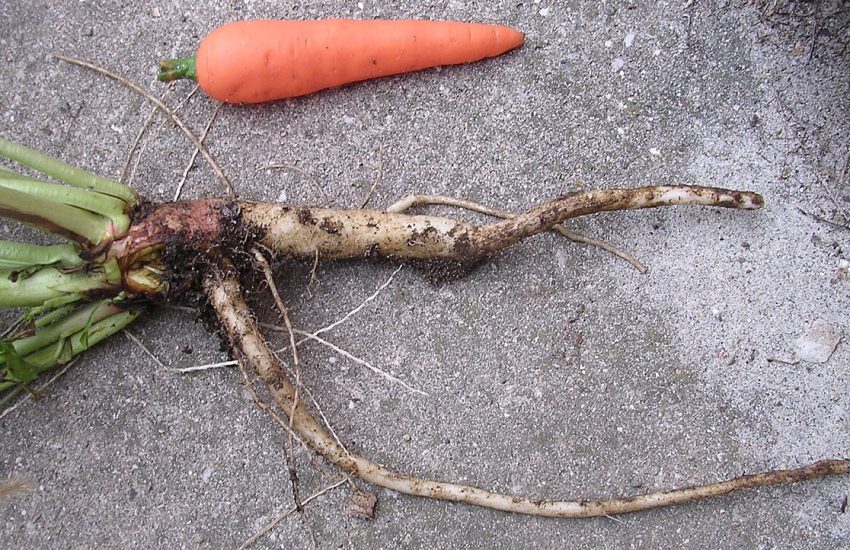
Shake or rinse away loose soil so you can see the runners. You’ll find branching rhizomes with roots along them and shoots coming up at intervals.
Pull or cut the section into smaller pieces. A good planting piece has:
- Several healthy shoots, not just one.
- Its own fibrous roots, not just a bare runner.
- A few inches of rhizome attached.
Pieces about the size of your hand are a good middle ground. Bigger pieces settle faster and may bloom well the first fall. Smaller pieces work too, but expect a lighter first season.
Throw out old, woody, or weak bits from the center, along with any weeds tangled in the mat. Keep the pieces in shade and covered with damp burlap or newspaper if you can’t plant right away.
Step 5: Renew or Fill the Old Spot
Look at the hole you’ve left, and at the center of the patch. If the middle had gone thin or bare, now’s the time to fix it.
Dig out the weakest growth, loosen the soil, and work in some compost or shredded leaves. Mistflower prefers moist, fertile, humus-rich soil, according to the Missouri Botanical Garden. In heavy ground, our tips on improving clay soil are useful.
Replant a few of your strongest pieces back into the renewed center, spaced well apart. They’ll knit together again within a season or two.
Step 6: Replant at the Same Depth
Set each piece at the depth it was growing, with the rhizomes just under the surface and the shoots above ground. Firm the soil around it with your hands.
Our profile suggests spacing new plants 18 to 24 inches apart, noting they fill in quickly. Use the wider spacing if you want to delay crowding. Use closer spacing if you need cover fast.
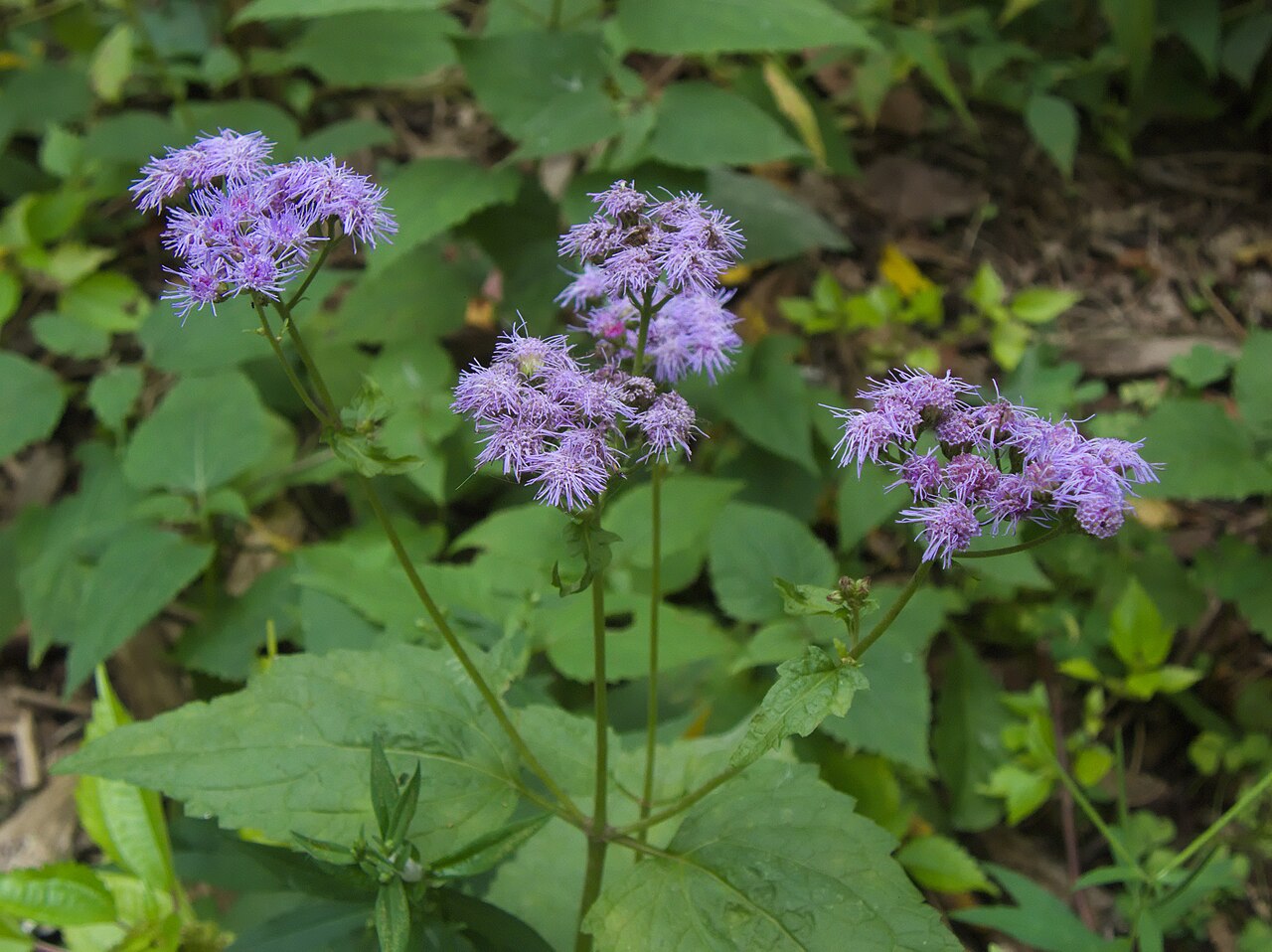
Choose sites that match the plant’s needs: full sun to part shade and consistently moist soil. Low spots, the edges of ponds, and rain gardens all suit it well. NC State Extension also lists it as tolerating occasional flooding.
Water each piece in thoroughly, right after planting.
Step 7: Get Divisions Through the First Season
New divisions have short roots and dry out quickly. Water is the single most important thing in the first few weeks.
Illinois Wildflowers rates the plant’s drought tolerance as poor, so check the soil every few days in spring and weekly through summer. Water deeply whenever the top inch feels dry. Wilting leaves are a clear signal to water right away.
A thin layer of shredded leaves or fine wood mulch around the pieces helps hold moisture. Keep it an inch or so back from the stems. See our mulching techniques for native gardens for options.
Don’t fertilize. Compost worked into the soil is plenty, and new divisions should be putting energy into roots.
Expect some flowers the first fall from larger pieces, and lighter bloom from small ones. By the second year, divisions are usually indistinguishable from the old patch.
Troubleshooting at a Glance
| Divisions wilting after planting | Normal at first. Keep the soil moist and give temporary shade on hot days. |
| Pieces never leafed out | Too small, too dry, or no roots attached. Use larger pieces next time. |
| Hard to find “clumps” to split | Normal for a rhizome mat. Cut squares from the edge instead. |
| Center still weak after dividing | Check light and moisture there. Shade or dry soil may be the real cause. |
| Old spot filling back in fast | Leftover rhizome pieces are regrowing. Fine for renewal, or pull extras if shrinking the patch. |
Where to Put Your Extra Plants
An established patch often gives you more pieces than you need. Before you plant them all around your own yard, remember that mistflower is a strong spreader. NC State Extension says it isn’t recommended for small planting areas.
Good homes for extra divisions include:
- Moist, open ground where a spreading groundcover is welcome.
- Pond and stream edges, as long as spreading roots won’t crowd other plants.
- Pollinator plantings with tall, sturdy partners like cardinal flower and asters.
- Neighbors, schools, and native plant swaps within the species’ native range.
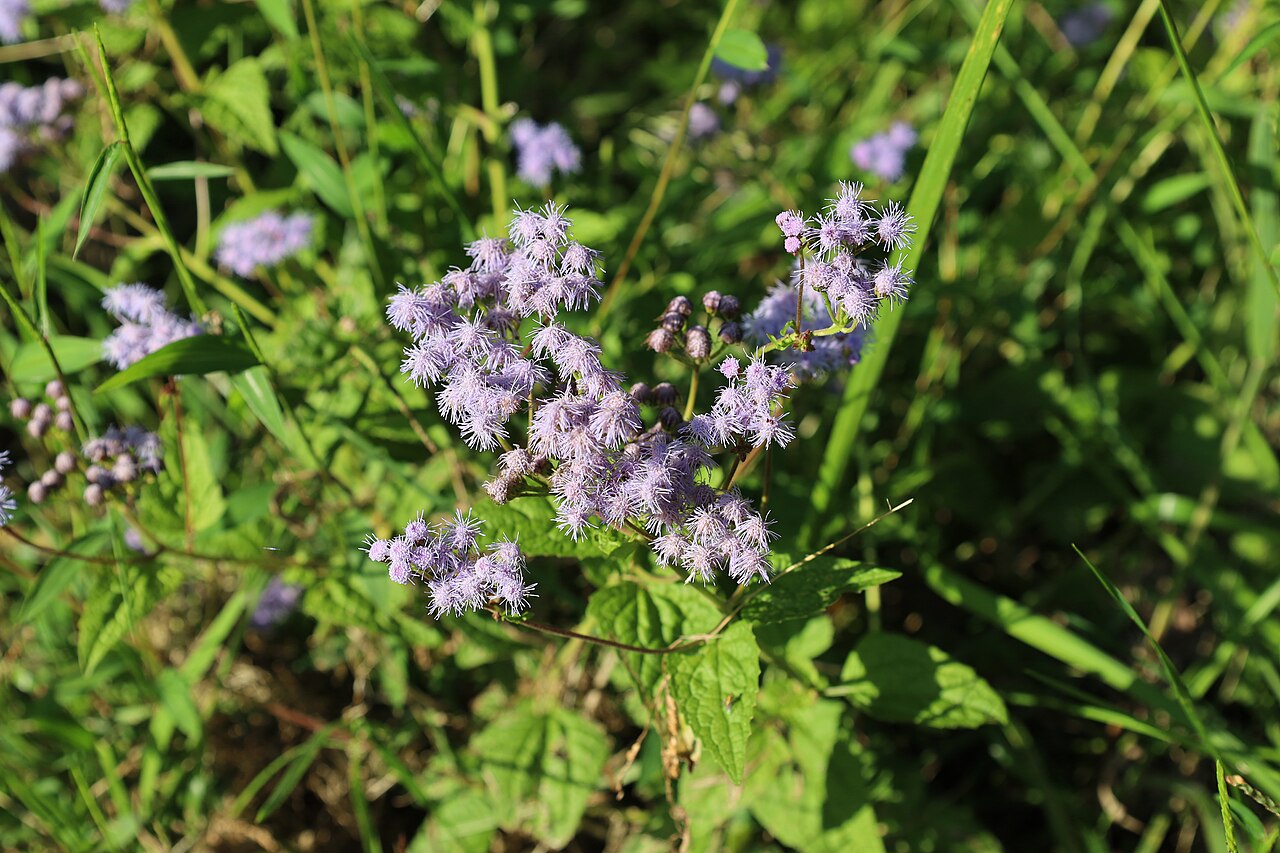
Mistflower is native to much of the eastern and central United States. If you’re sharing plants, check that the recipient is within that range before passing them along.
A Season-by-Season Division Plan
- Early spring: cut back last year’s dead stems. Mark where you’ll divide.
- Mid-spring: once shoots are a few inches tall, divide from the edges, renew the center, and replant.
- Late spring to summer: water divisions deeply whenever the soil dries. Mulch lightly.
- Late summer to fall: enjoy the bloom. Note which parts of the patch flowered best.
- Every few years: repeat when the patch gets crowded or the center thins.
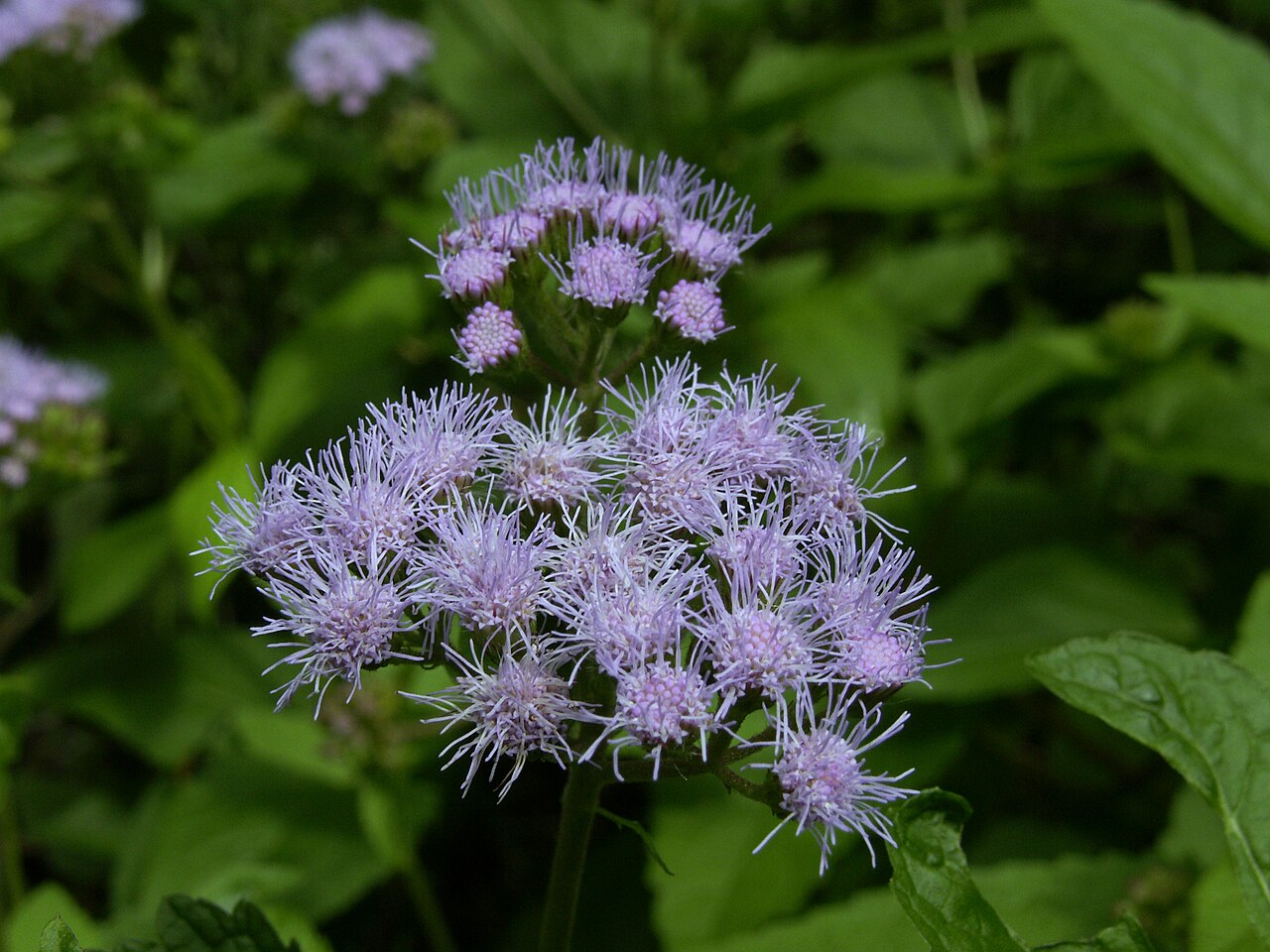
📋 More on this plant: read the full Mist Flower (Conoclinium coelestinum) profile, or see it in our native plant lists for Maryland, Virginia & West Virginia, Georgia, Alabama & Mississippi, and Arkansas, Louisiana, Eastern Oklahoma & Eastern Texas.
Frequently Asked Questions
When is the best time to divide blue mistflower?
Early spring. The Missouri Botanical Garden and NC State Extension both recommend clump division then, and waiting until shoots are a few inches tall makes the patch easy to read.
How often should blue mistflower be divided?
Every few years, or when the patch gets crowded or the center thins. Our profile suggests every two to three years for crowded colonies.
Can you divide blue mistflower in summer?
It’s best avoided. Summer heat dries out new divisions quickly, and cutting into the patch then can reduce the late-summer bloom.
How small can a blue mistflower division be?
Small pieces with a few shoots and their own roots can take, but hand-sized pieces or larger establish faster and are more likely to bloom the first fall.
Can I grow new plants from the pulled runners?
Often, yes, if the runner has roots and a shoot or two attached. Pot it up, keep it moist, and plant it out once it’s growing.
Sources
- Missouri Botanical Garden Plant Finder, Conoclinium coelestinum: clump division in early spring, soil preferences, rhizome spread.
- North Carolina Extension Gardener Plant Toolbox, Conoclinium coelestinum: division in early spring, propagation methods, flooding tolerance, small-space caution.
- Illinois Wildflowers, Mistflower: rhizomatous root system, division of rhizomes, drought tolerance.
- Native Plant Society of Texas, Conoclinium coelestinum: shallow roots.
- Lady Bird Johnson Wildflower Center, Conoclinium coelestinum: propagation by root division, native distribution.
- Jersey-Friendly Yards, Mistflower: division every few years.