
Citronella Horse Balm (Collinsonia canadensis)
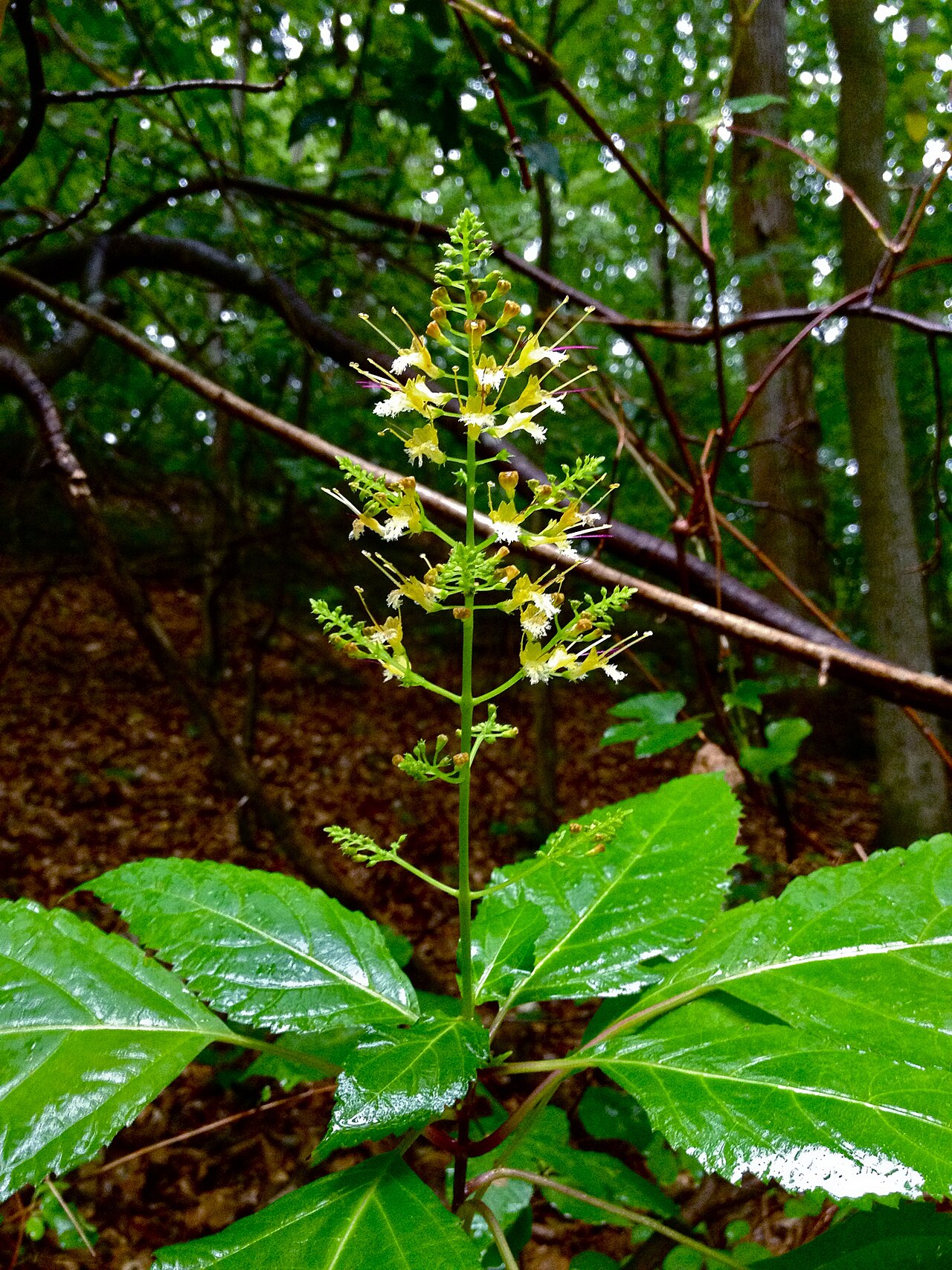
Collinsonia canadensis, known as Citronella Horse Balm, richweed, stoneroot or horse balm, is a tall, aromatic native perennial of rich eastern woodlands. It grows 2 to 4 feet tall (occasionally to 5 feet) with pairs of large, coarsely toothed leaves on square stems. From midsummer into early fall, it carries loose, branched spikes of pale yellow flowers with a fringed lower lip and two long stamens. The whole plant has a strong lemony, citronella-like scent when brushed or crushed.
It belongs to the mint family (Lamiaceae) and is one of the few native mints that thrives in shade. It grows in moist, rich, often rocky deciduous woods, wooded ravines and slopes, and along shaded streams. Its tough, knobby rhizome gives it the folk name stoneroot.
Citronella horse balm is an excellent late-season plant for shade gardens, where it blooms after most woodland wildflowers have finished and attracts bumblebees. This guide covers how to identify it, where it grows natively, how to grow it, and its value for pollinators.
Identification
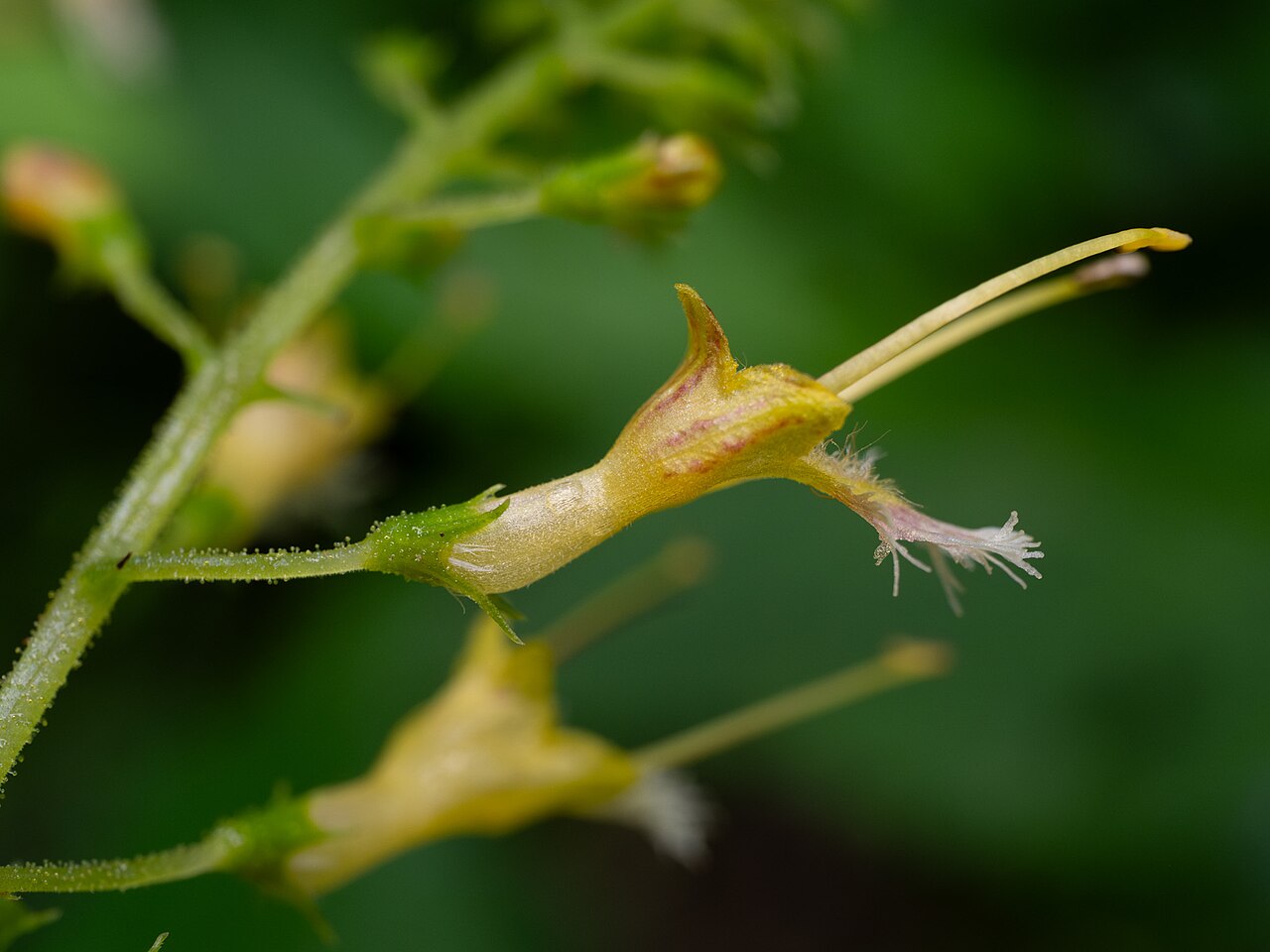
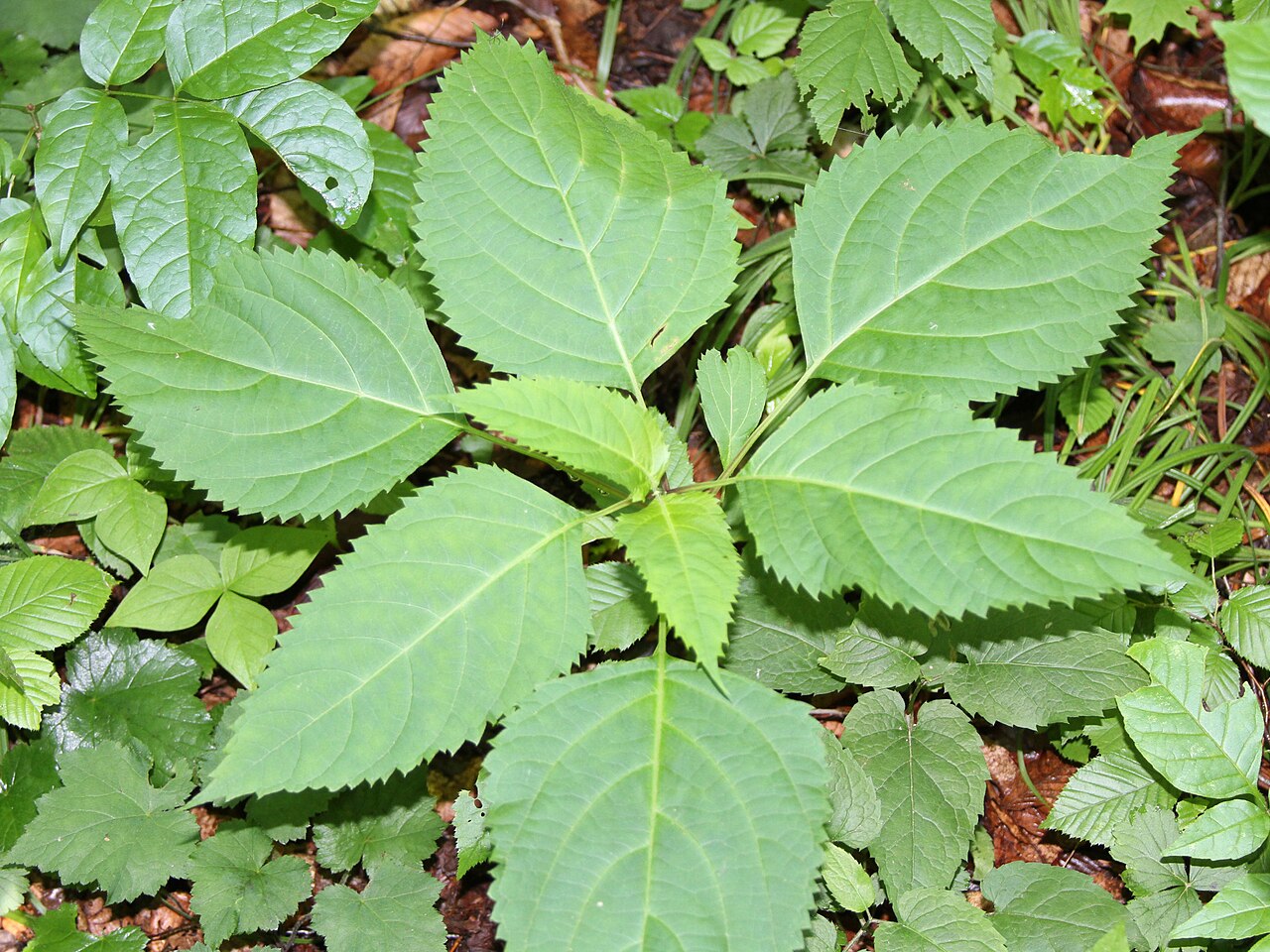
Citronella horse balm is easy to recognize in late summer by its large opposite leaves, square stem, branched spikes of pale yellow, fringed flowers, and lemony scent.
Growth Habit
It is a clump-forming perennial with one to several erect, square stems 2 to 4 feet tall, rising from a hard, knobby, woody rhizome. Plants spread slowly and form loose clumps rather than running colonies.
Leaves
The leaves are opposite, broadly oval to egg-shaped, 3 to 8 inches long, with pointed tips and coarse, regular teeth. The lower leaves have long stalks and the upper ones are smaller and nearly stalkless. They are thin, bright to dark green and often somewhat glossy, with tiny dotted glands underneath that give off the lemony scent.
Flowers
The flowers are borne in loose, branched, open spikes (panicles) at the top of the plant from about July to September. Each flower is about ½ inch long, pale yellow, and two-lipped, with the lower lip enlarged and deeply fringed. Two long stamens and the style project well beyond the flower. The flowers have a lemony or citronella fragrance.
Fruit & Seeds
After flowering, each flower produces one to four small, smooth, rounded nutlets that ripen inside the persistent green calyx in fall. The dried flower stalks often remain standing into winter.
Look-alikes
Other Collinsonia species occur in the Southeast: whorled horse balm (Collinsonia verticillata) blooms in spring with leaves crowded near the top of the stem, and tuberous horse balm (Collinsonia tuberosa) is smaller with fewer flowers. Before flowering, the large opposite leaves resemble those of Bee Balm or wood nettles, but bee balm leaves are narrower with a minty scent, and nettles have stinging hairs.
Quick Facts
| Scientific Name | Collinsonia canadensis |
| Family | Lamiaceae (mint family) |
| Plant Type | Herbaceous perennial |
| Mature Height | 2–4 ft (occasionally 5 ft) |
| Mature Spread | 1–2 ft |
| Growth Rate | Moderate |
| Sun Exposure | Part shade to full shade |
| Water Needs | Medium; moist soil |
| Soil Type | Rich, moist, humusy loam; rocky woodland soils |
| Soil pH | About 5.5–7.5 |
| Bloom Time | July–September |
| Flower Color | Pale yellow |
| Fall Color | Leaves turn yellow to tan |
| Fruit | Small rounded nutlets in the persistent calyx |
| Deer Resistant | High (aromatic foliage) |
| USDA Hardiness Zones | 4–8 |
Native Range
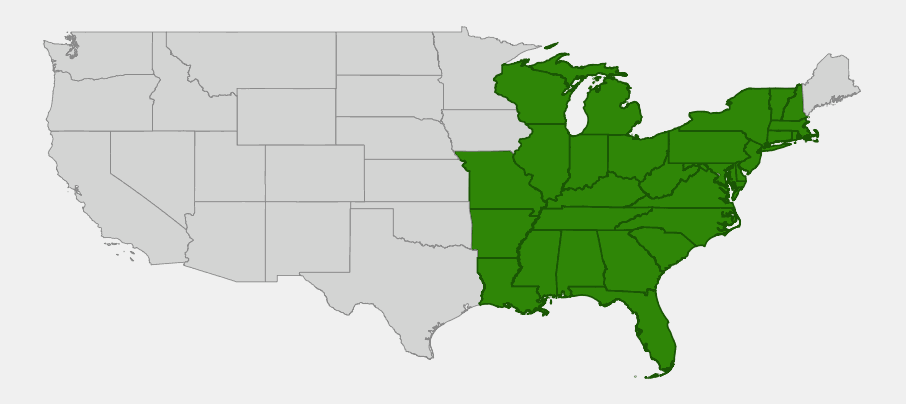
Citronella horse balm is native to the eastern United States and southern Ontario and Quebec. USDA PLANTS records it as native in 28 states, from Vermont, New Hampshire and southern New England south through New York, Pennsylvania and the Appalachians to northern Florida, and west through the Ohio Valley and Great Lakes to Michigan, Wisconsin, Illinois and Missouri, and to Arkansas and Louisiana.
It is most common in the Appalachians and the Piedmont, from Pennsylvania and Ohio south to the mountains of the Carolinas, Tennessee and northern Georgia. It grows in moist, rich deciduous forests, often on rocky, wooded slopes, in coves and ravines, and along shaded streams and seepy areas.
At the northern and western edges of its range, such as in New England, Wisconsin and Missouri, and in Florida and the Gulf States, it is less common and confined to rich, moist woods and ravines.
📋 Regional plant lists featuring Citronella Horse Balm: North & South Florida · Alabama, Georgia & Mississippi · North & South Carolina · Maryland, Virginia & West Virginia · Kentucky & Tennessee · Arkansas, Louisiana, Eastern Oklahoma & Eastern Texas · Illinois, Iowa & Missouri · Ohio & Indiana · Michigan, Wisconsin & Eastern Minnesota · New York, Pennsylvania & Northern New Jersey · Delaware, Southern New Jersey & Long Island · Connecticut, Massachusetts & Rhode Island · New Hampshire, Maine & Vermont
Growing & Care Guide
Citronella horse balm is a sturdy, long-lived perennial for moist shade, and it is easy to grow once established. It is valuable for extending bloom into late summer and early fall in woodland gardens, when few other shade plants flower.
Light
It grows best in part shade to full shade under deciduous trees. It tolerates morning sun, but in hot afternoon sun the large leaves wilt and scorch.
Soil & Water
Give it moist, rich, well-drained soil with plenty of organic matter, like a natural forest floor. It tolerates rocky soils and slopes but not prolonged drought. Water during dry spells, especially in its first year.
Planting Tips
Set out potted plants in spring or fall about 18 to 24 inches apart. Plant it toward the back of a shade bed or along a woodland path, where you can brush the leaves to enjoy their lemony scent.
Pruning & Maintenance
Little care is needed. It is generally pest free. Leave the stems standing over winter for seed and structure, and cut them back in early spring. The foliage is sensitive to early frost, which may blacken it in fall.
Propagation
Divide the woody rhizomes in early spring while dormant. They are very hard, so you may need a sharp spade, hatchet or chisel to cut them. Seed can be sown outdoors in fall for natural cold stratification.
Landscape Uses
- Shade and woodland gardens: late-summer flowers and bold foliage for moist shade
- Pollinator gardens in shade: attracts bumblebees when few shade plants bloom
- Fragrance gardens: lemony scent from leaves and flowers
- Woodland restoration: a typical herb of rich, moist eastern forests
- Deer-browsed areas: aromatic foliage that deer usually avoid
Wildlife & Ecological Value
Citronella horse balm is an important late-season flower for woodland pollinators, especially bumblebees.
For Pollinators
The flowers are visited mainly by bumblebees and other bees, which land on the fringed lower lip to reach the nectar and pick up pollen from the long stamens. Hummingbirds and butterflies occasionally visit as well. Because it blooms from midsummer into fall in the shade, it fills a gap in the woodland nectar supply.
For Birds
Birds make little use of the small nutlets, but the plant provides cover on the forest floor for ground-nesting and foraging birds.
For Mammals
Its strongly scented, aromatic leaves are rarely browsed by deer or rabbits.
Ecosystem Role
Its tough, woody rhizomes help hold soil on rocky slopes and stream banks in rich woods, and its late flowers help sustain bumblebee colonies as they raise new queens in late summer.
Cultural & Historical Uses
Linnaeus named the genus Collinsonia for Peter Collinson, an English Quaker cloth merchant and keen gardener who, in the 1700s, received seeds and plants from the American naturalist John Bartram and distributed them to gardens across Britain. Horse balm was one of the American plants grown in European gardens in that era.
The plant has been used in North American folk and herbal medicine, where its hard rhizome, known as stoneroot, was used for a range of complaints. Its other common names, including richweed (for its rich-woods habitat), horse balm and ox balm, reflect its use and its strong scent. Herbal uses have not been confirmed by modern clinical research, and the plant should not be used as medicine without professional advice.
The “citronella” in its name refers to the lemony fragrance of the leaves and flowers, similar to the oil used in insect-repellent candles. It is not the source of commercial citronella oil, which comes from a tropical grass.
Frequently Asked Questions
Why is it called citronella horse balm?
Its leaves and flowers have a strong lemony scent similar to citronella. “Horse balm” is an old folk name of uncertain origin.
Does citronella horse balm repel mosquitoes?
It has a citronella-like scent, but there is no good evidence that growing it repels mosquitoes. It is not the source of commercial citronella oil.
Will citronella horse balm grow in full shade?
Yes. It is one of the few native mints that grows well in part to full shade, as long as the soil is rich and moist.
When does citronella horse balm bloom?
It blooms from about July to September, after most woodland wildflowers have finished.
Is citronella horse balm deer resistant?
Usually. Its aromatic foliage is rarely browsed by deer or rabbits.

Looking for a nursery that carries Citronella Horse Balm?
Browse our native plant nursery directory: Alabama & Arkansas · Connecticut, Delaware, Florida & Georgia · Illinois & Indiana · Kentucky, Louisiana, Maryland, Massachusetts, Michigan, Mississippi & Missouri · New Hampshire, New Jersey, New York, North Carolina & Ohio · Pennsylvania, Rhode Island, South Carolina, Tennessee, Vermont & Virginia · West Virginia & Wisconsin