
Subalpine Fleabane (Erigeron peregrinus)
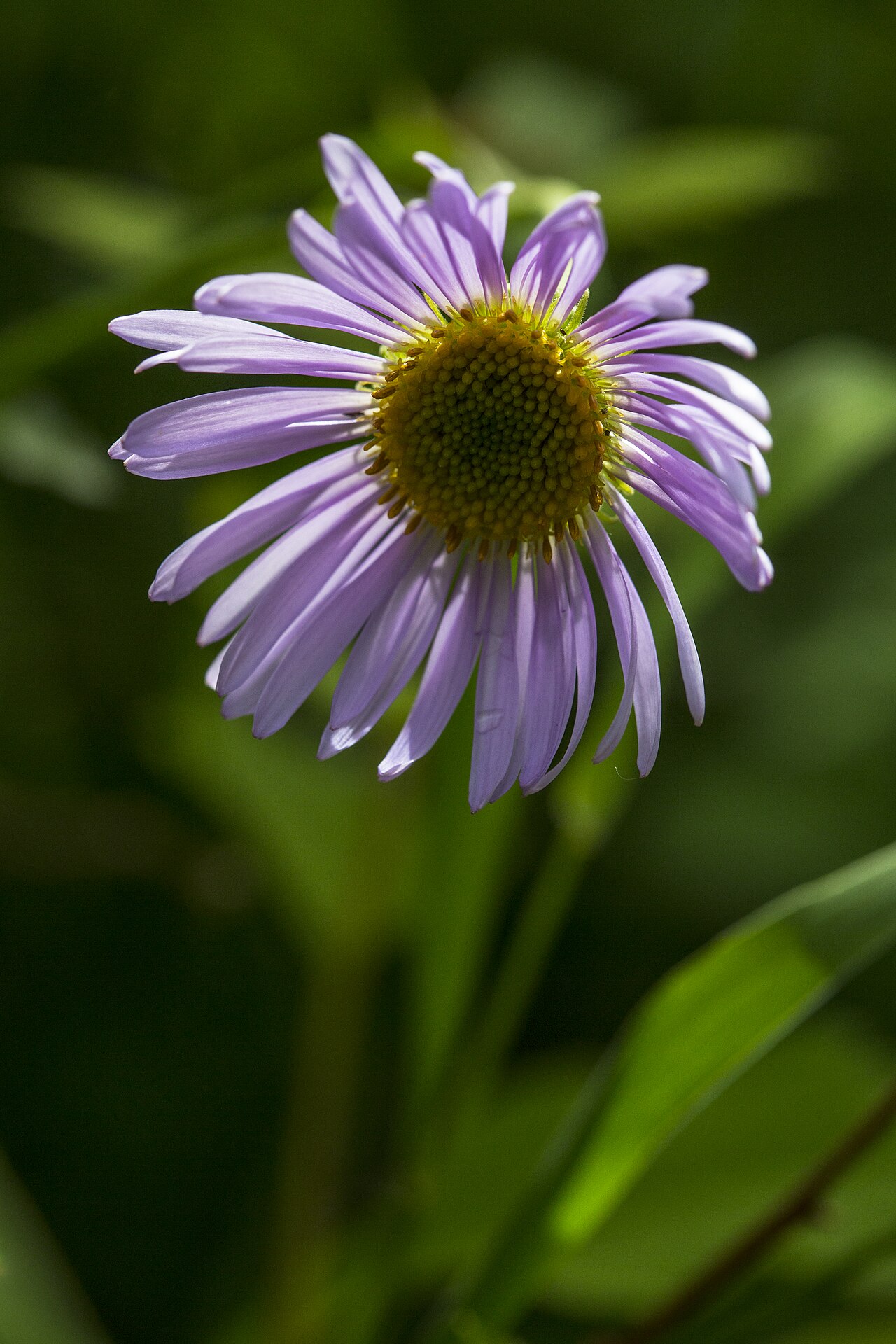
Erigeron peregrinus, known as Subalpine Fleabane, is one of the showiest daisies of the western mountains. It is also called wandering daisy and peregrine fleabane. In mid to late summer, its flower heads, 1 to 2 inches across, with dozens of narrow lavender, rose-purple, pink or white rays around a golden center, fill subalpine meadows from Alaska to New Mexico and California. It belongs to the aster family (Asteraceae).
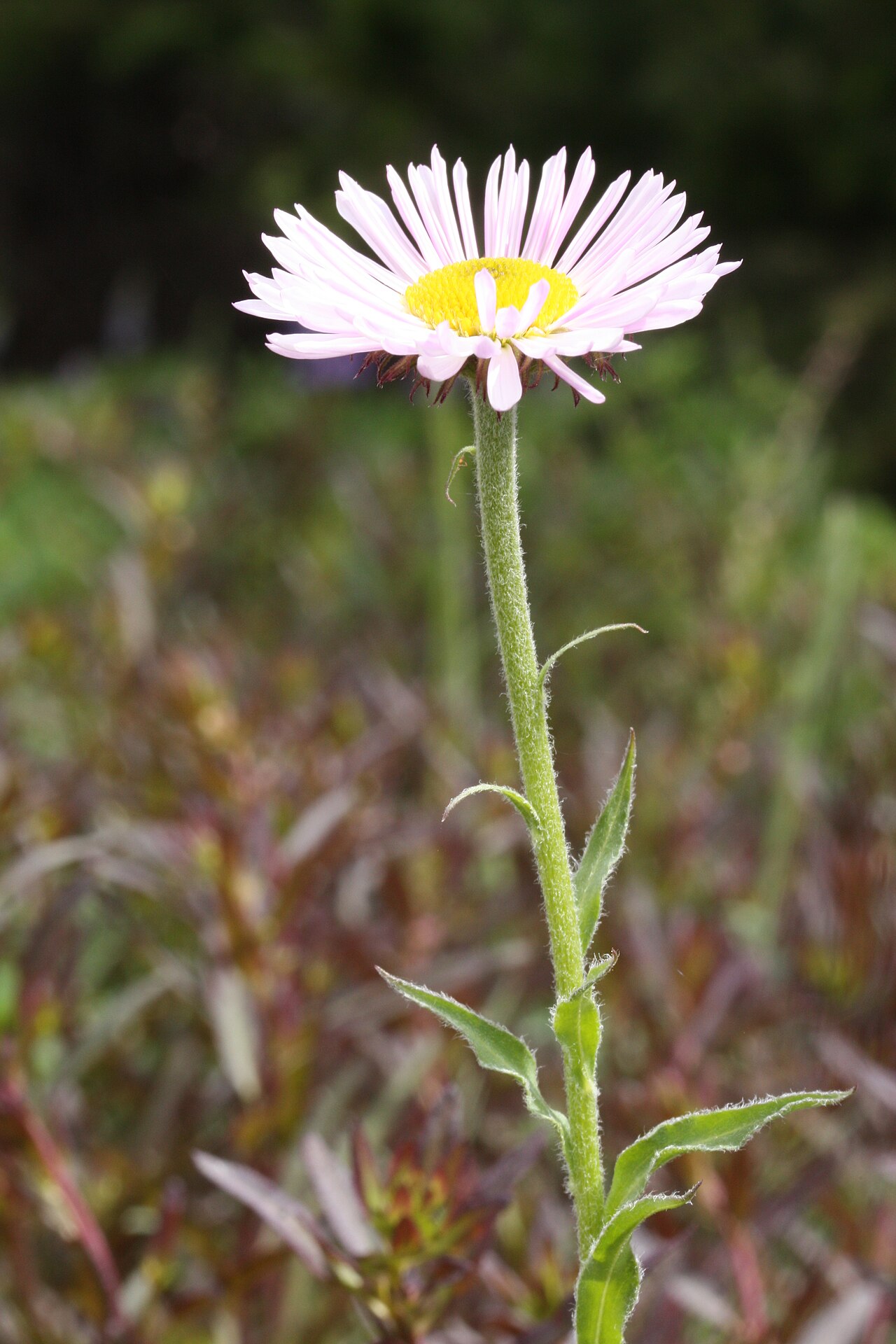
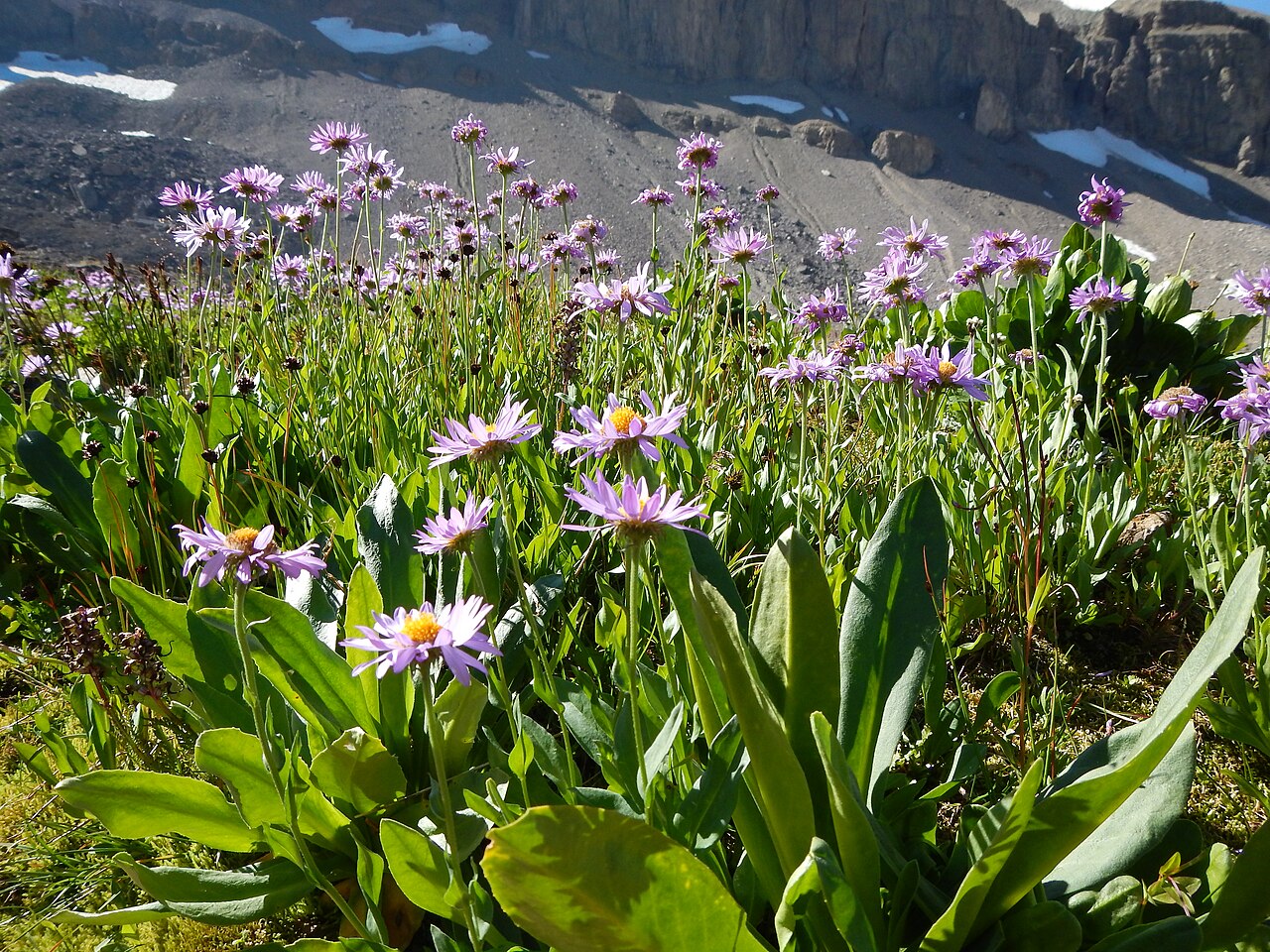
It is a clump-forming perennial, usually 6 to 24 inches tall, with a rosette of smooth, spoon-shaped basal leaves and leafy stems that each carry one, or occasionally a few, large flower heads. It is a classic wildflower of moist mountain meadows, streambanks and open forests, often growing with paintbrushes, lupines, valerian and arnica in some of the most colorful wildflower displays in North America.
Taxonomists treat this species in different ways. USDA PLANTS uses a broad Erigeron peregrinus that covers plants from Alaska through the Rockies and Sierra Nevada. Some recent floras, including Flora of North America, keep E. peregrinus mainly for Alaska and the Pacific coast and call most inland mountain plants Erigeron glacialis. This page follows USDA. For gardeners, it is a lovely plant for cool, moist mountain and northern gardens.
Identification
Look for a large, single daisy-like flower head with many narrow lavender to pink rays on a leafy stem in a moist subalpine meadow, above a rosette of smooth, spoon-shaped leaves.
Growth Habit
Subalpine fleabane is a perennial, 4 to 28 inches tall but usually 6 to 24 inches, growing from a short, stout rhizome or branched base. Plants form small clumps with one to several upright, unbranched or sparsely branched stems.
Leaves
The basal leaves are oblanceolate to spoon-shaped, up to about 8 inches long including the stalk, smooth or sparsely hairy, and bright green. The stem leaves are smaller, lance-shaped and often clasp the stem, becoming gradually smaller toward the top.
Flower Heads
Each stem usually carries a single flower head, sometimes two to four, about 1 to 2 inches across. There are 30 to 80 narrow ray flowers, lavender to rose-purple, pink or white, around a yellow disk. The bracts beneath the head are narrow, nearly equal in length, often purplish and covered with sticky glandular hairs. Bloom time is July to September, beginning soon after the snow melts.
Fruit & Seeds
The seeds are small achenes with a tuft of fine, tan bristles (pappus) that carry them on the wind in late summer and fall.
Look-alikes
Showy fleabane (Erigeron speciosus) has several smaller heads per stem, very narrow rays and leaves along the stem with three veins; it grows in drier, lower places. Mountain asters, such as leafy aster (Symphyotrichum foliaceum), have fewer, broader rays and bracts that are not glandular. As in most fleabanes, subalpine fleabane has many more, narrower rays than true asters.
Quick Facts
| Scientific Name | Erigeron peregrinus (inland plants sometimes called E. glacialis) |
| Family | Asteraceae (aster family) |
| Plant Type | Herbaceous perennial wildflower |
| Mature Height | 6–24 in |
| Mature Spread | 8–12 in |
| Growth Rate | Moderate |
| Sun Exposure | Full sun to part shade |
| Water Needs | Medium to high; consistently moist |
| Soil Type | Moist, well-drained loam; meadow and streambank soils |
| Soil pH | Slightly acidic to neutral (about 5.5–7.5) |
| Bloom Time | July–September |
| Flower Color | Lavender, rose-purple, pink or white rays; yellow center |
| Fall Color | None notable |
| Fruit | Small achene with a bristly pappus |
| Deer Resistant | Moderately; elk and deer may graze it |
| USDA Hardiness Zones | 3–7 |
Native Range
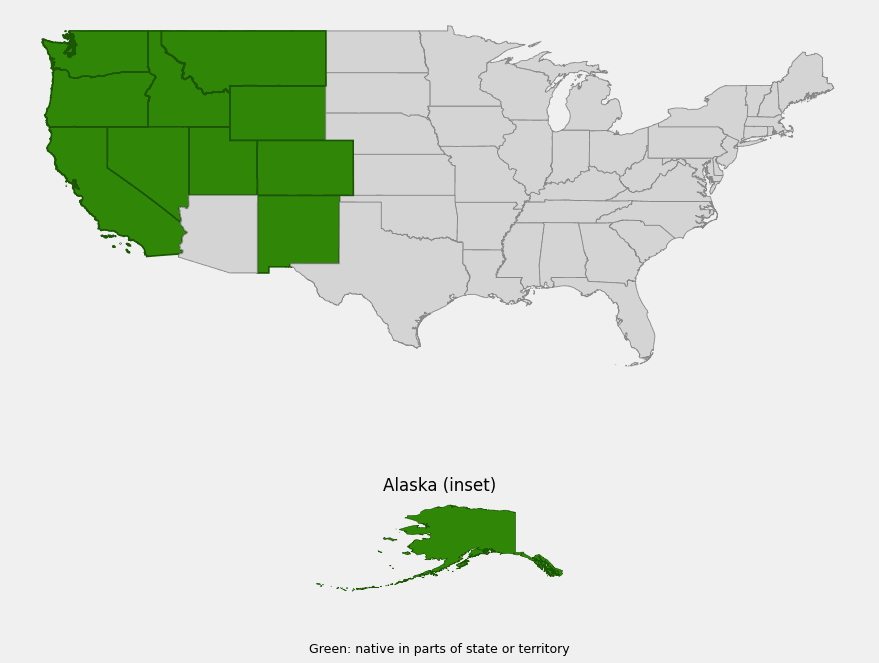
Subalpine fleabane, in the broad sense used by USDA PLANTS, grows throughout the mountains of western North America. USDA lists it as native in Alaska, California, Colorado, Idaho, Montana, Nevada, New Mexico, Oregon, Utah, Washington and Wyoming, and in Alberta and British Columbia. Lady Bird Johnson Wildflower Center describes the range as California, Utah and northern New Mexico, north in the Rockies and along the Canada border to Alaska and the Aleutian Islands.
In Alaska it grows from the southeast panhandle through the Kenai Peninsula and Anchorage area to the Aleutians. In Washington and Oregon it grows on both sides of the Cascades, in the Olympic Mountains, on high points in the Coast Range such as Saddle Mountain, and in the Blue and Wallowa mountains. In the Rockies it ranges from Alberta and Montana through Idaho, Wyoming, Utah and Colorado to northern New Mexico, and it grows in the Sierra Nevada of California and the higher ranges of Nevada.
Its habitat is moist subalpine and alpine meadows, streambanks, seeps, avalanche chutes, open forest and forest edges, usually from about 3,000 feet in the north to more than 11,000 feet in Colorado and California. It is most abundant in lush meadows that stay moist from snowmelt well into summer.
📋 Regional plant lists featuring Subalpine Fleabane: Idaho, Eastern Oregon & Eastern Washington · Montana & Wyoming · Utah & Western Colorado · Alaska · Western Oregon & Western Washington · California & Nevada
Growing & Care Guide
Subalpine fleabane is a beautiful choice for gardens in cool, mountain and northern climates. It needs steady moisture and cool summers, and it is less suited to hot, humid lowland gardens. Look for seed or plants from native nurseries in the Rocky Mountains, Pacific Northwest or Alaska.
Light
Full sun in cool climates; part shade, especially in the afternoon, where summers are warmer.
Soil & Water
Plant it in moist, well-drained, humus-rich loam. It likes the steady moisture of a mountain meadow: water regularly during dry spells, and do not let the soil dry out completely in summer. Avoid heavy, waterlogged clay.
Planting Tips
Plant in spring or early fall, 10 to 12 inches apart, in a meadow, rain garden edge, streamside planting or perennial border. Combine it with other mountain meadow plants such as lupines, paintbrushes, arnicas and valerian.
Pruning & Maintenance
Deadhead spent flowers to tidy the plant, or leave some to set seed for birds and self-sowing. Cut stems back in fall or early spring. Divide large clumps every few years in spring.
Propagation
Sow seed outdoors in fall or give it 30 to 60 days of cold, moist stratification before sowing in spring. Press the seed onto the surface, as it needs light to germinate. Clumps can also be divided in spring.
Landscape Uses
- Mountain and cold-climate gardens: a showy daisy for high-elevation and northern gardens
- Meadow plantings: mixes well with lupines, paintbrushes and grasses in moist meadows
- Rain garden and stream edges: for the moist upper zone of rain gardens and stream banks
- Pollinator gardens: a late-summer nectar source for bees and butterflies
- Cut flowers: the long-stemmed heads are attractive in small arrangements
Wildlife & Ecological Value
Subalpine fleabane is an important late-summer flower in mountain meadows, where the short growing season concentrates the activity of many insects.
For Pollinators
Its open, daisy-like heads are visited by bumble bees, solitary bees, butterflies and many flies, including hover flies, which are important pollinators at high elevations.
For Birds
Finches and other small seed-eating birds eat fleabane seeds in late summer and fall. Its meadows are also rich in insects that feed mountain bluebirds and other insect-eating birds.
For Mammals
Elk, deer, mountain goats, pikas and marmots graze subalpine meadow plants, including fleabanes.
Ecosystem Role
It is a characteristic plant of moist subalpine meadow communities, adding to their famous late-summer wildflower displays. Its rhizomes and clumps help hold soil on moist slopes and streambanks.
Cultural & Historical Uses
The genus name Erigeron comes from Greek words meaning “early old man,” probably for the white, fluffy seed heads that some species form soon after flowering. The species name peregrinus means “wandering” or “foreign,” the source of the name wandering daisy.
The name “fleabane” comes from an old belief that dried fleabane plants repelled fleas. There is little evidence that they do, but the name is still used for all Erigeron species.
Subalpine fleabane is one of the signature flowers of famous mountain wildflower meadows, such as those at Mount Rainier, Glacier National Park and the Colorado high country.
Frequently Asked Questions
What is the difference between a fleabane and an aster?
Fleabanes usually have many more, narrower rays and bloom earlier, with bracts of nearly equal length. Asters have fewer, broader rays and overlapping bracts of unequal length.
Is subalpine fleabane the same as Erigeron glacialis?
It depends on the reference. USDA PLANTS treats them as one species, Erigeron peregrinus. Flora of North America and some other floras call most inland mountain plants E. glacialis and keep E. peregrinus for coastal and Alaskan plants.
When does subalpine fleabane bloom?
From July to September, soon after the snow melts in its mountain meadows.
Can I grow subalpine fleabane at low elevations?
It grows best in cool climates. In warm lowland gardens it needs afternoon shade and steady moisture and may be short-lived.
Does subalpine fleabane attract pollinators?
Yes. Bees, butterflies and hover flies visit its flowers in late summer.

Looking for a nursery that carries Subalpine Fleabane?
Browse our native plant nursery directory: Alaska · California · Colorado · Idaho · Montana · Nevada & New Mexico · Oregon · Utah · Washington · Wyoming

