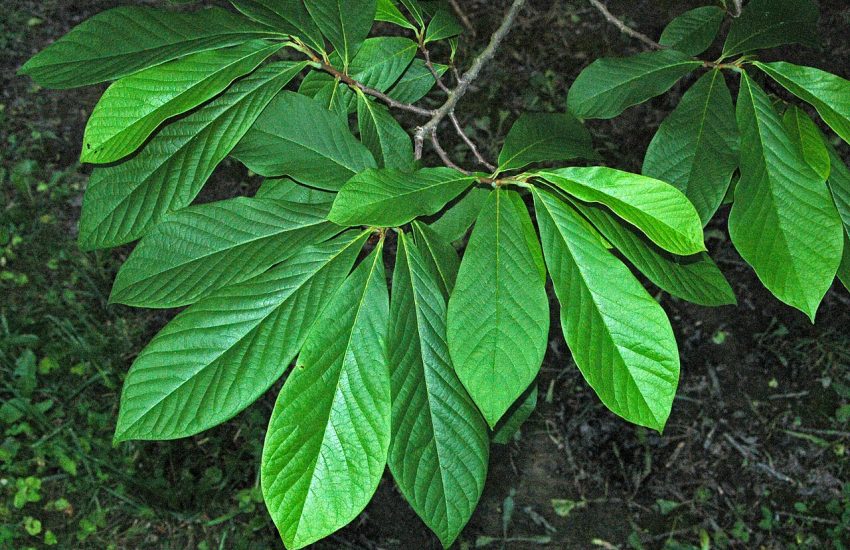
Pawpaw Flowers but No Fruit: A Pollination Checklist for Backyard Growers
Last updated: November 5, 2026
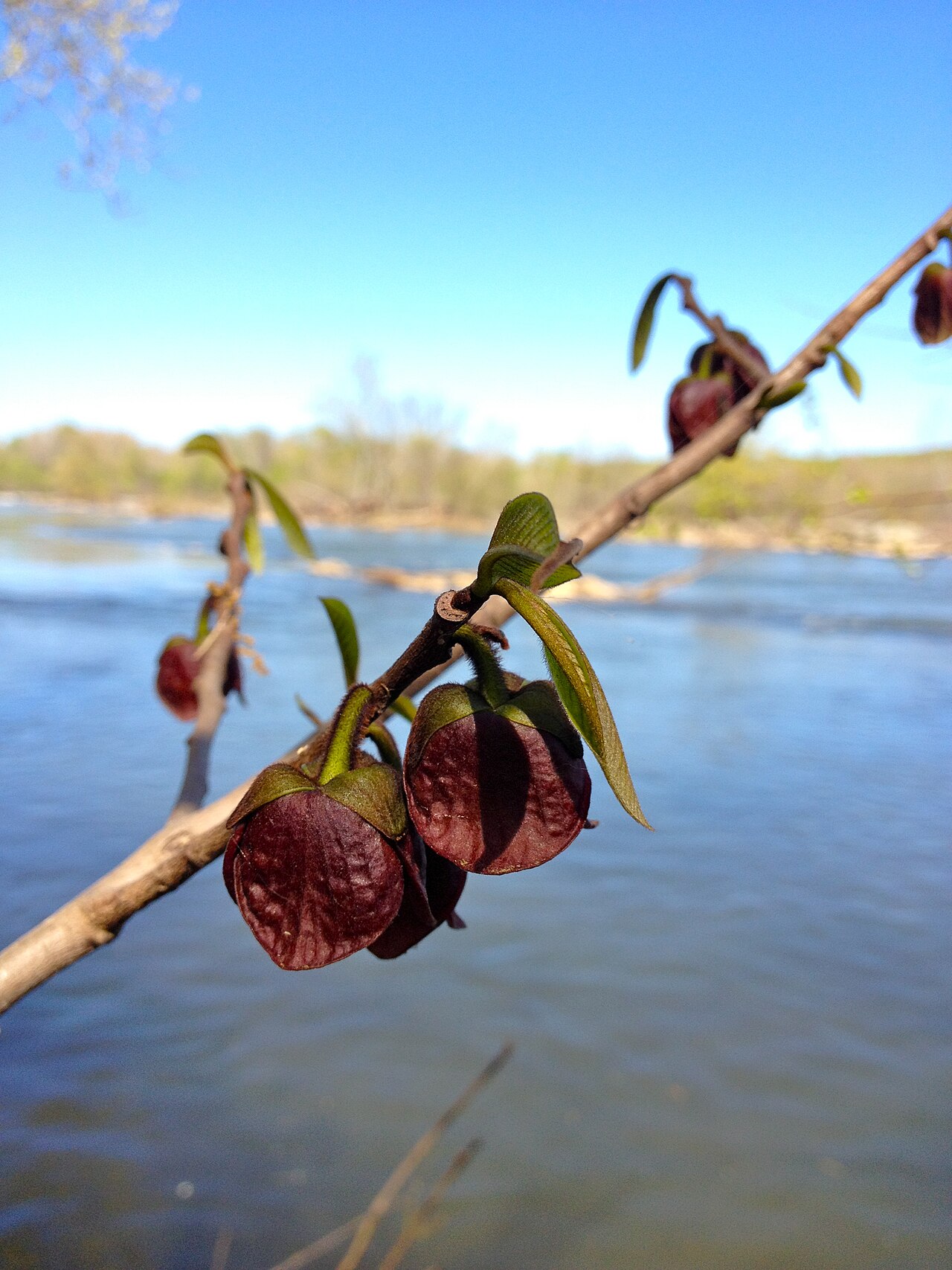
Your pawpaw covered itself in maroon flowers this spring. By midsummer, not a single fruit was hanging from the branches.
This is one of the most common complaints from backyard pawpaw growers, and it rarely means the tree is sick. In most cases the flowers were never pollinated, or they were pollinated with the wrong pollen.
Work through the checklist below before you buy fertilizer or reach for the pruners. Most of the checks can be done with a notebook and a few minutes at the tree during bloom.
The Short Answer
Pawpaw (Asimina triloba) is self-incompatible. A flower needs pollen from a genetically different pawpaw to set fruit. Flowers with no fruit usually trace back to one of these causes:
- Only one genetic individual in the yard, even if you see several trunks.
- Two trees of the same grafted cultivar, which count as one plant for pollination.
- Few effective pollinators. Pawpaw relies on beetles and flies, not bees.
- Flowers lost before pollination to a late frost or the pawpaw peduncle borer.
- Heavy shade or a young tree that flowers lightly and holds little fruit.
How Pawpaw Pollination Works
Pawpaw flowers open in early spring on the previous year’s branches, before or just as the leaves unfold. In Kentucky, Kentucky State University notes that they usually bloom around the same time as eastern redbud.
Each flower has both female and male parts, but they don’t work at the same time. The flowers are protogynous: the stigma ripens first, and it is no longer receptive by the time the same flower sheds pollen.
On top of that, pawpaw trees are self-incompatible. Pollen from the same tree, or from a clone of it, usually won’t fertilize its flowers. So a fruit needs an insect to carry fresh pollen from a male-stage flower on one genetic individual to a female-stage flower on another.
The Pawpaw Fruiting Year
| Fall – winter | Round, fuzzy flower buds are visible on the young twigs and sit dormant until spring. |
| Early – mid spring | Flowers open over several weeks, each one passing from a female stage to a male stage. |
| Late spring | Pollinated flowers swell into small green fruit clusters. Unpollinated flowers wither and fall. |
| Summer | Fruit enlarges. Steady soil moisture matters most now. |
| Late summer – fall | Fruit ripens, softens, and drops, usually August through October depending on location and cultivar. |
Every check below targets one link in that chain: flowers, a compatible partner, a pollinator, and conditions that let the young fruit hang on.
Check 1: Confirm Which Buds Are Flower Buds
Start by making sure you know what flowering looks like on your tree. Pawpaw has two kinds of winter buds. Leaf buds are slim, pointed, and pressed close to the twig. Flower buds are round, brown, and fuzzy.
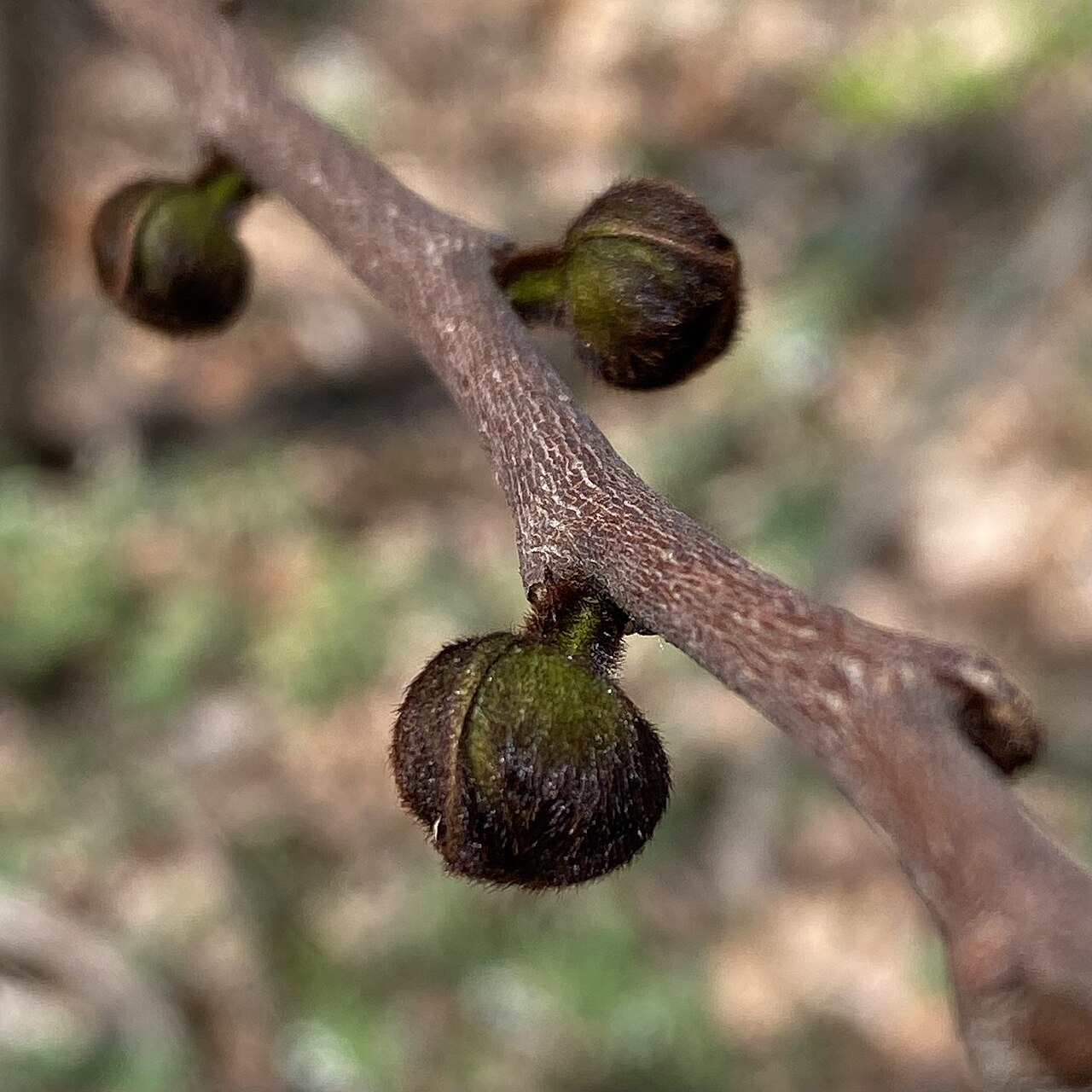
Count the round buds in fall or winter. A tree with dozens of them is mature enough to fruit, and your problem lies in pollination. A tree with only a handful may simply be too young or too shaded to carry a crop yet.
Because flowers form on last year’s wood, hard winter pruning removes them. Keep winter cuts to dead, crossing, or low limbs. See our guide to pruning techniques for fruit trees for clean-cut basics.
Check 2: Count Genetically Different Trees
This is the most important check. Extension guides from Kentucky State University, Purdue, Clemson, and NC State all say the same thing: you need at least two genetically different pawpaws for fruit.
“Genetically different” is stricter than it sounds:
- Two seedlings grown from different seeds are genetically different. They work as partners.
- Two different named cultivars, such as two grafted trees with different names on the tags, work as partners.
- Two trees of the same cultivar are clones of each other. Kentucky State University states plainly that they will not cross-pollinate.
Dig out the nursery tags or receipts. If both trees carry the same cultivar name, you effectively have one tree. Adding a seedling or a different cultivar is the fix.
One cultivar, ‘Sunflower’, has been reported to be self-compatible. Kentucky State University notes that this has not been verified scientifically, so don’t count on it as a solo tree.
Check 3: Make Sure Your “Second Tree” Isn’t a Sucker
Pawpaw spreads by root suckers, forming patches of stems that look like separate trees. Underground, many of those stems are the same plant.
The National Park Service points out that trees in a wild pawpaw patch are often genetically identical and connected by roots. Fruitless pawpaw patches have been documented in Ohio for exactly this reason.
In a backyard, the “second tree” that came up three feet from the first one is very likely a sucker. The same applies to a cluster you dug from a single wild patch. It won’t pollinate its parent.
If you’re unsure where a stem came from, assume it’s a clone. Plant a new tree from a different source, ideally within easy insect flight of the first.
Check 4: Watch the Flower Stages
Even with two compatible trees, their bloom periods have to overlap. Alabama Extension recommends planting cultivars with overlapping bloom periods for this reason.
Visit both trees every few days during bloom and look into the flowers. You’ll see two stages:
- Female stage: the stigma tips at the center are green and glossy, and the surrounding ball of anthers is still hard and green.
- Male stage: the anther ball has turned brown, loose, and crumbly, and yellow pollen dusts your fingertip.
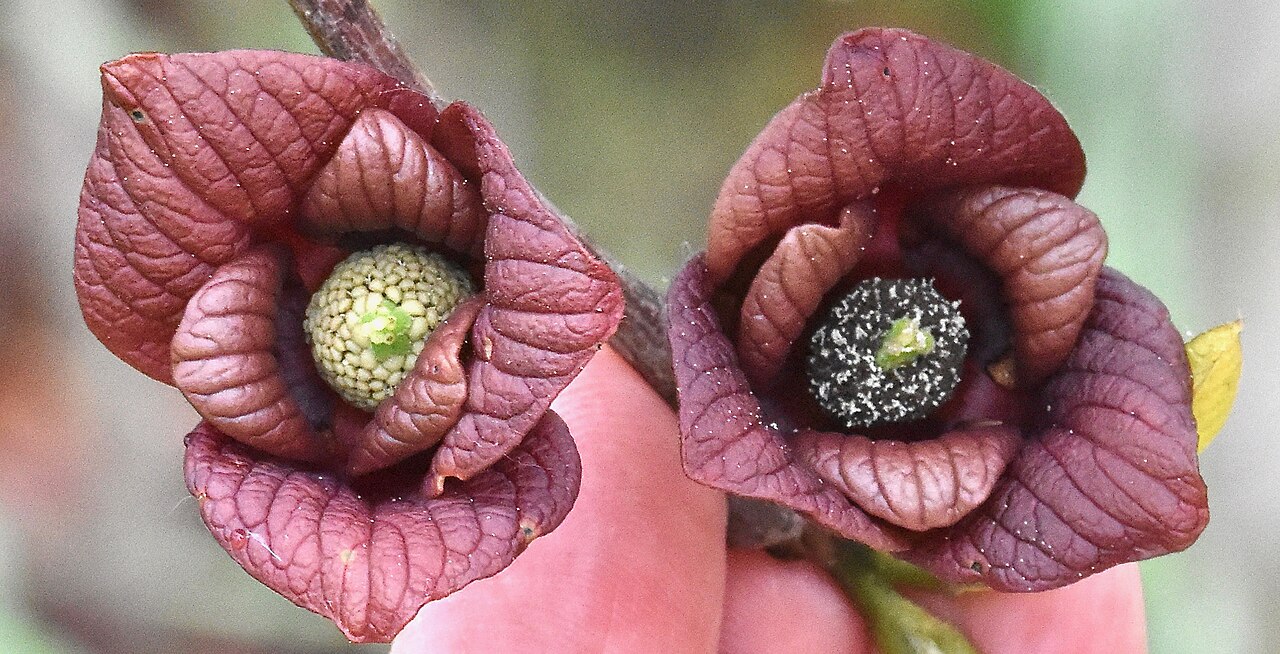
Note when each tree starts and finishes. If one tree is done shedding pollen before the other has any receptive flowers, the timing gap may be your problem. A third, genetically different tree widens the window.
Check 5: Look for the Right Pollinators
Pawpaw flowers don’t draw honey bees the way apple blossoms do. Their dark maroon color and faint, yeasty or fetid smell attract flies and beetles instead.
Clemson Extension describes the likely pollinators as night-flying nitidulid (sap) beetles and day-foraging bottle flies. Alabama Extension adds lady beetles and march flies. Both Clemson and Kentucky State University note that these pollinators are unreliable, and fruit set is usually low in the wild.
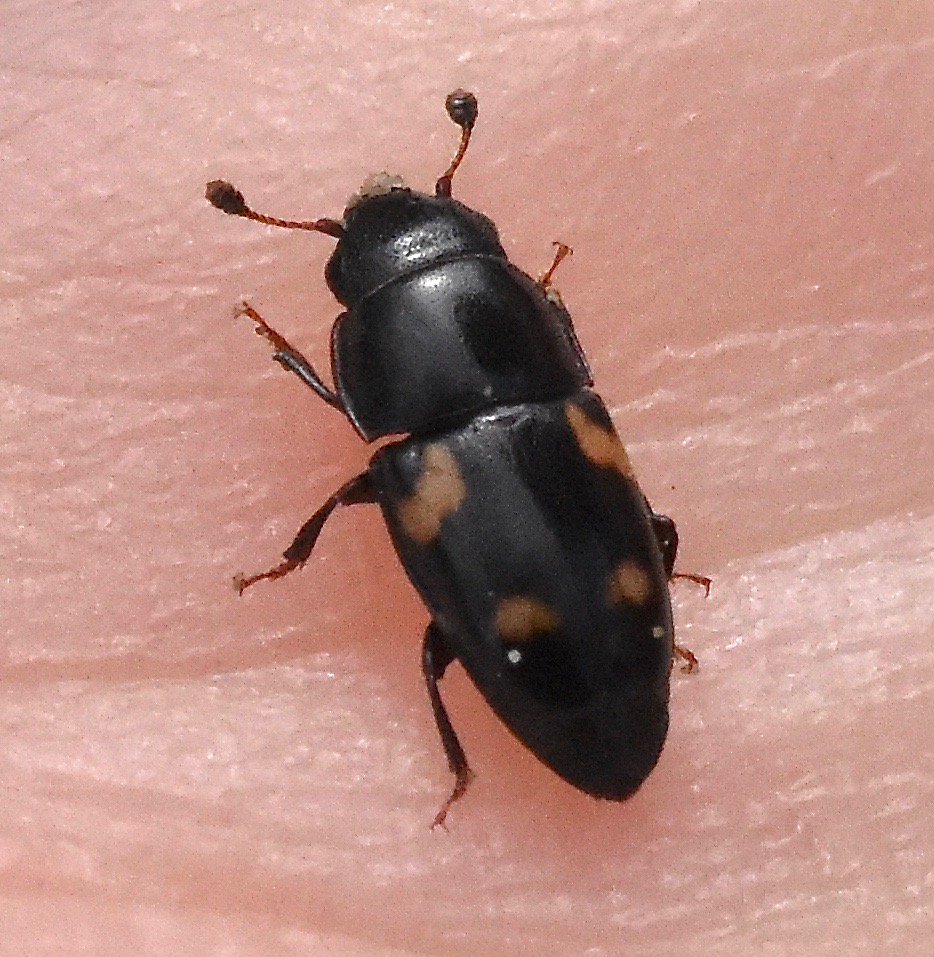
A 2021 citizen-science project in southern Michigan found two tiny sap beetle species most consistently inside the flowers. Their larvae develop in decaying organic matter on the ground, including fallen leaves and rotting fruit.
That has a practical lesson for tidy gardeners. Raking every leaf from under the tree and bagging all dropped fruit may remove the nursery for next year’s pollinators. Leave a layer of leaves in place, or use shredded leaves as mulch. Our guide to leaf mold benefits explains how to put fallen leaves to work.
Avoid insecticide sprays on or around the trees during bloom. If you need to manage pests elsewhere in the yard, start with the options in our guide to pest control without chemicals.
Some growers hang strong-smelling bait, such as meat scraps, or spray fish emulsion near the flowers to attract flies. Alabama Extension and other sources mention the practice, but there is little research on how well it works. Hand pollination, covered below, is the more dependable fix.
Check 6: Rule Out Frost and Flower Borers
Sometimes the flowers were never available to pollinate. Two problems take them out early.
Late spring frost. Pawpaw blooms early, and Alabama Extension advises avoiding low frost pockets that can kill flowers. If a hard freeze hit during bloom and the open flowers browned and dropped soon after, frost is the likely cause.
Pawpaw peduncle borer. This small moth larva (Talponia plummeriana) tunnels into the flower and its stalk, causing the flower to wither and drop. Kentucky State University calls it the worst pawpaw pest and notes that in some years it destroys most of the blossoms.
Pick up a few fallen flowers and split the stalks with a fingernail. A tiny larva inside points to the borer. None of our extension sources offers a routine home-garden treatment, so treat a borer year as bad luck rather than a reason to spray during bloom.
Check 7: Consider Light and Tree Age
Pawpaw grows naturally as an understory tree, and it will flower in shade. Fruit is another matter. Kentucky State University notes that production is greatest on mature trees in full sun, while heavily shaded trees produce very few fruits.
Age matters too. From seed, pawpaws typically begin flowering and fruiting in four to eight years, according to Kentucky State University. Grafted trees can begin flowering two to three years after planting.
The first flowers on a young tree are often a test run. A light crop or none at all in the first flowering year is common, even with a good partner nearby.
Troubleshooting at a Glance
| One tree, or several stems from one root system | No compatible pollen. Plant a seedling or a different cultivar. |
| Two trees with the same cultivar name | They’re clones. Add a genetically different tree. |
| Two different trees, bloom times barely overlap | Add a third, different tree, and hand pollinate whenever the stages do overlap. |
| Plenty of flowers, few insects inside them | Pollinator shortage. Hand pollinate, keep leaf litter, skip sprays. |
| Flowers blackened after a cold night | Frost damage. Nothing to treat. Next time, avoid low frost pockets when planting. |
| Flowers wither and drop, larvae in the stalks | Pawpaw peduncle borer. Usually a bad-year problem. |
| Few flowers, tall leaning stems | Too much shade or a young tree. Improve light or wait. |
What to Do Next Spring: Hand Pollination
If you have two genetically different trees and still get little fruit, hand pollination is the most reliable fix. Kentucky State University and Purdue both describe it as extra labor that can be well worth the effort.
All you need is a small, soft artist’s brush. A small cup or bowl helps if you want to collect pollen from several flowers at once.
- Find male-stage flowers on Tree A. Look for brown, loose anther balls that shed yellow dust when touched.
- Collect the pollen. Tap the flower over a cup, or roll the brush tip across the anthers until it looks dusted yellow.
- Find female-stage flowers on Tree B. The stigma tips should be green and glossy, with the anther ball still hard and green.
- Brush the pollen onto the stigmas. Dab gently across the glossy center.
- Repeat in the other direction, using Tree B’s pollen on Tree A’s female-stage flowers.
- Repeat every few days through the bloom period, since flowers open over several weeks.
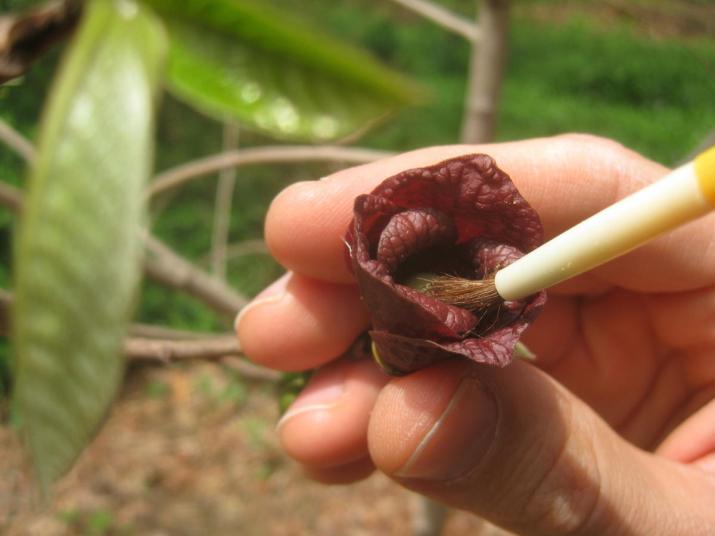
Don’t overdo it. Purdue warns that hand pollination can lead to excessive fruit set. Too much fruit stresses the tree, produces smaller fruit, and can break limbs. Pollinate a portion of the flowers rather than every one you can reach.
Tag the branches you pollinated with a twist tie. Checking those branches in a few weeks tells you whether the method worked.
A Season-by-Season Plan
- Fall – winter: count round flower buds. Prune only dead, crossing, or low limbs. Confirm you have two genetically different trees, and order a partner tree if you don’t.
- Early spring: plant any new partner tree. Pawpaws transplant best from containers in spring.
- Bloom: check flowers every few days, note when each tree is in female and male stages, and hand pollinate. Skip insecticide sprays.
- Late spring: look for small green fruit clusters forming at pollinated flowers. Split a few fallen flowers to check for borers.
- Summer: water during dry spells. Alabama Extension notes that pawpaws are not drought tolerant and need adequate moisture while fruit develops.
- Late summer – fall: harvest, then leave some leaves and a few spent fruits under the trees for the beetles that help next year’s flowers.
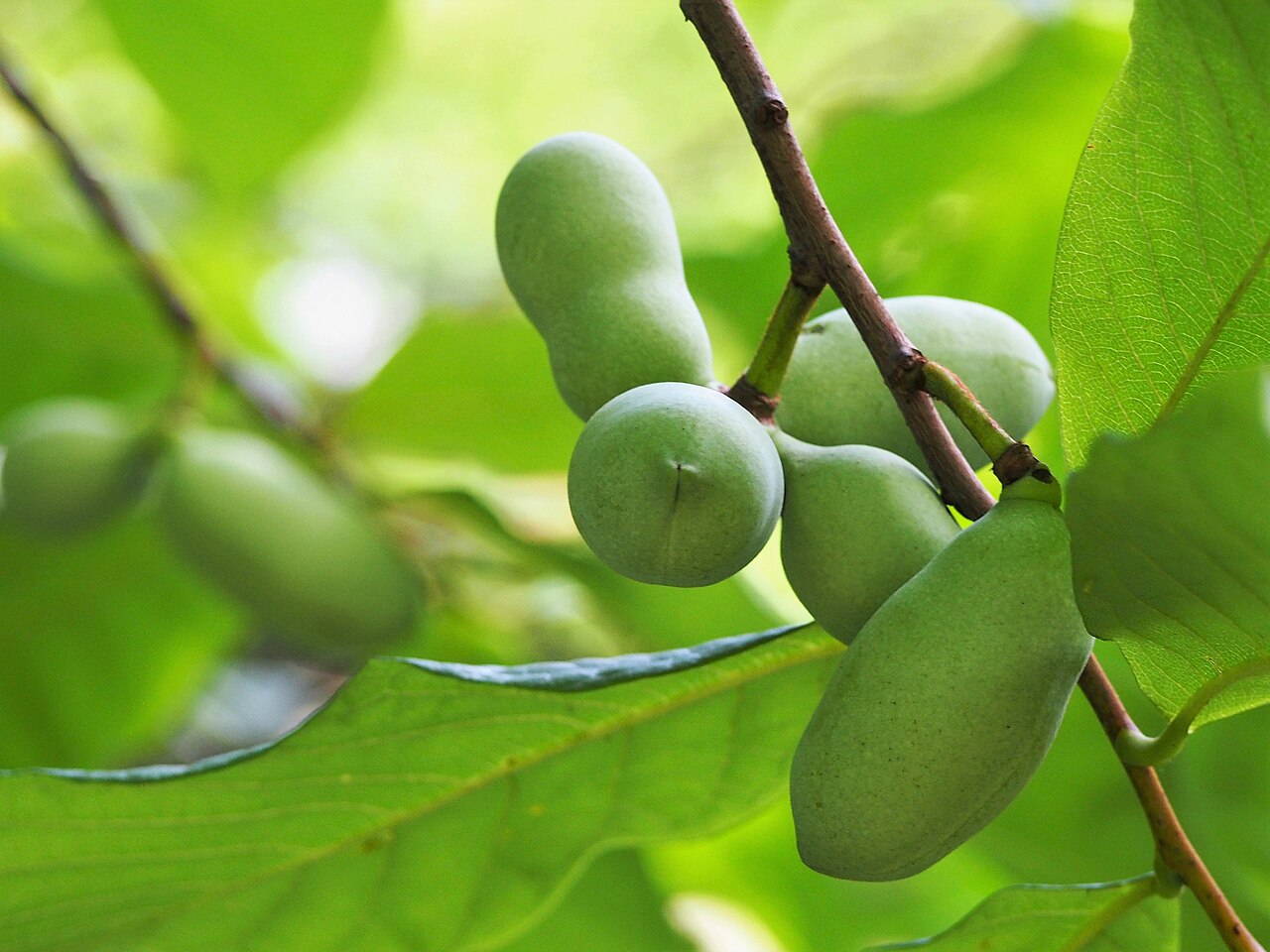
📋 More on this plant: read the full Paw Paw (Asimina triloba) profile, or see it in our native plant lists for Georgia, Alabama & Mississippi, Delaware, Southern New Jersey & Long Island, Illinois, Iowa & Missouri, Ohio & Indiana, Maryland, Virginia & West Virginia, and North Carolina & South Carolina.
Frequently Asked Questions
Do you need two pawpaw trees to get fruit?
Yes, in practice. Pawpaws are self-incompatible, so you need at least two genetically different trees, either two seedlings or two different cultivars. Two trees of the same grafted cultivar won’t pollinate each other.
Why does my pawpaw patch flower heavily but never fruit?
A patch that spread from root suckers is often a single genetic plant. Every stem carries the same genes, so the flowers can’t pollinate one another. Bring in a tree from a different seed source.
How far apart can two pawpaws be and still pollinate?
There’s no well-established maximum distance for home plantings. Closer is safer: Kentucky State University calls the natural pollinators neither efficient nor dependable, and the small beetles involved are not strong fliers. Kentucky State University recommends about 8 feet between trees when planting.
Will fertilizer help my pawpaw set fruit?
Not if pollination is the problem. Fertilizer won’t substitute for a compatible partner or for pollinators. Fix the pollination gap first, and base any feeding on a soil test.
Is it normal for pawpaw flowers to drop?
Yes, to a point. Clemson Extension notes that fruit set is usually low in the wild, so plenty of flowers fall unpollinated. Concern is warranted when nearly every flower drops year after year, which points back to the checks above.
Sources
- Kentucky State University, Pawpaw Planting Guide: protogyny, self-incompatibility, hand pollination, overcropping, peduncle borer, tree spacing.
- Kentucky State University, Pawpaw FAQ: same-cultivar trees, ‘Sunflower’, sun vs. shade fruiting, years to first fruit.
- Purdue Extension, HO-220: Growing Pawpaws: pollination limits and hand pollination.
- Clemson Cooperative Extension HGIC, Pawpaw: flowers on previous year’s wood, likely pollinators, low natural fruit set.
- Alabama Cooperative Extension System, Pawpaw Production Guide: pollinator groups, overlapping bloom, frost pockets, water needs.
- National Park Service, Pawpaw: Small Tree, Big Impact: genetically identical stems in pawpaw patches.
- Wikipedia, Asimina triloba: flower and leaf buds, fruitless clonal patches, 2021 Michigan sap beetle observations.
- North Carolina Extension Gardener Plant Toolbox, Asimina triloba.