Black Chokeberry Not Fruiting: Light, Flowering, and Pollination Checks
Last updated: November 5, 2026
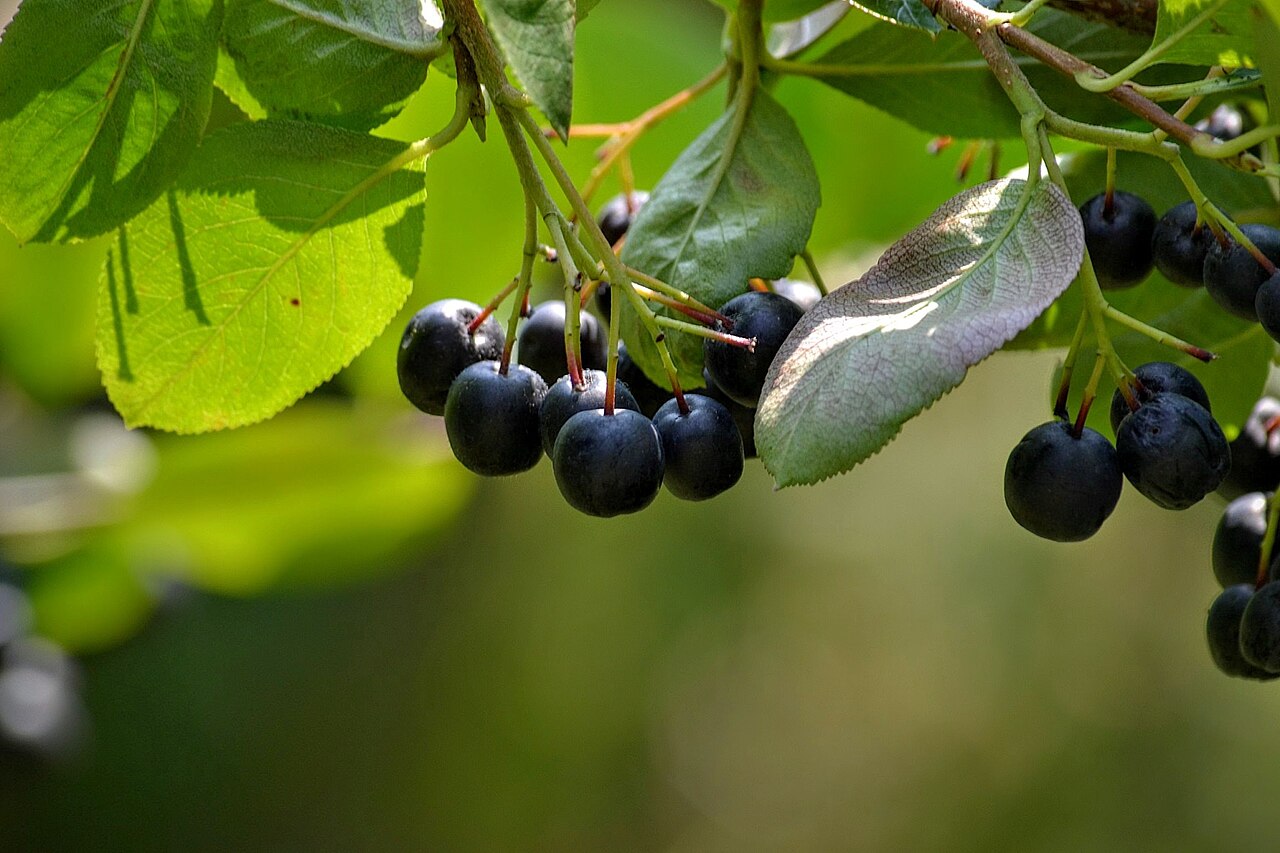
You planted black chokeberry for its dark fruit, whether for the birds or for juice and jam. Now it’s late summer and the shrub is green, healthy, and bare of berries.
Black chokeberry is usually an easy shrub to get fruit from. Extension specialists describe it as self-fruitful and relatively free of serious pests. When it doesn’t fruit, the reason is usually something about where it grows or how it’s been cut.
This guide works through the checks in order: did it flower, is there enough light, has pruning removed the flower buds, and did pollination and fruit set actually fail, or did the fruit simply disappear?
The Short Answer
Black chokeberry (Aronia melanocarpa) sets next year’s flower buds while this year’s crop ripens. Missing fruit usually comes down to one of these:
- Too much shade. It grows in part shade but flowers and fruits best in full sun.
- Cuts that removed flower buds, such as shearing the tips, a hard cutback, or string-trimmer damage to the canes.
- A young plant that hasn’t reached its second season in the ground.
- Old, unproductive canes that have not been thinned out in years.
- Drought or a hard frost around bloom time.
- Fruit that ripened and vanished, either eaten by wildlife or shriveled and dropped.
How Black Chokeberry Makes Fruit
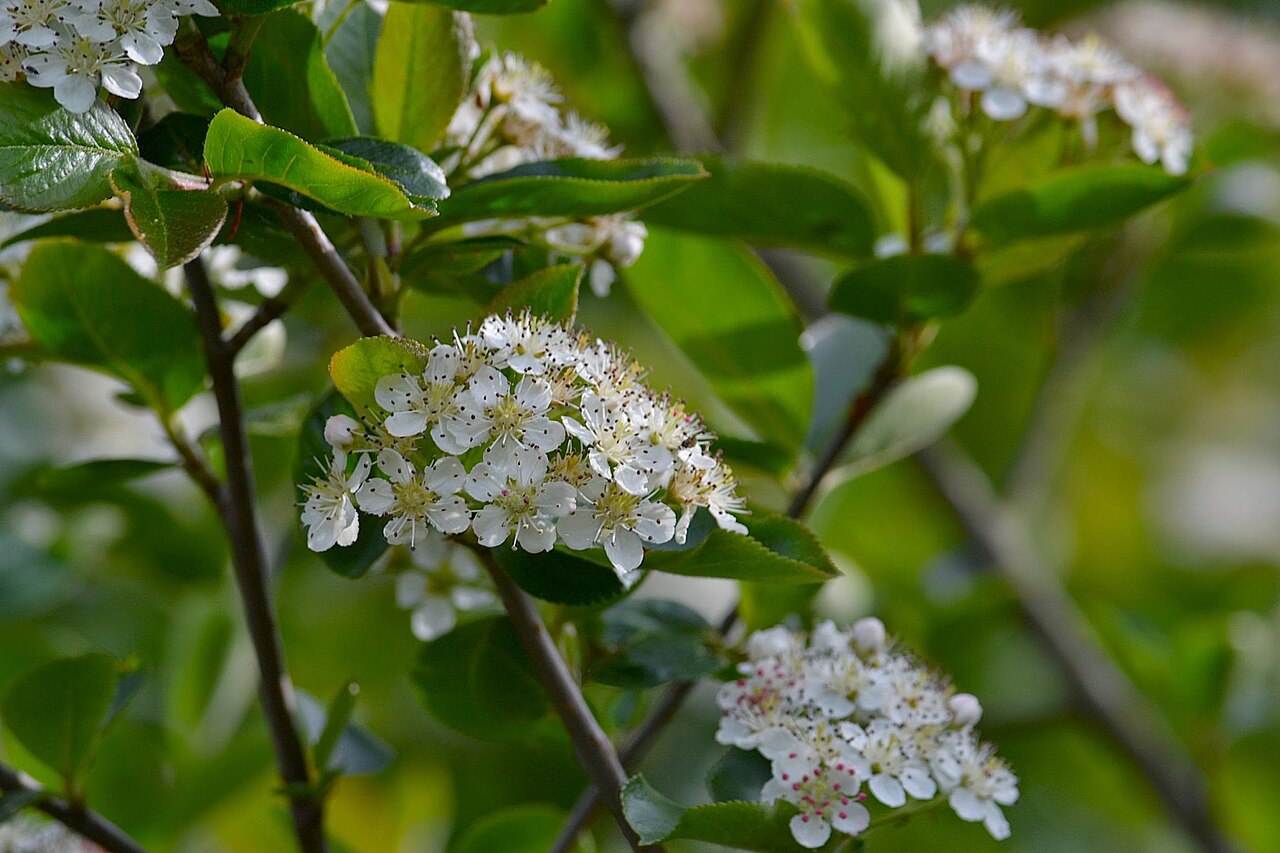
Black chokeberry blooms in late spring, around May in much of its range. Small white flowers open in flat clusters at the tips of short shoots.
The buds for those flowers were formed the summer before. Iowa State University Extension points out that aronia develops next season’s fruit buds while it is still maturing the current crop, so a gardener is always managing two crops at once.
After bloom, each pollinated flower develops into a small pome, the same type of fruit as an apple. The fruit turns from green through red to purple-black in late summer.
The Black Chokeberry Year
| Late winter | Dormant canes carry the flower buds formed last summer. Thin whole old canes now, but don’t shear the tips. |
| Spring | Leaves emerge and flower-bud clusters swell at the shoot tips. |
| Late spring | Flat clusters of white flowers open. Small bees do most of the pollinating. |
| Summer | Fruit swells and colors. At the same time, next year’s flower buds form. |
| Late summer – fall | Fruit ripens to purple-black, then is eaten, shrivels on the stem, or drops. |
That calendar explains most problems. Anything that removes the shoot tips between late summer and spring removes next year’s flowers before you ever see them.
Check 1: Did It Flower This Spring?
This is the question that splits the problem in two. If you didn’t watch it in May, look for clues now.
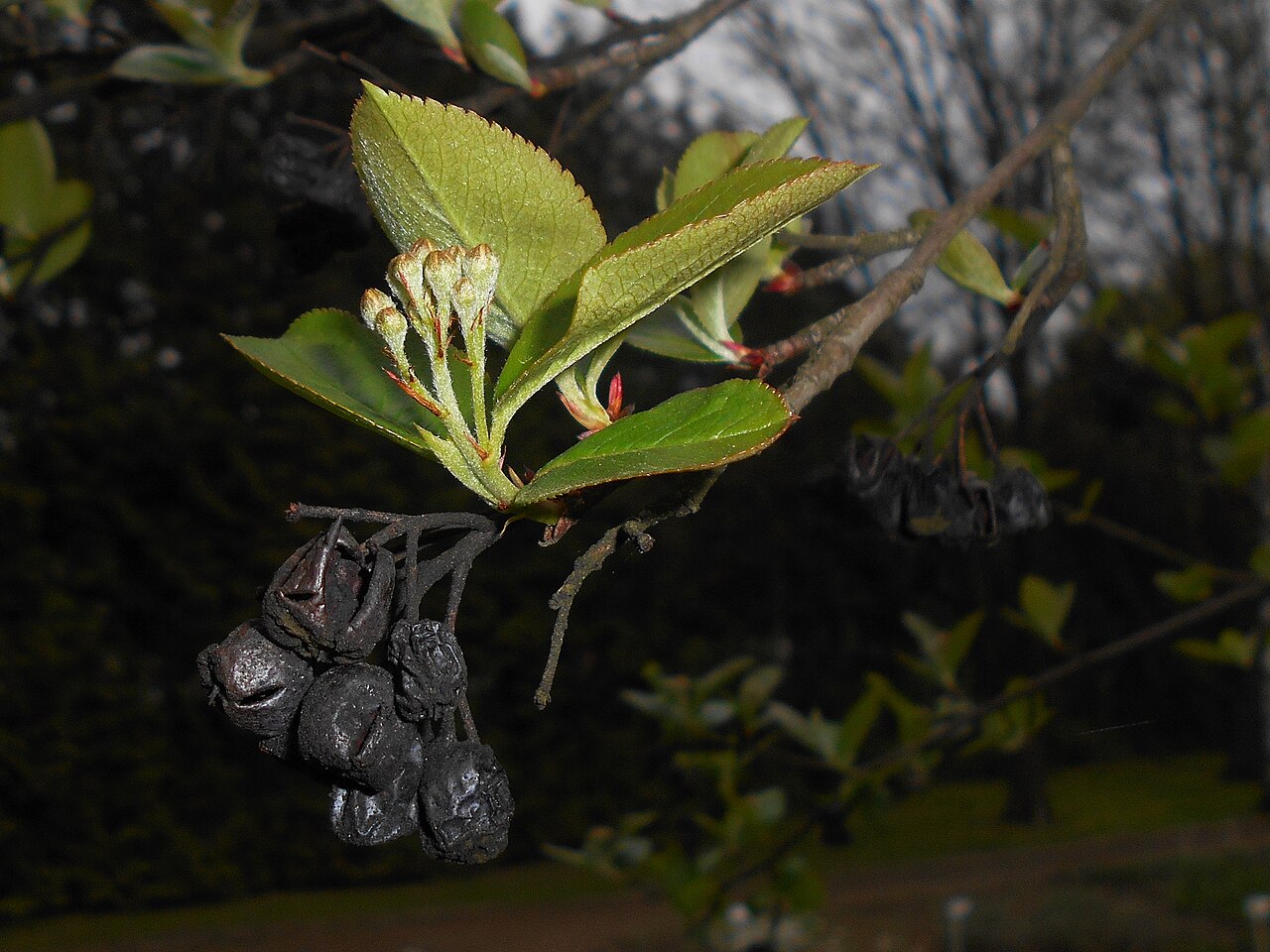
Spent flower clusters leave a branched cluster of thin stalks at the shoot tips. Tiny green fruit that dropped early also counts as flowering.
- No flowers at all: the cause is light, pruning, age, or cane age. Go to Checks 2 through 4.
- Flowered, but no fruit formed: the cause is pollination, weather, or water. Go to Checks 5 and 6.
- Fruit formed, then disappeared: go to Check 7.
If you’re not sure, mark your calendar for next May and look closely. A single season of watching tells you more than any guess.
Check 2: Measure the Light
Black chokeberry tolerates part shade, which is why it gets planted under trees and on the north side of houses. Surviving there is different from fruiting well, though.
Mark Brand of the University of Connecticut, who studies aronia, notes that chokeberries grow in partial shade or full sun but flower, fruit, and color up better in full sun. Iowa State recommends full sun for the best crop and even ripening.
The Morton Arboretum lists black chokeberry for full sun (six or more hours of direct light daily) to partial sun (four to six hours). Count the hours in midsummer, when nearby trees are fully leafed out.
Shade problems often creep up slowly. A shrub that fruited well when it was planted can taper off as a neighboring maple or oak spreads overhead.
Shade also tends to bring powdery mildew. The USDA plant guide for black chokeberry notes mildew can become a problem when plants lack sun and air circulation.
Check 3: Review Recent Pruning and Mowing
Because the flower buds sit at the tips of last year’s growth, any cut that takes off the ends of the shoots takes off the flowers too.
The usual culprits:
- Shearing into a hedge or ball shape in late summer, fall, or winter.
- Cutting the whole shrub to the ground to renew it. Iowa State notes no fruit will be produced for at least two years after this.
- String trimmers and mowers working too close. Iowa State warns that damaging the canes this way can cost you fruit and invite disease.
The University of Minnesota Extension groups chokeberry with shrubs that bloom early on last year’s growth and recommends pruning right after bloom. Iowa State’s approach for fruit growers is to make cuts in late winter at the base of the plant. Both approaches remove whole canes, not the tips of every branch.
If you need a refresher on making clean thinning cuts, see our guide on how to prune trees and shrubs.
Check 4: Consider Plant Age and Cane Age
A newly planted shrub spends its first season building roots. Iowa State says aronia should flower and begin producing by the second year under ideal conditions. A first-year plant without fruit is normal.
Old shrubs can have the opposite problem. Individual canes are most productive at about three years old and become less productive as they age.
A clump that hasn’t been thinned in a decade can be full of thick, woody canes that flower only at the top. Iowa State recommends removing canes about five years old at the base each late winter, which keeps a steady supply of young, productive wood.
For transplant care in the first couple of seasons, our guide to caring for native shrubs covers planting depth, mulching, and early watering.
Check 5: Look at Pollination and Bloom Weather
If the shrub flowered but no fruit followed, pollination is the natural suspect. Here, black chokeberry is more forgiving than many fruiting shrubs.
Iowa State describes aronia as self-fruitful. It doesn’t need a second variety for fruit set. Brand’s research also found that many black chokeberries, especially the tetraploid forms common outside New England, can produce seed apomictically, without fertilization.
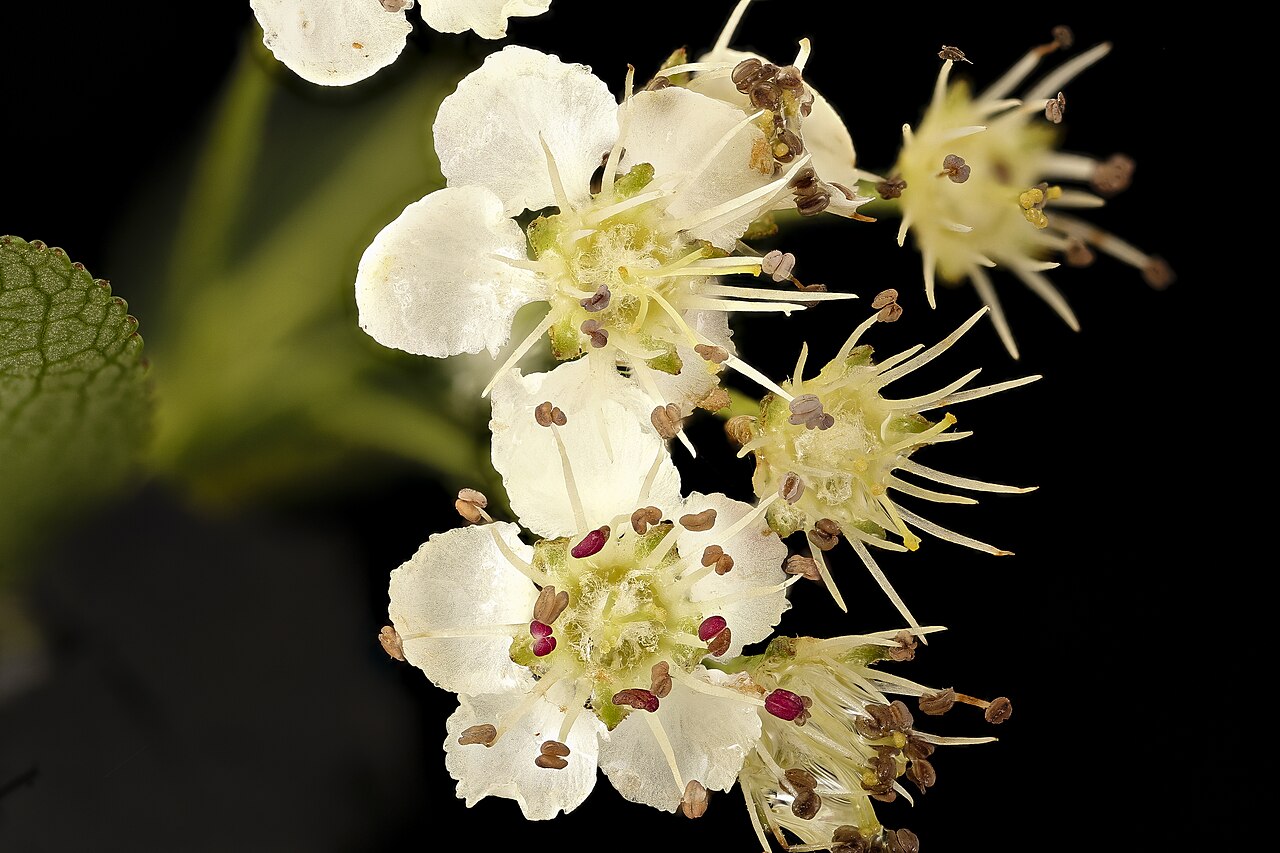
Even so, bees matter. The USDA plant guide names small bees as the primary pollinators. A cold, rainy week during bloom keeps them grounded, and insecticide sprays during bloom, including mosquito fogging, can reduce them further.
Bloom-time frost is the other weather risk. As with most flowering shrubs, a hard frost on open flowers can kill them, leaving a shrub that bloomed but set little fruit. That’s a one-year problem. Next year’s buds are formed later in the summer.
If bee activity is thin in your yard overall, our pollinator garden design basics explain how to build a bloom sequence that keeps native bees around from spring onward.
Check 6: Rule Out Drought During Fruit Set
Black chokeberry is often sold as tough and adaptable, and it is. But the USDA plant guide says the best growth and fruit come on low, moist but well-drained sites in full sun, and it describes the species as not drought-tolerant.
As with most fruiting shrubs, a plant short of water while its fruit is sizing up may shed fruit or carry a light crop. Young plants and sandy sites are most at risk. Iowa State advises watering during the first year or two of establishment and then during very dry periods.
Water slowly and deeply rather than with a quick sprinkle. Our watering guide for shrubs and trees explains how to soak the root zone, and a few inches of mulch helps hold that moisture. See mulching techniques for native gardens for how to apply it without piling it against the stems.
Fertilizer is rarely the fix. Iowa State notes aronia does not require overly fertile soil.
Check 7: Did the Fruit Form and Then Disappear?
Sometimes there was a crop, and you missed it. Two things make that easy to do with black chokeberry.
First, the fruit doesn’t hang around like red chokeberry’s. Brand contrasts the two: red chokeberry fruit persists into winter, while black chokeberry fruit ripens earlier, around late July through August in his comparison, and tends to shrivel and drop. The USDA guide likewise notes the fruit begins to drop shortly after ripening.
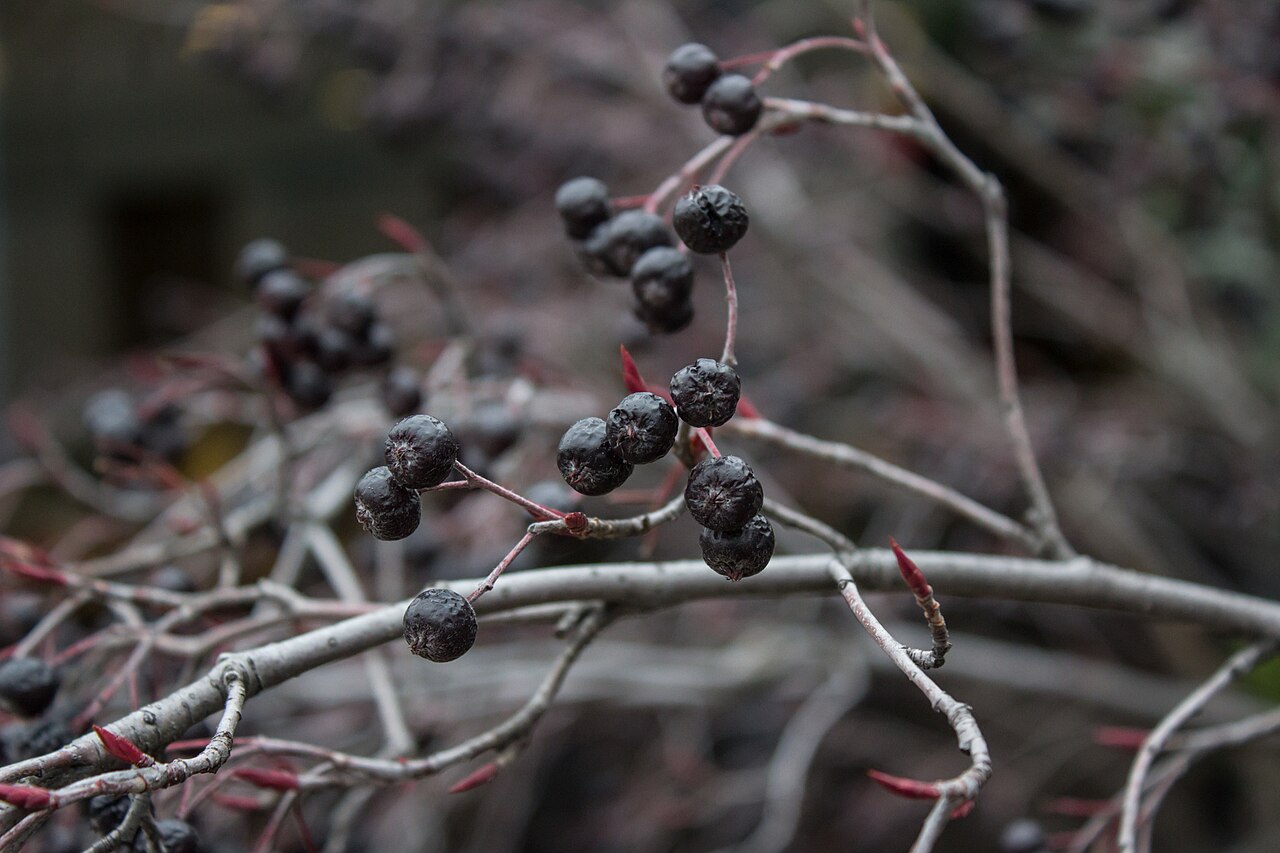
Second, plenty of animals want it. Birds eat the fruit, and the Morton Arboretum notes they often take it in mid to late winter. Iowa State lists deer, birds, rabbits, and small rodents as problems, and the USDA guide notes that deer and rabbits browse the plants.
Look for empty fruit stalks at the shoot tips, dark-stained droppings nearby, and stems browsed to ragged stubs. If birds are taking the crop, the shrub is doing its job. Our guide to attracting songbirds with native plants shows how it fits into a bird-friendly yard.
If you want the fruit for yourself, Iowa State recommends a fence or barrier to protect young plants from browsing, and netting is the usual answer for birds.
Check 8: Confirm What You’re Growing
Not every plant sold as “aronia” is the same. Iowa State notes that some fruiting cultivars such as ‘Nero’, ‘Viking’, and ‘Galicjanka’ are actually hybrids with mountain ash, bred for large berries.
Ornamental selections such as ‘Autumn Magic’ and Iroquois Beauty (‘Morton’) produce small fruit and are grown mainly for their looks. A compact landscape selection may simply have a lighter, less noticeable crop.
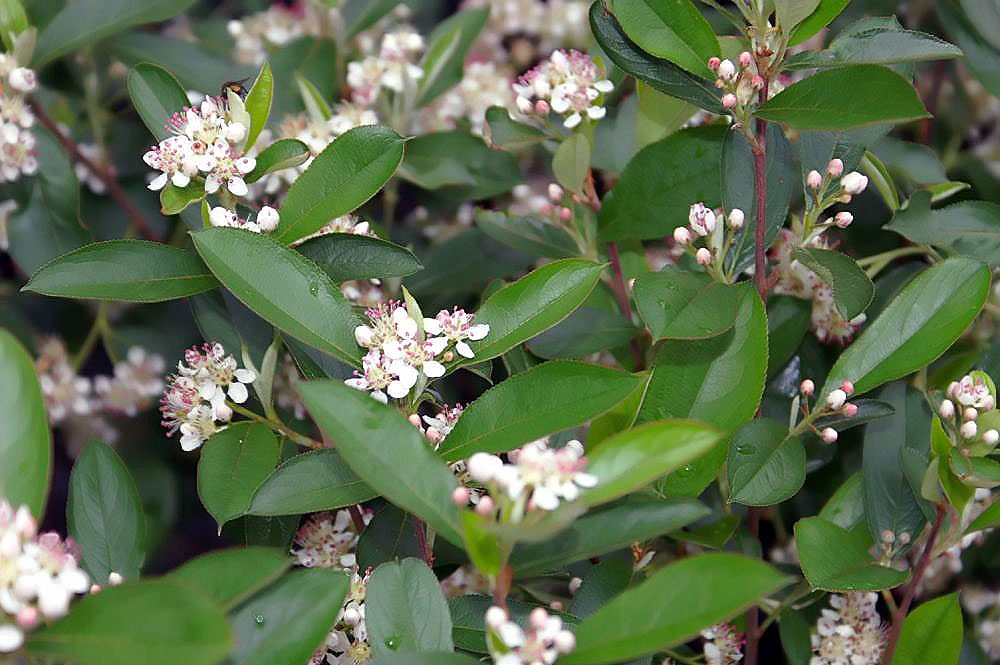
Also check the name. Chokeberry is often confused with chokecherry (Prunus virginiana), a different plant. And if your shrub has red fruit that hangs on into winter, you may be growing red chokeberry instead, which has a different fruiting rhythm.
Troubleshooting at a Glance
| No flowers, plant under trees | Too little light. Limb up trees or move the shrub while dormant. |
| No flowers, sheared last fall or winter | Flower buds were cut off. Thin whole canes instead of trimming tips. |
| Cut to the ground in the last two years | Expected. Fruit returns as new canes mature. |
| First season after planting | Normal establishment. Water in dry spells and wait. |
| Thick old canes, flowers only up top | Aging wood. Remove the oldest canes at the base each late winter. |
| Flowered, then little fruit | Bloom frost, cold rainy bloom, sprays, or drought. Check the season’s weather. |
| Fruit seen, then gone | Wildlife, or fruit that shriveled and dropped. Harvest promptly or protect it. |
| Small fruit on a compact shrub | Likely an ornamental cultivar. That’s its normal crop. |
What to Do Now
Your next step depends on the season and what the checks turned up.
If it’s late summer or fall: don’t prune. The shoots now carry next year’s flower buds. Use the time to measure light and note where birds and deer have been feeding.
If it’s late winter and the shrub is crowded with old canes: remove a few of the oldest, thickest canes at ground level. Leave younger canes and their tips alone.
If shade is the problem: raise the lower limbs of nearby trees, or move the shrub to a sunnier spot while it’s dormant. Black chokeberry transplants readily.
If the shrub is young or recently moved: keep it watered in dry spells, keep mowers and trimmers away, and give it until its second or third summer.
A Season-by-Season Plan for Next Year
- Late winter: thin a few of the oldest canes at the base. Skip any shearing.
- Spring: check for swelling flower-bud clusters at the shoot tips. Protect young plants from deer and rabbits.
- Bloom: avoid insecticide sprays. Watch for bees on a warm morning, and note any hard frost.
- Summer: water deeply in dry spells while fruit sizes up. Keep mulch in place and trimmers away from the canes.
- Late summer: look for coloring fruit and harvest promptly if you want it. Otherwise, leave it for wildlife.
📋 More on this plant: read the full Black Chokeberry (Aronia melanocarpa) profile, or see it in our native plant lists for New Hampshire, Maine & Vermont, New York, Pennsylvania & Northern New Jersey, Maryland, Virginia & West Virginia, North Carolina & South Carolina, and Ohio & Indiana.
Frequently Asked Questions
Why is my black chokeberry growing well but not fruiting?
Healthy leaves with no fruit usually point to shade, cuts that removed the flower buds, or a plant that’s still young. Start by checking whether it flowered at all this spring.
Do I need two black chokeberry plants to get fruit?
No. Iowa State Extension describes aronia as self-fruitful, so a single plant can fruit. Healthy bee activity during bloom still helps.
How long until a new black chokeberry produces fruit?
Under good conditions it should flower and start producing by its second year, according to Iowa State. Shade, drought, or browsing can delay that.
When should I prune black chokeberry so I don’t lose the fruit?
Remove whole old canes at the base, either in late winter before bud break or right after bloom. Avoid shearing the shoot tips, which carry the next crop’s flower buds.
Where did my chokeberry fruit go?
Black chokeberry fruit tends to shrivel and drop after ripening, and birds and other animals eat it. Look for empty stalks at the shoot tips, a sign that fruit formed and was lost.
Sources
- Iowa State University Extension, Yard and Garden, Growing Aronia in Iowa: sun, self-fruitfulness, bud formation, cane age and pruning, establishment, cultivars, and wildlife.
- Mark Brand, Aronia: Native Shrubs With Untapped Potential, Arnoldia 67(3), 2010: sun and fruiting, fruit timing and persistence, apomixis, powdery mildew.
- USDA NRCS, Black Chokeberry Plant Guide: pollinators, site and moisture, fruit drop, browsing, mildew.
- University of Minnesota Extension, Pruning trees and shrubs: chokeberry among shrubs to prune after blooming.
- The Morton Arboretum, Black chokeberry: light ranges, pruning, and bird use of the fruit.