
Clammy Groundcherry (Physalis heterophylla)
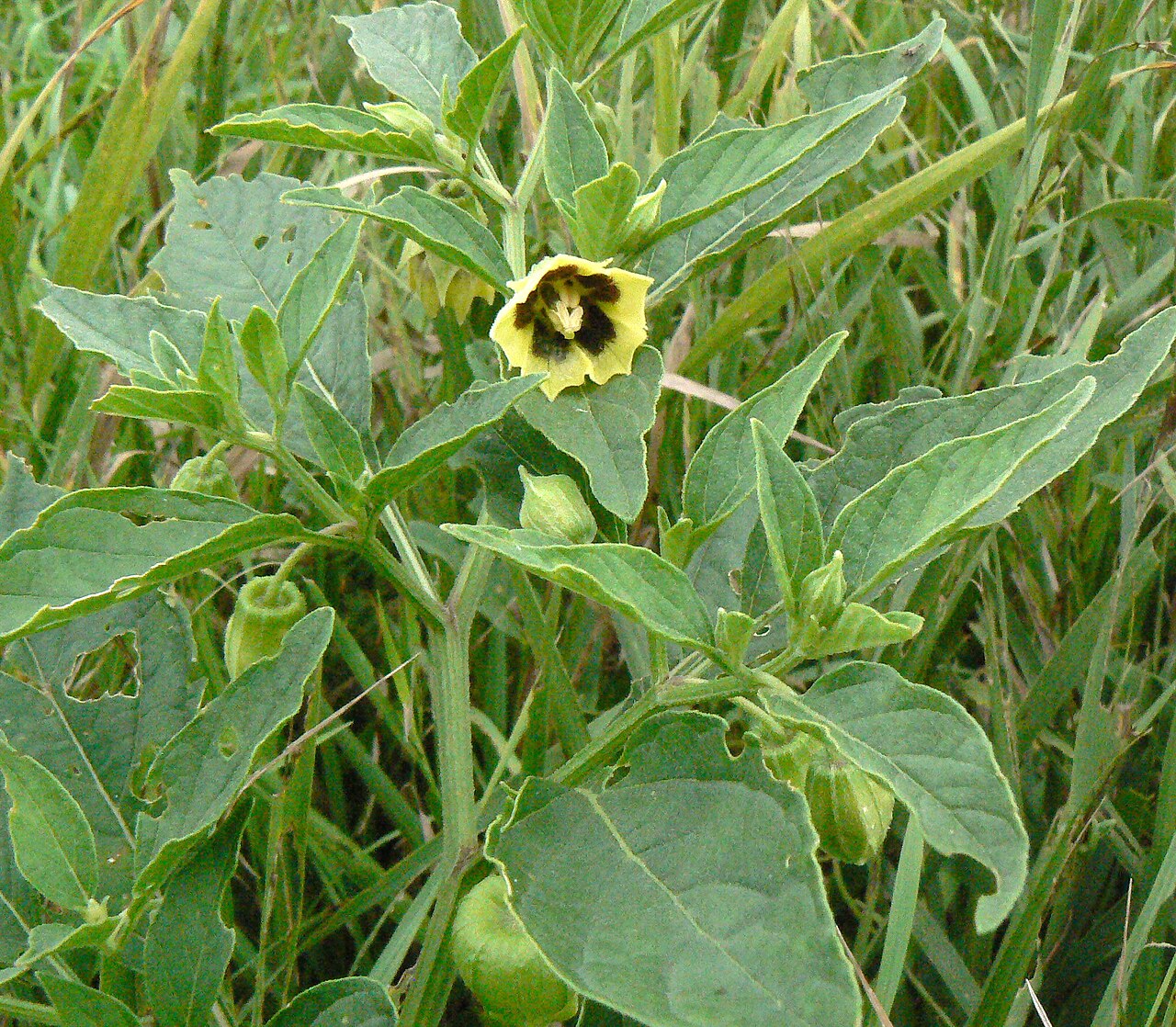
Physalis heterophylla, known as Clammy Groundcherry (USDA: clammy groundcherry), is a native perennial wildflower in the nightshade family (Solanaceae). It grows 1 to 3 feet tall from deep, creeping rhizomes, and its stems and leaves are covered in soft, sticky glandular hairs that feel slightly clammy to the touch. From early summer into fall it bears nodding, bell-shaped, pale yellow flowers with a dark purplish-brown center, followed by little green “lanterns”: papery husks that each hold a single round berry.
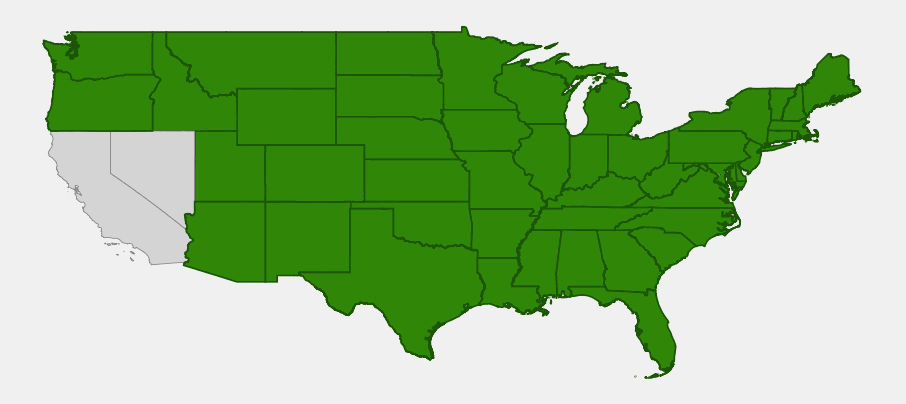
It is one of the most widespread groundcherries in North America. USDA PLANTS records it as native from Quebec, Ontario and Nova Scotia south to Florida and west across the Great Plains to the Rocky Mountain states, in 46 states in all. It grows in dry, open woods, clearings, prairies, sand and gravel hills, fields, fencerows and roadsides, and it is often one of the first native plants to come up in disturbed sandy ground.
Safety note: like many nightshades, the leaves, stems and unripe fruit contain solanine-type glycoalkaloids and are poisonous to people, pets and livestock. Only the fully ripe, yellow berries, removed from their husks, are reported to be edible. Gardeners grow clammy groundcherry as a tough, drought-tolerant native for dry meadows and prairie plantings, where its flowers feed specialist native bees.
Identification
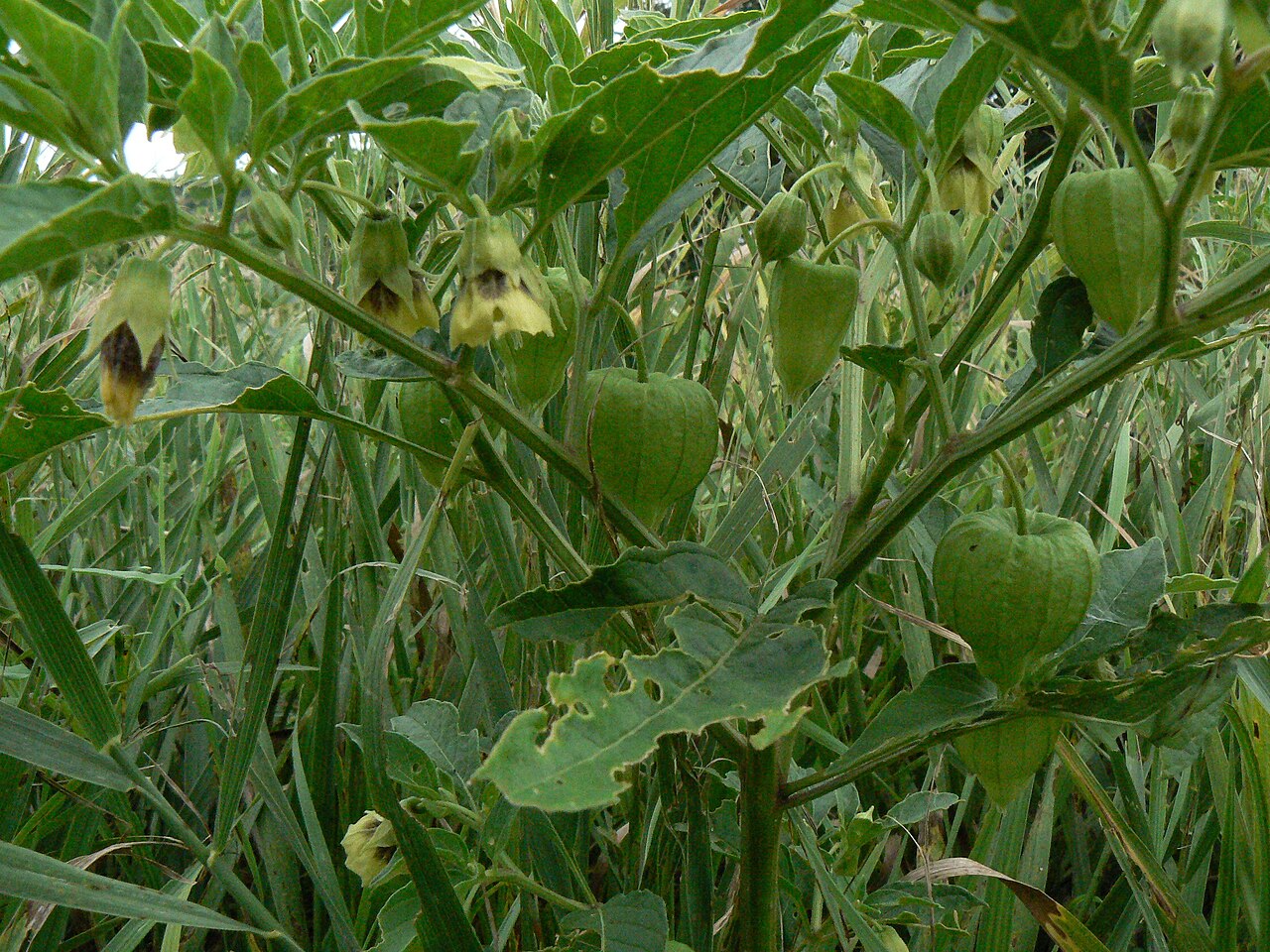
Clammy groundcherry is easiest to recognize by its combination of sticky-hairy foliage, drooping yellow bells with a dark eye, and inflated papery husks hanging under the leaves.
Growth Habit & Stems
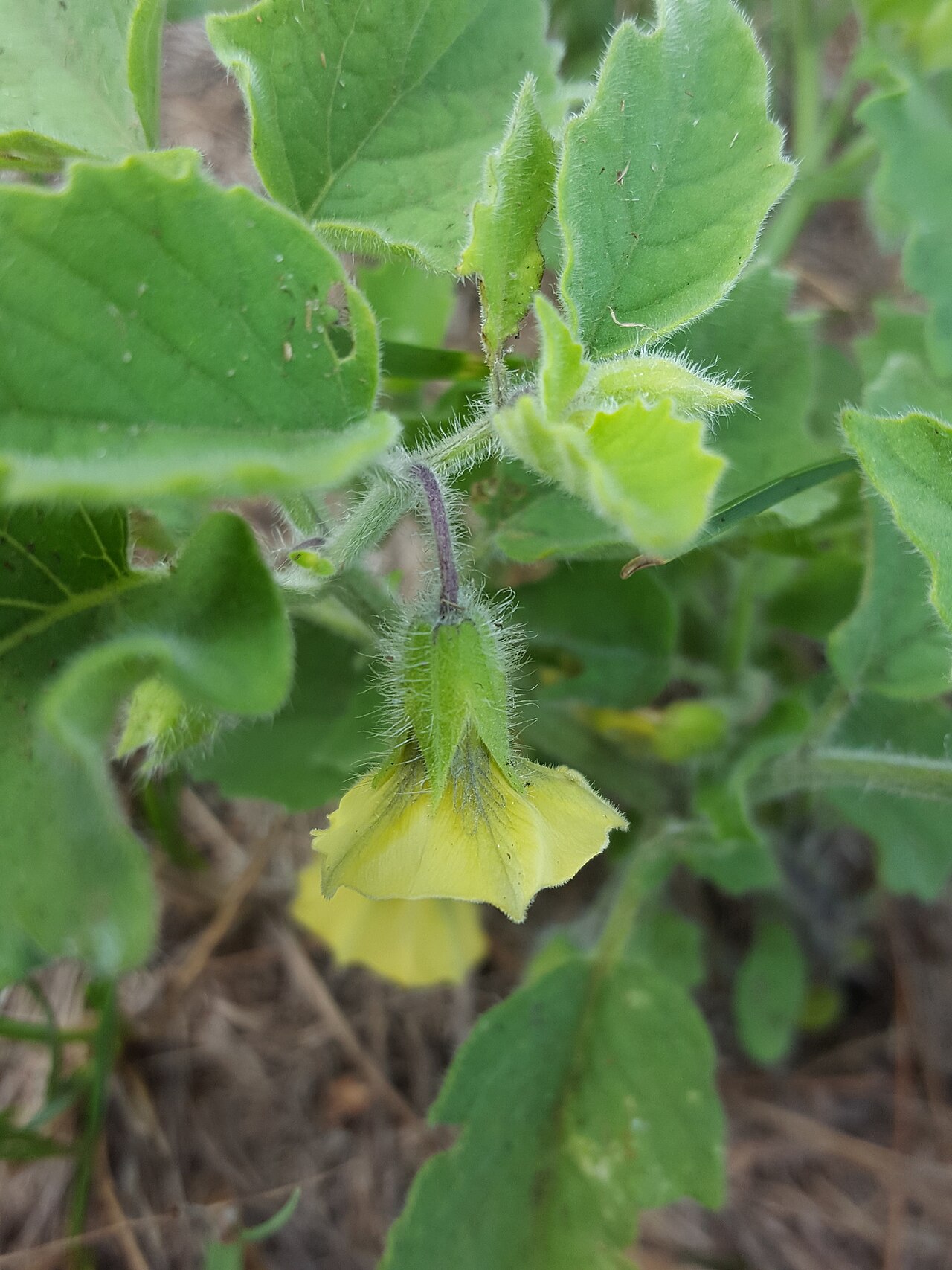
A rhizomatous perennial, usually 1 to 3 feet tall, with branched, often sprawling or leaning stems. Plants spread underground by thick horizontal rhizomes and often form loose colonies. The stems are densely covered in a mix of long, spreading hairs and shorter gland-tipped hairs that are sticky to the touch.
Leaves
The leaves are alternate, broadly oval to heart-shaped, about 2 to 4 inches long, with a rounded or shallowly heart-shaped base and a pointed tip. The margins have a few coarse, irregular teeth or are nearly smooth, and both surfaces are softly hairy and somewhat sticky. The species name heterophylla means “variable leaves,” a reference to how much leaf shape varies from plant to plant.
Flowers
Single flowers hang on short, hairy stalks from the leaf axils from about May or June into September. Each flower is a nodding, broadly bell-shaped corolla about 3/4 inch across, pale greenish-yellow with a dark purplish-brown blotch at the base inside. The five stamens have yellow anthers, which helps separate it from some relatives with blue or purple anthers.
Fruit
After flowering, the five-lobed calyx enlarges into a hanging, papery, five-angled husk about 1 to 1 1/2 inches long, green at first and turning tan as it dries. Inside is a single round berry about 1/2 inch across, which ripens yellow and contains many small seeds.
Look-alikes
Long-Leaved Groundcherry (Physalis longifolia) has narrower, lance-shaped leaves and is nearly hairless or has only short, flat-lying hairs, not the sticky glandular hairs of clammy groundcherry. Virginia groundcherry (P. virginiana) has narrower leaves and a different husk shape. Annual groundcherries such as cutleaf groundcherry (P. angulata) lack the perennial rhizomes and usually have smaller flowers.
Safety
The leaves, stems and unripe green berries contain glycoalkaloids related to solanine and are poisonous if eaten. Symptoms in people can include headache, stomach pain, vomiting, diarrhea and, in serious cases, depressed breathing and circulation. Keep children and pets from eating the plant, and do not let livestock graze heavy stands. Only fully ripe yellow berries, taken out of the husk, are considered edible, and even these are best eaten in small amounts. If you are not sure of the identification or ripeness, do not eat them.
Quick Facts
| Scientific Name | Physalis heterophylla |
| Family | Solanaceae (nightshade family) |
| Plant Type | Rhizomatous herbaceous perennial wildflower |
| Mature Height | 1–3 ft |
| Mature Spread | 1–2 ft; spreads slowly by rhizomes |
| Growth Rate | Moderate |
| Sun Exposure | Full sun to partial shade |
| Water Needs | Low to medium; drought tolerant once established |
| Soil Type | Sandy, gravelly or loamy, well-drained soil |
| Soil pH | About 5.5–7.5 |
| Bloom Time | May–September |
| Flower Color | Pale yellow with a purplish-brown center |
| Fall Color | Not significant; husks turn tan |
| Fruit | Round berry, ripening yellow, inside a papery green-to-tan husk |
| Deer Resistant | Mostly; sticky, toxic foliage is seldom browsed |
| USDA Hardiness Zones | 3–9 |
Native Range
Clammy groundcherry has one of the largest ranges of any North American groundcherry. USDA PLANTS lists it as native in the lower 48 states and Canada, with records from 46 states: every contiguous state except California and Nevada. In Canada it is native in Nova Scotia, Quebec and Ontario, and the Lady Bird Johnson Wildflower Center also lists Manitoba, Saskatchewan and Prince Edward Island.
It is most common east of the Rocky Mountains, from New England and the Great Lakes south to Florida and Texas and west through the Great Plains, where it is a familiar plant of prairies, sand hills and dry woodland openings. In Texas it grows from the eastern Pineywoods and Blackland Prairie west into central and south-central Texas. Farther west, in Arizona, New Mexico, Utah and the Rocky Mountain and Pacific Northwest states, records are much more scattered; herbarium collections exist from Idaho, Oregon and Washington, but these are outlying records at the edge of the range.
Typical habitats are dry or mesic prairies, open oak and pine woods, woodland edges and clearings, sand and gravel hills, old fields, fencerows, railroad banks and roadsides. It favors open, well-drained, often sandy ground and often appears after soil disturbance.
📋 Regional plant lists featuring Clammy Groundcherry: New York, Pennsylvania & Northern New Jersey · Ohio & Indiana · Montana & Wyoming · Michigan, Wisconsin & Eastern Minnesota · Kentucky & Tennessee · Nebraska, Kansas & Eastern Colorado · Utah & Western Colorado · Connecticut, Massachusetts & Rhode Island · New Hampshire, Maine & Vermont · Maryland, Virginia & West Virginia · Delaware, Southern New Jersey & Long Island · Arizona & New Mexico · Illinois, Iowa & Missouri · Alabama, Georgia & Mississippi · North & South Florida · North & South Carolina · Arkansas, Louisiana, Eastern Oklahoma & Eastern Texas · South & West Texas · North Dakota, South Dakota & Western Minnesota
Growing & Care Guide
Clammy groundcherry is an easy, low-maintenance native for dry, sunny spots. It is not a showy specimen plant, but it fills gaps in prairie and meadow plantings, tolerates poor sandy soil and drought, and supports specialist bees. Because it spreads by rhizomes and the foliage is toxic, place it where it can roam and where small children and pets will not graze on it.
Light
Full sun is best for strong flowering and fruiting. It also grows in partial shade along woodland edges and in open woods, though it flowers less there.
Soil & Water
It prefers sandy, gravelly or loamy soil with good drainage and tolerates poor, low-fertility ground. Once established, its deep rhizomes carry it through dry spells, so it rarely needs watering. Avoid heavy, constantly wet clay, where the roots can rot.
Planting Tips
Plant container-grown plants or sow seed in spring after frost. Space plants 1 to 2 feet apart. It looks best mixed with prairie grasses and other wildflowers that can hide its somewhat floppy stems. Because it spreads underground, avoid planting it in small, formal beds or next to vegetable gardens where its rhizomes could become a nuisance.
Pruning & Maintenance
Little care is needed. Cut back or mow dead stems in late winter or early spring. To limit spread, pull unwanted shoots while young or grow it in a contained bed. Wear gloves if your skin is sensitive to the sticky hairs. It can host the same pests as other nightshades, such as Colorado potato beetles and flea beetles, so it is best kept away from tomato and potato plantings.
Propagation
Grow from seed collected from fully ripe, yellow berries: mash the fruit, rinse the seeds and dry them. Sow on the surface or barely cover in spring; seed usually germinates in warm soil, and a period of cold, moist stratification over winter can improve results. Established plants can also be divided by cutting sections of rhizome in early spring.
Landscape Uses
- Prairie and meadow plantings: a tough filler among grasses and wildflowers on dry ground
- Sandy and gravelly sites: thrives on poor, well-drained soils where many plants struggle
- Native bee gardens: supports specialist groundcherry bees and other pollinators
- Restoration and erosion control: rhizomes help hold sandy soil in disturbed areas
- Wildlife and edible-plant gardens: ripe berries feed wildlife; grow only where toxic foliage is not a risk to children and pets
Wildlife & Ecological Value
Clammy groundcherry looks modest, but its flowers, fruit and foliage support a surprising number of animals, including several insects that specialize on groundcherries.
For Pollinators
The nodding flowers are visited mainly by bees. The groundcherry bee (Colletes latitarsis) is a specialist that collects pollen almost entirely from Physalis flowers and often shelters inside the hanging blossoms. Sweat bees and other small native bees also visit for pollen and nectar.
For Birds
Birds such as wild turkeys, northern bobwhite and other quail, and some songbirds eat the ripe berries and seeds. The plants also provide low cover in prairies and old fields.
For Mammals
Small mammals such as mice and other rodents eat the fallen berries and seeds. Deer and livestock usually avoid the sticky, toxic foliage, although animals have been poisoned when grazing heavy stands of green plants.
Ecosystem Role
Groundcherries are host plants for several specialist insects, including the caterpillars of the groundcherry moths and the three-lined potato beetle, as well as tortoise beetles. Its spreading rhizomes help stabilize sandy, disturbed soil, and it is an early colonizer of open ground in prairie and savanna communities.
Cultural & Historical Uses
Several Native American peoples used groundcherries, including clammy groundcherry. The ripe fruits were eaten raw, cooked or made into sauces, and various parts of the plant were used in traditional medicine. Because the leaves and unripe fruit are toxic, these uses relied on careful knowledge of ripeness and preparation.
In Quebec, groundcherries are known as cerises de terre, “earth cherries,” and the husked fruit is a traditional ingredient in jams, pies and desserts. Many of the groundcherries sold in markets today are annual garden species, but wild perennial groundcherries like this one have long been gathered locally.
The genus name Physalis comes from the Greek word for a bladder or bellows, describing the inflated husk around the fruit. The same feature appears in related plants such as tomatillo and the ornamental Chinese lantern. The name heterophylla, meaning “different leaves,” reflects how variable the leaf shape and margins are across this plant’s wide range.
Frequently Asked Questions
Is clammy groundcherry poisonous?
Yes, in part. The leaves, stems and unripe green berries contain solanine-type glycoalkaloids and are poisonous to people, pets and livestock. Only fully ripe, yellow berries removed from the husk are reported to be edible.
Can you eat clammy groundcherry berries?
Fully ripe berries are edible and have a sweet, slightly bitter, tomato-like flavor. Pick them only when they are yellow and the husk has dried to tan, remove the husk, and eat them in moderation. Never eat green berries.
How is it different from long-leaved groundcherry?
Clammy groundcherry has broad, oval to heart-shaped leaves and sticky, glandular hairs on its stems and leaves. Long-leaved groundcherry has narrow, lance-shaped leaves and is nearly hairless.
Will clammy groundcherry spread in my garden?
It spreads slowly by underground rhizomes and can form colonies in loose, sandy soil. It is best used in meadows, prairie plantings and wild areas rather than small, formal beds.
Does it attract pollinators?
Yes. Its nodding flowers are visited by many bees, including the specialist groundcherry bee (Colletes latitarsis), which depends on Physalis pollen.

Looking for a nursery that carries Clammy Groundcherry?
Browse our native plant nursery directory: Alabama, Arizona & Arkansas · Colorado, Connecticut, Delaware, Florida & Georgia · Idaho, Illinois, Indiana, Iowa & Kansas · Kentucky, Louisiana, Maine, Maryland, Massachusetts, Michigan, Minnesota, Mississippi, Missouri & Montana · Nebraska, New Hampshire, New Jersey, New Mexico, New York, North Carolina, North Dakota, Ohio & Oklahoma · Oregon · Pennsylvania, Rhode Island, South Carolina, South Dakota, Tennessee, Texas, Utah, Vermont & Virginia · Washington · West Virginia, Wisconsin & Wyoming