
Native Sunflowers (Helianthus)
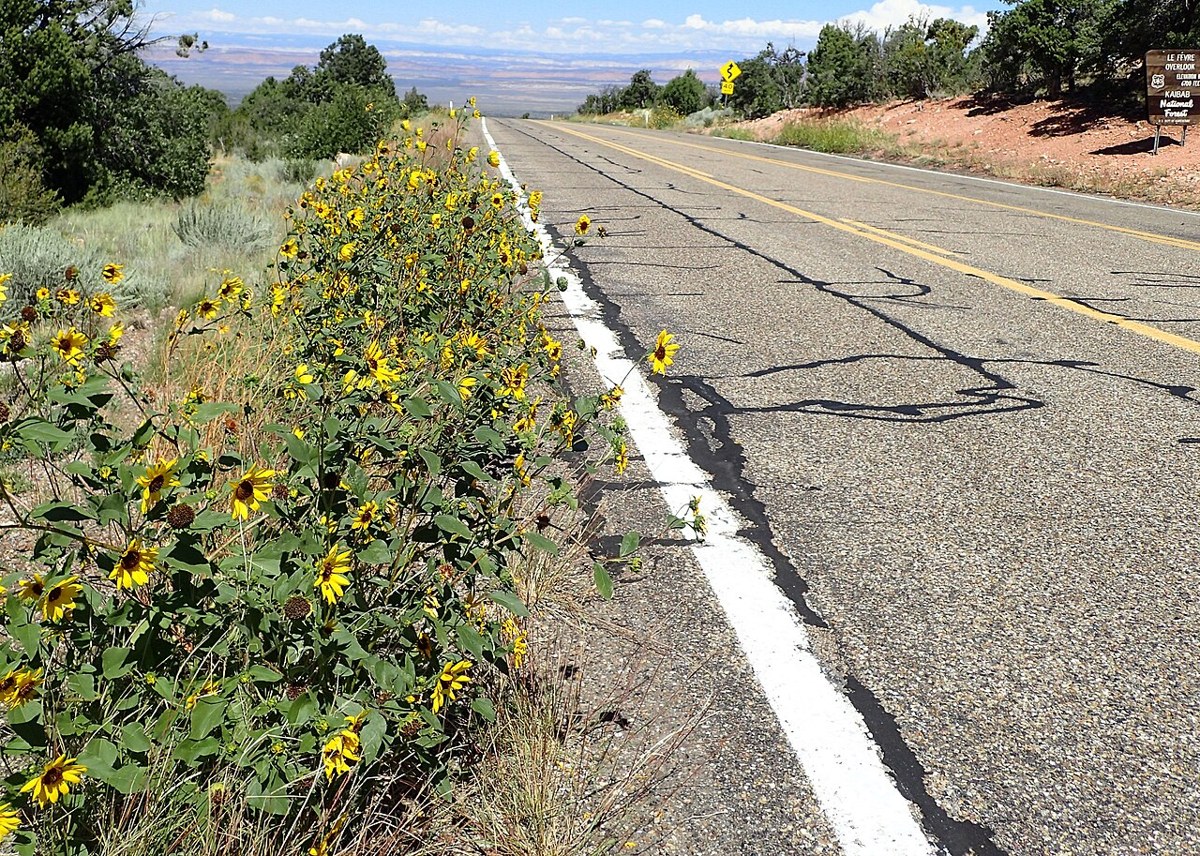
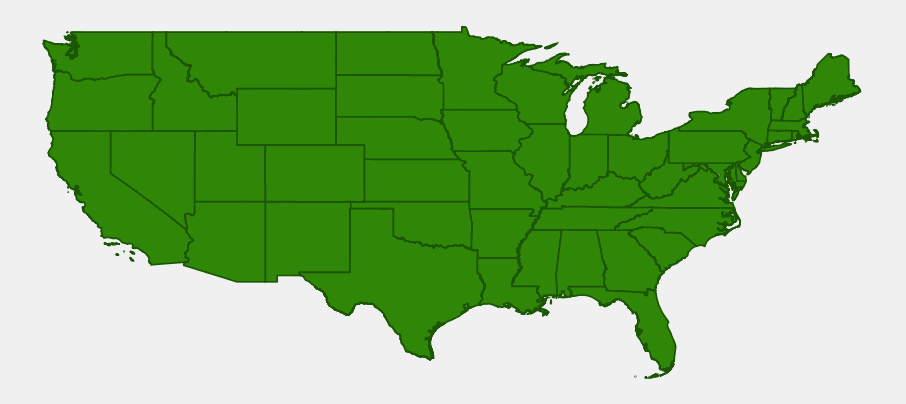
Sunflowers (genus Helianthus) are as American as a plant can be. All of the roughly 50 species are native to North America, and nearly all of them grow wild in the United States, from tall annuals of western roadsides to towering perennials of eastern swamps and prairie species with roots that reach many feet down. Between them they are native in all 48 contiguous states. The giant garden and farm sunflower was domesticated from the wild common sunflower by Native farmers in eastern North America thousands of years ago.
That makes sunflowers one of the few garden flowers where the familiar plant and the native plant are the same species. The difference is in the details: wild common sunflowers are branched plants with many small heads, while seed-company varieties have been bred for a single huge head, unusual colors, double flowers or no pollen at all. Gardeners who want to help bees and birds do best with wild-type or open-pollinated, pollen-bearing sunflowers, and with the many perennial species that are rarely seen in seed racks.
In Arizona, the sunflowers gardeners plant are mostly the annual common sunflower and its cultivated varieties, which suit the article that sent you here: sow them from late winter into summer and they handle sun and heat well. Arizona also has native prairie sunflower and the rare dune sunflower of sand dunes in the northern part of the state, along with several other wild species described below.
Identification
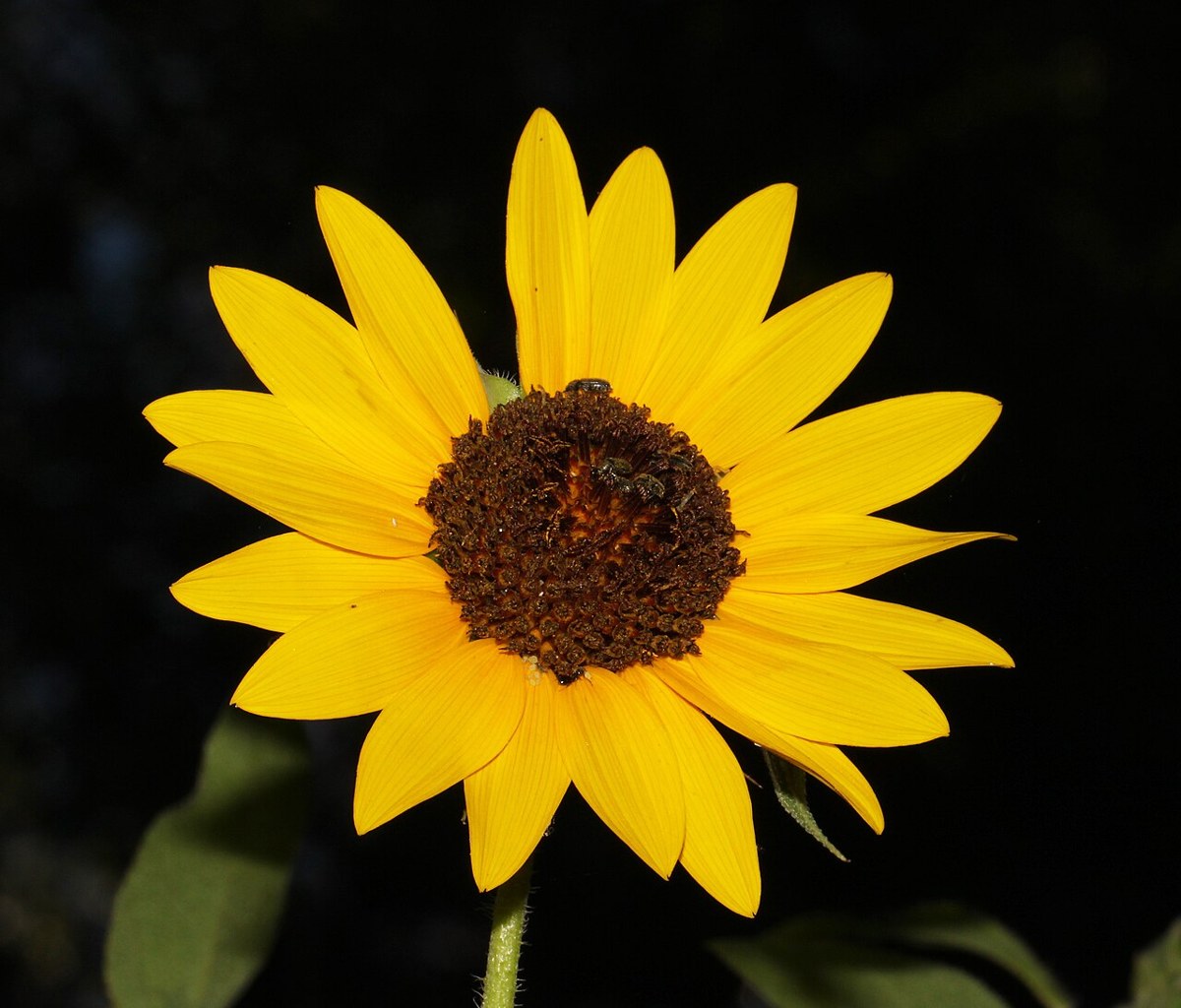
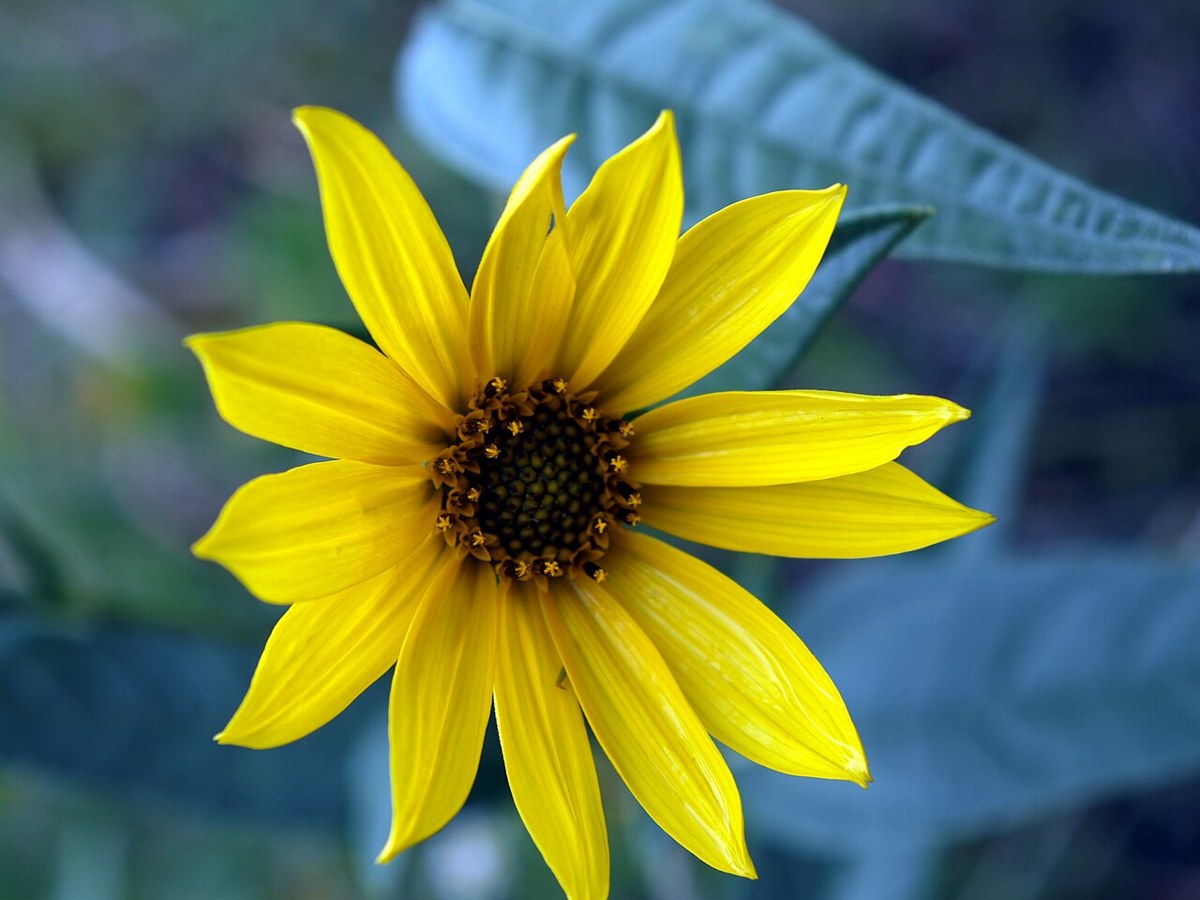
Sunflowers belong to the aster family (Asteraceae). What looks like one flower is a head of many small flowers: an outer ring of sterile, petal-like ray flowers, almost always yellow, around a central disk of tiny tubular flowers that may be yellow, red-brown, purple or nearly black. Each disk flower produces one seed (technically an achene). Below the head sit rows of green bracts.
Leaves & Stems
Most sunflowers have rough, sandpapery leaves, at least the lower ones opposite on the stem, the upper ones often alternate. Leaf shape varies enormously: broad and heart-shaped in common sunflower, long and narrow as a grass blade in swamp sunflower and narrow-leaved species, gray and silky in silverleaf sunflower. Stems are usually hairy or bristly. Perennial species spread by rhizomes or tubers, and some, such as Jerusalem artichoke and Maximilian sunflower, can form large colonies.
Telling Sunflowers from Look-Alikes
Many yellow daisies are called sunflowers. True sunflowers have sterile ray flowers (the rays do not set seed) and a disk with stiff, chaffy scales between the florets. Oxeye or false sunflower (Heliopsis) has rays that do produce seed and a cone-shaped disk. Black-eyed Susans (Rudbeckia) have a raised, cone-like center. Rosinweeds and cup plant (Silphium) set seed from the rays and have resinous stems. Brittlebush (Encelia) of the desert Southwest is a gray shrub with small sunflower-like heads.
Annual or Perennial?
The annual sunflowers (common, prairie, dune, beach and a few others) have a taproot and die after setting seed. Perennial sunflowers come back from rhizomes, tubers or a woody crown. In fall, annual species are usually branched and leafy to the base, while many perennials have a cluster of narrow or rough leaves and taller, leaner stems.
Quick Facts
| Genus | Helianthus |
| Family | Asteraceae (Aster family) |
| U.S. Native Species | About 50; the whole genus is native to North America |
| Plant Type | Annual and perennial wildflowers |
| Mature Height | About 1–3 ft for small species (beach, dune, woodland sunflower) to 6–10 ft for common, Maximilian and swamp sunflower |
| Growth Rate | Fast |
| Sun Exposure | Full Sun (woodland and pale-leaved sunflower tolerate Part Shade) |
| Water Needs | Dry to wet depending on species: prairie and desert annuals are drought tolerant, swamp sunflower likes moist soil |
| Soil Type | Most soils; many species prefer sandy or loamy, well-drained ground |
| Bloom Time | Summer to fall (July–October for most perennials) |
| Flower Color | Yellow rays; yellow, brown, red-purple or nearly black disks |
| Deer Resistant | No; deer browse young plants and flower buds |
| USDA Hardiness Zones | About 3–9 for most perennials; annuals grow anywhere with a warm summer |
| Wildlife Value | Major nectar and pollen source for native bees, including sunflower specialists; seeds for finches and other birds; caterpillar host |
Native Range
Sunflowers are native in every one of the 48 contiguous states. The greatest diversity is in the Southeast and the Great Plains. The Southeast has many perennial species of pine savannas, sandhills and wet flatwoods, several of them rare, such as the lakeside sunflower of northeast Florida. The Great Plains and Midwest prairies are home to tall perennials like Maximilian, sawtooth, stiff and ashy sunflower, and to the annual common and prairie sunflowers.
In the West and Southwest, annual sunflowers dominate: common and prairie sunflower along roads, washes and fields; dune sunflower on sand dunes in Utah and Arizona; and desert species in the Mojave and Sonoran deserts. California has the endemic slender sunflower of chaparral and coastal hills, and the Arizona sunflower (Helianthus arizonensis) grows in the high grasslands and pine country of Arizona and New Mexico.
Common sunflower’s original native range is debated because people have carried it for thousands of years, and it now grows in disturbed ground in nearly every state. It is generally treated as native across the country. Sunflowers are not native to Alaska or Hawaii, where they appear only as garden escapes.
📋 Find native sunflowers on our regional plant lists: NH, ME, VT · CT, MA, RI · NY, PA, NJ north · DE, NJ south, NY Long Island · MD, VA, WV · NC, SC · GA, AL, MS · AR, LA, OK east, TX east · KY, TN · OH, IN · IL, IA, MO · MI, WI, MN east · ND, SD, MN west · NE, KS, CO east · UT, CO west · MT, WY · ID, OR east, WA east · OR west, WA west · AZ, NM · CA, NV · TX south/west/central
Native Species
These are 15 of the most important and garden-worthy native sunflowers, from the annuals of the West to the big perennials of the prairies and the South. Every sunflower with a Plant Native profile is linked here or in the list at the end of this section.
Common Sunflower (Helianthus annuus)
The wild ancestor of the garden sunflower. A branched annual, 3–10 ft, with broad, rough, heart-shaped leaves and many heads 2–5 inches across with dark disks. Native across the Plains and West and widespread elsewhere on disturbed ground. The easiest sunflower to grow from seed, and an outstanding bee and bird plant.
Prairie Sunflower (Helianthus petiolaris)
A smaller annual, 1–4 ft, of sandy prairies, roadsides and dunes from the Great Plains to Arizona and the Great Basin. Narrower leaves than common sunflower and heads 1½–3 inches across, often with a few white-hairy bracts at the center of the disk. Excellent for dry, sandy gardens in Arizona and the interior West.
Dune Sunflower (Helianthus anomalus)
A rare annual of active sand dunes in southern Utah and northern Arizona, with thick, narrow leaves and a long taproot. It arose as a natural hybrid of common and prairie sunflower and is famous among biologists as an example of a new species formed by hybridization.
Beach Sunflower (Helianthus debilis)
A low, sprawling annual or short-lived perennial of coastal dunes along the Gulf and southern Atlantic coasts, blooming most of the year in Florida. Salt tolerant and quick to cover sand; one of the best groundcovers for Florida beach gardens.
Maximilian Sunflower (Helianthus maximiliani)
A tall perennial, 3–10 ft, of the Great Plains from Texas to the Dakotas, with narrow, folded leaves and long spikes of 2–3 inch heads in September and October. Drought tolerant and excellent for wildlife plantings, but it spreads by rhizomes and needs room.
Swamp Sunflower (Helianthus angustifolius)
A perennial of wet pine savannas, ditches and marsh edges in the Southeast and lower Midwest, 4–8 ft, with very narrow leaves and masses of yellow, dark-centered heads in fall. A spectacular late-season plant for moist, sunny gardens; cut it back in early summer to keep it shorter.
Jerusalem Artichoke (Helianthus tuberosus)
A tall perennial, 5–10 ft, that forms edible underground tubers, native to the eastern and central states. It was grown as a food by Native peoples and is still sold as “sunchoke.” Very aggressive in gardens and difficult to remove, so plant it only where it can spread.
Stiff Sunflower (Helianthus pauciflorus, syn. H. rigidus)
A prairie perennial, 2–5 ft, with stiff, rough leaves mostly near the base and a few large heads with reddish-purple to brown disks in late summer. Native from the Great Plains to the Midwest and locally eastward. Handles dry soil well and spreads more modestly than Maximilian sunflower.
Western Sunflower (Helianthus occidentalis)
Despite its name, a plant of the Midwest and Southeast, 2–4 ft, with a basal rosette of leaves and nearly leafless stems carrying a few heads in late summer. One of the best sunflowers for small gardens and dry, sandy soil.
Woodland Sunflower (Helianthus divaricatus)
A perennial of open woods and woodland edges across the eastern half of the country, 2–5 ft, with stalkless, opposite leaves and a few small yellow-centered heads in summer. One of the few sunflowers that tolerates part shade.
Pale-leaved Sunflower (Helianthus strumosus)
A perennial of woodland edges, thickets and roadsides in the East and Midwest, 3–7 ft, with leaves pale and whitish underneath. Tolerates part shade and spreads by rhizomes.
Ashy Sunflower (Helianthus mollis)
A gray-green, softly hairy perennial of dry prairies and savannas in the Midwest and South, 2–4 ft, with clasping leaves and bright yellow heads. Drought tolerant and colony-forming.
Sawtooth Sunflower (Helianthus grosseserratus)
A towering perennial of moist prairies and roadsides in the Midwest and Plains, 6–12 ft, with coarsely toothed leaves and smooth, often purplish stems. A great wildlife plant for big restorations but too vigorous for most gardens.
Slender Sunflower (Helianthus gracilentus)
A California endemic perennial of dry chaparral, foothills and openings in southern and central California, 2–6 ft, with slender stems and narrow, rough leaves. Drought tolerant and a good late-season nectar plant for California gardens.
Lakeside Sunflower (Helianthus carnosus)
A rare perennial endemic to wet flatwoods in northeast Florida, with fleshy basal leaves and bright yellow heads on tall stems. It is listed as endangered by the state of Florida and is occasionally grown from nursery-propagated stock.
More native sunflower profiles: Variableleaf Sunflower (H. heterophyllus) · Rayless Sunflower (H. radula) · Southeastern Sunflower (H. agrestis) · Stiff-hair Sunflower (H. hirsutus)
Non-Native Look-Alikes
Every Helianthus is North American, so there are no non-native species in the genus. What gardeners should watch for are heavily bred cultivated forms and plants from other genera sold as “sunflowers.”
Cultivated Annual Sunflowers
Garden and farm sunflowers are selections of the native common sunflower. Single-headed giants such as ‘Mammoth’ and ‘Russian Giant’, oilseed and confection types, and multi-branched ornamentals such as ‘Autumn Beauty’ and red ‘Moulin Rouge’ are all still Helianthus annuus. Some cut-flower varieties, including many sold as “pollenless,” produce no pollen and offer much less to bees, and fully double types such as ‘Teddy Bear’ have few or no accessible disk flowers. For pollinators, choose single, pollen-bearing varieties or wild-type seed.
Mexican Sunflower (Tithonia rotundifolia)
A popular annual from Mexico and Central America, in a different genus, with velvety leaves and brilliant orange-red heads on hollow, swollen stalks. It is a superb butterfly plant and not considered invasive in most of the U.S., but it is not native. In the desert Southwest, native brittlebush, desert marigold and common sunflower fill a similar role.
Weedy Native Sunflowers
A few native sunflowers behave like weeds. Texas blueweed (Helianthus ciliaris), a native perennial of the Southwest with bluish leaves and deep creeping roots, invades irrigated farmland and is regulated as a noxious weed in some western states. Common sunflower and Jerusalem artichoke can also become crop weeds. Sunflower hulls and roots release compounds that suppress other plants nearby, which is why grass often dies under bird feeders.
Growing & Care Guide
Light
Full sun for nearly all sunflowers, at least six hours a day. Woodland and pale-leaved sunflower tolerate light shade.
Soil & Water
Most sunflowers grow in ordinary garden soil and many prefer it lean; rich, heavily fertilized soil makes perennials tall and floppy. Annual and prairie species tolerate drought once established. Swamp sunflower and sawtooth sunflower want moist soil. In Arizona’s low deserts, water annual sunflowers deeply once or twice a week in hot weather.
Planting Tips
Sow annual sunflowers directly in the ground after the last frost, about 1 inch deep; they resent transplanting. In the low deserts of Arizona, sow from February to April for early summer bloom and again with the summer monsoon for fall flowers; at higher elevations sow after the last frost in late spring. Perennial sunflowers are planted in spring or fall from divisions, plugs or seed. Give spreading species room, or choose clump-forming ones such as western sunflower for small spaces.
Pruning & Maintenance
Cut tall perennial sunflowers back by a third to a half in late May or June to make them shorter and bushier with more flowers. Leave seed heads standing into winter for birds, then cut stems down in late winter or spring. Divide spreading perennials every few years to control them. Powdery mildew and rust are common late in the season but rarely serious.
Propagation
Annuals grow easily from seed. Seed of most perennial sunflowers germinates better after one to three months of cold, moist stratification, or fall sowing outdoors. Perennials are also easy to divide in early spring.
Landscape Uses
- Pollinator gardens and bee pastures, especially for late summer and fall bloom
- Bird gardens: leave seed heads standing for finches and other seed eaters
- Prairie and meadow plantings (Maximilian, stiff, ashy, western sunflower)
- Rain gardens and wet ditches (swamp and sawtooth sunflower)
- Coastal dune gardens (beach sunflower)
- Dry desert gardens and roadside plantings in the Southwest (common and prairie sunflower)
Wildlife & Ecological Value
For Pollinators
Sunflowers are among the most valuable plants for native bees. Dozens of species of North American bees, including long-horned bees (Melissodes), sunflower bees (Svastra) and others, collect pollen mainly or only from sunflowers and their close relatives. Bumble bees, sweat bees, leafcutter bees and honey bees visit too, along with butterflies, beetles and wasps.
For Caterpillars
Sunflowers host the caterpillars of the silvery checkerspot and bordered patch butterflies and of many moths. The painted lady also uses them.
For Birds
American goldfinches, house finches, chickadees, sparrows, doves and many other birds eat sunflower seeds, often straight from the head. Goldfinches nest late in summer, when thistle and sunflower seeds are ripening.
Ecosystem Role
Annual sunflowers are pioneers that move into disturbed ground after floods, fire and plowing, holding soil and feeding wildlife until perennials take over. Tall perennial sunflowers are key late-season nectar sources in prairies and savannas.
Cultural & Historical Uses
Native peoples domesticated the sunflower in eastern North America; archaeological seeds from sites in the Midwest and Southeast show that farmers were growing larger-seeded sunflowers at least 4,000 years ago, making it one of the few major crops domesticated in what is now the United States. The seeds were eaten, ground into meal and pressed for oil, and the flowers and seeds gave yellow and purple dyes.
Spanish explorers carried sunflowers to Europe in the 1500s. In Russia, breeders developed high-oil varieties in the 1800s, and those “Russian” sunflowers returned to North America as a major farm crop. Jerusalem artichoke, another native species, was grown for its tubers by Native peoples and is still sold today.
The sunflower is the state flower of Kansas. Sunflower heads famously track the sun while they are young, turning east to west during the day; once they open, most mature heads stay facing east.
Frequently Asked Questions
Are sunflowers native to Arizona?
Yes. Common sunflower and prairie sunflower are native and widespread in Arizona, and the state also has dune sunflower, Arizona sunflower and other wild species. Garden sunflowers are cultivated forms of the native common sunflower.
Are garden sunflowers native plants?
They are the same species as the wild common sunflower, which is native to North America. Heavily bred varieties, especially pollenless and double ones, are less useful to bees than wild-type sunflowers, so choose single, pollen-producing varieties for a pollinator garden.
Is Mexican sunflower a real sunflower?
No. Mexican sunflower (Tithonia rotundifolia) is in a different genus and comes from Mexico and Central America. It is a fine butterfly plant but not a U.S. native.
Which perennial sunflowers won’t take over my garden?
Western sunflower, stiff sunflower and woodland sunflower spread slowly or moderately. Jerusalem artichoke, Maximilian, sawtooth and ashy sunflower spread aggressively by rhizomes or tubers and need plenty of room.
When should I plant sunflowers in Arizona?
In the low deserts, sow from February to April and again in July with the monsoon rains. At higher elevations, sow after the last spring frost. Sunflowers need full sun and deep, infrequent watering in hot weather.

Looking for a nursery that carries native sunflowers?
Browse our native plant nursery directory: Alabama, Arizona & Arkansas · California · Colorado, Connecticut, Delaware, Florida & Georgia · Idaho, Illinois, Indiana, Iowa & Kansas · Kentucky, Louisiana, Maine, Maryland, Massachusetts, Michigan, Minnesota, Mississippi, Missouri & Montana · Nebraska, Nevada, New Hampshire, New Jersey, New Mexico, New York, North Carolina, North Dakota, Ohio & Oklahoma · Oregon · Pennsylvania, Rhode Island, South Carolina, South Dakota, Tennessee, Texas, Utah, Vermont & Virginia · Washington · West Virginia, Wisconsin & Wyoming

