
Native Milkweeds (Asclepias)
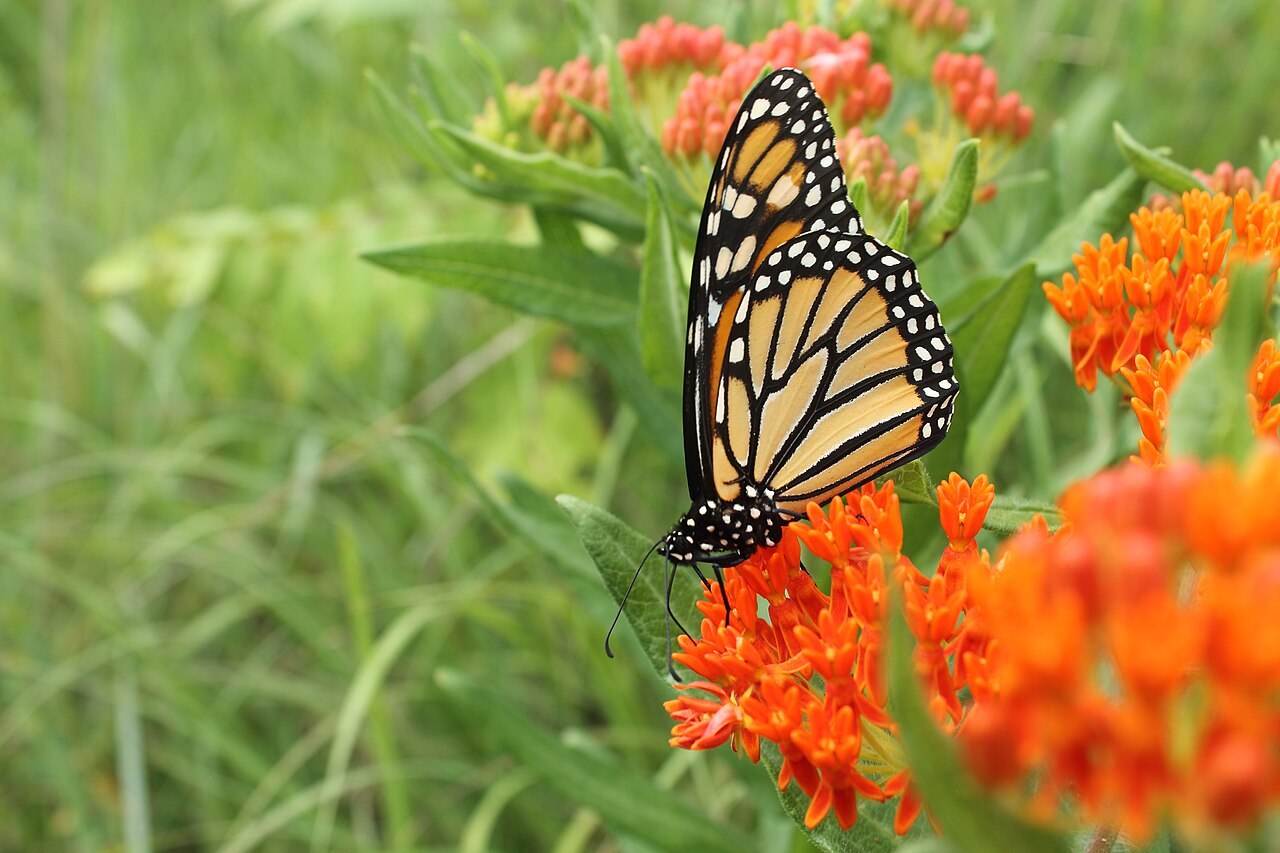
Milkweeds are the plants that make monarch butterflies possible. Monarch caterpillars feed only on milkweeds, and the toxic compounds they absorb from the leaves protect both caterpillar and butterfly from many predators. But milkweeds are much more than monarch food. Their intricate, nectar-rich flowers feed bees, wasps, butterflies, moths and hummingbirds, and the genus Asclepias includes some of North America’s toughest, most beautiful wildflowers, from the blazing orange butterfly weed to the fragrant pink globes of common milkweed and the starry heads of showy milkweed.
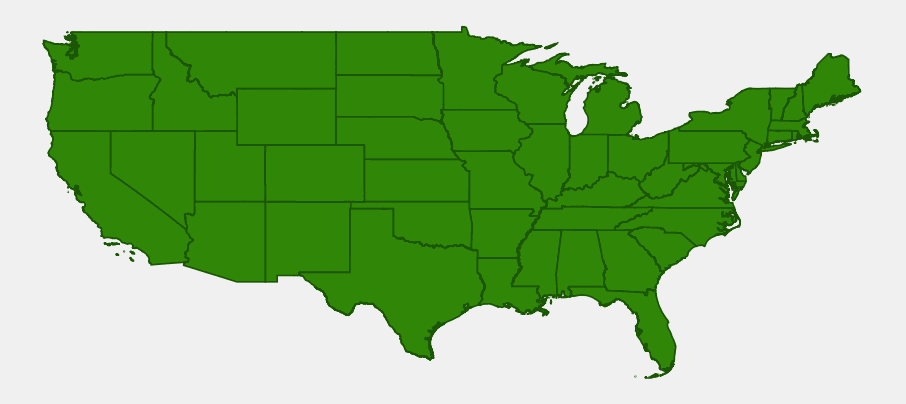
About 70 Asclepias species are native to the United States (an approximate count), more than anywhere else in the world. At least one species is native in every one of the lower 48 states, and most regions have several, adapted to everything from swamps and shady woods to prairies, sand hills and the desert. Only Hawaii and Alaska have no native milkweeds.
Because the right milkweed depends on where you live, this guide covers the most important native species by region, how to grow them, and how to avoid the non-native tropical milkweed sold in many garden centers. If you came from our Michigan or New Mexico articles, the species for your state are described below, and our New Mexico native milkweed guide goes deeper on that state.
Identification
Milkweeds are perennials (a few southern species are short-lived) in the dogbane family, Apocynaceae. Most grow as upright, unbranched stems from deep roots or spreading rhizomes. The name comes from the milky white latex that oozes from broken leaves and stems in nearly all species; butterfly weed, with clear sap, is the notable exception.
Leaves
Leaves are usually opposite or whorled and smooth-edged. Shapes vary widely between species: broad and oval in common, showy and purple milkweed; long and lance-shaped in swamp milkweed; narrow and needle-like in whorled, horsetail and narrowleaf milkweed. Butterfly weed is one of the few with alternate leaves.
Flowers
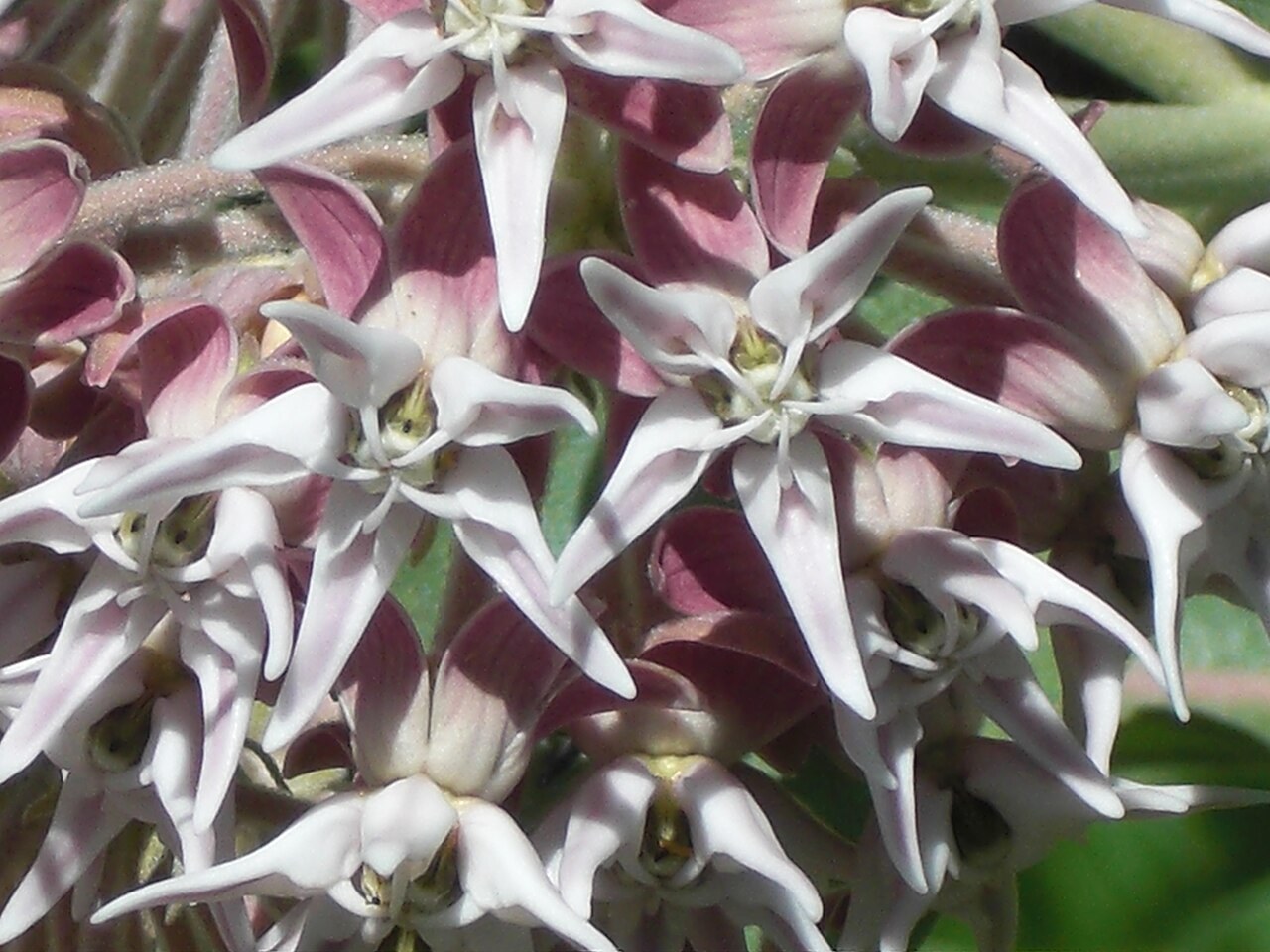
Milkweed flowers are unlike any others. They are held in round umbels, and each small flower has five swept-back petals topped by a crown (corona) of five hoods, often with little horns curving out of them. Pollen is packed into paired, waxy sacs (pollinia) that clip onto the legs of visiting insects. Colors include orange, red, pink, purple, white, cream and green, depending on species. Most bloom from late spring to late summer.
Pods & Seeds
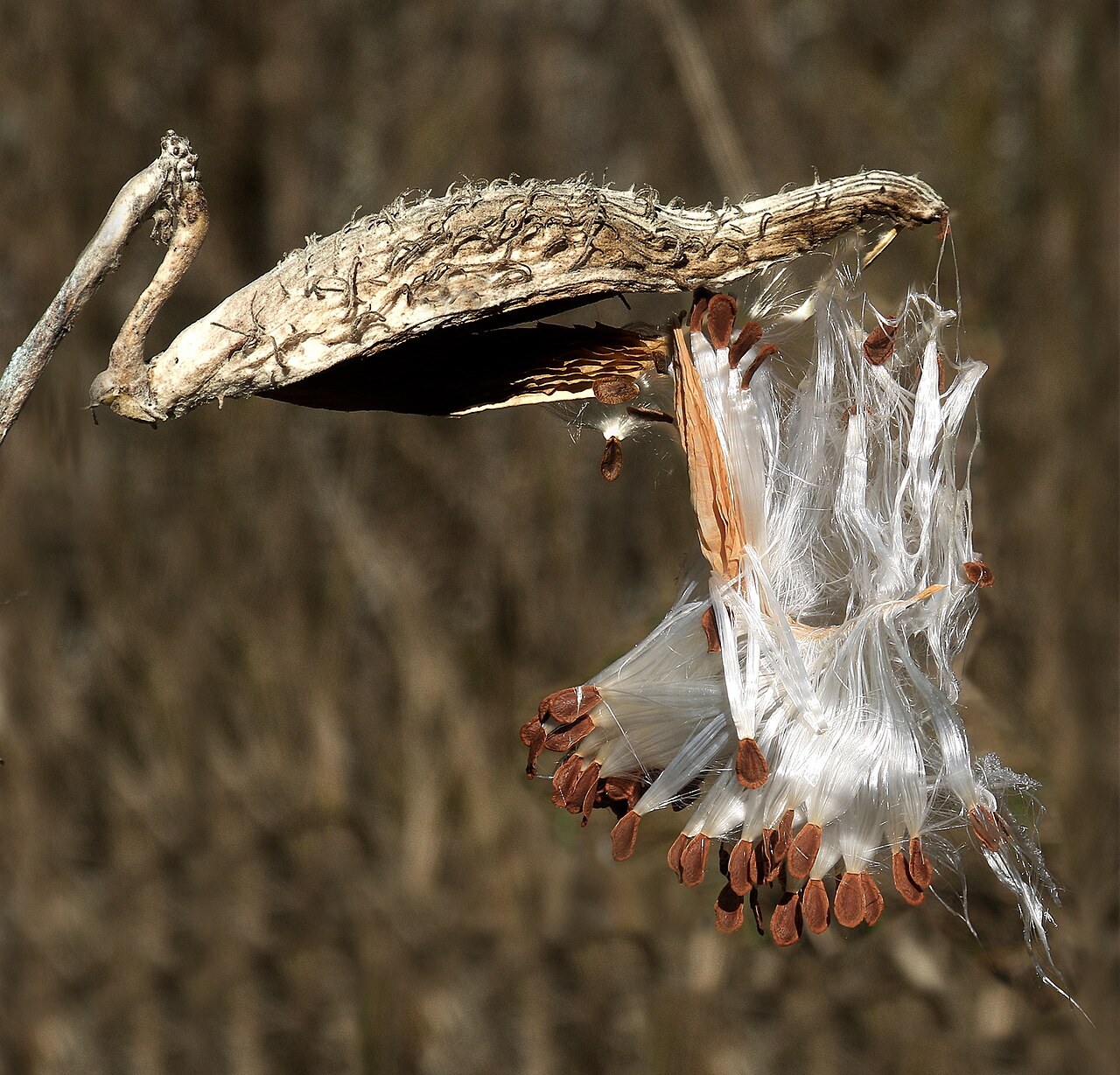
After flowering, milkweeds form upright, horn-shaped pods (follicles) that split open in fall. Inside, flat brown seeds are packed in overlapping rows, each with a tuft of silky white floss that carries it on the wind. Pod shape helps identify species: warty and fat in common milkweed, smooth and slender in swamp and butterfly weed, and woolly in showy and woollypod milkweed.
Quick Facts
| Scientific Name | Asclepias L. (genus) |
| Family | Apocynaceae (Dogbane; milkweeds were formerly Asclepiadaceae) |
| US-Native Species | About 70 (approximate) |
| Growth Forms | Upright perennials, from 6-inch sprawlers to 6-ft stems; some spread by rhizomes |
| Mature Height | Mostly 1–5 ft, depending on species |
| Sun Exposure | Mostly Full Sun; poke and purple milkweed tolerate Part Shade |
| Water Needs | Varies by species: swamp and aquatic milkweed want wet soil; most others like average to dry soil |
| Soil Type | Sand, loam, clay or rocky soil, depending on species |
| Bloom Time | Late spring to late summer |
| Flower Color | Pink, purple, orange, red, white, cream or green |
| Wildlife Value | Only larval host of monarch and queen butterflies; outstanding nectar plants |
| Toxicity | All parts contain cardiac glycosides, toxic to people, pets and livestock; sap irritates eyes |
| Deer Resistant | Yes, generally avoided by deer |
| USDA Hardiness Zones | Varies; species exist for roughly zones 3–10 |
Native Range
Milkweeds are native across all of the lower 48 states and southern Canada, and into Mexico and Central America. Every region has its own core species. In the East and Midwest, common milkweed, swamp milkweed, butterfly weed and whorled milkweed are the widespread workhorses, joined by shade-tolerant poke milkweed in the Appalachians and the Northeast and by purple and four-leaved milkweed in open woods.
The Southeast adds a group of coastal-plain specialists, including aquatic, pinewoods, velvetleaf, fewflower and savannah milkweed. On the Great Plains, green antelopehorn, antelope horns, green comet and showy milkweed dominate, while in the Southwest and the desert, horsetail, broadleaf, Arizona, rush and desert milkweed take over. In the Pacific states, narrowleaf, showy, California, heart-leaf and woollypod milkweed are the native choices.
Milkweeds are not native to Hawaii or Alaska. In Hawaii, monarchs arrived with introduced milkweeds and their relatives, such as crown flower and balloon plant, and none of those plants is native there.
📋 Regional plant lists for choosing native milkweeds: New Hampshire, Maine & Vermont · Connecticut, Massachusetts & Rhode Island · New York, Pennsylvania & Northern New Jersey · Delaware, Southern New Jersey & Long Island · Maryland, Virginia & West Virginia · North Carolina & South Carolina · Georgia, Alabama & Mississippi · Arkansas, Louisiana, Eastern Oklahoma & Eastern Texas · South & West Texas · Kentucky & Tennessee · Ohio & Indiana · Illinois, Iowa & Missouri · Michigan, Wisconsin & Eastern Minnesota · North Dakota, South Dakota & Western Minnesota · Nebraska, Kansas & Eastern Colorado · Montana & Wyoming · Utah & Western Colorado · Arizona & New Mexico · Idaho, Eastern Oregon & Eastern Washington · Western Oregon & Washington · California & Nevada
Native Species
These are the most widely grown and ecologically important native milkweeds, grouped roughly from east to west. Each name links to our full growing guide.
Common milkweed (Asclepias syriaca) is the classic milkweed of eastern and midwestern fields and roadsides, from Maine to the Dakotas and south to Georgia and Oklahoma. It grows 3 to 5 feet tall with broad, soft leaves and sweetly fragrant, dusty-pink flower balls in early summer. It spreads by rhizomes, so give it room in a meadow rather than a tidy bed. It’s one of the most-used monarch host plants in the Midwest, including Michigan.
Butterfly weed (Asclepias tuberosa) is the showiest and most garden-friendly milkweed, with flat clusters of bright orange (sometimes yellow or red) flowers on 1- to 2½-foot clumps. It grows in dry, sandy or rocky soil from New England to Florida and west to the Dakotas, Arizona and New Mexico. It has a deep taproot, does not spread aggressively and has clear rather than milky sap.
Swamp milkweed (Asclepias incarnata) carries vanilla-scented pink to rose flowers on 3- to 5-foot stems with narrow leaves. Native to wet meadows, marshes and stream banks in most states east of the Rockies and scattered through the West, it adapts well to average garden soil and stays in a clump. It’s a top monarch plant for rain gardens.
Whorled milkweed (Asclepias verticillata) is a slender, 1- to 2-foot species with needle-like leaves in whorls and small white flowers in mid to late summer. It grows in dry prairies and open ground across the East and Plains and spreads by rhizomes. It is one of the most toxic milkweeds to livestock.
Poke milkweed (Asclepias exaltata) is the woodland milkweed of the Appalachians, Northeast and Great Lakes, with drooping clusters of white and pale-green flowers on 3- to 5-foot stems. It is one of the few milkweeds for light shade.
Purple milkweed (Asclepias purpurascens) has rich magenta-purple flower heads and grows at the edges of open woods and prairies in the East and Midwest. It is uncommon in the wild and worth seeking out from native nurseries.
Aquatic milkweed (Asclepias perennis) grows in swamps and floodplain forests of the Southeast and lower Mississippi Valley. Its small white flowers and compact size make it a good monarch plant for wet southern gardens.
Pinewoods milkweed (Asclepias humistrata) sprawls across the sand of longleaf pine and sandhill country from North Carolina to Florida and Louisiana, with gray-green, pink-veined leaves and pink-and-cream flowers in spring, when early-returning monarchs need it.
Green antelopehorn (Asclepias viridis) is a low, sprawling spring bloomer with large green-and-purple flowers, common on prairies and pastures from Missouri and Kansas to Texas and the Gulf states. It is one of the key host plants for monarchs on their spring flight north through Texas.
Antelope horns (Asclepias asperula) is the spring milkweed of the southern Plains and Southwest, from Kansas and Texas to Arizona, Utah and Nevada, with rounded heads of cream flowers touched with purple. It thrives in dry, rocky soil and is one of the most important native milkweeds for New Mexico.
Showy milkweed (Asclepias speciosa) is the main milkweed west of the Mississippi, from Minnesota and Texas to Washington and California. Its soft gray-green leaves and large, star-shaped pink flowers make it a beautiful garden plant, though it spreads by rhizomes like common milkweed.
Narrowleaf milkweed (Asclepias fascicularis) is the most important monarch host in California, also native in Oregon, Washington, Idaho, Nevada and Utah. It has narrow, whorled leaves and pale pink-white flowers through summer and tolerates heavy clay and drought.
Horsetail milkweed (Asclepias subverticillata) is a fine-textured, white-flowered species of the Southwest and southern Plains that blooms from summer into fall. It spreads readily on disturbed ground and is highly toxic to livestock, so avoid it near pastures.
Broadleaf milkweed (Asclepias latifolia) grows on dry plains from Kansas and Colorado to New Mexico, Arizona and Texas, with big, stiff, bluish leaves and green-cream flowers nestled against the stem.
More native milkweeds with full profiles on our site:
- Arizona milkweed (A. angustifolia): slender, white-flowered, from canyon streams of southern Arizona
- California milkweed (A. californica): woolly, with maroon flowers, in California foothills
- Woollypod milkweed (A. eriocarpa): cream flowers and felted leaves, California
- Heart-leaf milkweed (A. cordifolia): purple-red flowers in open conifer woods of California, Oregon and Nevada
- Desert milkweed (A. erosa): tall, pale, of washes in the Mojave and Sonoran deserts
- Rush milkweed (A. subulata): nearly leafless gray stems, a desert species of Arizona and southern California
- Dwarf milkweed (A. involucrata): a low Southwest spring bloomer
- Zizotes milkweed (A. oenotheroides): low, greenish, in Texas and southern Plains grasslands
- Green comet milkweed (A. viridiflora): compact green flower balls on dry prairies across much of the country
- Tall green milkweed (A. hirtella): Midwest and Ozark prairies
- Redring milkweed (A. variegata): white flowers with a purple ring, eastern open woods
- Four-leaved milkweed (A. quadrifolia): small, pale pink, in dry eastern woods
- Clasping milkweed (A. amplexicaulis): wavy leaves on sandy eastern ground
- Velvetleaf milkweed (A. tomentosa): a velvety coastal-plain sand species
- Fewflower milkweed (A. lanceolata): red-orange flowers in coastal-plain wetlands
- Savannah milkweed (A. pedicellata): a small, greenish species of southeastern pine savannas
Non-Native Look-Alikes
A few milkweeds and milkweed relatives sold or growing wild in the US are not native, and some can do more harm than good for monarchs.
- Tropical milkweed or bloodflower (Asclepias curassavica): Red-and-yellow or all-yellow flowers on a shrubby plant, native to tropical America and introduced in the US. It is the milkweed most often sold at big-box garden centers. In frost-free areas of Florida, the Gulf Coast, south Texas and coastal California, it keeps growing through winter, which encourages monarchs to keep breeding instead of migrating or overwintering. Research shows these year-round patches build up high levels of Ophryocystis elektroscirrha (OE), a protozoan parasite that weakens and deforms monarchs. If you already grow it, cut it to the ground in fall and winter so it stops supporting OE buildup, and replace it with native species when you can.
- Balloon plant and swan plant (Gomphocarpus physocarpus, formerly Asclepias physocarpa): African plants with inflated, bristly pods, sold as novelties and naturalized in Hawaii.
- Crown flower and giant milkweed (Calotropis species): Large shrubs from Asia and Africa, grown in Hawaii and south Florida. They feed monarchs in Hawaii but are not native anywhere in the US.
- Black and pale swallow-wort (Vincetoxicum nigrum and V. rossicum): European vines in the milkweed family that are invasive in the Northeast and Great Lakes region. Monarchs sometimes lay eggs on them, but the caterpillars cannot survive, so swallow-worts are a trap. Remove them where you can.
- Dogbanes (Apocynum): Native, not invasive, but often mistaken for milkweed because of their milky sap and opposite leaves. Dogbanes have small bell-shaped flowers and long, pencil-thin paired pods, and monarch caterpillars do not eat them.
Honeyvine milkweed (Cynanchum laeve), a twining vine with white flowers, is a native milkweed relative of the central and southern states and a host for monarchs, though it can be weedy in crop fields.
Growing & Care Guide
Light
Nearly all milkweeds need full sun, at least six hours of direct light a day. Poke milkweed, purple milkweed and four-leaved milkweed tolerate light or dappled shade at woodland edges.
Soil & Water
Match the species to your soil. Butterfly weed, whorled, antelope horns, horsetail and most desert and Plains species want well-drained, dry to average soil and rot in wet clay. Swamp milkweed, aquatic milkweed and fewflower milkweed want moist to wet soil. Common and showy milkweed are adaptable to most garden soils. Once established, dry-land species need no watering.
Planting Tips
Most temperate milkweed seed needs a cold, moist period before it will germinate. Sow outdoors in late fall or early winter, or mix seed with damp sand in the refrigerator for about 30 days before spring sowing. Plugs and small potted plants establish more reliably than large transplants, since many species have deep taproots. Plant in groups of at least three to six so monarchs can find them, and buy plants grown without systemic insecticides.
Pruning & Maintenance
Milkweeds emerge late in spring, so mark their spots and don’t dig them up by mistake. Bright yellow oleander aphids often appear in summer; they look alarming but rarely kill plants, and spraying insecticides will also kill monarch caterpillars. Rinse them with water or let lady beetles handle them. Leave stems standing until spring, since native bees may nest in them.
Propagation
Collect pods as they begin to split, separate the seed from the floss, and store it dry and cool. Rhizomatous species like common and showy milkweed can also be grown from root cuttings taken in early spring.
Landscape Uses
- Monarch waystations and butterfly gardens, combined with late-season nectar plants such as blazing star
- Prairie and meadow plantings with little bluestem and purple coneflower
- Rain gardens and pond edges with swamp or aquatic milkweed
- Dry, sunny borders with butterfly weed, wild bergamot and black-eyed Susan
- Desert and xeriscape gardens with desert, rush or antelope horns milkweed
Wildlife & Ecological Value
For Pollinators
Milkweed flowers produce abundant nectar and attract an enormous range of insects: bumblebees, honeybees, many native bees, wasps, butterflies such as swallowtails and fritillaries, and night-flying moths. Their unusual clip-on pollen sacs depend on these visitors for pollination.
Monarchs & Other Specialists
Milkweeds are the only larval food for monarch and queen butterflies. They also host a whole community of specialists that share the plant’s toxins and warning colors: red milkweed beetles, large and small milkweed bugs, the milkweed tussock moth and the swamp milkweed leaf beetle.
For Birds & Mammals
Hummingbirds visit milkweed flowers for nectar, and some birds, including orioles, use the silky floss and fibrous stems as nesting material. Mammals, including deer, generally avoid the bitter, toxic foliage.
Ecosystem Role
Milkweeds support more insect species than their modest size suggests, and they are a key part of prairie, meadow and roadside plant communities. Losses of milkweed to herbicides and land conversion are one major reason monarch numbers have declined, which makes planting native milkweeds one of the most useful things gardeners can do for pollinators.
Cultural & Historical Uses
Native American peoples used milkweeds in many ways. The strong stem fibers of common, showy and swamp milkweed were twisted into cordage, nets and bags, and several nations prepared the young shoots, buds or pods of common milkweed as food through careful, traditional cooking. Butterfly weed’s other common name, pleurisy root, comes from its use in 19th-century American medicine. These are historical uses; milkweeds are toxic and should not be eaten or used as remedies without expert knowledge.
During World War II, when supplies of kapok from Asia were cut off, American schoolchildren collected millions of pounds of milkweed pods so the floss could be used to fill life jackets for the military. The floss remains an interesting natural insulation and stuffing material today.
The genus name honors Asklepios, the Greek god of healing. In recent decades milkweeds have become symbols of the pollinator-conservation movement, and monarch waystation and roadside milkweed programs now run across the country.
Frequently Asked Questions
Which milkweed is best for my garden?
Choose a species native to your region. Good starting points are common, swamp and butterfly weed in the East and Midwest, green antelopehorn and antelope horns in the southern Plains, horsetail, broadleaf and antelope horns in the Southwest (including New Mexico), showy milkweed in the Rockies and Northwest, and narrowleaf milkweed in California.
Is tropical milkweed bad for monarchs?
Tropical milkweed (Asclepias curassavica) is not native, and in mild-winter areas it can keep monarchs breeding through winter and build up the OE parasite. Native milkweeds that die back in fall are the safer choice. If you grow tropical milkweed, cut it to the ground in fall and winter.
Are milkweeds poisonous?
Yes. Milkweeds contain cardiac glycosides that are toxic to people, pets and livestock if eaten, and the milky sap can badly irritate eyes. Wash your hands after handling them. Whorled, horsetail and woollypod milkweeds are especially dangerous to grazing animals.
Will milkweed spread all over my garden?
Some will. Common and showy milkweed spread by underground rhizomes, and whorled and horsetail milkweed also creep. Butterfly weed, swamp milkweed and most western clumping species stay put. Removing pods before they split limits seedlings.
Why don’t I see monarch caterpillars on my milkweed?
It can take a season or two for monarchs to find new plants, and many eggs and young caterpillars are eaten by predators. Planting larger patches of several species, avoiding pesticides and providing nectar plants nearby all help.

Looking for a nursery that carries Native Milkweeds?
Browse our native plant nursery directory: Alabama, Arizona & Arkansas · California · Colorado, Connecticut, Delaware, Florida & Georgia · Idaho, Illinois, Indiana, Iowa & Kansas · Kentucky, Louisiana, Maine, Maryland, Massachusetts, Michigan, Minnesota, Mississippi, Missouri & Montana · Nebraska, Nevada, New Hampshire, New Jersey, New Mexico, New York, North Carolina, North Dakota, Ohio & Oklahoma · Oregon · Pennsylvania, Rhode Island, South Carolina, South Dakota, Tennessee, Texas, Utah, Vermont & Virginia · Washington · West Virginia, Wisconsin & Wyoming

